
Starting a dropshipping business today often means choosing the right tools from the beginning. Platforms like AutoDS have become popular because they simplify product importing, pricing, and order automation. For beginners, this creates a smooth entry into ecommerce.
As your store grows, you may realize that automation alone is not enough. Product sourcing, branding, and fulfillment start to play a bigger role in profitability and customer experience. This is when many sellers begin searching for better autods alternatives that can support long-term growth.
What is AutoDS and why people look for alternatives
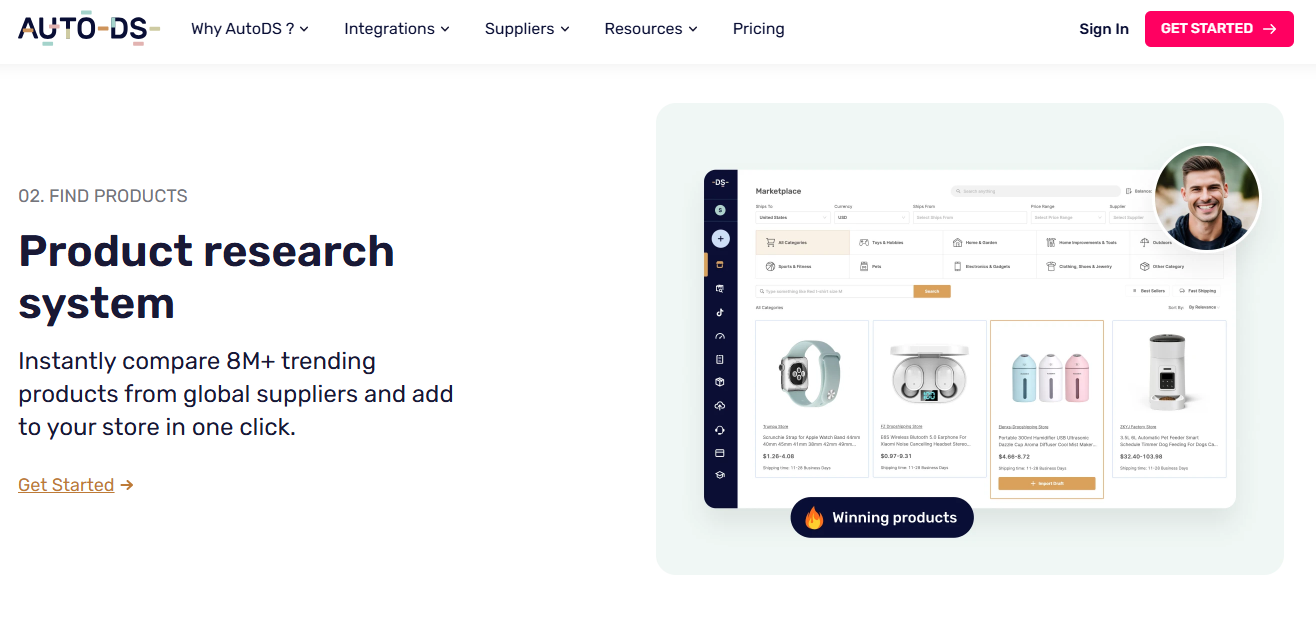
AutoDS is a dropshipping automation platform built to help online sellers manage everyday store operations more efficiently. It connects with ecommerce platforms like Shopify, eBay, and Facebook Marketplace, allowing users to import products, monitor stock, adjust pricing rules, and automate order processing from one dashboard.
For beginners, AutoDS feels attractive because it simplifies many of the repetitive tasks that usually slow people down at the start. Instead of manually copying product information, updating prices, or placing every order one by one, sellers can automate much of that work and get a store running faster.
That convenience is exactly why many first-time entrepreneurs choose it. When you are just starting out, saving time matters. A platform that makes product importing and order handling easier can lower the learning curve and help you launch with less stress.
As a store begins to grow, many sellers start looking for more practical autods alternatives. The reason is simple. Automation can help manage a store, but it does not always solve the deeper issues that affect profit, customer experience, and long-term growth.
What happens when automation is no longer enough
In the early stage, automation feels like the biggest advantage. Once you start testing more products and getting steady orders, your priorities begin to change.
You start asking more important questions:
- Can I source better products faster
- Can I improve my margins
- Can I build my own brand
- Can I make fulfillment more reliable
These are areas where many sellers realize automation alone is not enough.
What challenges appear as stores grow
One common issue is that AutoDS works largely by connecting sellers to existing marketplace suppliers. That can be convenient, but it also means you often have less control over product costs, supplier consistency, and customization.
As competition gets stronger, sellers want more than product syncing and order automation. They want:
- Better sourcing flexibility
- Lower product costs
- Faster and more stable fulfillment
- Branding options that make the store look more professional
This is why the search for autods alternatives usually starts once a seller moves beyond the beginner phase.
What sellers are really looking for
Most people searching for an alternative are not just trying to replace one software tool. They are trying to find a better operating system for their business.
They want a platform that can help them:
- Find winning products earlier
- Create healthier profit margins
- Improve customer satisfaction
- Support branding and long-term scaling
That is the real reason people begin comparing AutoDS with more sourcing and fulfillment focused solutions. AutoDS is helpful for automation, but many sellers eventually need something more complete once they want to grow beyond basic store management.
What are the key limitations of AutoDS
AutoDS is helpful for simplifying routine dropshipping tasks, especially for beginners who want to save time on importing products and automating orders. The challenge is that as your business grows, some limitations become harder to ignore. These are often the reasons sellers begin exploring better autods alternatives.
What are the sourcing limitations
One of the biggest limitations is that AutoDS is mainly an automation tool, not a true sourcing solution. In many cases, you are still relying on products from third-party marketplaces and existing supplier listings.
This can create several problems:
- Limited control over supplier quality
- Less flexibility when looking for unique or trending products
- Difficulty negotiating better pricing
- Higher risk of selling the same products as many competitors
For beginners this may seem manageable, but once you start testing aggressively, product access and supplier flexibility become much more important.
What are the pricing and margin limitations
Because AutoDS often works with marketplace-based suppliers, product costs are not always the most competitive. That makes it harder to protect your margins, especially if you are running paid ads.
Even a small cost difference can have a big impact. If your product cost is $4 to $6 higher than a better sourcing option, your room for ad spend and profit becomes much tighter. For stores trying to scale, this can quickly become a serious bottleneck.
What are the branding limitations
AutoDS is designed to help automate store operations, but it does not solve the branding side of ecommerce. This is a major gap once you want to build something more sustainable.
Common limitations include:
- No built-in custom packaging support
- No private labeling system
- No strong control over product presentation after the order is placed
As competition grows, branding matters more. Generic products in generic packaging make it harder to increase trust, improve repeat purchase rates, or stand out from similar stores.
What are the fulfillment limitations
Although AutoDS can automate order placement, fulfillment still depends heavily on the supplier behind the product. This means the actual shipping experience may vary a lot from one supplier to another.
That often leads to:
- Inconsistent processing times
- Unstable delivery speed
- Limited quality control
- More customer service pressure when problems happen
Automation can make operations look smoother on the dashboard, but it does not always fix the real fulfillment pain points customers care about.
What are the scalability limitations
AutoDS works well when your focus is efficiency at a small or medium scale. Once order volume grows, you may need deeper control over sourcing, inventory stability, and fulfillment coordination.
This is where some sellers start to feel friction:
- Products go out of stock unexpectedly
- Supplier performance becomes harder to manage
- Margins stay too thin for aggressive scaling
- Operations depend too much on external marketplaces
At that point, many sellers realize they do not just need better automation. They need a stronger backend system.
What are the cost limitations for beginners
Another issue is the subscription model. For new sellers, paying monthly software fees before the store becomes profitable can add pressure. When combined with product costs, ad spend, and app fees, the total startup cost becomes higher than expected.
For a beginner with limited budget, this matters. If the tool saves time but does not improve sourcing, branding, or fulfillment, the value can start to feel limited over time.
AutoDS is a useful tool for store automation, but its biggest weakness is that it focuses more on process convenience than on supply chain strength. That is why many sellers searching for autods alternatives are really looking for something more complete, with better sourcing, stronger fulfillment, and more room to build a real brand.
What makes a good AutoDS alternative
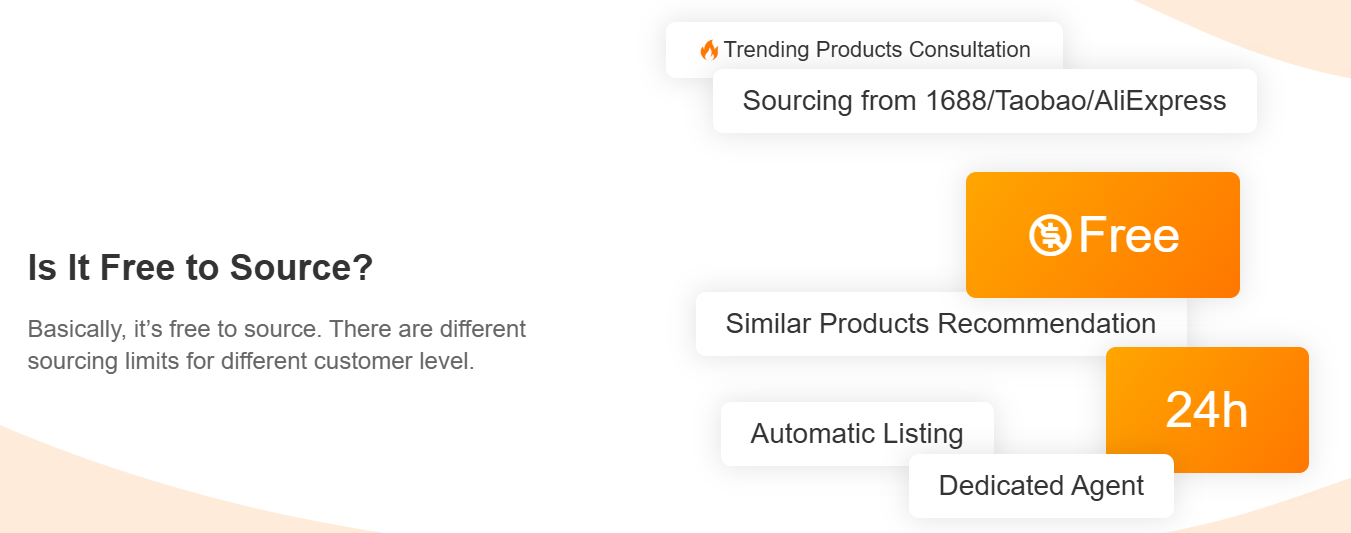
A good autods alternative should do more than automate repetitive tasks. It should help you build a stronger business model from the beginning, especially if you want better margins, more control, and smoother scaling. For many sellers, the real goal is not just saving time. It is creating a system that makes product testing easier, fulfillment more reliable, and branding more realistic as the store grows.
What better sourcing flexibility should look like
One of the biggest things to look for is sourcing flexibility. A strong alternative should not lock you into fixed marketplace listings or make you rely entirely on public supplier pages.
What matters more is the ability to:
- Source products based on demand
- Find alternatives for the same product
- Compare supplier pricing more efficiently
- React quickly when a product starts trending
This becomes especially important in fast-moving niches. A product can gain traction in just a few days, and if your platform cannot help you source it quickly, you may miss the best sales window.
What stronger pricing support should provide
A good alternative should help you protect your margins, not just automate low-margin orders. Product cost is one of the biggest factors in whether a store can scale profitably.
Even a cost difference of 10% to 20% can change:
- How much you can spend on ads
- Whether a product remains profitable
- How aggressively you can scale
This is why many sellers move toward platforms that offer better sourcing access instead of relying only on standard marketplace pricing.
What branding capabilities should include
If you want to build something more sustainable, branding matters. A strong autods alternative should support the transition from a generic store to a recognizable brand.
Useful branding support can include:
- Custom packaging
- Logo printing
- Private labeling
- Better presentation for repeat customers
Stores that improve their branding often see better trust, stronger conversion rates, and more customer loyalty over time. For beginners, you do not need all of this on day one, but your platform should make it possible when you are ready.
What fulfillment reliability should look like
A good alternative should also solve one of the biggest real-world pain points in dropshipping, which is fulfillment consistency.
Look for a system that supports:
- Processing times within 24 to 48 hours
- Stable shipping lines
- Faster delivery to major markets
- Easier tracking and order management
This matters because customer experience is shaped less by your dashboard and more by whether the order arrives on time and in good condition.
What scalability should support
The best autods alternative should still work when your business grows from a few daily orders to dozens or even hundreds. Many tools feel helpful at the beginning but become limiting once you start scaling.
A scalable platform should help you:
- Manage higher order volume without more manual work
- Reduce supplier inconsistency
- Keep operations stable during growth
- Build a more repeatable backend system
This is where integrated sourcing, branding, and fulfillment become much more valuable than automation alone.
What beginners should really prioritize
For someone with zero experience, the right alternative should still be easy enough to use without being too limited later. That means you want a platform that feels beginner-friendly now but also gives you room to grow into better sourcing and stronger operations later.
In simple terms, a good autods alternative should help you do three things well:
- Find better products
- fulfill orders more reliably
- build a store that looks more trustworthy over time
That is what makes the difference between just running a store and building a business with long-term potential.
What is CJdropshipping and how it compares
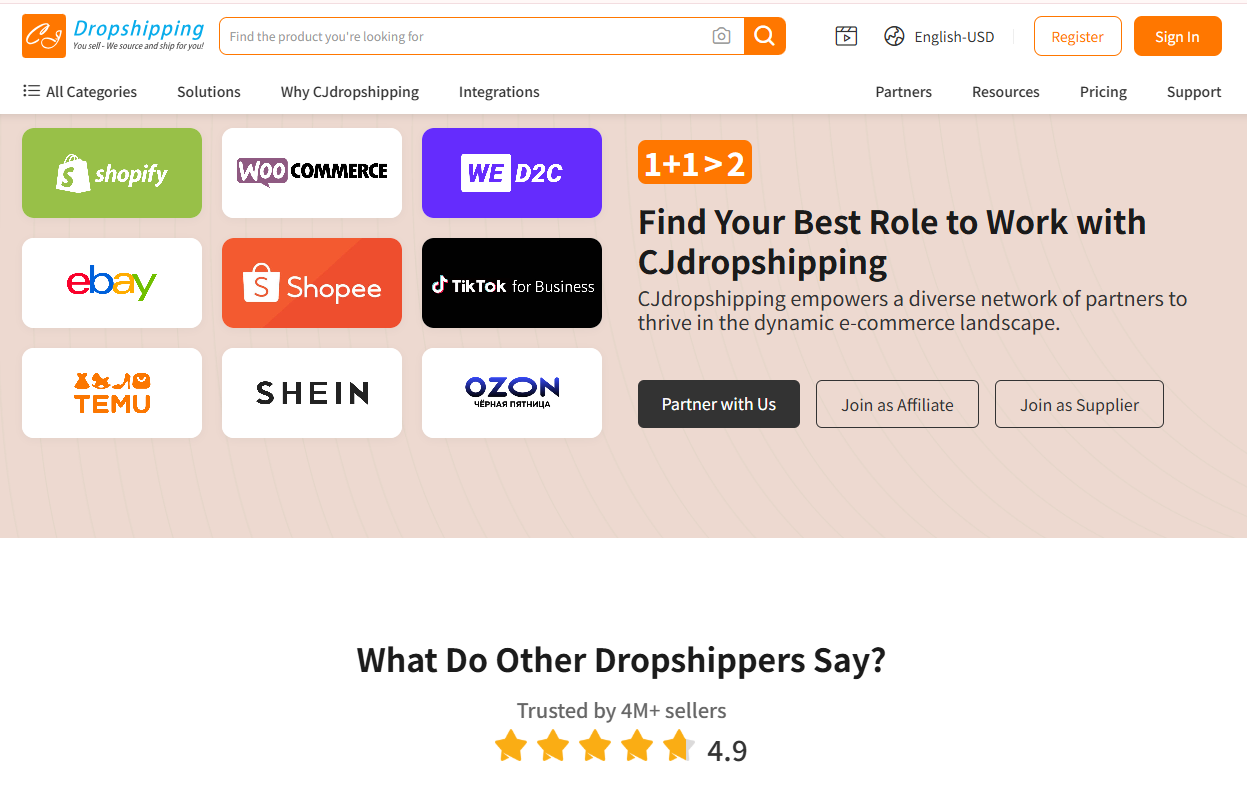
CJdropshipping is an all-in-one dropshipping platform built to support sellers with product sourcing, branding, and order fulfillment in one place. Unlike tools that mainly focus on automation, it works more like a supply chain solution behind your store. That makes it especially useful for sellers who want more control over product quality, pricing, and customer experience as they grow.
For beginners, this can be a big advantage. Instead of managing several tools for sourcing, shipping, and customization, you can keep more of the workflow connected from the start. For growing stores, that usually means fewer operational gaps and better room to scale.
What CJdropshipping is designed to do
CJdropshipping is not just a product import tool. It is designed to solve some of the most common dropshipping pain points in a more practical way.
Its core services usually include:
- Product sourcing for existing or requested items
- Inventory and warehouse support
- Order fulfillment and shipping
- Branding options such as custom packaging and logo printing
This is why many sellers see it as a more complete option when comparing autods alternatives.
What makes the sourcing model different
One of the biggest differences is the sourcing approach. AutoDS mainly helps automate products from existing suppliers and marketplaces. CJdropshipping goes further by offering a sourcing service that helps sellers find products based on current demand.
That means if you spot a product on TikTok, Amazon, or a competitor’s store, you can request sourcing for it instead of being limited to what is already listed publicly. In many cases, quotes can come back within 24 hours, which gives sellers a faster way to react to trends and compare costs.
This matters because better sourcing usually leads to:
- Lower product costs
- More flexibility when testing products
- Less dependence on crowded marketplace listings
- Better chances of finding alternatives for the same item
What branding support looks like
Another major difference is branding. AutoDS helps with automation, but it does not really solve the brand-building side of ecommerce. CJdropshipping gives sellers access to services that can help a store look more professional as it grows.
This can include:
- Custom packaging
- Logo printing
- Private labeling options
For a beginner, branding may not feel urgent in the first month. Once you find a product that is working, these options become more valuable. Stores with stronger branding often see better conversion rates and improved customer trust, especially in competitive niches.
What fulfillment advantages it provides
Fulfillment is where the gap becomes even more obvious. AutoDS can automate order handling, but the actual fulfillment still depends heavily on third-party suppliers. That means shipping speed, packaging quality, and order consistency can vary a lot.
CJdropshipping is more fulfillment-focused. It offers a connected order processing system and access to warehouses and shipping routes that help create a more stable delivery experience.
That can help sellers with:
- Faster processing times, often within 24 to 48 hours
- More consistent shipping performance
- Better tracking management
- Smoother handling when daily orders start increasing
For stores trying to move beyond the early stage, this kind of structure makes operations easier to manage.
What the real comparison comes down to
When comparing the two, the biggest difference is not just features. It is the role each platform plays in your business.
AutoDS is mainly an automation tool. It helps reduce manual work and makes day-to-day store tasks easier.
CJdropshipping is more of a sourcing and fulfillment solution. It is built to support the backend of the business, especially when you need better pricing, more product flexibility, and branding support.
In simple terms:
- AutoDS helps you automate a store
- CJdropshipping helps you build a more complete operational system
When CJdropshipping makes more sense
This kind of platform becomes a stronger choice when you:
- Want to source products faster
- Need better control over pricing
- Plan to build a branded store
- Want more reliable fulfillment as orders grow
For many sellers, AutoDS works well in the beginning because it makes operations easier. As the business grows, the need usually shifts from convenience to control. That is when a more complete supply chain solution starts to make more sense.
For entrepreneurs comparing autods alternatives, the real question is not just which platform has more features. It is which one better supports the stage of business you are in now and the kind of store you want to build next.
CJdropshipping vs AutoDS — AutoDS Alternative Comparison
| Comparison Point | CJdropshipping | AutoDS | Why CJdropshipping Stands Out |
|---|---|---|---|
| Core Positioning | An all-in-one dropshipping partner focused on sourcing, fulfillment, warehousing, POD, and branding. | A dropshipping automation software focused on store management, importing, monitoring, and automated order workflows. | CJ is stronger for merchants who want an operations + supply chain partner, not just automation software. |
| Product Sourcing | Supports built-in sourcing requests and sourcing-agent services to find products beyond the listed catalog. | Emphasizes supplier access, one-click importing, and product discovery from its supplier network. | CJ gives sellers more flexibility when they want custom sourcing or hard-to-find products. |
| Warehousing | Offers international warehousing and global fulfillment infrastructure. CJ’s own materials describe 50+ warehouses worldwide. | Focuses more on automation and supplier-based fulfillment, with Fulfilled by AutoDS as a managed fulfillment option. | CJ has a clearer warehousing advantage for inventory positioning and shipping flexibility. |
| Branding Options | Provides custom branding services, including private labeling and custom packaging. | AutoDS mainly highlights automation, supplier access, and fulfillment efficiency rather than deep branding services. | CJ is better for building a more branded, less generic store. |
| Print on Demand | Includes built-in POD as part of its broader sourcing and fulfillment ecosystem. | Also supports POD, but AutoDS presents it more as part of its automation stack. | CJ is stronger for merchants who want POD plus sourcing, warehousing, and branding in one platform. |
| Creative Services | Highlights product photography and video services in addition to fulfillment support. | AutoDS’s public positioning focuses more on automation, research, and operational tools. | CJ offers extra value for sellers who need ready-to-use marketing assets. |
| Quality Control | CJ positions itself as a fulfillment partner with more hands-on supply chain support and inspection-oriented operations. | AutoDS emphasizes automated fulfillment, price/stock monitoring, and software-driven efficiency. | CJ is a better fit for sellers who prioritize supply-chain control over software automation alone. |
| Cost Structure | CJ is promoted as free to join / free core access, with costs varying by product, shipping, and services used. | AutoDS runs on a subscription-based model with platform-specific plans. | CJ can be more attractive for sellers who want lower fixed software costs. |
| Best Fit | Best for sellers who need custom sourcing, fulfillment, warehouses, branding, and POD under one roof. | Best for sellers who want automation-first workflows, price/stock monitoring, and multi-store management. | CJ is the stronger AutoDS alternative for merchants building a scalable branded business. |
How to choose the right platform for your business stage
Choosing the right autods alternative is not really about picking the most popular tool. It is about choosing the platform that fits what your business needs right now. A beginner store, a testing store, and a scaling store all face different problems, so the right choice will naturally change as you grow.
What to choose at the beginner stage
At the beginning, your biggest priority is to start fast and keep things simple. You do not need a complicated system yet. What matters most is being able to launch products, understand how your store works, and get your first few sales without taking on too much cost.
At this stage, look for:
- Easy integration with Shopify or WooCommerce
- A simple product import process
- Low upfront cost
- A beginner-friendly dashboard
You are still learning product selection, store setup, and basic marketing. The best platform for this stage is one that reduces confusion and helps you move quickly.
What to choose at the product testing stage
Once your store is live, your focus shifts to testing products efficiently. This is where many sellers begin to feel the limits of automation-only tools. You need more than convenience. You need speed, flexibility, and better access to products that can actually perform.
At this stage, prioritize:
- Flexible sourcing options
- Faster access to trending items
- Better product pricing
- Easy switching between products and suppliers
This is often the point where sellers start looking for stronger autods alternatives. If your platform only helps automate existing listings but does not help you source smarter, your testing process becomes slower and less competitive.
What to choose at the scaling stage
When you begin getting consistent orders every day, your biggest challenge becomes operational stability. You are no longer just testing. Now you need to make sure your fulfillment process can keep up without hurting customer experience.
At this stage, focus on:
- Reliable order processing
- More stable supplier performance
- Shipping times that stay competitive
- Better control over stock and fulfillment
Once you pass 20 to 50 orders per day, small inefficiencies can start turning into expensive problems. Delays, stock issues, and inconsistent delivery become much more noticeable. This is where a more complete backend system matters more than basic automation.
What to choose at the brand-building stage
Once your store becomes profitable, the goal starts to change. You are no longer just trying to make sales. You are trying to build a business that customers remember and come back to.
At this stage, look for a platform that supports:
- Custom packaging
- Logo printing
- Private labeling
- Better supplier consistency
- A smoother fulfillment experience
Branding can make a real difference here. Many stores that invest in better presentation and customer experience see 10% to 30% higher conversion rates, especially in saturated niches where generic stores all look similar.
This is also the stage where using a platform with sourcing, branding, and fulfillment connected together can save a lot of time and reduce mistakes.
How to know when it is time to upgrade
A lot of sellers stay with the same setup for too long because it still feels manageable. In reality, there are usually clear signs when your current platform is no longer enough.
You may need a better autods alternative when:
- You cannot find winning products fast enough
- Your profit margins feel too tight
- Supplier performance is inconsistent
- Shipping issues are creating customer complaints
- Your store looks too generic compared to competitors
These signals usually mean you have outgrown a tool that is only solving surface-level problems.
How to think about platform choice long term
The smartest way to choose a platform is to think one step ahead. Do not just ask whether it works for you today. Ask whether it can still support you after your next stage of growth.
A useful platform should help you:
- Launch without too much friction
- Test products without wasting time
- Scale without operational chaos
- Build a stronger brand when you are ready
That is why the best choice is usually not the platform with the most features. It is the one that matches your current business stage while giving you room to grow into the next one without needing to rebuild everything from scratch.
How to start dropshipping with a better alternative
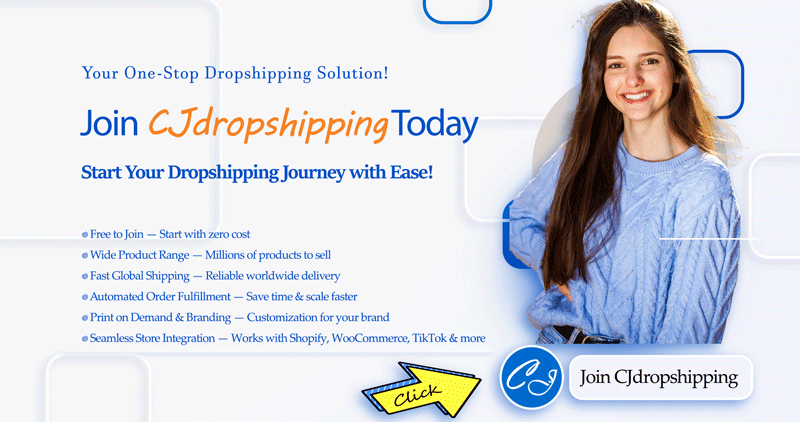
Starting with a better autods alternative can save you a lot of frustration later. Instead of building your store around limited supplier listings or depending only on automation, you can create a setup that gives you more control over products, margins, and fulfillment from the beginning. For a beginner, that usually means learning faster and making fewer costly mistakes.
How to choose a product worth testing
The first step is choosing a product that has a real chance to sell. A good beginner product is usually easy to understand, solves a clear problem, and has strong visual appeal. In most cases, products priced between $20 and $50 work well because they leave enough room for ad spend and profit.
Look for products that:
- Solve a small but obvious problem
- Are easy to show in short videos
- Have broad appeal within a clear niche
- Are not too fragile or complicated to ship
You can find ideas by studying TikTok trends, Amazon best sellers, and competitor ads. The goal is not to copy blindly. It is to understand what people are already buying and why.
How to validate demand without wasting budget
Once you find a product, test it quickly instead of overthinking it. Many new sellers spend too much time trying to perfect their store before they even know whether the product has demand.
A simple way to validate is to:
- Build a clean product page
- Prepare 2 to 3 ad creatives
- Start with a daily ad budget of $10 to $30
In the first few days, watch for:
- A click-through rate above 2%
- Add-to-cart activity
- At least one sale or strong buying intent signals
If the product gets attention but no sales, the issue may be your page, price, or offer. If it gets no attention at all, move on quickly.
How to improve sourcing early
This is where using a stronger alternative really matters. Instead of relying only on public marketplace listings, use a system that lets you compare better supplier options or request sourcing based on the product you want to test.
That helps you:
- Get more competitive pricing
- Find similar products from better suppliers
- Reduce the risk of selling heavily saturated listings
- move faster when a product trend appears
For example, if you are using a platform with a sourcing service like CJ’s, you can request quotes for a product and often get results within 24 hours. That kind of speed can make a big difference when a trend is moving fast.
How to set up a store that looks trustworthy
A lot of beginners lose sales not because of the product, but because the store looks weak. You do not need a perfect branded website on day one, but you do need a clean and trustworthy one.
Focus on:
- A simple niche-relevant design
- Clear product titles and benefit-focused descriptions
- Good product images or videos
- Basic trust elements like shipping info and contact details
Customers make decisions quickly. If your page looks confusing or generic, they leave. A clean store often performs better than a complicated one.
How to build branding gradually
You do not need to invest heavily in branding before validating a product, but you should think ahead. Once a product starts working, branding becomes one of the easiest ways to improve conversion rates and customer trust.
Start with:
- A simple brand name and logo
- Consistent color choices
- Better product page presentation
Then as sales become stable, you can move into:
- Custom packaging
- Logo printing
- Private labeling
Many stores see 10% to 30% better conversion performance after improving branding and customer presentation. This is especially important when competitors are all selling similar products.
How to avoid fulfillment problems from the start
Fulfillment is one of the most overlooked parts of dropshipping when people are new. It only becomes urgent after the first customer complaints arrive. That is why it is smarter to think about it early.
A better alternative should help you:
- Process orders within 24 to 48 hours
- Access more stable shipping methods
- Keep tracking information organized
- reduce dependence on inconsistent suppliers
If your system connects sourcing and fulfillment in one place, it becomes much easier to manage growth without constantly fixing problems by hand. A connected fulfillment model such as CJ’s can be especially useful once orders become more consistent.
How to scale once the product works
When your product starts getting sales, avoid scaling too fast without checking the basics. Growth only works when your backend can keep up.
Before increasing ad spend, make sure:
- Your margins still make sense
- Your supplier can handle more volume
- Shipping performance is stable
- Your product page is converting consistently
A lot of stores fail at this point because they focus only on traffic and ignore operations. The stores that last are usually the ones that combine good products with better sourcing, stronger presentation, and smoother fulfillment.
How to think long term from day one
Starting with a better autods alternative is not just about replacing a tool. It is about choosing a system that can support you beyond the beginner stage. You want something that helps you test quickly now, but also gives you space to improve your margins, brand your products, and fulfill orders more reliably later.
That is what turns dropshipping from a short-term experiment into a real business opportunity.
FAQ for CJdropshipping vs AutoDS
1. What are the best AutoDS alternatives for beginners
The best autods alternatives for beginners are platforms that are easy to use but also give you room to grow. A good option should help you test products quickly, keep upfront costs low, and make sourcing and fulfillment easier once your store starts getting traction. For most new sellers, flexibility matters more than having too many automation features at the beginning.
2. Is AutoDS good for beginners
Yes, AutoDS can be a useful starting point for beginners because it simplifies daily tasks like product importing, price monitoring, and order automation. It lowers the learning curve and helps new sellers launch faster. The main limitation is that as your business grows, you may need more control over sourcing, branding, and fulfillment than automation alone can offer.
3. Why do people look for AutoDS alternatives
Most sellers start looking for autods alternatives when they realize that automation does not solve every business problem. Common reasons include tighter profit margins, limited sourcing flexibility, inconsistent supplier performance, and lack of branding support. As stores grow, sellers usually want a more complete solution instead of just a management tool.
4. What is the difference between AutoDS and a sourcing-based platform
AutoDS mainly focuses on store automation. A sourcing-based platform focuses more on helping you find better products, improve pricing, and create a stronger supply chain. In simple terms, one helps you run operations more easily, while the other helps you build a more stable and scalable backend for the business.
5. What profit margin should I aim for in dropshipping
A healthy target for many dropshipping stores is around 20% to 40% net profit margin after ad spend. The exact number depends on your niche, product cost, shipping method, and marketing efficiency. Better sourcing and fulfillment usually make it easier to stay in that range.
6. When should I switch to an AutoDS alternative
You should think about switching when your current setup starts limiting your growth. Common signs include low margins, difficulty finding better suppliers, delayed fulfillment, repeated customer complaints, or a store that feels too generic compared with competitors. These signals usually mean you need more than automation.
7. Can I scale a dropshipping store without changing platforms
It is possible, but it often becomes harder over time if your platform does not support better sourcing, branding, and fulfillment. Many sellers can reach the first stage of success with a simple automation tool, but scaling smoothly usually requires stronger operational support behind the store.
8. What should I focus on first as a complete beginner
Start with the basics:
- Learn how to choose products with demand
- Build a clean and trustworthy store
- Test offers with small budgets
- Watch your margins carefully
Once you find a product that works, then you can improve sourcing, fulfillment, and branding step by step. That order usually gives beginners the best chance to grow without getting overwhelmed.
9. Are AutoDS alternatives better for long-term business building
In many cases, yes. If your goal is to build something more sustainable, a stronger autods alternative can give you better control over the parts of the business that matter most long term, especially sourcing, branding, and customer experience. That becomes increasingly important once you move beyond the beginner stage.