
The global supply chain has always evolved, but the pace of change in recent years has been something entirely new. Disruptions that once seemed rare—port closures, shipping delays, material shortages, political shifts—have become part of a new normal. Businesses of every size, from major retailers to small online sellers, are realizing that the world of sourcing and logistics is far more interconnected, unpredictable, and fragile than it used to be.
For ecommerce and dropshipping sellers, these changes aren’t just headlines—they directly influence costs, delivery times, product availability, and even customer expectations. Whether you’re sourcing from China, stocking items in the US, or managing orders across different markets, supply chain stability has become one of the most important factors for long-term growth.
But it’s not all bad news. In fact, the recent wave of disruptions has sparked innovation across the ecommerce ecosystem. We’re seeing smarter warehouse networks, more flexible sourcing models, regional fulfillment hubs, and new ways of managing inventory without massive upfront investment. Dropshipping—often seen as a lightweight business model—is evolving into something more sophisticated and resilient.
This guide breaks down the biggest global supply chain shifts shaping the “new world order” of ecommerce and explains how dropshipping businesses can adapt. We’ll also look at how flexible fulfillment partners, including CJdropshipping, are responding to these changes and helping sellers maintain speed, reliability, and efficiency in an unpredictable world.
What’s Driving Today’s Global Supply Chain Shifts?
The global supply chain hasn’t changed this dramatically in decades, and understanding why these shifts are happening is the first step for ecommerce sellers who want to stay ahead. Today’s new supply chain reality is shaped by a combination of economic, technological, political, and consumer-driven factors—all of which influence how products move from factories to customers.
Here are the major forces pushing the global supply chain into its next chapter.
1. Geopolitical Tensions Are Reshaping Trade Routes
Political shifts, new tariffs, and regional economic policies have made international trade more complex. Many countries are rethinking their reliance on single manufacturing hubs, leading to:
-
Diversified sourcing across multiple regions
-
Changes in import/export regulations
-
New compliance requirements
-
Higher volatility in shipping and customs
For sellers, this means supply chains that used to be predictable now require more flexibility and alternative options.
2. Transportation Costs and Capacity Fluctuate More Than Before
Global shipping costs have become far less stable.
Factors influencing this include:
-
Fuel price fluctuations
-
Container shortages
-
Port congestion
-
Changes in air cargo availability
-
Seasonal spikes and unpredictable bottlenecks
This creates ripple effects on delivery speed, fulfillment pricing, and overall product margins.
3. Consumer Expectations Have Become More Demanding
Customers now expect:
-
Faster shipping
-
More real-time tracking transparency
-
Better packaging
-
Clearer delivery timelines
-
Easier return processes
These expectations push sellers to adapt quickly. Delays that were once tolerated can now lead to cancellations, disputes, and lower platform ratings.
4. Ecommerce Growth Is Intensifying Global Logistics Pressure
Online shopping continues expanding across nearly every market.
More orders mean:
-
More pressure on warehouses
-
More demand for last-mile delivery
-
More competition for cargo space
-
Higher expectations for fulfillment accuracy
Dropshipping, in particular, has grown rapidly, increasing the need for agile and scalable supply chains.
5. Companies Are Moving Toward Nearshoring and Regional Production
In response to volatility, brands and suppliers are exploring:
-
Manufacturing closer to consumers
-
Regional warehouses
-
Hybrid sourcing strategies
-
Localized fulfillment
This shift reduces the risks associated with long-distance shipping and helps businesses deliver faster—something today’s customers strongly prefer.
6. Technology Is Transforming Supply Chain Management
Automation, AI-driven forecasting, and smarter warehouse systems are enabling:
-
More accurate stock planning
-
Faster picking and packing
-
Real-time inventory visibility
-
Fewer human errors
-
Better prediction of supply chain disruptions
The businesses that adopt these technologies are better positioned to adapt to rapid changes.
7. Sustainability Is Becoming a Major Priority
Governments and consumers alike are paying more attention to sustainability. This impacts the supply chain in areas such as:
-
Packaging regulations
-
Emissions reporting
-
Recyclable materials
-
Reduced shipping distances
-
Lower carbon footprints
Sellers are increasingly pressured to choose suppliers who support eco-friendly practices.
8. Global Demand for Flexibility Has Never Been Higher
The old model—slow shipping, single-country sourcing, and minimal inventory visibility—no longer works.
Businesses of all sizes now need:
-
Multiple sourcing options
-
Faster and more reliable fulfillment
-
Local warehouse access
-
Real-time stock data
-
Backup supply channels
This demand for flexibility is one of the biggest factors shaping the future of dropshipping.
How These Changes Affect Ecommerce and Dropshipping Businesses
Global supply chain shifts don’t just impact factories, shipping companies, or freight forwarders—they directly shape how ecommerce sellers operate day to day. From product sourcing to delivery times, every step of the customer experience is touched by these changes. Dropshipping businesses, which rely heavily on efficient cross-border logistics, feel these shifts even more sharply.
Here’s how today’s new supply chain environment impacts online sellers.
1. Longer and Less Predictable Lead Times
Unstable shipping routes, changing customs policies, and port congestion mean lead times can vary more than they used to.
For sellers, this leads to challenges such as:
-
Difficulty predicting stock needs
-
Slower restocking during peak seasons
-
Higher risk of stockouts
-
Potential delays during viral sales spikes
This unpredictability pushes dropshippers to explore multi-warehouse models or hybrid sourcing setups for greater stability.
2. Higher Shipping Costs Affect Profit Margins
With freight costs fluctuating more frequently, product margins can shift unexpectedly.
This impacts:
-
Final product pricing
-
Ad budgets
-
Customer acquisition costs
-
Overall store profitability
Dropshippers need to be more strategic, selecting lighter items, optimizing packaging, or using regional fulfillment to keep costs under control.
3. Customer Expectations Have Outpaced Traditional Logistics
Today’s buyers expect online orders to arrive quickly and with minimal hassle.
This affects dropshippers by making international shipping slow:
-
Harder to justify
-
More likely to cause disputes
-
A risk to platform ratings (Amazon, TikTok, Shopify, etc.)
Adapting to this requires faster fulfillment methods—often through local or regional warehouses instead of relying solely on overseas delivery.
4. Inventory Visibility Has Become Essential
In today’s supply chain environment, sellers need real-time insight into:
-
Available stock
-
Regional warehouse levels
-
Estimated restocking timelines
-
Product movement
Without accurate data, overselling becomes a serious risk—especially during peak or viral events common in social commerce.
5. Sellers Need More Diversified Sourcing Options
Depending too heavily on one sourcing region leaves businesses vulnerable.
More dropshippers are now exploring:
-
Backup suppliers
-
Multiple product origins
-
Alternative manufacturing hubs
-
Local sourcing for top-moving items
This diversification reduces the risk of major disruption.
6. Fulfillment Reliability Is Now a Competitive Advantage
Fast, consistent shipping isn’t just operational—it directly affects conversions.
Stores with reliable fulfillment enjoy:
-
Higher add-to-cart rates
-
Better ad performance
-
Stronger customer loyalty
-
Fewer negative reviews
-
Platform reward mechanisms (e.g., TikTok or Amazon ranking boosts)
Reliable logistics has become a key brand differentiator.
7. Smaller Sellers Can Now Compete Through Smart Logistics
Interestingly, the supply chain shifts have also created an opportunity.
Dropshippers who:
-
Use flexible multi-warehouse systems
-
Partner with modern suppliers
-
Take advantage of regional inventory
-
Embrace on-demand sourcing
can now compete with larger brands on speed, cost, and customer experience.
This new logistics environment rewards adaptability, not size.
8. Technology Plays a Bigger Role in Day-to-Day Operations
Inventory forecasting, automated routing, real-time stock syncing, and fast product onboarding are becoming essential.
Sellers rely more heavily on:
-
AI-driven product research
-
Real-time inventory tools
-
API-connected suppliers
-
Automated order processing
This allows lean teams to operate at a level that used to require much larger infrastructure.
Trend #1: Nearshoring and the Rise of Regional Manufacturing
One of the most noticeable global supply chain shifts in recent years is the move toward nearshoring—brands and suppliers relocating part of their production closer to key consumer markets. While traditional manufacturing hubs like China remain essential, more companies are exploring regional production facilities in places such as Mexico, Eastern Europe, Southeast Asia, and even parts of the United States.
This trend is gaining traction because businesses want faster delivery, more control, and reduced dependence on long-haul shipping routes.
1. Shorter Supply Chains Reduce Risk
Long-distance supply chains are vulnerable to delays caused by:
-
Port congestion
-
Changing trade regulations
-
Political conflicts
-
Fuel price spikes
-
Natural disasters
Nearshoring reduces exposure to these risks by minimizing the number of transit steps between manufacturer and customer.
For ecommerce sellers, this means:
-
More predictable lead times
-
Fewer unexpected delays
-
Better inventory planning
A shorter supply chain is simply easier to manage.
2. Faster Production Cycles Improve Market Responsiveness
Consumer trends now shift faster than ever—especially with social commerce platforms like TikTok accelerating product demand.
Nearshoring enables brands to:
-
React quickly to new trends
-
Launch products faster
-
Adjust production based on real-time feedback
-
Move from sample to mass production with shorter turnaround
For dropshippers, this can translate into quicker access to relevant, trending products.
3. Reduced Shipping Time Enhances Customer Experience
When products are closer to the consumer, delivery time drops dramatically.
A manufacturing or assembly facility in Mexico, for instance, can shorten delivery to US customers from weeks to just days.
Shorter shipping routes bring major benefits:
-
Lower shipping costs
-
Fewer customs delays
-
Faster last-mile delivery
-
Improved tracking accuracy
In a market where customers expect near-instant delivery, this is a big advantage.
4. More Countries Are Becoming Attractive Manufacturing Alternatives
“China + 1” strategies are becoming common—businesses still rely on China’s strong manufacturing ecosystem but diversify into emerging hubs such as:
-
Vietnam
-
Thailand
-
India
-
Mexico
-
Turkey
-
Poland
These regions offer competitive labor costs, growing industrial capacity, and shorter shipping routes to major markets.
For dropshippers, this means a broader range of global sourcing opportunities.
5. Nearshoring Helps Maintain Stable Inventory in Peak Seasons
Peak-season congestion has always been a challenge for ecommerce.
When companies shift part of their production closer to the destination market, they can:
-
Avoid container shortages
-
Respond faster to stockouts
-
Replenish inventory during holiday surges
-
Build better pre-season stock plans
This stability is especially important for sellers scaling rapidly.
6. Dropshipping Adapts by Embracing Hybrid Sourcing Models
Modern dropshippers are no longer limited to one region.
Many now use hybrid strategies:
-
Start testing products from China
-
Move best-sellers into local or regional warehouses
-
Explore suppliers in nearshore countries for long-term stability
This flexibility allows sellers to balance cost, speed, and reliability depending on market needs.
7. How CJdropshipping Aligns With the Nearshoring Shift
While nearshoring continues expanding globally, CJdropshipping supports this trend by offering:
-
Multiple local warehouses in key regions (US, UK, EU, AU)
-
Faster replenishment from China-to-local hubs
-
Partnerships with regional warehouses for specific markets
-
The ability to store inventory where customers are clustered
Instead of relying on long shipping routes for every order, sellers can adopt a hybrid model that delivers the best of both worlds—global sourcing with local fulfillment.
8. Nearshoring Will Continue to Influence the Future of Dropshipping
As supply chains become more regional, dropshippers who adapt early will gain:
-
Faster delivery
-
Lower shipping risk
-
Better customer ratings
-
Greater flexibility in product launches
-
More control during global disruptions
Nearshoring isn’t replacing traditional manufacturing—it’s complementing it, creating a more sustainable and resilient supply chain structure for modern ecommerce.
Trend #3: Smart Inventory Planning and Hybrid Stock Models
As supply chains become more complex, ecommerce sellers are moving away from the old “one-size-fits-all” approach to inventory. Instead, they’re adopting hybrid stock models—a mix of on-demand fulfillment, local warehousing, and selective pre-stocking. This balanced strategy helps sellers stay flexible while managing risk, improving delivery speed, and reducing operational surprises.
Smart inventory planning has quickly become one of the most important skills in modern ecommerce.
1. The Traditional “Dropship Only” Model Is Less Reliable Today
Relying solely on overseas dropshipping used to be a popular way to avoid upfront investment.
But with today’s global supply chain volatility, this approach has weaknesses:
-
Slow or unpredictable shipping
-
Higher chances of stockouts
-
Limited visibility into warehouse availability
-
Seasonal congestion during holidays
-
Difficulty scaling during sudden demand spikes
This doesn’t mean dropshipping is dead—but the pure model is now evolving.
2. Hybrid Models Offer the Best of Both Worlds
A hybrid inventory strategy blends multiple fulfillment methods, such as:
-
Dropshipping from China for testing new products
-
Local warehouse stock for best-sellers
-
On-demand production for customization and POD
-
Backup inventory in regional facilities
-
Pre-stocking for peak seasons
This setup allows sellers to stay agile while maintaining stable delivery performance.
3. Sellers Are Using Data to Predict Demand More Accurately
Smart inventory planning increasingly involves:
-
Monitoring sales trends
-
Predicting seasonal demand
-
Analyzing platform insights
-
Tracking viral content performance
-
Watching SKU-specific movement
Instead of guessing how much stock they need, sellers use data to adjust inventory levels, reducing cost and waste.
4. Pre-Stocking Best-Sellers Helps Maintain Fast Delivery
Once a product proves it can sell consistently, many sellers choose to:
-
Move inventory into US/EU/UK/AU warehouses
-
Store limited quantities locally
-
Keep backup stock in China
-
Replenish stock weekly or bi-weekly
This hybrid setup allows sellers to offer fast domestic shipping without holding a huge amount of inventory.
5. On-Demand Workflow Supports Trend-Driven Products
Fast-moving platforms like TikTok change quickly.
On-demand fulfillment—such as print-on-demand or flexible custom manufacturing—offers sellers a chance to:
-
Test creative ideas
-
React to trends quickly
-
Launch new designs with minimal risk
-
Avoid overstocking on fast-fading trends
This is crucial for content-driven businesses.
6. Risk Diversification Is Becoming a Core Strategy
Hybrid stock models help sellers reduce risk by:
-
Avoiding heavy investment in slow-moving SKUs
-
Preventing long-term stockouts
-
Keeping multiple sourcing channels open
-
Reducing impact from shipping disruptions
-
Maintaining stable delivery times across regions
The more balanced the supply chain, the more resilient the business becomes.
7. Inventory Planning Directly Impacts Marketing Efficiency
Poor inventory planning can hurt ad performance.
For example:
-
Running ads on low-stock items leads to cancellations
-
Pausing campaigns disrupts sales cycles
-
Long delivery times reduce conversion rates
-
Inventory shortages break momentum during viral periods
Smart planning ensures marketing and operations work together smoothly.
8. CJdropshipping Supports Hybrid Models With Flexible Warehousing
To help sellers adopt hybrid inventory strategies, CJdropshipping provides:
-
Multiple China warehouses for easy sourcing
-
US, EU, UK, and AU local warehouses for pre-stocking
-
Real-time inventory tracking across all locations
-
On-demand fulfillment options (including POD)
-
Clear restocking timelines + warehouse-level data
-
Low-MOQ stocking to reduce seller risk
This gives sellers the freedom to blend testing, fast delivery, and inventory control in a single system.
9. Hybrid Stock Models Will Shape the Next Era of Dropshipping
As the ecommerce landscape becomes more competitive, sellers who adopt smart, flexible inventory structures will enjoy:
-
Faster shipping
-
Higher profit margins
-
Better scalability
-
More stable customer satisfaction
-
Stronger brand reliability
In many ways, hybrid models represent the future of sustainable, modern dropshipping.
Trend #4: Increasing Demand for Flexible, On-Demand Sourcing
As global supply chains become more unpredictable, ecommerce businesses are shifting toward on-demand sourcing—a model built around flexibility, speed, and lower upfront risk. This trend is especially strong among small and medium-sized sellers who need to react quickly to market changes without overcommitting to inventory.
On-demand sourcing isn’t just convenient; it’s becoming one of the most strategic responses to today’s volatile supply chain environment.
1. Sellers Want to Reduce Inventory Risk
In the past, ecommerce frequently relied on bulk purchasing and warehousing to lock in lower unit costs.
But with unpredictable demand and faster trend cycles, this creates major risks:
-
Unsold inventory
-
Rising storage costs
-
Cash tied up in slow-moving items
-
Difficulty repositioning stock
-
Financial pressure during quiet seasons
On-demand sourcing helps sellers avoid these pitfalls by letting them order inventory only when needed.
2. Fast-Moving Trends Require Faster Product Launch Cycles
Platforms like TikTok, Instagram Reels, and YouTube Shorts have shortened the product lifecycle dramatically.
A product can go from unknown to viral in a matter of hours, which means sellers need:
-
Quick product onboarding
-
Fast sampling
-
Rapid supplier confirmation
-
Flexible production timelines
On-demand sourcing ensures sellers can launch products quickly—often before a trend peaks.
3. More Sellers Are Testing Products Without Heavy Investment
Instead of ordering hundreds of units upfront, sellers are now:
-
Testing multiple products simultaneously
-
Ordering low-MOQ samples
-
Running soft launches or “micro-tests”
-
Using small-batch production to validate demand
This testing-first approach keeps risk low and helps sellers identify winning products faster.
4. On-Demand Production Supports Customization and Personalization
Customers increasingly expect products that feel unique or tailored to them.
On-demand sourcing supports:
-
Print-on-demand (POD) items
-
Personalized accessories
-
Custom packaging
-
Made-to-order variations
-
Limited-edition drops
These products align well with social commerce, where individuality and storytelling matter more than mass production.
5. Flexible Sourcing Helps Sellers Avoid Supply Chain Bottlenecks
When factories are backed up or materials run short, sellers using traditional bulk purchase models get stuck waiting.
On-demand models reduce this risk by:
-
Diversifying production sources
-
Offering backup suppliers
-
Scaling in smaller increments
-
Allowing faster switching between manufacturers
This flexibility is essential in today’s unpredictable logistics environment.
6. On-Demand Sourcing Improves Cash Flow
One of the biggest advantages is financial.
Sellers no longer need to tie up thousands of dollars in inventory, allowing them to:
-
Reserve cash for ads
-
Invest in creators or influencers
-
Scale winning products without pressure
-
Maintain stable margins even during slow months
Better cash flow means healthier long-term growth.
7. Packaging, Kitting, and Light Assembly Are Increasingly Done On-Demand
Modern sellers need more than just production—they need finishing touches that elevate the customer experience, such as:
-
Gift packaging
-
Bundled SKU assembly
-
Branding inserts
-
Custom labeling
-
Seasonal versions of existing products
Flexible suppliers now offer these services as part of the sourcing workflow, reducing the need for external fulfillment partners.
8. CJdropshipping Supports This Shift With Adaptable Sourcing Tools
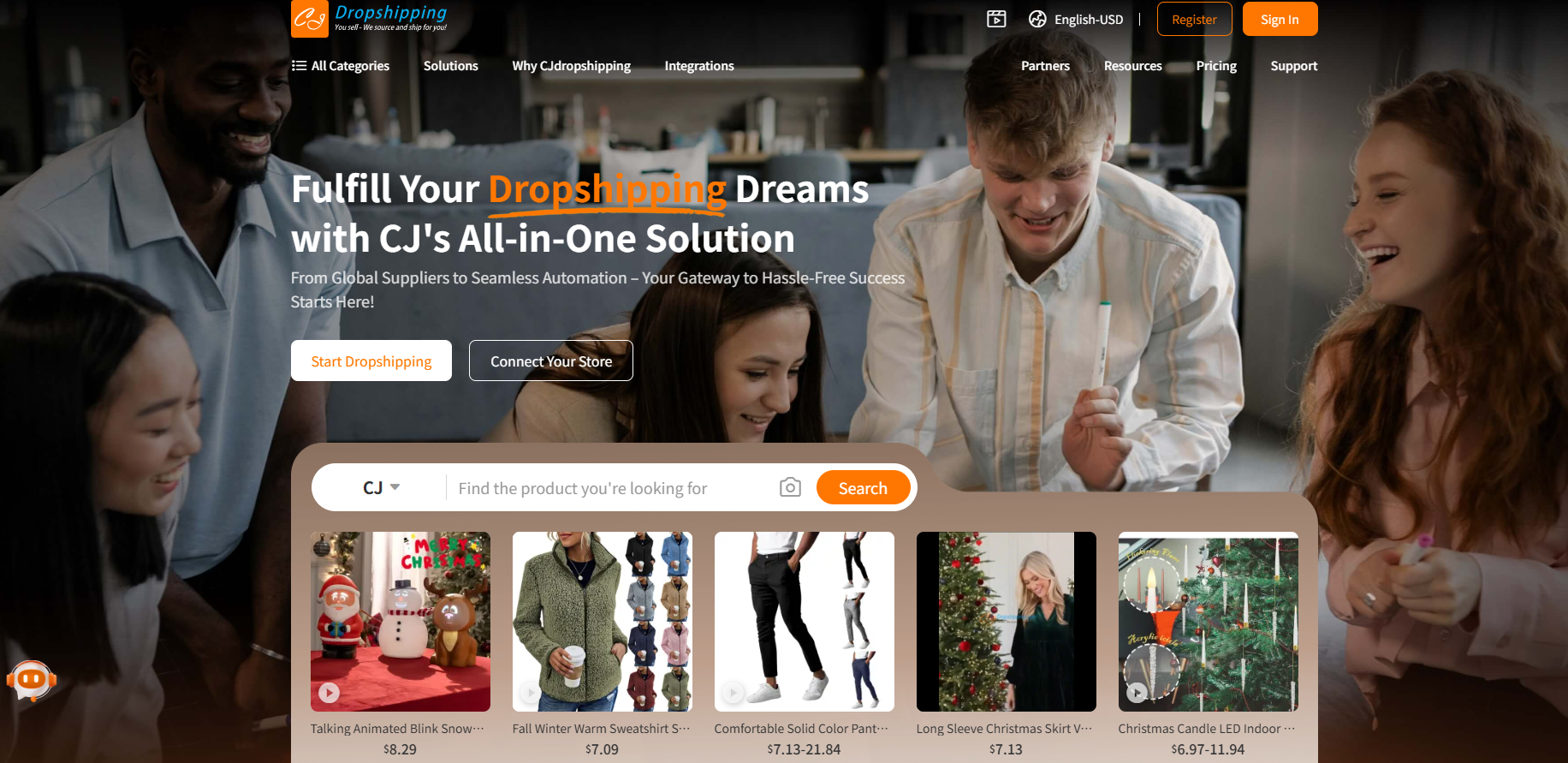
To help sellers thrive in an on-demand environment, CJdropshipping offers:
-
Sourcing requests for new products
-
Low-MOQ sampling and testing
-
A wide network of manufacturers for fast onboarding
-
Print-on-demand capabilities
-
Flexible production arrangements
-
Warehousing options to scale once demand grows
This gives sellers freedom to test and adapt—without committing heavily upfront.
9. On-Demand Sourcing Will Define the Next Generation of Ecommerce
As trends accelerate, seasons become more fluid, and customer preferences shift rapidly, sellers who embrace on-demand sourcing will enjoy:
-
Faster product launches
-
Lower inventory risk
-
Better cash flow
-
Stronger creativity and experimentation
-
Greater resilience during supply disruptions
The future of ecommerce is not about holding more inventory—it’s about staying flexible enough to move with the market.
Trend #5: The Push Toward Sustainable and Leaner Logistics
Sustainability is no longer just a buzzword in the logistics world—it’s becoming a core expectation from consumers, marketplaces, and even governments. As global supply chains evolve, the pressure to reduce waste, cut emissions, and improve efficiency is stronger than ever. Dropshipping, which relies heavily on transportation and packaging, is undergoing a major transformation as sellers adopt leaner, more eco-friendly logistics practices.
This shift is driven by both practical necessity and customer preference.
1. Consumers Increasingly Expect Eco-Conscious Brands
Shoppers today—especially younger buyers—prefer brands that demonstrate responsible practices. They care about:
-
Minimal packaging waste
-
Reduced carbon footprint
-
Recyclable materials
-
Transparent shipping origins
-
Lower environmental impact
These preferences directly influence purchase decisions and repeat buying behavior.
2. Governments and Marketplaces Are Tightening Regulations
Many regions are introducing rules aimed at reducing waste and improving sustainability.
This includes:
-
Packaging regulations in the EU
-
Requirements for recyclable materials
-
Emission reporting for logistics
-
Restrictions on unnecessary plastics
Dropshipping sellers must adapt to remain compliant and competitive.
3. Leaner Logistics Reduce Both Environmental Impact and Operational Costs
Sustainability and efficiency often go hand in hand. Lean logistics involve:
-
Reducing unnecessary packaging
-
Optimizing shipping routes
-
Minimizing long transportation chains
-
Consolidating warehouse placements
-
Eliminating excess handling steps
These improvements not only reduce environmental impact but also lower overall shipping and fulfillment costs.
4. Local Warehousing Supports Eco-Friendly Delivery
One of the most effective ways to reduce emissions is to shorten shipping distances.
Local or regional warehouses help by:
-
Reducing long-haul air freight
-
Minimizing customs-related re-routing
-
Improving last-mile delivery efficiency
-
Lowering fuel consumption
Instead of shipping every order from overseas, sellers can use a mix of global sourcing and local fulfillment to minimize environmental load.
5. Smarter Packaging Is Becoming an Industry Standard
Customers are more aware of packaging waste, and brands are responding with:
-
Right-size packaging
-
Simplified, minimal materials
-
Recyclable boxes and fillers
-
Branded inserts made from eco-friendly materials
-
Alternatives to bubble wrap and plastic bags
Clean packaging enhances brand perception and reduces waste.
6. More Sellers Are Prioritizing Low-Waste Product Categories
Certain product types naturally align with sustainable practices, such as:
-
Reusable household items
-
Minimalist lifestyle products
-
Zero-waste beauty items
-
Eco-friendly gadgets
-
Long-lasting outdoor equipment
Selecting products that require less packaging or offer long-term value supports both sustainability and profitability.
7. Lean Inventory Models Reduce Excess Production
Overproduction is one of the biggest contributors to environmental waste.
On-demand production and hybrid stock models help by:
-
Reducing overstock
-
Avoiding disposal of unsold items
-
Minimizing unused materials
-
Supporting small-batch creative launches
These approaches limit waste while enabling sellers to test new products responsibly.
8. CJdropshipping Supports Sustainable and Leaner Logistics Through Practical Tools
While sustainability is a long-term industry shift, CJdropshipping supports this direction through:
-
Local and regional warehouses that reduce long-distance shipping
-
Efficient packing processes that minimize unnecessary materials
-
Consolidated fulfillment steps to reduce waste
-
Stronger logistics routing to avoid inefficient transportation
-
Transparent warehouse options so sellers can choose the most efficient path
These operational improvements help sellers offer a more eco-conscious shopping experience without significantly increasing costs.
9. Sustainability Is Becoming a Brand Advantage, Not Just a Responsibility
Sellers who embrace leaner, eco-minded logistics gain:
-
Higher customer trust
-
Stronger brand perception
-
Higher conversion among conscious consumers
-
More positive unboxing experiences
-
A competitive edge in marketplaces with sustainability filters
In the future, sustainable logistics won’t be optional—it will be an expected part of how modern ecommerce operates.
How Dropshipping Adapts: New Models, New Infrastructure, New Partners
The dropshipping landscape is changing rapidly in response to global supply chain shifts. What worked five years ago—long shipping times, single-source fulfillment, low visibility into inventory—is no longer enough to satisfy today’s shoppers or meet platform expectations. Instead, dropshipping is evolving into a more sophisticated, resilient model supported by new infrastructure and industry partners who understand the realities of modern ecommerce.
Below are the key ways dropshipping is adapting to this new global environment.
1. The Move From “Pure Dropshipping” to Hybrid Fulfillment Models
Traditional dropshipping relied almost entirely on shipping orders directly from overseas factories.
But with buyers demanding faster delivery and logistics becoming more unpredictable, sellers are moving toward hybrid fulfillment, including:
-
Testing products via traditional dropshipping
-
Pre-stocking best-sellers in local warehouses
-
Keeping backup inventory in regional hubs
-
Using on-demand production for customized items
This approach balances flexibility with reliability, giving sellers the speed today’s market requires while minimizing risk.
2. A Shift Toward Multi-Warehouse Infrastructure
To match rising customer expectations, modern dropshipping now integrates:
-
Distributed warehouse networks
-
Strategic location-based fulfillment
-
Local inventory pools
-
Faster last-mile carriers
-
Automated routing for closer delivery
This allows sellers to tap into faster shipping options without running their own warehouse operations.
3. Greater Emphasis on Transparency and Real-Time Data
Today’s ecommerce world expects clear answers about:
-
Shipping timelines
-
Product availability
-
Tracking accuracy
-
Lead times
-
Restocking schedules
To keep up, dropshipping platforms now offer:
-
Real-time inventory dashboards
-
Automatic syncing with marketplaces
-
Upfront delivery estimates
-
Clear warehouse stock levels
These tools reduce overselling and help sellers maintain healthy performance scores on platforms like TikTok Shop, Amazon, and Shopify.
4. On-Demand Sourcing Became a Core Competitive Strategy
Instead of buying large quantities upfront, sellers increasingly rely on:
-
Quick sampling
-
Low-MOQ testing
-
Rapid sourcing for trending items
-
Flexible production runs
-
Print-on-demand (POD) services
This lets them avoid inventory risk while adapting quickly to fast-moving trends—especially on social-commerce-driven platforms.
5. Stronger Supplier Partnerships Replace “Loose” Vendor Relationships
Dropshippers can no longer rely on unknown or unreliable suppliers.
The need for:
-
Consistent quality
-
Fast fulfillment
-
Compliance with platform rules
-
Transparent communication
-
Stable restocking pipelines
has pushed sellers toward more established, relationship-driven supplier partnerships.
Instead of working with dozens of random vendors, successful sellers now lean on a few trusted partners who can support them long-term.
6. Technology Plays a Much Bigger Role in Operations
Modern dropshipping relies heavily on upgraded tech, including:
-
Automation for order routing
-
AI-driven product research
-
Predictive inventory tools
-
Integrated warehouse management
-
API-based syncing with marketplaces
-
Smarter supply chain forecasting
These upgrades allow even small teams to operate with the efficiency of much larger ecommerce companies.
7. More Sellers Are Building Brand Identity Instead of Selling Generic Items
Branding has become a crucial part of modern dropshipping, driven by:
-
Custom packaging
-
White-label products
-
Private-label production
-
Creator collaborations
-
Niche-focused catalogs
Instead of selling purely generic items, sellers are building micro-brands that feel more trustworthy—and more competitive.
8. Logistics Partners Become a Key Part of the “New Dropshipping Model”
Because supply chains are more complex now, sellers need partners that provide:
-
Multiple global warehouses
-
Clear product sourcing channels
-
Reliable quality checks
-
Faster shipping options
-
Better packaging
-
Real-time stock visibility
-
Simplified returns management
Providers like CJdropshipping evolved to meet these needs, offering the infrastructure that supports the new generation of dropshipping models.
9. Dropshipping Is Becoming More Like Traditional Retail—But With More Flexibility
What we’re seeing isn’t the end of dropshipping—it’s the modernization of it.
Sellers now combine:
-
The flexibility of low-risk sourcing
-
The speed of localized fulfillment
-
The predictability of warehouse networks
-
The creativity of on-demand production
-
The stability of strong supplier partnerships
This blended approach makes dropshipping more stable, scalable, and competitive than ever.
How CJdropshipping Helps Sellers Navigate This New Supply Chain Environment
As the global supply chain becomes more fragmented, unpredictable, and region-driven, sellers need partners who can offer flexibility—not just low prices. The new dropshipping environment rewards suppliers that provide visibility, stability, and multi-market accessibility. CJdropshipping has gradually adapted its infrastructure to reflect these shifts, giving sellers the tools to operate confidently even when logistics become challenging.
Here’s how CJ helps sellers stay resilient in this new era of global supply chains.
1. A Multi-Warehouse Network That Matches Modern Delivery Needs
With consumers expecting faster delivery, CJdropshipping supports sellers with access to warehouses across key regions, including:
-
The United States (multiple warehouse locations)
-
Europe-based facilities
-
The UK
-
Australia
-
Several China sourcing hubs
-
Additional regional partner warehouses
This distributed network lets sellers balance global sourcing with local fulfillment—one of the most effective strategies in today’s supply chain environment.
2. Flexible Sourcing That Supports On-Demand Adaptation
CJdropshipping’s sourcing workflow is designed for agility. Sellers can:
-
Request sourcing for new or trending items
-
Order low-MOQ samples
-
Switch suppliers when needed
-
Explore multiple product variations
-
Validate demand before committing to stock
In a world where trends shift fast and supply conditions change constantly, this adaptability helps reduce risk while keeping stores responsive.
3. Clear Inventory Visibility to Prevent Overselling
Today’s supply chain environment requires real-time data.
CJdropshipping provides:
-
Inventory visibility per warehouse
-
Low-stock warnings
-
SKU-level updates
-
Accurate restocking timelines
-
Automatic syncing with major ecommerce platforms
This level of transparency reduces overselling, improves account health, and helps sellers plan inventory with more confidence.
4. Faster Fulfillment That Reduces Supply Chain Stress
When global shipping becomes unpredictable, local fulfillment becomes essential.
CJdropshipping supports fast dispatch through:
-
Regional warehouses with local carriers
-
Optimized packing and handling
-
Automated routing to the closest warehouse
-
Stable, consistent processing times
This shortens delivery windows and makes sellers less dependent on long-distance shipping routes.
5. Hybrid Stocking Options for Better Control
Sellers don’t have to choose between dropshipping and holding large amounts of stock.
CJ provides hybrid options such as:
-
Pre-stocking best-sellers locally
-
Using China warehouses for product testing
-
Keeping backup stock in secondary regions
-
Short-term storage during peak seasons
This blend of flexibility and control helps sellers stay stable during seasonal surges or unexpected disruptions.
6. Quality Checks and Detailed Inspection Support
With rising buyer expectations, product quality matters more than ever.
CJ helps mitigate quality-related risk by offering:
-
Pre-shipment inspections
-
Random batch checks
-
Detailed product verification
-
Optional custom packaging review
These safeguards help sellers maintain strong platform ratings and reduce costly returns.
7. Integrated Technology That Syncs Sourcing, Fulfillment & Orders
Modern supply chains require more automation than ever.
CJdropshipping offers technology that supports this trend:
-
Order auto-sync with platforms like Shopify, TikTok Shop, and WooCommerce
-
Automated inventory updates
-
Smart order routing
-
Split-shipment logic (when needed)
-
Centralized dashboard for all activities
These tools make multi-market operations easier, especially for lean teams.
8. Support for Brand Development Through Custom Packaging & POD
As dropshipping evolves into brand-first ecommerce, CJ provides services that help sellers move beyond generic white-label products:
-
Custom packaging
-
Print-on-demand items
-
Branded labels and inserts
-
Personalized product offerings
This allows sellers to differentiate themselves while keeping logistics streamlined.
9. A More Resilient Ecosystem That Matches the “New Supply Chain Reality”
Ultimately, what makes CJdropshipping helpful in this changing supply chain environment is its ecosystem approach:
-
Global warehouse coverage
-
Flexible sourcing
-
Quality control
-
Local fulfillment
-
Real-time visibility
-
Scalable logistics
-
Support for branding
-
Integration with modern platforms
Instead of functioning as a simple supplier, CJ offers a structured backbone that helps sellers stay adaptable—no matter how quickly the global supply chain shifts.
Final Thoughts: Building a Future-Proof Dropshipping Supply Chain
The global supply chain is entering a new era—one defined by faster expectations, unpredictable disruptions, and a growing demand for flexibility. For dropshipping sellers, adapting isn’t optional anymore. Those who embrace modern logistics models, diversify their sourcing, and build partnerships with reliable fulfillment networks are the ones who will thrive in the years ahead.
Future-proofing a dropshipping business isn’t about finding the cheapest supplier or copying the latest trend. It’s about building a system that can handle sudden spikes in demand, navigate regional challenges, and maintain customer trust even when the global landscape shifts.
This means:
-
Staying flexible with sourcing rather than relying on a single region
-
Using hybrid inventory models to balance speed and cost
-
Leveraging multi-warehouse fulfillment to meet rising delivery expectations
-
Investing in real-time inventory visibility to avoid disruptions
-
Choosing partners that evolve with the supply chain, not ones that fall behind
-
Building brand identity, instead of depending solely on low-cost products
As supply chains continue to shift, sellers who understand these changes—and prepare for them—will gain a meaningful advantage.
This is also where modern fulfillment partners like CJdropshipping fit naturally into the picture. By combining global warehouses, flexible sourcing, quality control, and integrated tools, they make it easier for sellers to stay resilient in an unpredictable world. Not because they replace the need for strategic planning, but because they support it with the infrastructure today’s ecommerce demands.
Dropshipping isn’t disappearing—it’s maturing.
And the sellers who build smarter, more adaptable supply chains today will be the ones shaping the next chapter of global ecommerce tomorrow.
🚀 Start Your CJdropshipping Journey
Register for free and explore thousands of trending products, fast shipping options, and seamless store integrations.
Create a Free AccountNo credit card required · Easy setup in minutes