
With the beauty industry embracing customization and brand identity more than ever, white label dropshipping has become a favorite path for entrepreneurs looking to launch their own cosmetics or skincare lines—without the overhead of manufacturing. In 2026, the demand for private label beauty products continues to grow, especially across niches like natural skincare, minimalist makeup, and anti-aging formulas.
But success in this space hinges on one key choice: the right supplier. From sourcing high-quality formulas to offering reliable fulfillment and custom packaging, your supplier plays a central role in how your brand is built and how customers experience it.
This guide walks you through what to look for in a white label supplier, the most popular product categories, and a curated list of the 10 best dropshipping suppliers in 2026 that support white label beauty products—with subtle highlights of platforms like CJdropshipping that offer seamless integration and customization support.
Why White Label Beauty Dropshipping Is Booming in 2026?
In 2026, the beauty industry is thriving—not just in size, but in the diversity of brands entering the market. What's changed? Consumers are no longer just buying products; they're buying stories, values, and identities. This shift has opened the door for white label beauty brands, giving independent sellers the chance to offer high-quality cosmetics and skincare products under their own names without the massive investment traditionally required to develop formulas or build factories.
 Source:TikTok
Several factors are fueling the boom in white label beauty dropshipping this year:
l Consumers Crave Niche and Authentic Brands
Shoppers are moving away from one-size-fits-all beauty giants and gravitating toward smaller, more personal brands that speak directly to their needs—whether that's cruelty-free ingredients, minimalist formulas, or products tailored for specific skin tones or types. White label dropshipping allows entrepreneurs to tap into these hyper-targeted markets quickly by customizing branding, packaging, and product stories without needing to manufacture from scratch.
l Social Media Is Driving Brand Creation
With platforms like Instagram, TikTok, and YouTube acting as modern storefronts, creators and micro-influencers can launch their own beauty lines almost overnight. White label dropshipping supports this fast-paced model, enabling quick turnaround from concept to launch with supplier-backed inventory and fulfillment.
l Low Barrier to Entry, High Upside Potential
Compared to starting a beauty brand from the ground up, white label dropshipping dramatically reduces startup costs and risks. There's no need to invest in R&D or carry large quantities of stock. You only pay for products after a customer places an order, making it easier to test different products, target new audiences, and scale successful lines.
l Modern Suppliers Are Making It Easier Than Ever
Many white label suppliers in 2026 now offer end-to-end support—from custom packaging and brand design to automated fulfillment and platform integration. Some, like CJdropshipping, also provide direct access to high-quality beauty products, offer print-on-demand (POD) options for labels, and connect directly with platforms like Shopify for smoother store management.
Together, these trends are turning white label beauty dropshipping into one of the most promising business models for first-time entrepreneurs and experienced sellers alike. Whether you're an influencer ready to build your brand, or a retailer expanding your product range, 2026 offers the perfect conditions to enter this space.
Key Product Categories to Watch This Year
In 2026, beauty consumers are more ingredient-savvy, community-driven, and trend-aware than ever before. This creates a golden opportunity for dropshippers who know which white label products are gaining traction—and why. Below are the most promising product categories to keep an eye on when selecting your white label beauty lineup:
1.Skincare Essentials (Cleansers, Serums, Moisturizers)
2.Lip Products (Balms, Glosses, Tints)
3.Eye & Brow Products (Mascaras, Liners, Brow Gels)
4.Face Makeup (Foundations, BB Creams, Highlighters)
5.Haircare (Shampoos, Serums, Scalp Oils)
6.Men's Grooming Products
7.Eco-Friendly & Sustainable Beauty
1.Skincare Essentials (Cleansers, Serums, Moisturizers)
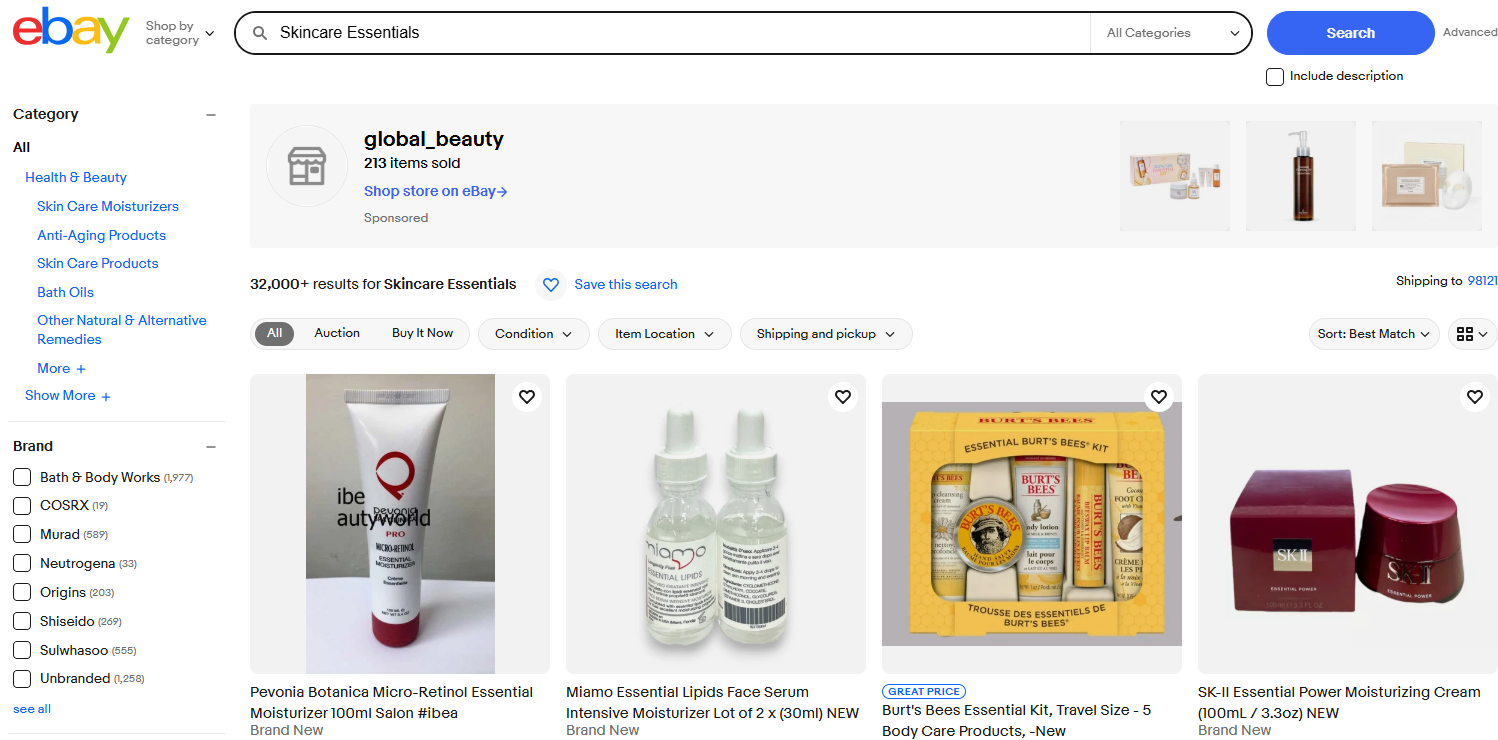
Source:ebay
These remain core sellers in any white label beauty lineup. Products like hyaluronic acid serums, vitamin C treatments, and niacinamide creams continue to trend due to their visible results and broad appeal across age groups.
Why it works: Skincare is universal and recurring. Once customers find a product that works, they reorder often. This makes it a great niche for building customer lifetime value.
Tip: Look for suppliers offering clean label or fragrance-free options, as consumers are prioritizing minimal, skin-friendly formulations.
2.Lip Products (Balms, Glosses, Tints)
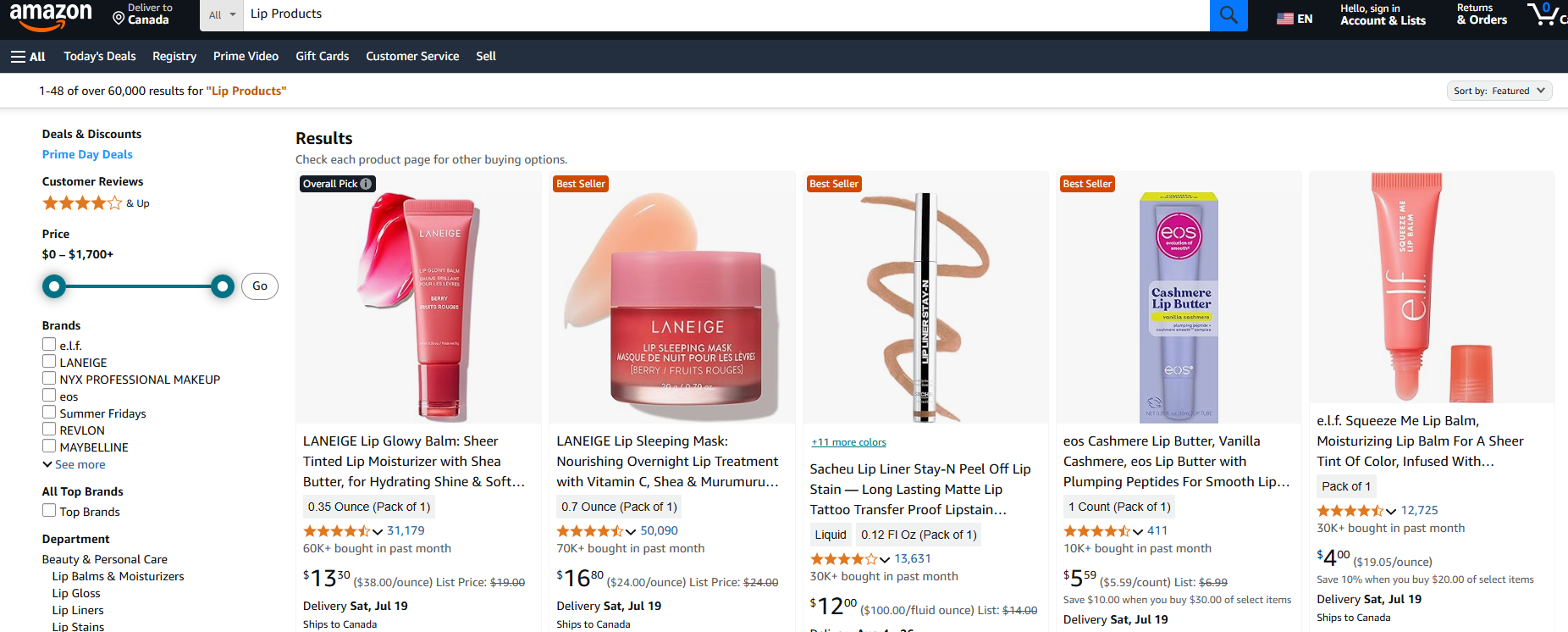
Source:amazon
From sheer glosses to tinted balms, lip products are going viral thanks to TikTok beauty tutorials and "no-makeup makeup" trends. They're affordable, easy to market, and perfect for branding with custom packaging.
Why it works: These are low-cost, high-margin items that are impulse-friendly—ideal for social selling.
Tip: Choose customizable shades or formulas with nourishing ingredients like shea butter or jojoba oil for added appeal.
3.Eye & Brow Products (Mascaras, Liners, Brow Gels)
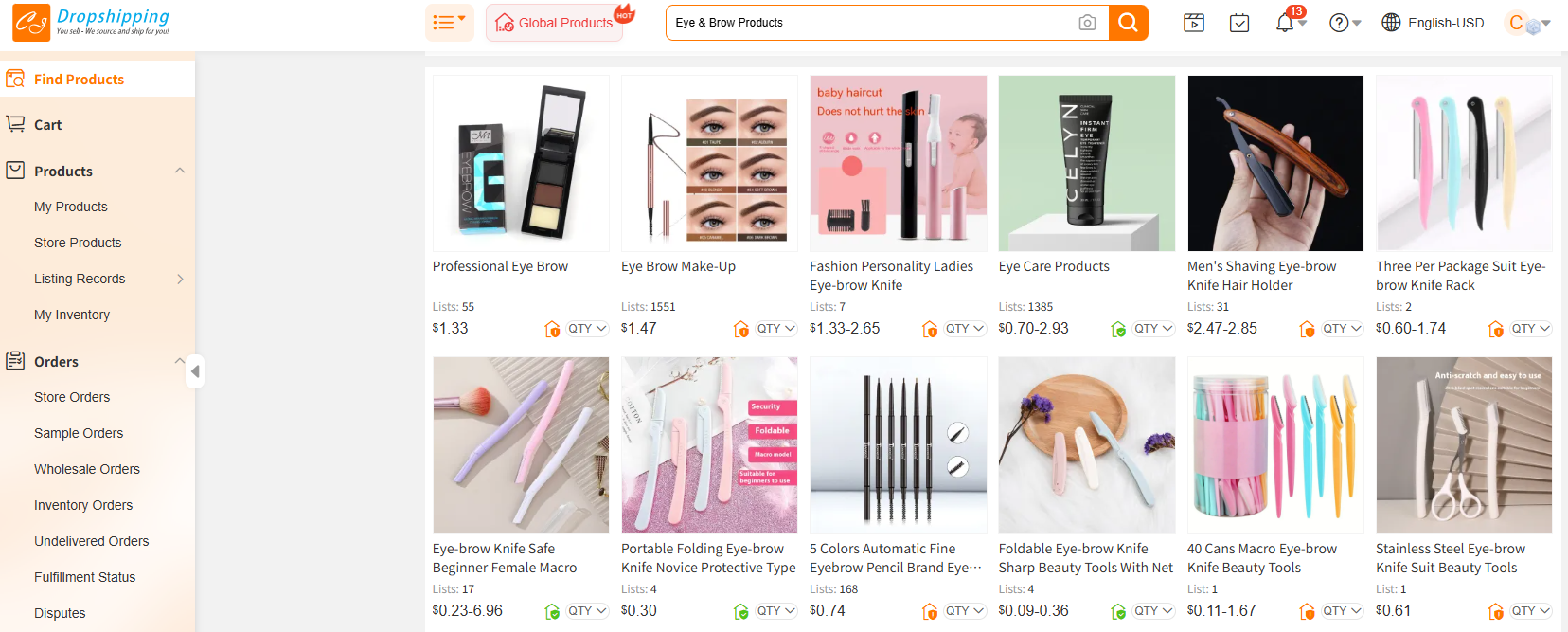
Source:CJdropshipping
Well-defined brows and lashes are still center stage in everyday beauty routines. White label mascaras and brow tints are especially popular among Gen Z users looking for subtle enhancements.
Why it works: These products are highly visual and make for great tutorial content on platforms like TikTok and Instagram.
Tip: Partner with a supplier who provides waterproof or smudge-resistant formulas, as these are frequently searched keywords in beauty.
4.Face Makeup (Foundations, BB Creams, Highlighters)
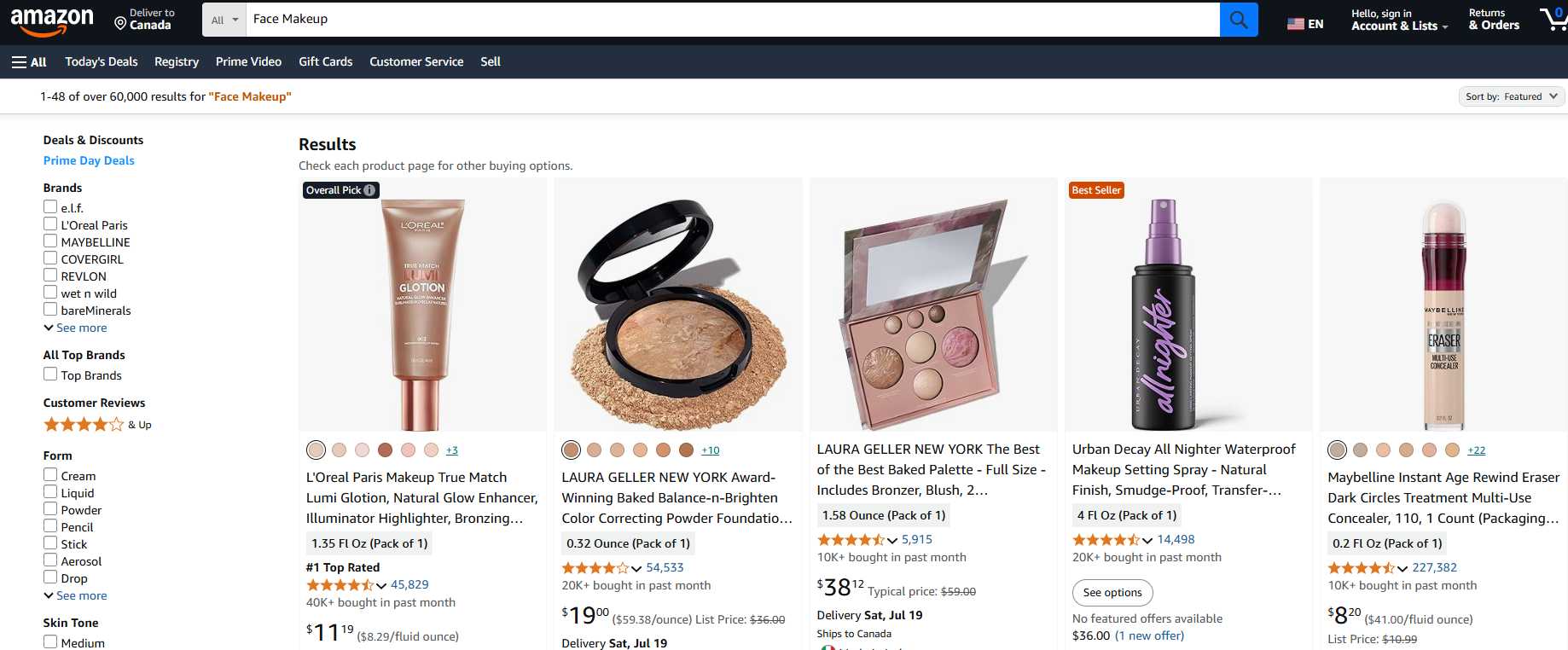
Source:amazon
As customers seek multifunctional cosmetics, white label BB creams and skin tints with SPF or hydration properties are on the rise. These appeal to consumers looking for both skincare and makeup benefits in one.
Why it works: The "skinimalism" trend—favoring lightweight, glow-enhancing products over full-coverage makeup—continues to grow.
Tip: Ensure your supplier offers a diverse shade range to cater to more skin tones, which can be a key selling point.
5.Haircare (Shampoos, Serums, Scalp Oils)
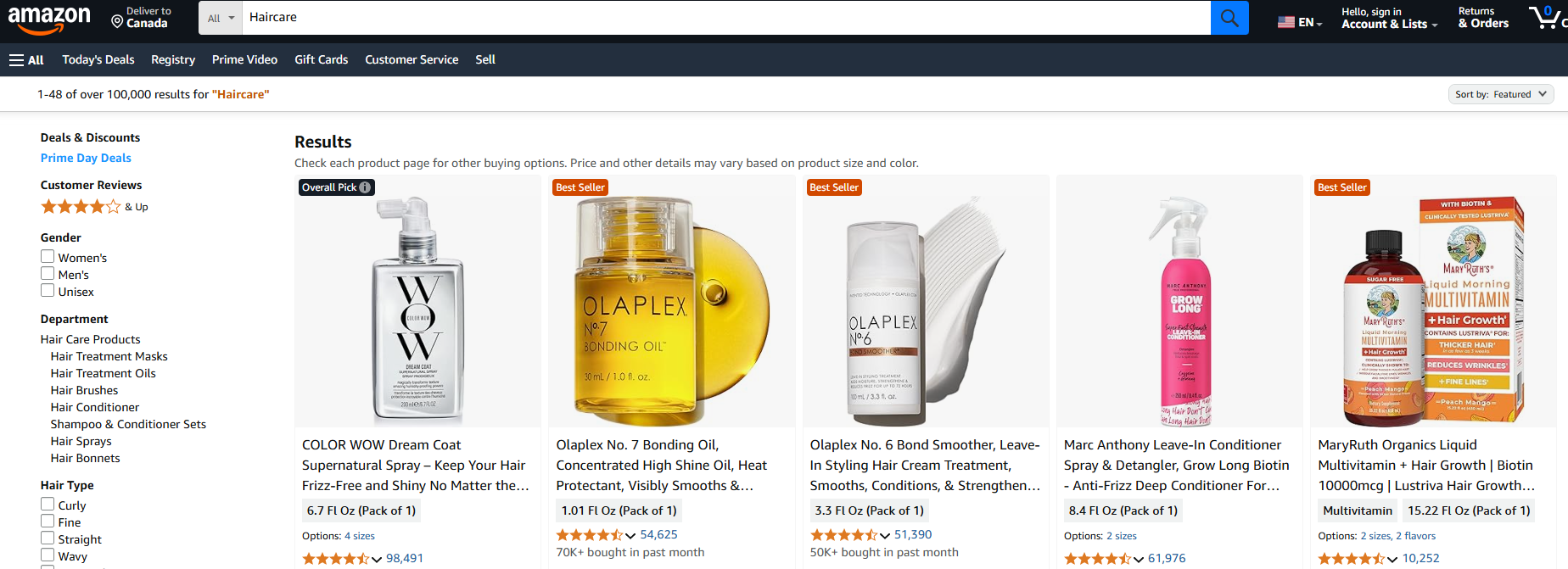
Source:amazon
Scalp health and natural haircare are booming in 2026. Products like rosemary oil scalp treatments and sulfate-free shampoos are trending, especially among eco-conscious buyers.
Why it works: Haircare has shifted from routine maintenance to a wellness category, attracting loyal repeat buyers.
Tip: Offer product bundles like "scalp care kits" or "hydration trios" to boost average order value.
6.Men's Grooming Products
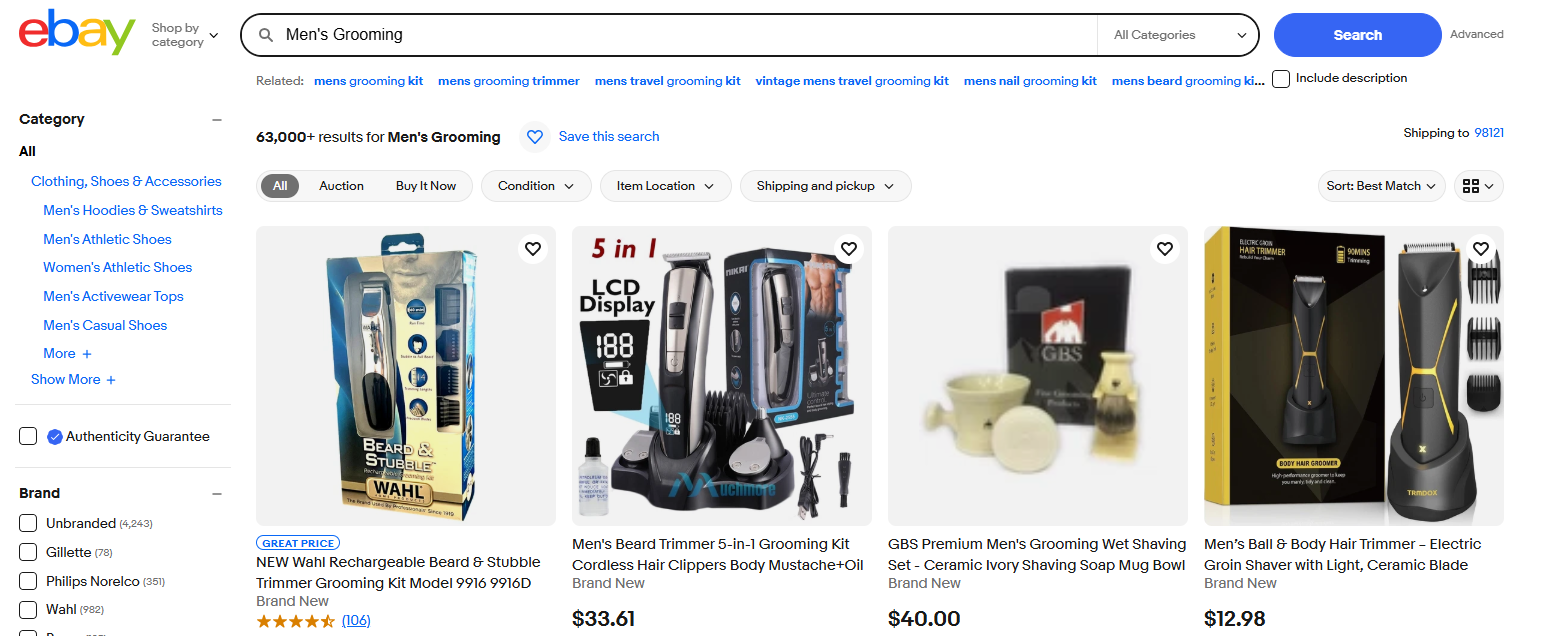
Source:ebay
Men's skincare and grooming is no longer niche—it's mainstream. Products like beard oils, mattifying moisturizers, and anti-aging creams are seeing higher demand.
Why it works: The rise of male influencers in skincare and grooming is normalizing these purchases and making the category more lucrative.
Tip: Go for minimalist packaging and neutral branding to better appeal to male audiences.
7.Eco-Friendly & Sustainable Beauty
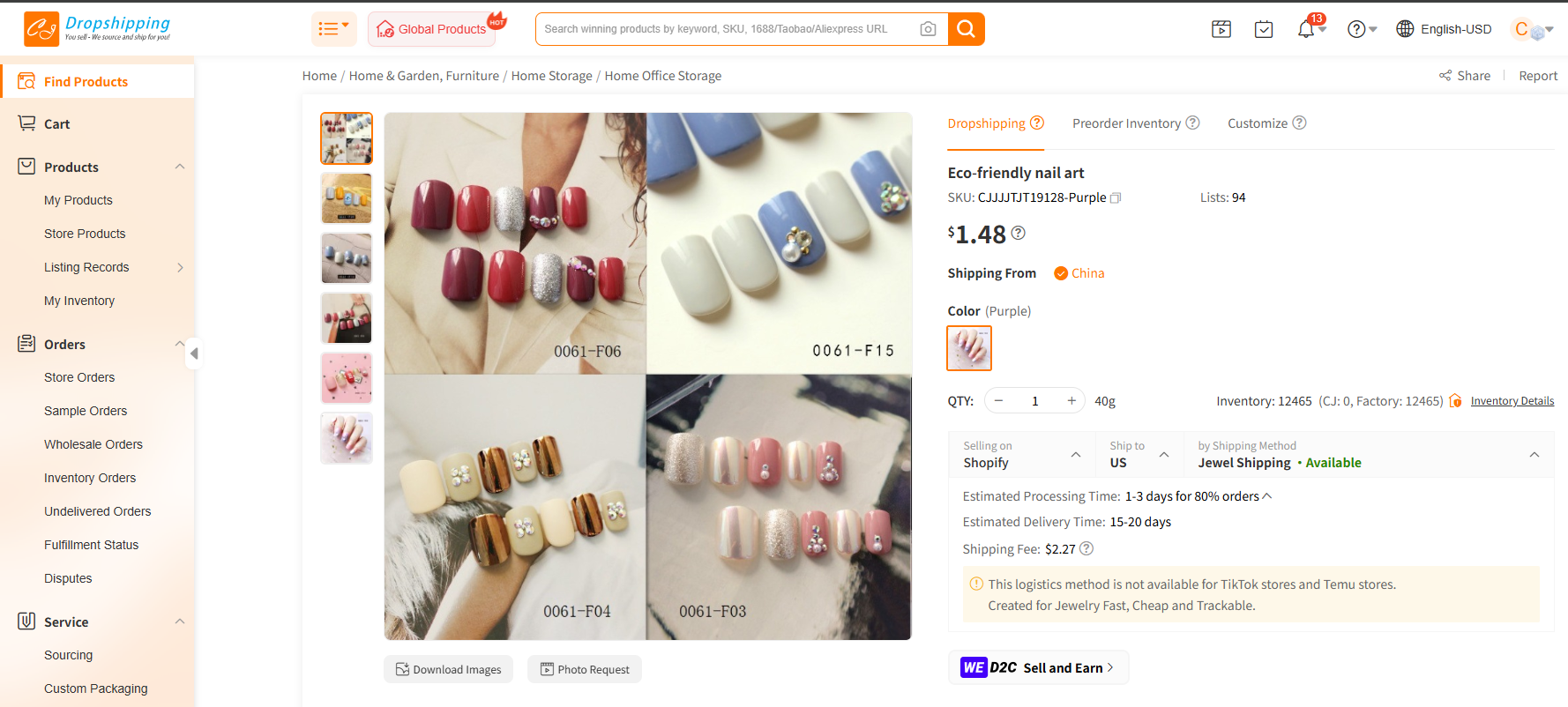
Source:CJdropshipping
Refillable packaging, vegan ingredients, and cruelty-free certifications are now standard expectations for many consumers. Offering a white label line that reflects these values is a smart move.
Why it works: Gen Z and Millennial shoppers are prioritizing sustainability and transparency in beauty purchases.
Tip: Work with suppliers that can provide certifications or use recyclable packaging to align with green marketing strategies.
What Makes a Great White Label Beauty Supplier?
Not all white label suppliers are created equal—especially in the beauty industry, where quality, consistency, and branding flexibility directly affect customer trust. Choosing the right partner is critical to ensuring product performance, market fit, and long-term success.
Here's what sets a great white label beauty supplier apart in 2026:
l Cosmetic-Grade Quality and Ingredient Transparency
Today's beauty buyers are more ingredient-conscious than ever. A great supplier should provide detailed ingredient lists, clear labeling, and safety certifications (such as GMP, FDA, or ISO compliance). This is especially important for skincare products where allergens or irritants can lead to negative reviews and returns.
Why it matters: Transparency builds trust. Products backed by lab testing and safe manufacturing practices increase consumer confidence and brand loyalty.
l Flexible Customization Options
From minimalist glass bottles to bold, colorful palettes, branding is everything in beauty. A strong supplier should offer a wide range of customization—from packaging and labeling to logo printing and even scent or shade adjustments.
Look for: Low minimum order quantities (MOQs), custom packaging support, and sample testing options. These allow you to experiment with your branding and test market response without heavy upfront investment.
l Product Variety Across Trending Categories
Whether you want to launch a full skincare line or just start with lip balms, your supplier should offer scalable variety. In 2026, trending items like serums, BB creams, clean beauty, and men's grooming products should all be part of the catalog.
Why it matters: A wide selection allows you to grow your catalog as your brand gains traction—without needing to switch suppliers.
l Efficient Fulfillment and Global Shipping
Beauty shoppers expect fast delivery and premium unboxing experiences. Choose suppliers with streamlined logistics systems and proven international shipping capabilities.
Bonus: Some platforms offer automatic order syncing and tracking updates across Shopify or other e-commerce platforms—great for saving time and reducing errors.
l Regulatory Knowledge and Compliance Support
Each region (e.g. US, Europe, Southeast Asia) has different compliance regulations around ingredients, labeling, and marketing claims. A good supplier should have experience navigating these requirements—or better yet, provide compliant formulations ready for your target market.
Why it matters: Staying compliant protects your store from legal complications and ensures smoother customs clearance when shipping overseas.
l Marketing-Friendly Assets and Branding Guidance
Some suppliers go beyond just sending products—they also support your launch. Look for those who offer product photos, ingredient explanations, or tips for positioning products effectively on social media and in ads.
This is especially useful if you plan to run TikTok, Instagram, or influencer-based campaigns, where visual appeal and clear benefits drive conversion.
Top 10 White Label Beauty Products Dropshipping Suppliers for 2026
CJdropshipping
Blanka
Supliful
Spocket
AOP+ (All Over Print)
Modalyst
Dropified
Essations
GreenDropShip
Beauty Joint
1. CJdropshipping
Overview:
CJdropshipping has grown into a versatile sourcing and fulfillment platform with strong capabilities in the beauty sector. The platform is especially valuable for entrepreneurs looking to explore white label opportunities without managing production or inventory themselves.
Special Features:
- Offers custom product sourcing for skincare, cosmetics, and personal care items
- Integrated with Shopify, eBay, WooCommerce, AliExpress, Temu, ShopLazza, AllValue, Lazada, TikTok Shop, Nuvemshop, Mercado, WED2C, and Shopee.
- Print-on-demand and custom branding for packaging, labels, and inserts
- Supports automatic order fulfillment and tracking syncGlobal delivery with US and EU shipping lines
Best For:
Sellers who want to quickly test and scale custom beauty product ideas without upfront inventory commitments.
Limitations:
Because of its broad product coverage, it may take time for new users to navigate the full range of beauty SKUs and understand the best customization options available.
2. Blanka
Overview:
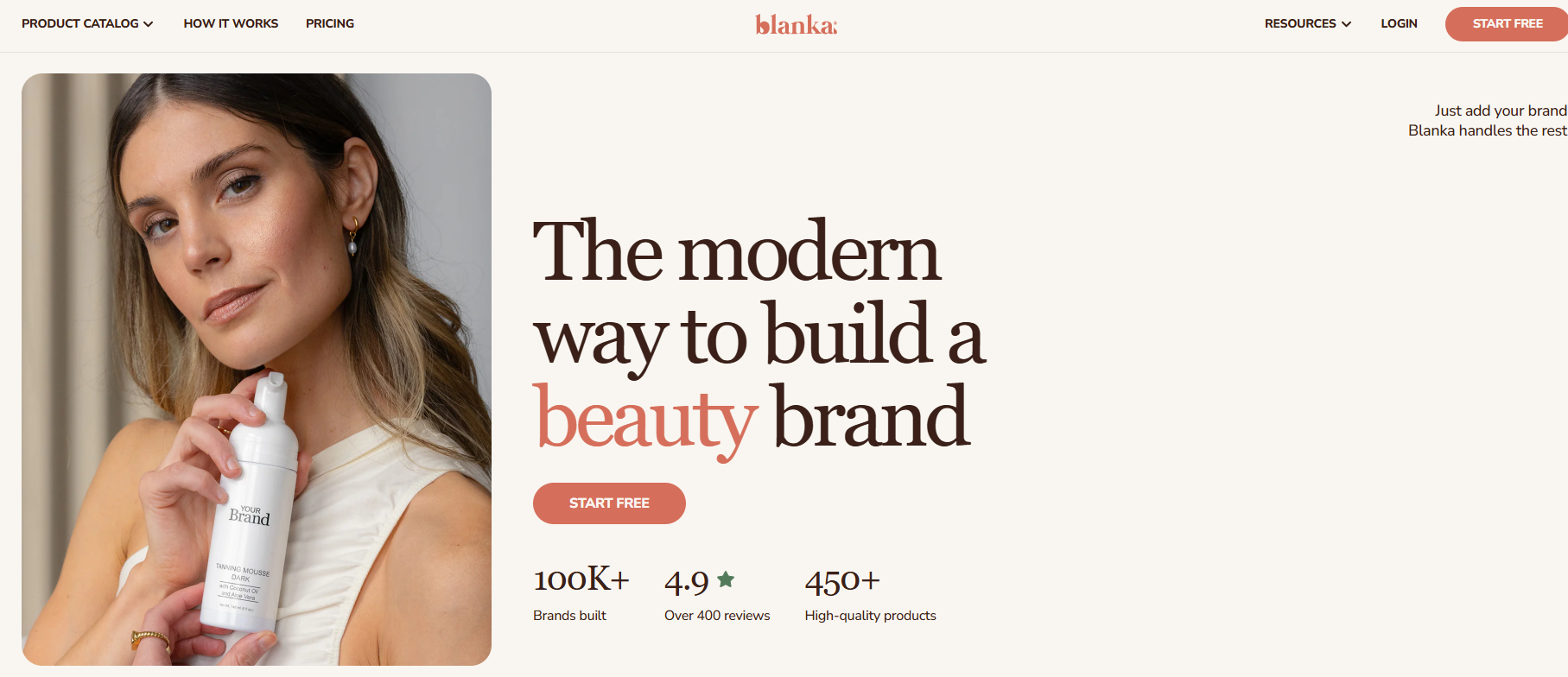
Blanka is a North America-based platform specializing in private label cosmetics and skincare for dropshippers. It focuses on ready-made formulas that can be branded with your own logo.
Special Features:
- Low minimum order quantities (starting at 10 units for branding)
- Custom-branded makeup, skincare, and lash products
- Seamless integration with Shopify
- Made in North America, cruelty-free and clean ingredients
Best For:
Entrepreneurs targeting the premium beauty niche and looking for high-quality formulations with fast white labeling options.
Limitations:
Shipping outside North America can be slower and more costly.
3. Supliful
Overview:
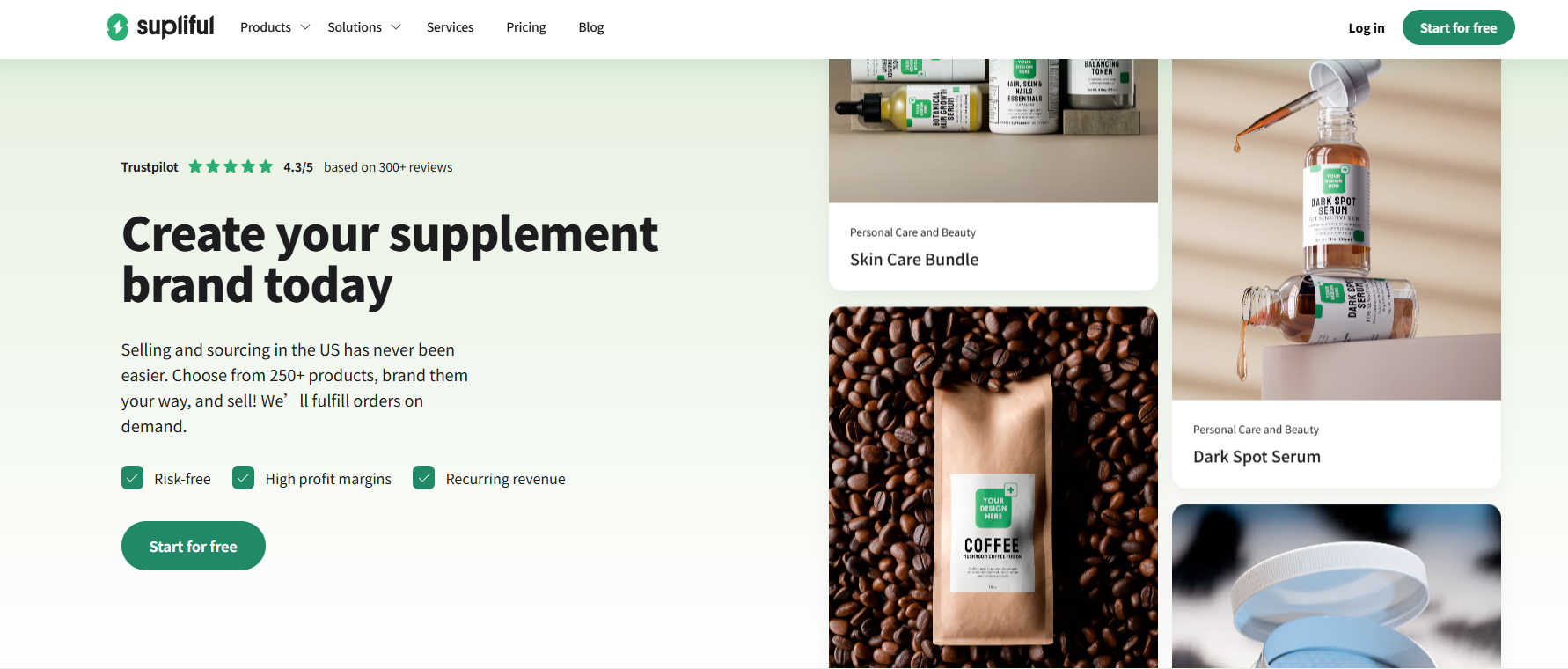
Supliful specializes in health, wellness, and personal care white label dropshipping. While known for supplements, it has expanded into self-care and grooming products.
Special Features:
- Offers custom labeling on skincare, supplements, and grooming items
- Ships from the US with fast delivery options
- No upfront inventory costs
- Strong focus on product aesthetics and market-ready packaging
Best For:
Fitness or wellness brands branching into skincare or bath and body products.
Limitations:
Currently limited to US-based shipping and Shopify store integrations only.
4. Spocket
Overview:
Spocket connects store owners with dropshipping suppliers based in the US and Europe. It emphasizes vetted quality and fast shipping, making it ideal for higher-end white label beauty items.
Special Features:
- Mostly US and EU suppliers
- Fast shipping, often within 3–7 days
- Integrates with Shopify, Wix, BigCommerce
- Branded invoicing and order tracking
Best For:
Dropshippers seeking premium skincare, haircare, or eco-friendly bath products with local fulfillment.
Limitations:
Higher prices and fewer product customization options compared to Asia-based platforms.
5. AOP+ (All Over Print)
Overview:
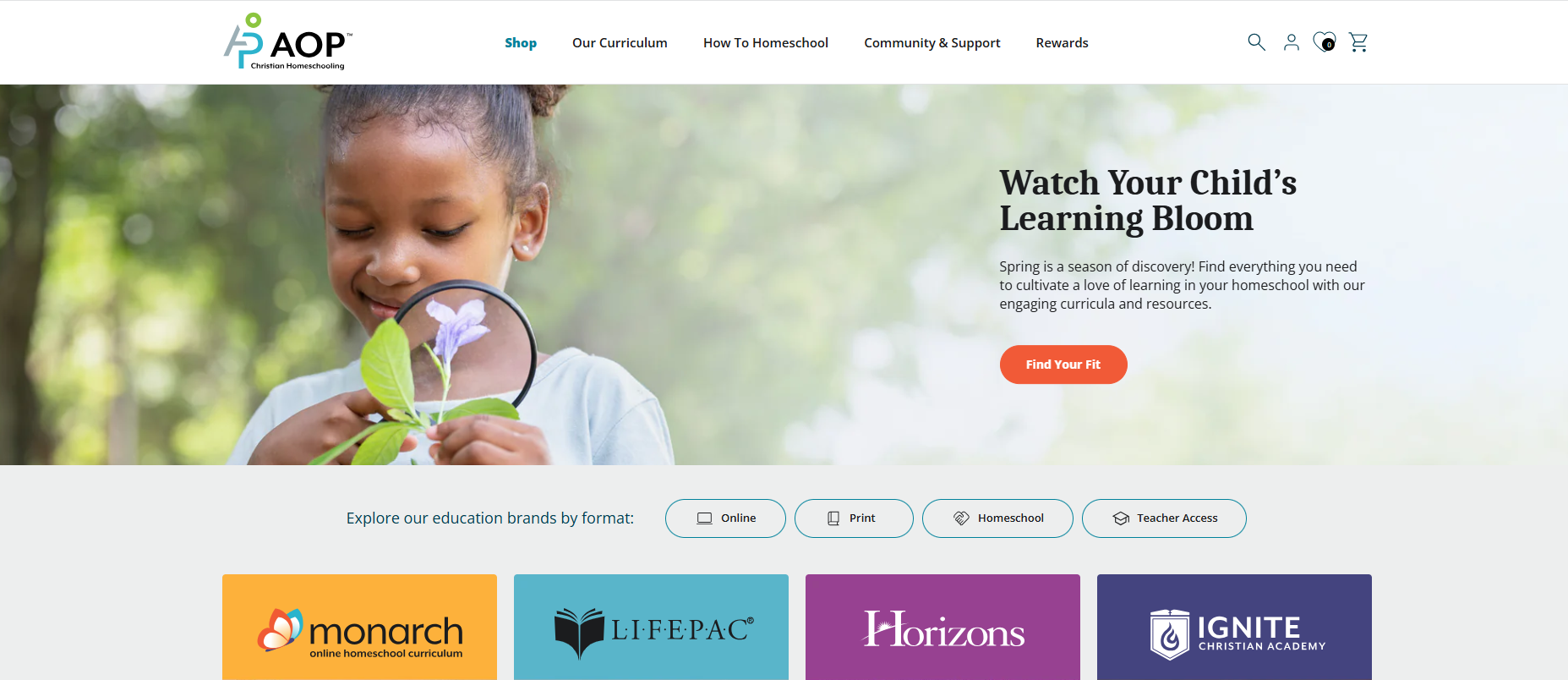
AOP+ is known for print-on-demand products, but it also offers white label beauty lines like essential oils, soaps, and skincare.
Special Features:
- UK-based fulfillment with global shipping
- Offers handmade beauty items with custom branding
- Eco-conscious packaging available
- Shopify and Etsy integrations
Best For:
Sellers wanting to combine wellness or natural product themes with a strong brand identity.
Limitations:
More suited for handmade or natural aesthetic brands; catalog size is smaller than traditional beauty suppliers.
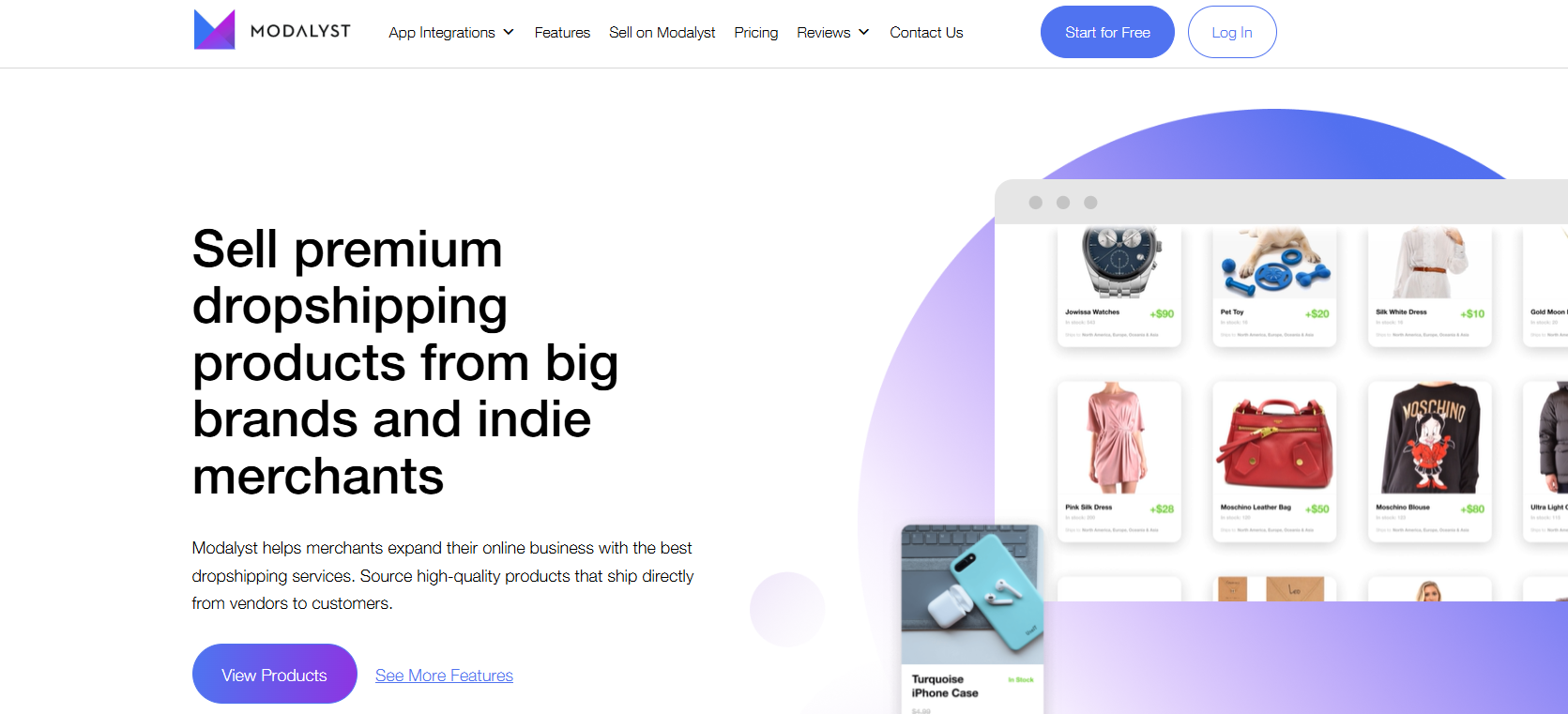
6. Modalyst
Overview:
A well-established dropshipping platform offering access to US and global suppliers across multiple categories, including beauty.
Special Features:
- Offers a wide range of white label beauty and wellness products
- Syncs directly with Shopify and BigCommerce
- Built-in branding features like custom packaging and logos
- Trusted by large numbers of new e-commerce stores
Best For:
Beginner-friendly platform with easy onboarding for sellers entering the beauty space.
Limitations:
The best white label features require a premium subscription.
7. Dropified
Overview:
Dropified offers a custom-branded product line feature called "Private Label on Demand," which includes a limited range of beauty and wellness products.
Special Features:
- Low MOQ for private label options
- US-based fulfillment with fast shipping
- Dedicated automation for Shopify and WooCommerce
- Custom labels, bottles, and product imagery
Best For:
Niche beauty brands focusing on creams, oils, and health supplements.
Limitations:
Product catalog is not as large or diverse as traditional beauty-dedicated suppliers.
8. Essations
Overview:
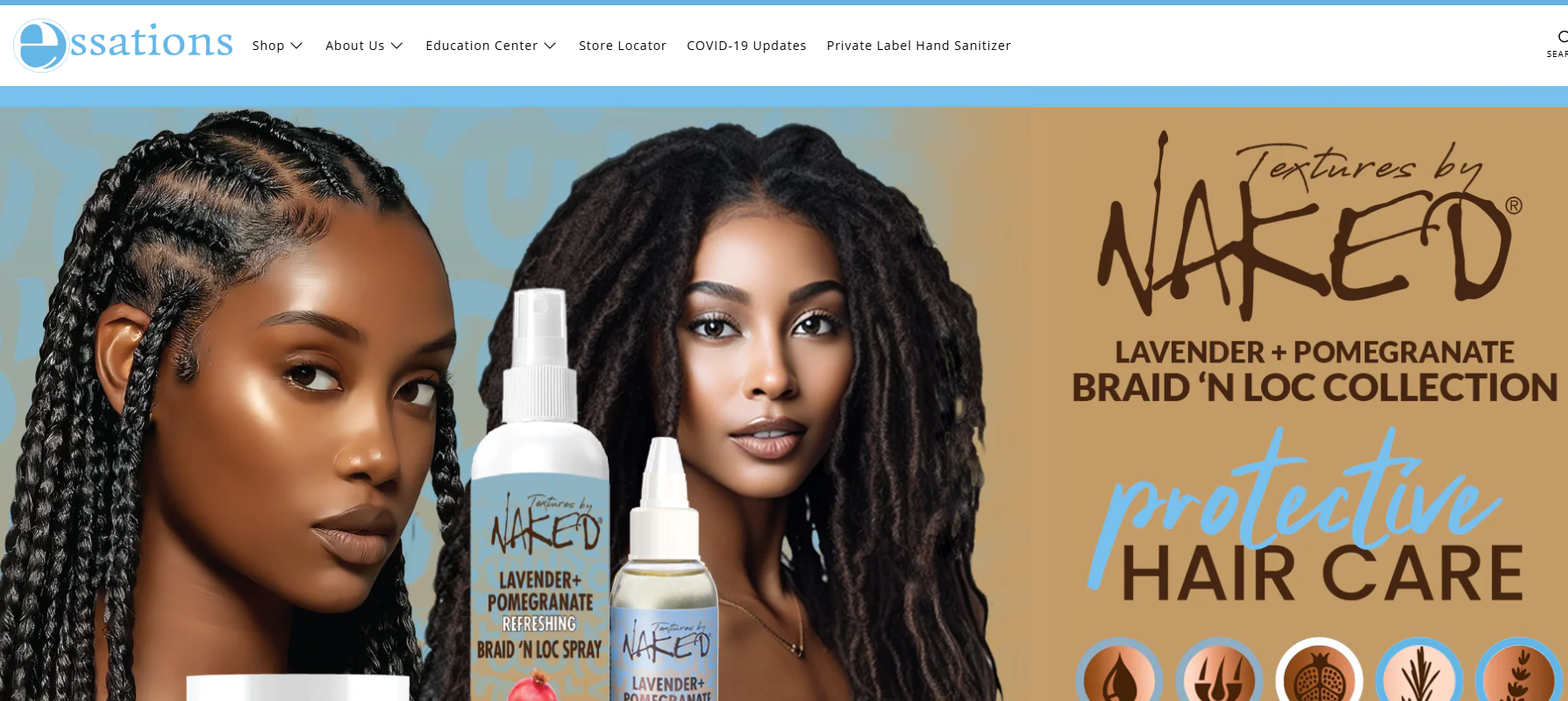
Essations is a veteran beauty manufacturer offering private label haircare and skin products. While not a dropshipping platform per se, it offers white label and low-MOQ programs with fulfillment services.
Special Features:
- Decades of experience in ethnic haircare and skincare products
- Custom branding and low minimum orders
- Domestic US shipping with professional packaging options
Best For:
Salon brands or influencers focused on haircare and treatment products.
Limitations:
Requires more involvement in initial setup and shipping arrangements.
9. GreenDropShip
Overview:
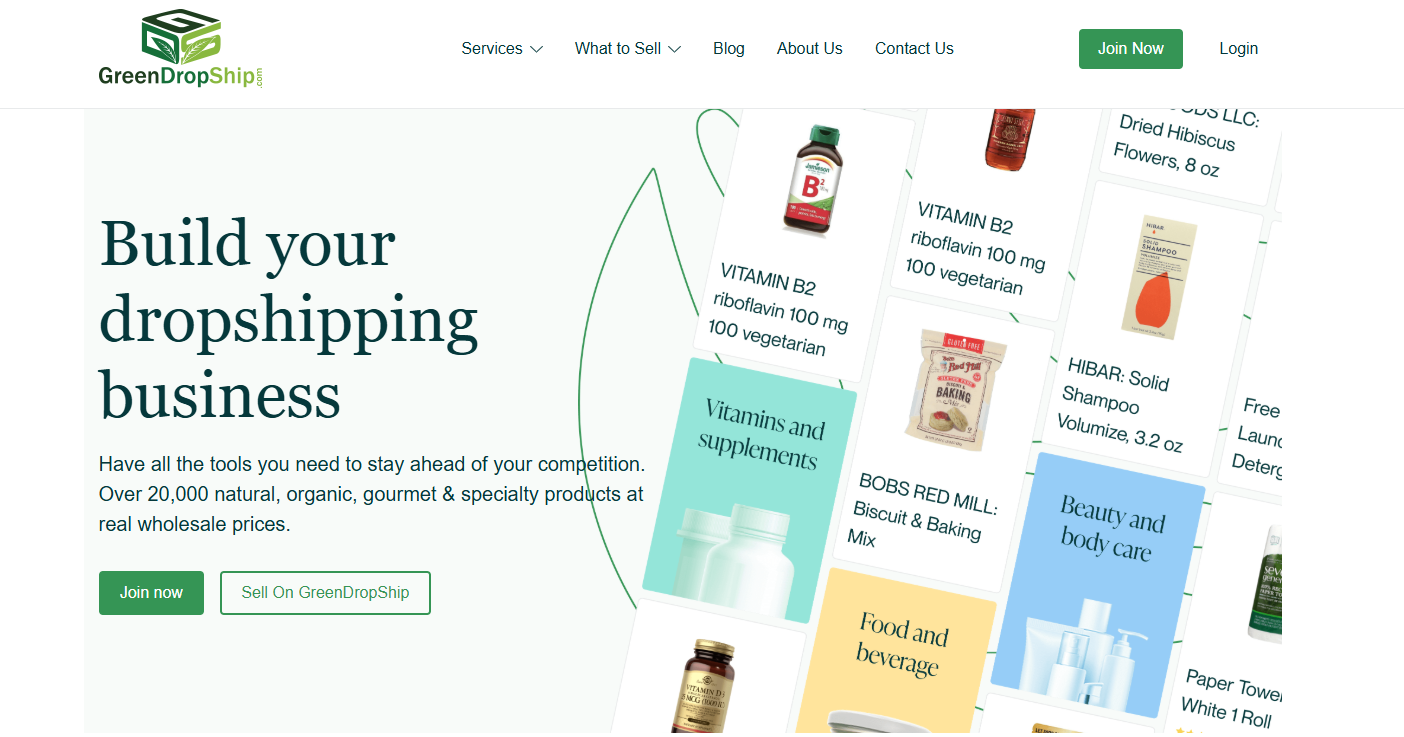
GreenDropShip focuses on natural, organic, and eco-conscious brands, including personal care and wellness categories.
Special Features:
- Access to natural beauty brands with white label agreements
- US warehouse fulfillment
- Focus on cruelty-free and eco-friendly formulations
- Integrates with Shopify and WooCommerce
Best For:
Sellers building a clean beauty brand that emphasizes sustainability.
Limitations:
Fewer custom formulation options; better suited for reselling branded goods with white label elements.
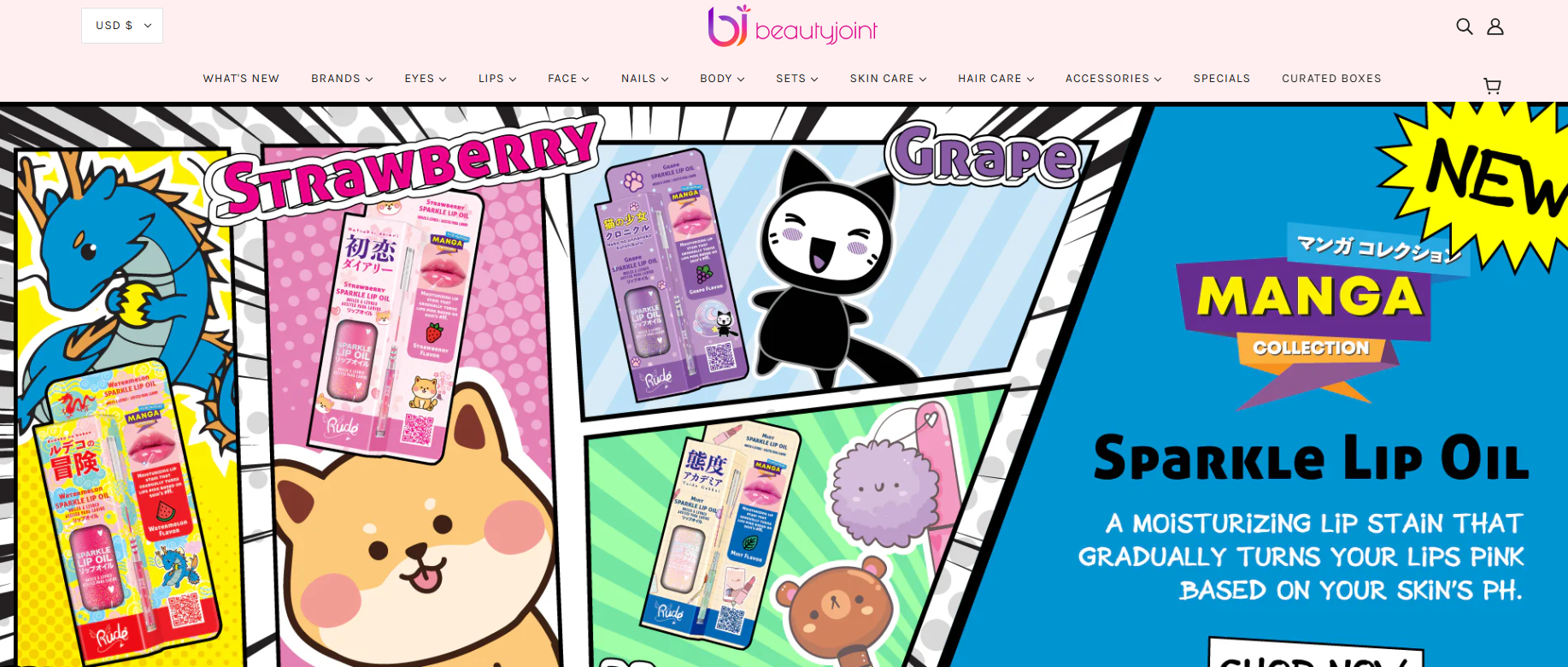
10. Beauty Joint
Overview:
Beauty Joint is a wholesale distributor that allows dropshipping of well-known beauty brands and private label options. Based in the US, it caters to global retailers.
Special Features:
- Wholesale beauty brand catalog plus private label options
- Ships worldwide with fulfillment options
- Offers cosmetics, skincare, and K-beauty categories
Best For:
Retailers targeting younger audiences or fans of trending international beauty products.
Limitations:
Not fully automated; sellers need to handle order syncing manually or through third-party tools.
How to Launch a White Label Beauty Brand with Dropshipping?
Starting a white label beauty brand with dropshipping in 2026 is more achievable than ever—especially with the right approach and tools. Unlike traditional cosmetic businesses, dropshipping allows you to launch your brand without managing inventory, handling warehousing, or dealing with bulk manufacturing upfront. Here's how to go from idea to launch step-by-step:
Step 1: Define Your Brand Identity
Before sourcing any product, get clear on your brand's positioning. What will your beauty line stand for—clean skincare, glam makeup, minimalist self-care, or natural wellness?
Choose your niche: For example, anti-aging skincare for mature women, vegan cosmetics for Gen Z, or men's grooming essentials.
Craft your story: Consumers in 2026 expect more than just good packaging. Tell a story that aligns with their values—sustainability, efficacy, or inclusivity.
Design your brand assets: Name, logo, color palette, packaging vibe. These can all be customized through your white label supplier.
Step 2: Select the Right Product Range
Start small, but strategic. Choose 3–5 hero products that reflect your brand and solve a specific problem.
Focus on trending, consumable items with high repurchase potential, such as serums, cleansers, or lash-enhancing products.
Check for ingredients and certifications—clean, cruelty-free, or organic claims should match customer expectations and market regulations.
Use platforms like CJdropshipping to explore a wide selection of white label beauty products and submit custom sourcing requests if you have a specific formulation in mind.
Step 3: Choose a Reliable Supplier
A strong supplier is the backbone of your brand. Look for:
Custom branding support (label printing, packaging design)
Automatic fulfillment and tracking sync
Platform integrations (Shopify, WooCommerce, Shopee, Lazada, etc.)
Flexible MOQs to test products without bulk orders
*CJdropshipping is a solid option here. The white label services include sourcing, private branding, and end-to-end fulfillment—all synced directly with your store platform for hands-off operations.

Step 4: Create a Storefront That Converts
Your website or marketplace store needs to communicate trust and quality:
Highlight benefits over features ("glowing skin in 7 days" vs. "contains niacinamide")
Use real UGC, before-and-after shots, and testimonials if possible
Offer clear shipping, return, and refund policies
If you're launching on Shopify, use beauty-focused themes and apps for reviews, bundling, and personalized recommendations.
Step 5: Market Like a Modern Beauty Brand
Success hinges on smart, authentic marketing—not big ad budgets.
Leverage TikTok, Instagram Reels, and YouTube Shorts for product demos, unboxings, and skincare routines
Collaborate with micro-influencers and creators who share your brand values
Offer first-time buyer discounts, bundle deals, and subscription options
Keep your tone conversational and aspirational—people want to connect emotionally with beauty brands, not just buy from them.
Final Tips: Build a Trusted Brand, Not Just a Store
In the world of white label beauty, success doesn't come from simply adding trending products to a website—it comes from building trust, consistency, and emotional resonance with your audience.
In 2026, consumers are more selective than ever. They care about ingredients, transparency, packaging sustainability, and the values behind the brand they support. This means dropshipping a white label beauty line isn't just a logistical business—it's a brand-building journey.
To stand out:
Focus on long-term product-market fit, not short-term hype. Choose products that align with your niche and can build repeat purchase behavior over time.
Invest in your customer experience—from fast shipping and beautiful packaging to responsive support and authentic communication.
Keep testing and iterating. Whether it's updating your formulations, refreshing visuals, or trying new campaign angles, treat your brand like a living, evolving project.
Working with suppliers that understand this shift is key. Some platforms—like those offering sourcing, product development, and full automation—are particularly well-suited for entrepreneurs who want to scale without giving up control. Look for partners that not only fulfill orders but actively help you craft a better customer journey.
The beauty niche is emotional, aspirational, and visual—everything that lends itself well to storytelling. So build a brand that connects, not just converts. Over time, it's this foundation that turns first-time shoppers into loyal fans, and products into a brand that people genuinely love.