
There was a time when people liked to believe shopping was mostly rational. You needed a lamp, so you bought a lamp. You needed a notebook, so you picked one that was cheap and practical. That story still sounds tidy, but it no longer explains how a great deal of real purchasing happens, especially among younger consumers. More and more often, people are not buying only for function. They are buying for relief, identity, ritual, comfort, surprise, aesthetics, and a tiny burst of delight in the middle of an overstimulated day.
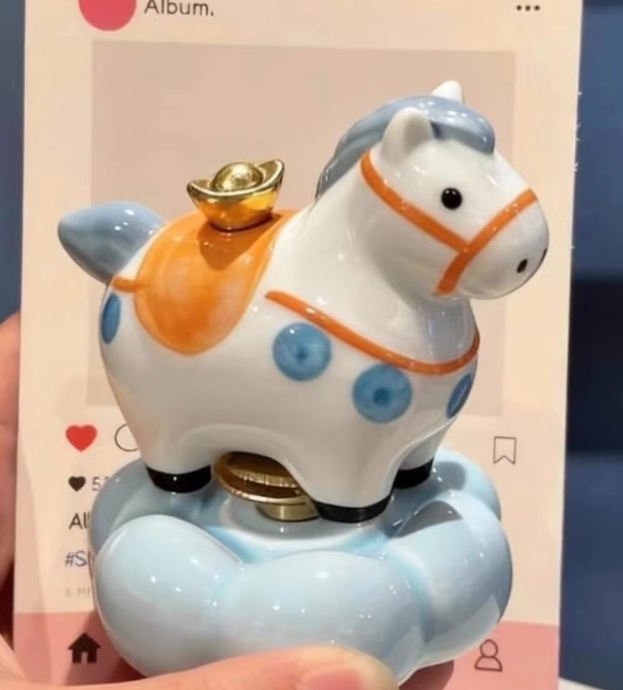
That is the real territory of emotion-driven products.
These are the products that answer a feeling before they answer a need. They are the plush charm clipped to a work bag, the blind box opened after a stressful afternoon, the oddly cute desk toy that turns a boring office into a friendlier place, the scented candle that creates a sense of evening calm, the miniature projector that makes a bedroom feel cinematic, the sticker pack that makes a planner feel like a life. Their practical value is often secondary. Their emotional value is the reason they sell.
By 2026, this kind of consumption is not a niche behavior. It has become one of the clearest signals in youth retail culture. In China, coverage of “emotional consumption” has described it as a major outlet for stress relief, self-expression, and everyday happiness among young people. Public trend reporting on Chinese consumer behavior in 2026 also points to a more blended pattern of “rational + emotional spending,” where people are careful with money overall but still willing to pay for small moments of joy. Outside China, other trend reports are reaching a similar conclusion in different language: Gen Z may cut back on broad discretionary spending, yet still splurge selectively on meaningful, identity-rich, emotionally rewarding purchases.
That combination matters. Young consumers are not becoming less thoughtful. In many cases, they are becoming more selective. They are spending less casually and feeling more intensely about where their money goes. A product now has to do more than work. It has to feel right. It has to look shareable. It has to fit a mood, a micro-identity, or a social ritual. It has to justify itself not only in utility, but in emotional return.
And once you understand that shift, a surprising number of current market phenomena begin to make sense.
The rise of blind boxes makes sense. The return of plush toys for adults makes sense. The popularity of “small treat culture” makes sense. The growth of collectible charms, cozy room accessories, desktop therapy toys, cute stationery, fragrance products, and miniature lifestyle objects all make sense. These are not random fads. They are connected responses to the same larger environment: digital saturation, economic caution, social pressure, loneliness, creator-led taste formation, and the search for controllable pleasures.
This is also why Yiwu matters so much to the conversation.
For anyone in sourcing, e-commerce, or product development, Yiwu is not simply a city in Zhejiang. It is a live sensor for mass-market desire. Yiwu’s trade ecosystem has become famous for speed, flexibility, and density. The Yiwu International Trade Market houses nearly 80,000 booths and more than 2.1 million types of commodities, with trade ties reaching 233 countries and regions. In 2025, Yiwu’s foreign trade reached a record high, and by early 2026 reporting continued to frame the city as the world’s largest small-commodities market and a fast-moving engine for export-oriented consumer goods.
That scale matters because emotion-driven products are often exactly the sort of goods Yiwu is built to surface and move: small, giftable, visual, trend-sensitive, highly merchandisable items with low to medium ticket prices. If traditional retail asks, “What category is this?” Yiwu often asks something more commercially useful: “Can this catch attention, travel well, and turn fast?” When a crying horse toy, a novelty charm, a desk figurine, or a cute home object goes viral, Yiwu’s factories, traders, and sourcing networks can often respond quickly. Recent coverage of Yiwu has even highlighted the city’s fast reaction to sudden internet demand around a viral “crying horse” toy, which says a lot about how tightly small-product supply now tracks online emotion.
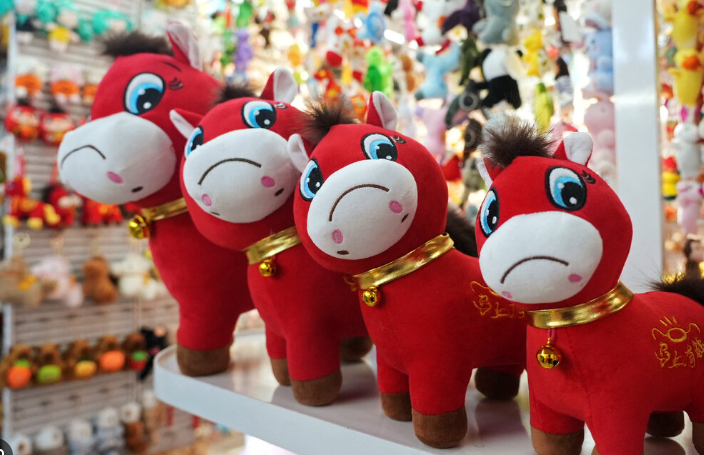
For the same reason, dropshipping has found such a natural alliance with emotion-driven products. In its simplest form, dropshipping strips away the need for a brand to hold large inventories upfront. That makes it especially attractive in categories defined by fast-moving aesthetics, creator influence, and short attention cycles. Products that sell because they are adorable, weird, soothing, giftable, ironic, cozy, or collectible often do not begin with deep functional demand forecasting. They begin with a feeling, a signal, a burst of social proof. A creator posts one clip. A colorway catches on. A micro-trend appears on TikTok or Xiaohongshu. Suddenly the product has a window. In that window, speed beats certainty.
That is why emotion-driven categories map so well to modern low-friction commerce. They are ideal for testing. They are ideal for bundle strategies. They are ideal for impulse-friendly landing pages and short-form video. They are ideal for A/B testing in creative. They are ideal for niche storefronts that position themselves around mood rather than category: “dopamine desk,” “soft life essentials,” “healing corner,” “cute commuter things,” “little luxuries under $20,” “anti-bad-day shop.”
But the model works only when the seller understands the emotional mechanism, not just the item.
A random plush keychain is not a business. A plush keychain attached to a story about commuting fatigue, bag styling, collectible drops, limited runs, and campus social signaling might be.
A candle is not a trend. A candle positioned as a Sunday reset ritual, dorm-safe ambiance, or post-work decompression aid might be.
A blind box is not just packaging. It is suspense, reward chemistry, display culture, and community conversation in physical form.
That distinction is where many sellers still get it wrong. They source a product because it looks trendy, but they market it like a commodity. Emotion-driven products do not perform best when they are sold like hardware. They perform best when they are sold like mood tools.
What Are Emotion-Driven Products?
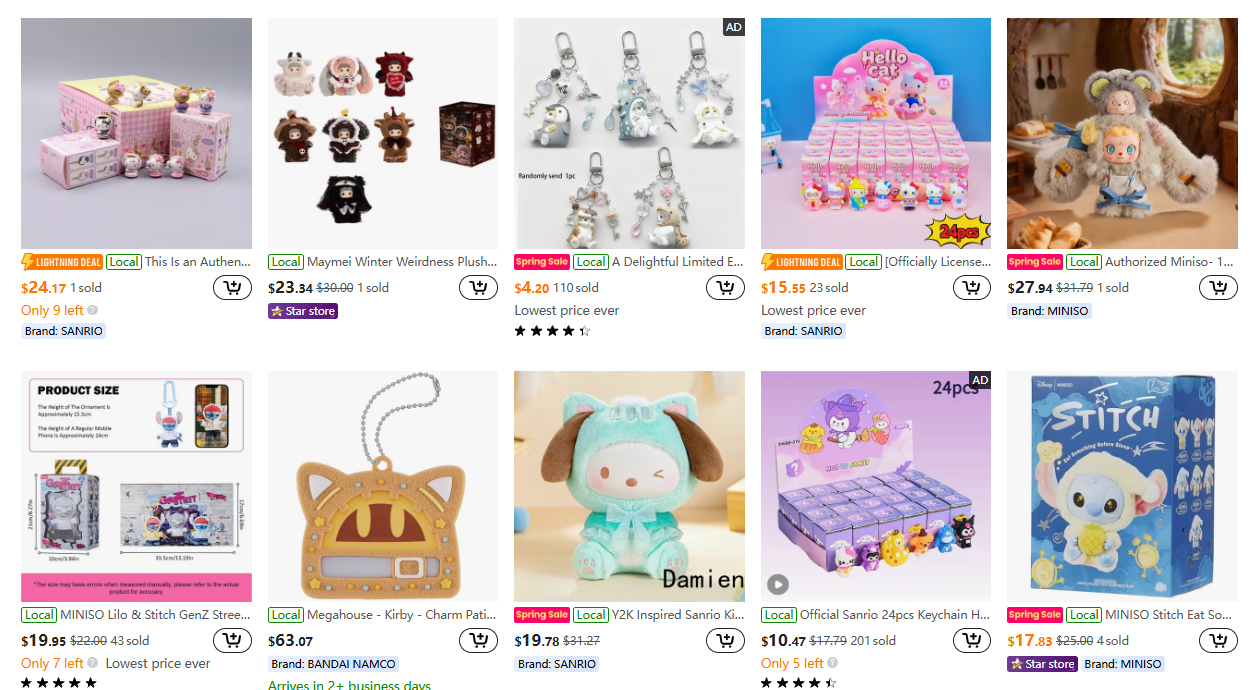
Emotion-driven products are products purchased primarily for their emotional payoff rather than their core utility. They may offer comfort, surprise, nostalgia, playfulness, aesthetic pleasure, stress relief, or a sense of belonging.
These products often share a few common traits. They are visually appealing. They are easy to understand quickly. They create an immediate emotional response. They are often giftable, collectible, or social-media-friendly. And they usually fit into daily routines in a small but meaningful way.
Examples include:
-
Blind box collectibles
-
Plush bag charms
-
Scented candles
-
Cozy desk accessories
-
Cute stationery
-
Mini ambient lamps
-
Personalized trinkets
-
Decorative home items
-
Self-care bundles
-
Fidget and stress-relief toys
What makes them powerful is that they answer emotional needs that traditional product categories often ignore. In an era of stress, overstimulation, and uncertainty, people increasingly want products that offer not just use, but relief.
Why Emotion-Driven Products Are Even Hotter in 2026
To understand why these products are even more popular in 2026, it helps to start with a paradox. Many young consumers feel financially constrained, but emotionally they still want richness in daily life. They may not be buying homes. They may not be comfortable with large luxury spending. They may even be reducing spend in broad categories. Yet they continue to carve out room for products that provide symbolic comfort, identity reinforcement, and manageable indulgence. PwC’s 2025 analysis described Gen Z as spending less overall while still expecting more, and McKinsey similarly noted that younger consumers do not feel financially secure but remain willing to splurge selectively.
This is where emotion-driven products become powerful. They are often small enough to feel affordable and meaningful enough to feel justified. They fit the emotional logic of “I can’t have everything, but I can have this.”
That logic is intensified by three conditions shaping youth culture in 2026.
The first is stress. Reporting on emotional consumption in China has linked the trend directly to pressure, loneliness, and the need for emotional release, with young adults especially likely to pay for products that deliver emotional value. Broader youth mental health reporting in 2025 also showed substantial stress among Gen Z and high demand for effective coping mechanisms.
The second is the search for micro-rituals. Recent trend work across consumer categories has emphasized how small rituals now matter more than ever. In food, for example, 2026 trend reporting highlighted “emotional economics” and the appeal of tiny acts that restore a sense of agency and pleasure. In market research on Gen Z snacking, indulgence appears less as a grand splurge than as small daily joy. This logic carries seamlessly into non-food goods: a desk trinket, a tiny fragrance, a mystery bag charm, a sticker drop, a bedside lamp, a pocket plush. They are all forms of micro-ritual purchasing.
The third is social visibility. In 2026, products are no longer just bought to be used. They are bought to be displayed, posted, clipped, lined up, photographed, traded, and talked about. A large portion of value now comes from the product’s life after purchase: how it appears in a mirror selfie, how it looks on a shelf, how it personalizes a workspace, how it sparks comments in a group chat, how it signals taste without requiring a major budget. The line between object and content has become very thin.
This is especially obvious in collectible culture. Pop Mart’s 2025 interim report is one of the clearest signals of how strong this space has become. The company reported first-half 2025 revenue of RMB 13.876 billion, up 204.4% year over year, with Asia Pacific revenue up 257.8% and the Americas up 1,142.3%. In the same period, 13 artist IPs generated more than RMB 100 million each, while THE MONSTERS, MOLLY, SKULLPANDA, CRYBABY, and DIMOO all crossed the billion-renminbi level. The report also says Labubu, part of THE MONSTERS family, became one of the world’s most sought-after IPs in the first half of 2025, and that the third-generation LABUBU vinyl plush launch ignited a global phenomenon.
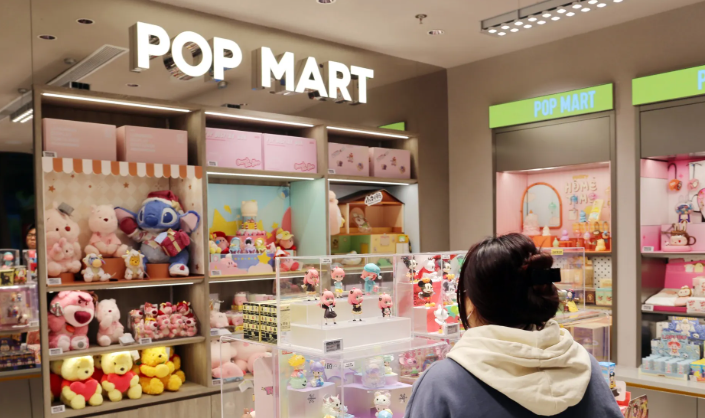
This is not the growth profile of a fad surviving on irony alone. It reflects a broader cultural appetite for emotionally resonant, surprise-based, display-friendly products.
At the same time, retailers like MINISO have also been leaning harder into IP and collectible culture. The company’s 2025 June-quarter announcement said TOP TOY brand revenue increased 87.0%, which is a strong indication that collectible, trend-sensitive categories remain important growth engines inside value-oriented retail. Trade coverage in 2025 also pointed to MINISO’s rapid blind box design output and strong sales generated by vinyl plush blind box series.
When you put all of that together, the 2026 picture becomes clear. Young consumers are not buying emotion-driven products because they are frivolous. They are buying them because daily life feels heavy, attention is fragmented, budgets are real, and joy needs to be portable.
Yiwu: Where Emotion Becomes Inventory
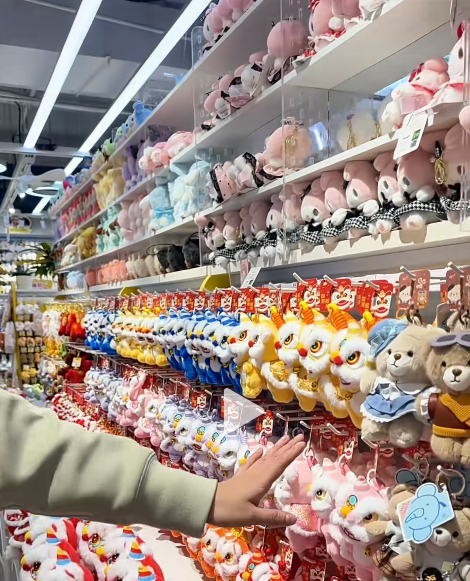
If emotion-driven retail has a supply-side capital, Yiwu makes a strong case for the title.
The city’s role in global small-commodity sourcing is already well known. The official online portal Yiwugo describes itself as the online wholesale market of the Yiwu commodity trade ecosystem, while public reporting continues to emphasize Yiwu’s unmatched breadth in low-cost consumer goods. Xinhua’s 2026 coverage described the Yiwu International Trade Market as having nearly 80,000 booths and more than 2.1 million types of commodities. The city’s 2025 trade numbers were also record-breaking, with exports rising 25.7% year over year to nearly RMB 554 billion in the first three quarters.
But the most interesting part is not just the volume. It is the responsiveness.
Emotion-driven categories are notoriously hard to forecast with old retail logic. Demand can be sparked by a meme, a creator, a celebrity bag charm, a dorm decor trend, a new color palette, or a sudden shift in online aesthetics. Traditional supply chains can be too slow or too rigid for that. Yiwu works differently. Its ecosystem is built for small commodities, quick sampling, visual merchandising, flexible sourcing, and consolidated export. Public market commentary on Yiwu in 2026 has also emphasized the rise of e-commerce buyers, more creative and design-focused products, and better support for smaller, more flexible orders.
That combination is perfect for emotion-driven products.
Think about the kinds of goods that thrive here: plush pendants, novelty desk accessories, decorative stationery, mini lamps, fragrance gifts, bag charms, stickers, gift-boxed relaxation items, “cute but useless” objects that are not really useless because their purpose is mood. These are exactly the types of products that can be iterated quickly, customized lightly, and sold well through visual commerce.
Yiwu also matters because it closes the distance between idea and storefront. A seller does not need a giant category play. They can build a tight assortment around one emotional proposition and test it fast. A niche shop themed around “calm desk essentials” can source a weighted plush, a soft lamp, a mini diffuser, and a set of affirmation sticky notes. Another store built around “bag personality” can sell character charms, plush pendants, acrylic tags, and collectible zipper pulls. A “room therapy” shop can combine projection lights, scented wax tablets, fuzzy slippers, and bedside decor. The emotional angle becomes the organizing principle, and Yiwu becomes the warehouse of possibilities.
This is also why the city fits so naturally with dropshipping.
Why Dropshipping and Emotion-Driven Products Fit So Well
Dropshipping is often discussed in blunt operational terms: no warehouse, lower upfront risk, faster catalog expansion. That is true, but in emotion-driven retail the strategic fit is deeper than logistics.
First, the model supports trend volatility. Products in this space can spike quickly and cool quickly. A seller testing a dozen mood-led products is better off validating demand with flexible fulfillment than betting heavily on inventory too early.
Second, the model supports niche storytelling. Emotion-driven stores rarely win by offering everything. They win by curating a coherent feeling. Dropshipping lets founders test whether “coquette desk comfort,” “late-night healing corner,” or “playful commuter accessories” has stronger traction without overcommitting. It is more like media testing than old-fashioned wholesale.
Third, the model matches social commerce velocity. Pop Mart’s own 2025 report noted growth through localized e-commerce strategies, official website optimization, Shopee in Asia Pacific, and TikTok plus other online channels in the Americas. That is not dropshipping in the strict sense, but it underlines the larger point: fast-growing emotion-led categories now live and die in digital channels that reward speed, video, creator interpretation, and rapid iteration.
Fourth, the model favors products with high perceived value relative to shipping and sourcing cost. Many emotion-driven products are compact, lightweight, visually appealing, and psychologically “worth more” than their material cost might suggest. A tiny collectible charm can feel luxurious because it is cute, scarce, well-packaged, and identity-enhancing. A candle can feel premium because it signals ritual. A blind box can feel exciting because uncertainty itself adds value.
That does not mean every emotion-driven product is a good dropshipping product. Far from it. The best ones usually share several characteristics:
They photograph beautifully.
They trigger an immediate emotional reaction.
They are easy to understand in three seconds.
They fit naturally into short-form video.
They are affordable enough for impulse purchase.
They can be bundled into a lifestyle story.
They survive shipping without becoming a customer-service disaster.
When sellers forget these basics, the category turns messy. Shipping times kill impulse. Quality inconsistency destroys trust. Overly generic listings drain the emotional premium. Poor packaging removes half the magic. But when the details are right, the model can be remarkably effective.

10 Emotion-Driven Products Worth Watching
Below are 10 product types that fit the emotion-driven pattern particularly well in 2026. These are not guarantees of success. They are useful because they match the current psychology of younger consumers and work especially well when positioned around mood, ritual, and identity.
1. Blind Box Collectibles
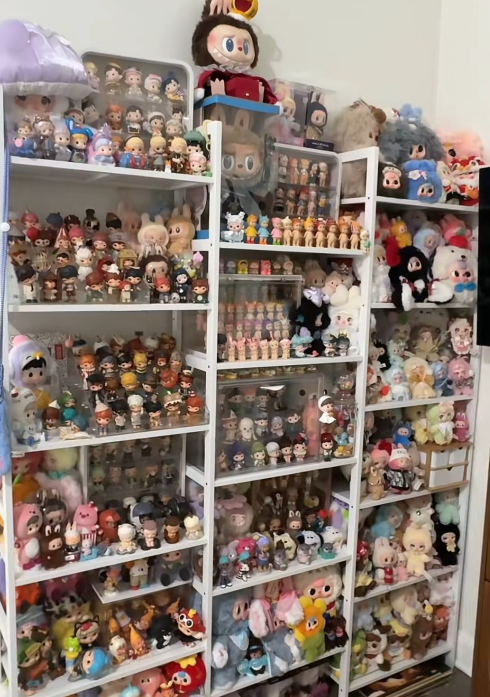
Blind boxes remain the clearest flagship category. Their appeal comes from surprise, anticipation, collectibility, and social display. Pop Mart’s explosive growth and the extraordinary revenue performance of artist IP lines in 2025 show that the format still has enormous global energy.
Why they work: They compress entertainment and retail into one act. The purchase is not the end of the experience; the reveal is.
2. Plush Bag Charms and Character Pendants
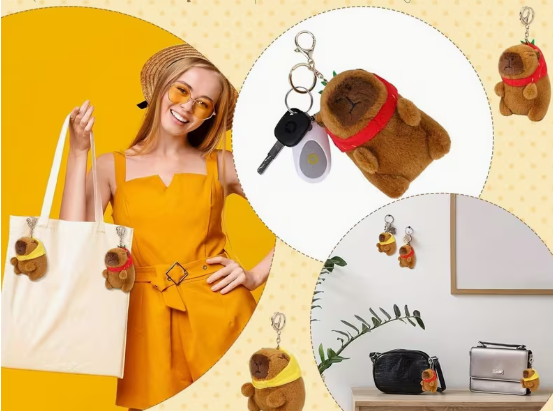
The plush charm has become a fashion object, comfort object, and social signal all at once. Reporting on Labubu and Jellycat trends has shown how plush accessories moved far beyond children’s rooms and into bags, desks, and personal styling.
Why they work: They personalize otherwise standard accessories and make adulthood feel less severe.
3. Comfort Plush Toys for Adults
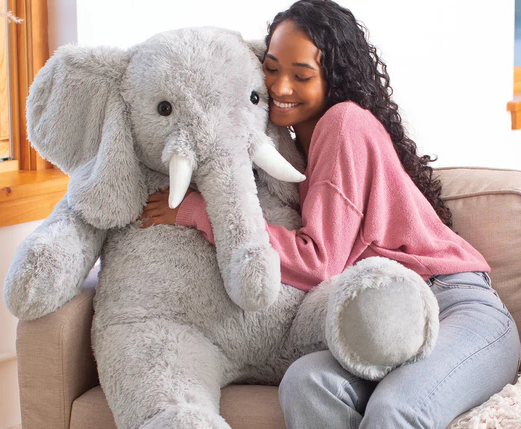
Adult plush is no longer ironic. It is mainstream enough to support premium pricing and global demand. Coverage of Jellycat’s rise points to strong Gen Z and adult appetite for whimsical plush designs, while financial reporting shows the brand’s revenue and profit growth accelerated sharply in 2024.
Why they work: They offer emotional softness in a culture that often feels hard-edged.
4. Cozy Desk Toys and Fidget Objects
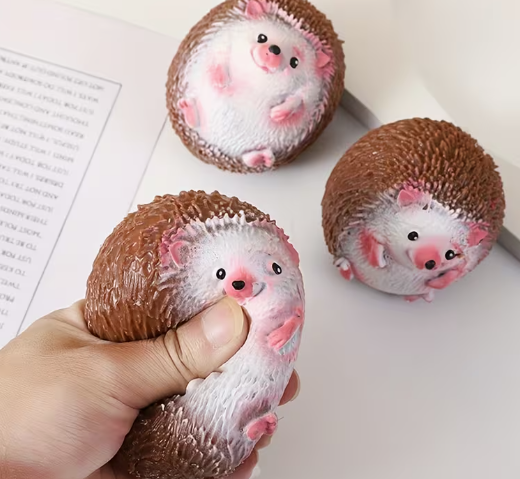
These products sit at the border of stress relief and aesthetic decoration. They include tactile desk pets, squeeze toys, kinetic mini-objects, and soothing desktop accessories.
Why they work: They transform anxious idle time into something playful and physical. Their emotional promise is “I can handle this day.”
5. Scented Candles and Wax Tablets
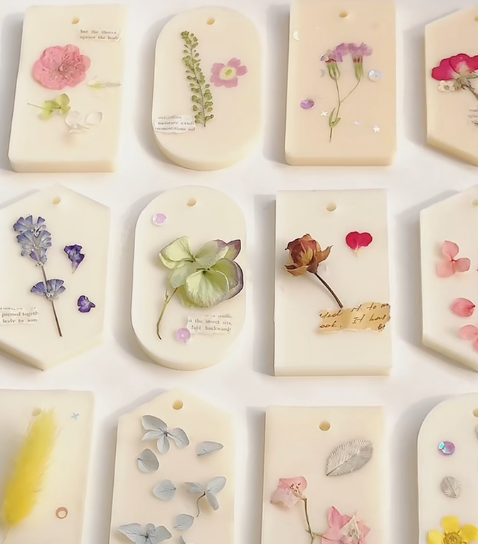
Fragrance products remain classic emotion-driven purchases because they sell mood directly. In a world obsessed with routines and resets, a candle is not just wax. It is a signal that the day is changing.
Why they work: They create ritual quickly and photograph well in “soft life” content.
6. Mini Ambient Lighting
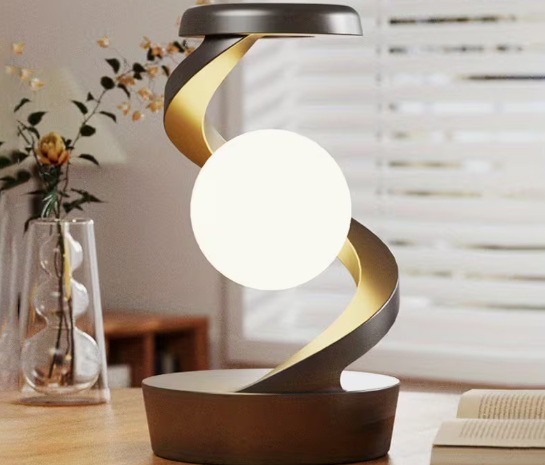
Sunset lamps, projection lights, cloud lamps, and warm-glow bedside lighting continue to perform because they instantly alter atmosphere without requiring a full room redesign.
Why they work: They produce a visible emotional result in seconds. They make ordinary rooms feel intentional.
7. Cute and Therapeutic Stationery
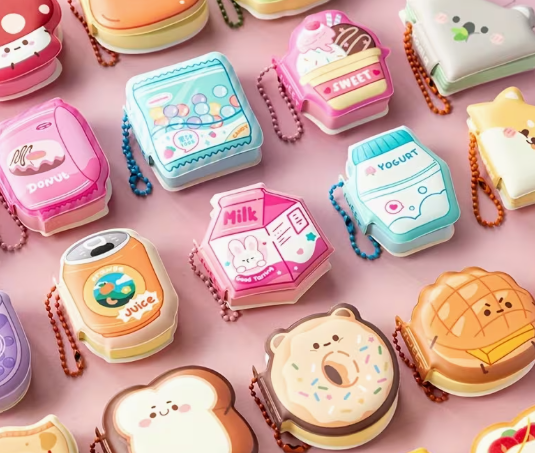
Sticker sets, mood journals, illustrated planners, comforting memo pads, and character pens are enduring because they turn organization into self-expression.
Why they work: They make responsibility feel gentler. They aestheticize daily discipline.
8. Affirmation and Self-Care Gift Boxes
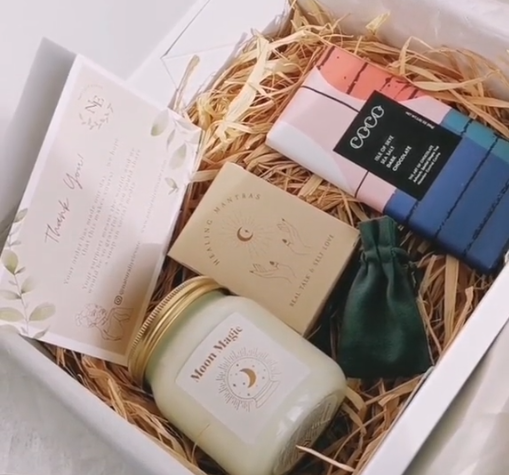
These bundles typically combine tea, notes, candles, socks, bath items, or mini keepsakes. Their appeal lies in care, gifting, and emotional packaging.
Why they work: They sell a feeling of being looked after, whether by someone else or by yourself.
9. Tiny Home Decor with Personality
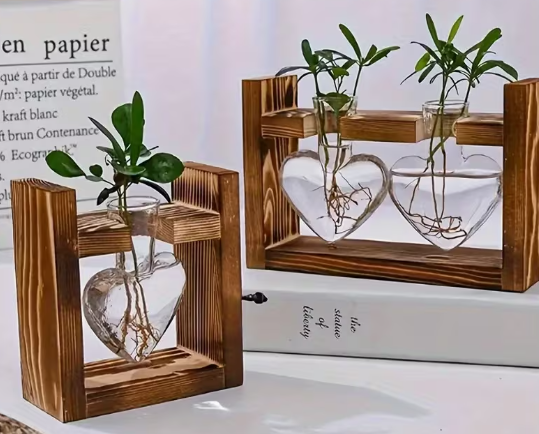
This includes mini vases, cute mirror stickers, ceramic trinket dishes, novelty coasters, and soft decorative objects for dorms or rented spaces.
Why they work: They let young people claim ownership over temporary environments.
10. Personalized Acrylic and Resin Accessories
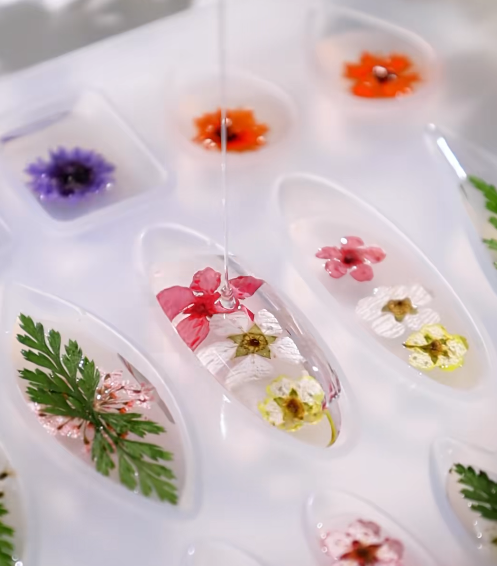
Initial charms, custom tags, zodiac pieces, mini photo keyrings, and made-to-order decorative objects continue to fit the category because personalization intensifies emotional attachment.
Why they work: They create the sense that an otherwise mass-market object belongs uniquely to one person.
A seller looking at this list through a dropshipping lens should notice something important: none of these categories are just about product. They are about framing. The difference between weak sales and a hit often comes down to whether the merchant is selling an object or selling a micro-emotional outcome.
Three Brand Examples That Explain the Trend
1. Pop Mart: Selling Surprise, Identity, and Belonging
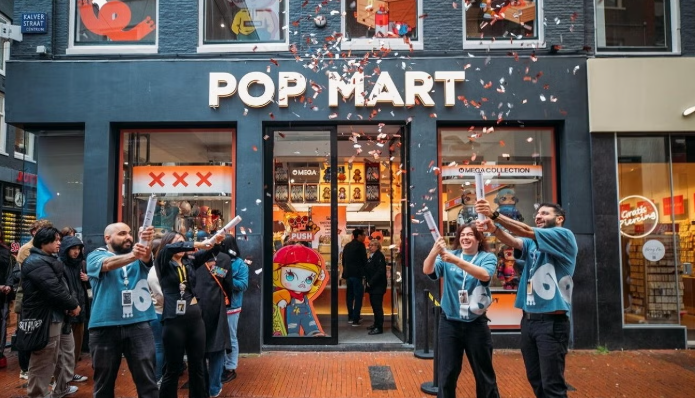
Pop Mart is the most obvious case study because it has transformed emotionally resonant IP into an industrial-scale global business. Its first-half 2025 performance is hard to ignore: revenue up 204.4% year over year, with standout growth across Asia Pacific and the Americas, and multiple artist IPs generating more than RMB 1 billion in the period. The company explicitly linked Labubu’s rise to product refinement, global resonance, and the launch of the third-generation vinyl plush line.
Why does it work?
Partly because Pop Mart understands modern fandom. These are not mere toys. They are compact identity objects. Buyers do not just purchase a figure; they choose an emotional universe. One customer might gravitate toward mischief, another toward melancholy, another toward softness or dreaminess. The characters act like emotional mirrors.
Partly because blind-box structure turns buying into a repeatable ritual. The customer is not purchasing certainty. They are purchasing possibility. That subtle shift increases engagement, conversation, and collectibility.
And partly because Pop Mart has mastered display culture. These products look good in hand, on shelves, clipped to bags, and on social feeds. They are highly photogenic, instantly legible, and community-friendly. They are also reasonably accessible compared with traditional luxury, which makes them ideal for the “small luxury” logic shaping youth spending. Vogue’s 2025 coverage of Labubu, Jellycat, and Crybaby described exactly this blend of nostalgia, emotional comfort, social media virality, and affordable indulgence.
2. Jellycat: Turning Softness into Status
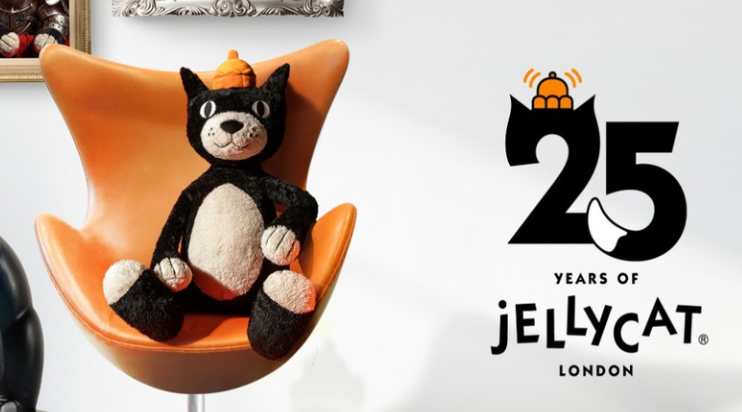
Jellycat’s success is fascinating because it proves emotional products do not need the blind-box mechanic to become obsession-worthy. The brand has built a world around softness, absurdity, and charm. A smiling croissant, a plush coffee cup, a capybara, a boiled egg: the designs are whimsical enough to feel memorable, but polished enough to feel premium.
The numbers reflect more than internet hype. Kantar reported Jellycat had revenue of $250 million in 2023 and 41% year-on-year growth in the US while the broader stuffed animal category grew only 2%. Financial reporting later showed 2024 revenue rising 66% to £333 million, with profits more than doubling.
Why does it work?
First, Jellycat sells comfort without embarrassment. The brand’s aesthetic is soft, but not childish in a limiting way. It allows young adults to buy emotional reassurance in a form that still feels stylish.
Second, the products are quirky enough to be collectible. A plush bunny is pleasant. A beautifully designed plush artichoke or birthday cake is memorable. Specificity creates affection.
Third, Jellycat lives comfortably in both private and public space. It can sit on a bed, a shelf, a desk, or a tote bag. It can be a gift, a keepsake, a self-soothing object, or a decor piece. The product is emotionally versatile.
In cultural terms, Jellycat also benefits from timing. In a period shaped by loneliness, digital fatigue, and overstimulation, softness itself has become aspirational. A plush object now signals more than cuteness. It signals a refusal to live entirely inside cold efficiency.
3. MINISO and TOP TOY: Fast Retail Meets Emotional IP
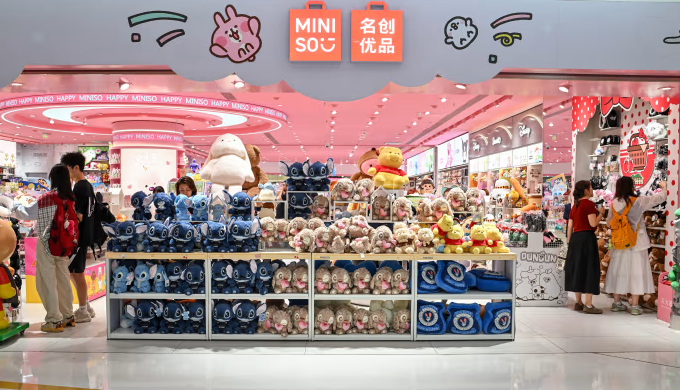
MINISO is an important third example because it sits closer to the affordable mass-market end of the spectrum. It shows how emotion-driven products are not confined to collector brands. They also thrive in fast, design-led retail environments where consumers browse for mood as much as need.
The company’s 2025 June-quarter results said TOP TOY revenue increased 87.0%, while trade reporting emphasized the strong contribution of blind boxes and IP-led merchandise in its assortment strategy. Coverage in 2025 also noted that one vinyl plush blind box series sold more than 100,000 units in 15 days, generating over RMB 10 million in GMV.
Why does it work?
Because MINISO understands the emotional logic of affordable discovery. Shoppers enter for convenience or curiosity and stay because the store makes ordinary categories feel giftable, playful, and presentable. A product does not need to be rare to be emotionally effective. It just needs to be well designed, culturally timely, and priced in a way that supports impulse.
MINISO also benefits from range. In one retail environment, it can combine plush, fragrance, desk accessories, beauty tools, IP collaborations, and toy culture. That makes it a natural ecosystem for emotional consumption, because shoppers often buy across moods rather than categories. They might not need anything specific, but they are open to finding something that makes the day better.
Why These Products Go Viral
It is tempting to explain every emotional product trend with one word: cute. But cute is only the surface layer. Underneath it are several mechanisms that matter more.
One is emotional compression. The best emotion-driven products deliver a strong feeling very quickly. There is no learning curve. You see it, and you get it. This is crucial in social commerce, where attention is scarce.
Another is low-stakes intimacy. These products enter private life easily. They sit on desks, beds, phones, mirrors, and bags. They do not ask for major behavioral change. They simply become part of daily texture.
Another is identity with low financial risk. Buying a designer bag is a major choice. Buying a plush charm, a figurine, or a scented candle is a lighter one. Yet the emotional reward can still be meaningful. That makes these categories especially suited to a generation balancing self-expression with budget caution.
Another is collectibility. Once a product format supports series logic, limited editions, retired designs, color variants, or mystery reveals, it becomes socially durable. People compare collections. They hunt for specific versions. They post unboxings. They assign personality to characters. The product becomes a conversation framework.
And finally, there is the content effect. Many emotion-driven products are inherently performative in the best sense. They are satisfying to reveal, arrange, gift, clip on, light up, or style. Their physical presence creates digital afterlife. That is commercial gold.
What Brands and Sellers Should Learn
The first lesson is that emotional value is real value. Too many operators still treat it as decorative. But for younger consumers, emotional payoff is often the point. Function gets a product into consideration; feeling gets it into the cart.
The second lesson is that category labels matter less than emotional jobs. A candle might do the emotional job of decompression. A blind box might do the job of reward. A plush charm might do the job of self-expression. A sticker pack might do the job of softening discipline. Brands should think this way when building assortments.
The third lesson is that packaging is part of the product. In emotion-driven categories, the box, insert, tissue, reveal, and unboxing rhythm all shape value perception. Cheap packaging can erase emotional premium.
The fourth lesson is that speed matters, but coherence matters more. Yiwu and dropshipping can help brands move quickly, but speed without point of view creates bland catalogs. The winners in 2026 are not simply listing more products. They are creating emotional worlds.
The fifth lesson is that young consumers are not irrational. They are meaning-sensitive. They may reject a product that is too expensive, too generic, too obviously trend-chasing, or too emotionally empty. They are not buying random nonsense. They are buying small pieces of feeling that fit their lives.
The Future of Emotion-Driven Retail
It is easy to mock emotion-driven products when you look only at their material form. Why pay for a plush egg? Why line up for a figurine? Why buy a lamp shaped like a cloud? Why spend on a blind box when you do not know what is inside?
But those questions miss the context. In 2026, consumers are navigating pressure, uncertainty, and a constant flood of digital input. They are asked to optimize everything: productivity, wellness, budgets, appearance, social life. Emotion-driven products interrupt that pressure with something much smaller and much more manageable. A tiny joy. A visual comfort. A ritual. A collectible. A private joke. A symbol that says, this corner of life belongs to me.
That is why they matter.
And that is why they are not going away.
The specific products will change. One season it will be Labubu. Another season it will be a crying horse from Yiwu, a new generation of desk companions, a fresh wave of bag charms, or some impossible hybrid of plush, accessory, and meme. The formats will evolve. The supply chains will get faster. The packaging will get smarter. The social commerce loops will get tighter. Yiwu will keep watching, adapting, and shipping. Dropshipping sellers will keep testing. Brands will keep searching for the next emotional trigger.
But the underlying demand is now established. Young consumers want products that do something to the feeling of everyday life.
Not everything has to be useful in the old mechanical sense. Sometimes usefulness is emotional. Sometimes value is the moment before you open the box. Sometimes a product earns its place because it makes a desk less lonely, a room less flat, a bag more personal, a gift more tender, or an ordinary Wednesday a little easier to carry.
That is the power of emotion-driven products. They do not just fill space in a market.
They fill space in a mood.