
Finding the right clothing sourcing agents is one of the most important steps for building a successful fashion business. In 2026, trendy apparel moves faster than ever. Styles change quickly, customer expectations are higher, and competition is intense. For beginners starting from zero, choosing the right sourcing support can determine whether your business grows smoothly or struggles with quality issues and slow fulfillment.
This guide explains what clothing sourcing agents actually do, compares sourcing agents in China and overseas, and helps you decide which option fits your business stage. You’ll also learn how integrated solutions can reduce sourcing risks while supporting branding and fulfillment as your business scales.
What Are Clothing Sourcing Agents
Clothing sourcing agents are professionals or service teams that help sellers find, evaluate, and manage apparel suppliers. Instead of working directly with multiple factories or wholesalers, sellers rely on sourcing agents to act as a bridge between their business and the production side.
In the apparel industry, sourcing is more complex than simply choosing a product. Clothing involves fabrics, sizing standards, color consistency, production timelines, and quality control. Clothing sourcing agents help manage these details by communicating requirements clearly to suppliers and monitoring execution.
For beginners, sourcing agents often handle several critical tasks. These include identifying suitable factories or suppliers, requesting and reviewing samples, confirming fabric composition and sizing details, negotiating pricing and minimum order quantities, and coordinating production or dropshipping arrangements. Many agents also assist with quality checks before orders are shipped.
One of the key benefits of working with clothing sourcing agents is risk reduction. Beginners often lack experience in spotting potential issues such as unstable fabrics, inconsistent sizing, or unreliable production schedules. A good sourcing agent helps prevent these problems before they affect customers.
Clothing sourcing agents can work in different ways. Some focus purely on sourcing and leave fulfillment to the seller. Others offer more integrated support, including quality inspection, branding coordination, and logistics planning. The level of service varies widely, which is why choosing the right agent matters as much as choosing the right product.
In 2026, clothing sourcing agents are increasingly important because fashion trends move faster and customer expectations are higher. Sellers are expected to deliver consistent quality and reliable shipping, even when testing new styles. Sourcing agents help make this possible by adding structure and local expertise to the supply chain.
For beginners, the goal of working with a clothing sourcing agent is not to eliminate all challenges, but to create a more predictable and manageable sourcing process. With the right support, sellers can focus more on marketing, branding, and customer experience, rather than constantly reacting to supplier problems.

Why Clothing Sourcing Agents Matter in 2026
In 2026, selling clothing online is no longer just about finding trendy designs. The fashion ecommerce environment has become faster, more competitive, and less forgiving of mistakes. For beginners entering the market, clothing sourcing agents play a much more critical role than they did in the past.
One major reason is the acceleration of fashion cycles. Social media, short-form video, and influencer content push new styles into the spotlight almost weekly. Sellers are expected to respond quickly, but rapid sourcing without proper oversight often leads to quality issues or production delays. Sourcing agents help bridge the gap between speed and reliability by coordinating with suppliers who can deliver on tight timelines.
Another factor is rising operational costs. Advertising, customer acquisition, and returns are more expensive in 2026. A single batch of poorly sourced clothing can erase profits from multiple successful campaigns. Sourcing agents reduce this risk by helping sellers validate materials, sizing, and production quality before scaling.
Customer expectations have also changed. Shoppers now compare independent stores to established brands, not just other dropshippers. They expect consistent sizing, accurate product descriptions, and reliable delivery. Clothing sourcing agents help align supplier output with these expectations by enforcing clearer specifications and monitoring consistency.
Global supply chains are more complex as well. Shipping routes, customs policies, and fulfillment timelines vary by region. Sourcing agents with local knowledge can advise on production locations, lead times, and fulfillment strategies that minimize delays and surprises.
For beginners, another overlooked benefit is time efficiency. Managing multiple suppliers, negotiating terms, and resolving quality issues can quickly become overwhelming. Clothing sourcing agents centralize these tasks, allowing new sellers to focus on marketing, branding, and customer experience instead of constant supplier coordination.
In 2026, clothing sourcing agents are not just cost negotiators. They are problem-solvers who add structure, predictability, and professional oversight to a business that would otherwise rely on trial and error. For beginners, this support often makes the difference between slow, frustrating progress and steady, sustainable growth.
Clothing Sourcing Agents in China
China remains one of the most important sourcing hubs for the global apparel industry, and in 2026, clothing sourcing agents in China continue to play a central role for fashion sellers around the world. For beginners looking to source trendy apparel efficiently, China-based agents offer unique advantages that are difficult to replicate elsewhere.
One of the biggest strengths of Chinese sourcing agents is access to a vast supplier network. China has specialized manufacturing clusters for different apparel categories such as women’s fashion, activewear, knitwear, denim, and fast fashion. Sourcing agents familiar with these regions can quickly match sellers with factories or suppliers that fit specific style, fabric, and budget requirements.
Another key advantage is speed in trend response. Chinese suppliers are highly experienced in fast fashion production. With the support of a sourcing agent, sellers can move from concept to sample in a relatively short time. This makes China-based sourcing especially suitable for testing trendy apparel and responding to market demand quickly.
China sourcing agents also offer greater flexibility for small-batch production. Many factories are willing to support lower minimum order quantities when working through agents, allowing beginners to test designs without committing to large inventory investments. This reduces financial risk during the early stages.
Cost efficiency is another factor. While pricing varies by product and complexity, sourcing through China often provides more competitive production costs compared to overseas alternatives. For beginners managing tight margins, this can make experimentation more feasible.
However, working with clothing sourcing agents in China also requires attention to quality control and communication clarity. Apparel quality depends heavily on fabric choice, stitching standards, and sizing consistency. Without clear specifications and inspection, suppliers may make substitutions that affect the final product.
This is why experienced sourcing agents add value not only by finding suppliers, but by managing expectations, confirming details in writing, and coordinating quality checks before shipment.
CJdropshipping supports sellers sourcing apparel from China by providing structured sourcing workflows. Sellers can request specific clothing styles, review samples, confirm sizing and fabric details, and apply quality inspection before fulfillment. This reduces common risks associated with unmanaged sourcing while preserving the flexibility and cost advantages of China-based production.
For beginners, clothing sourcing agents in China offer a powerful combination of variety, speed, and cost efficiency. When paired with proper communication, inspection, and fulfillment planning, they remain one of the most effective ways to source trendy apparel in 2026.
Overseas Clothing Sourcing Agents Explained
Overseas clothing sourcing agents are typically based closer to end markets such as the United States, Europe, or Australia. Instead of focusing primarily on manufacturing, these agents often specialize in supplier coordination, quality oversight, and fulfillment planning for apparel that is already produced or partially produced.
In 2026, overseas clothing sourcing agents play a growing role for sellers who prioritize delivery speed, customer experience, and operational stability over the lowest possible production cost.
One of the main advantages of overseas sourcing agents is proximity to customers. Agents located near target markets often work with regional manufacturers or maintain access to local warehouses. This shortens delivery times significantly and makes return handling easier, which is especially important in clothing where fit-related returns are common.
Another key benefit is alignment with local sizing and quality expectations. Overseas agents are usually familiar with regional fit standards, labeling requirements, and customer preferences. This reduces the risk of mismatched sizing or misleading product descriptions, which are frequent issues when sourcing apparel internationally.
Communication is also more straightforward. Working in similar time zones and languages helps resolve issues faster and reduces misunderstandings. For beginners, this ease of communication can significantly reduce stress and operational delays.
However, overseas sourcing agents often come with higher unit costs. Labor, warehousing, and operational expenses are generally higher than in China. In addition, the variety of styles and fabrics may be more limited, particularly for fast fashion or highly trend-driven items.
Overseas agents also tend to be less flexible when it comes to small-batch experimentation. Many focus on stable collections rather than rapid trend testing, which may slow down product iteration for sellers who rely on quick market feedback.
For these reasons, overseas clothing sourcing agents are best suited for sellers who already have validated products and want to improve delivery speed, consistency, and brand perception.
Many successful fashion businesses use overseas sourcing agents as part of a hybrid strategy. Trendy apparel is sourced and tested through China-based agents, while best-selling items are later produced or fulfilled closer to customers for faster delivery and better customer satisfaction.
China vs Overseas: Key Differences
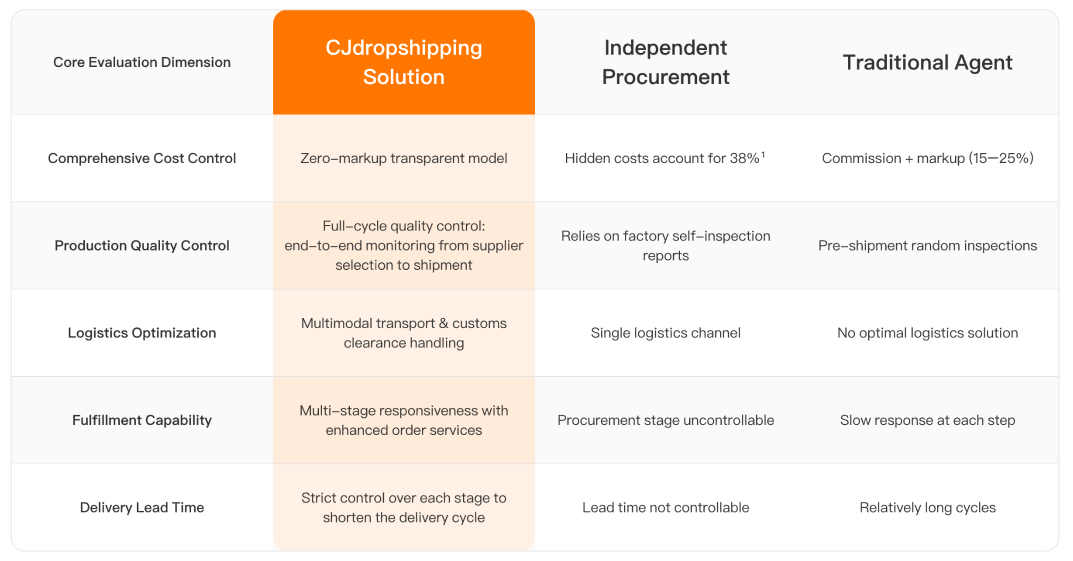
When choosing between clothing sourcing agents in China and overseas clothing sourcing agents, there is no universal “better” option. The real difference lies in how each approach supports your priorities around cost, speed, flexibility, and long-term growth.
Understanding these differences helps beginners avoid mismatched expectations and costly sourcing decisions.
Cost Structure and Pricing Flexibility
China-based sourcing agents generally offer lower production costs. Apparel manufacturing clusters in China benefit from scale, supply chain depth, and labor efficiency, which translates into competitive unit pricing.
This cost advantage makes China sourcing especially attractive for beginners testing new styles or operating with limited budgets. Lower production costs also allow more room for advertising and experimentation.
Overseas sourcing agents typically work with higher cost structures. Labor, warehousing, and compliance costs are higher, which raises unit prices. However, these costs often include services such as local quality checks, faster shipping, and easier returns, which can offset expenses through improved customer satisfaction.
Speed to Market and Trend Responsiveness
China sourcing agents excel at rapid trend response. Factories can produce samples quickly and adjust designs based on feedback. This makes China ideal for fast fashion, social media-driven trends, and short product life cycles.
Overseas sourcing agents are generally slower when it comes to launching new styles. Their strength lies more in fulfilling established products consistently rather than reacting to fast-moving trends.
For beginners focused on trend testing, China sourcing offers greater flexibility. For sellers focused on reliability and delivery speed, overseas sourcing becomes more appealing once demand is proven.
Shipping Time and Customer Experience
Shipping speed is one of the most noticeable differences.
China-based sourcing usually involves international shipping, with delivery times commonly ranging from 7 to 15 days depending on fulfillment method. While acceptable for many customers, delays can increase support inquiries and refund risk if expectations are not managed well.
Overseas sourcing agents often ship domestically or regionally, reducing delivery times significantly. Faster shipping improves customer trust, reduces “where is my order” inquiries, and supports higher repeat purchase rates.
Quality Control and Sizing Consistency
China sourcing agents can support strong quality control, but only when inspection processes are clearly defined. Without oversight, factories may substitute fabrics or adjust sizing to reduce costs.
Overseas sourcing agents tend to have stricter quality standards aligned with local market expectations. Sizing, labeling, and fabric consistency are often more predictable, which reduces returns in women’s clothing.
For beginners, this difference becomes more important as order volume grows and repeat customers increase.
Communication and Operational Complexity
Working with China-based agents often requires managing time zone differences and detailed written specifications. While experienced agents handle this well, beginners must be clear and organized to avoid misunderstandings.
Overseas sourcing agents usually offer smoother communication due to shared language and business norms. Issue resolution is often faster and less stressful for new sellers.
Scalability and Long-Term Strategy
China sourcing agents are highly scalable when it comes to production volume and product variety. As demand grows, factories can increase output quickly at competitive costs.
Overseas sourcing agents scale better in terms of customer experience and fulfillment reliability, but may face limitations in style variety or production capacity.
This is why many successful brands adopt a hybrid sourcing strategy over time.
How to Choose the Right Clothing Sourcing Agent
Choosing the right clothing sourcing agent is not about finding the most popular name or the lowest quote. It’s about finding a partner whose capabilities match your current business stage and future goals. For beginners, a mismatch here often leads to wasted time, quality issues, and stalled growth.
Below are the most important factors to evaluate when selecting a clothing sourcing agent in 2026.
Start With Your Business Stage and Product Type
Before contacting any agent, clarify what you actually need. Are you testing trendy apparel with small quantities, or scaling a product that already sells? Are you focused on women’s fashion, basics, activewear, or private-label pieces?
A good sourcing agent should specialize in apparel, not general products. Agents who understand fabrics, sizing, and fashion timelines are far more effective than those who source “everything.”
Evaluate Apparel-Specific Experience
Clothing sourcing requires domain knowledge. Ask whether the agent has experience with:
-
Fabric selection and consistency
-
Sizing standards and fit adjustments
-
Apparel production timelines
-
Quality risks specific to garments
Agents who cannot explain how they handle sizing charts, fabric changes, or production consistency are likely to cause problems later.
Assess Communication and Transparency
Clear communication is one of the strongest predictors of a good sourcing relationship. The right agent explains processes clearly, documents specifications, and responds in a timely manner.
Pay attention to how questions are answered during early conversations. Vague replies or unclear pricing structures often signal future issues.
Ask About Sampling and Inspection Support
A reliable clothing sourcing agent should support sampling before scaling. Samples help verify fabric feel, stitching quality, and fit.
Inspection is equally important. Ask how quality checks are handled before shipment, especially when order volume increases. Agents who skip this step increase the risk of defects reaching customers.
Understand Pricing and Fee Structure
Good agents are transparent about how they charge. This may include service fees, sourcing commissions, or bundled costs that cover inspection and coordination.
Avoid agents who offer unrealistically low prices without explaining how costs are managed. Hidden fees often appear later through shipping markups or quality issues.
Confirm Scalability and Long-Term Support
The right agent should be able to grow with your business. Ask how they handle larger order volumes, repeat production, and inventory stability.
For beginners, it’s important to choose agents who support gradual scaling rather than forcing large commitments too early.
Consider Branding and Fulfillment Capabilities
As your business grows, sourcing alone is not enough. Packaging, labeling, and fulfillment speed start to matter.
Agents or platforms that connect sourcing with branding and fulfillment reduce future complexity. This is where integrated solutions add long-term value.
Watch for Red Flags
Common warning signs include:
-
Refusal to provide samples
-
Unclear handling of sizing and fabric changes
-
Poor communication during early discussions
-
Pressure to commit to large orders immediately
These signals often indicate misaligned incentives or lack of apparel expertise.
How CJdropshipping Supports Clothing Sourcing, Branding, and Fulfillment
For many beginners, the biggest challenge in apparel ecommerce is not finding trendy designs, but managing multiple moving parts at once. Clothing sourcing, branding, and fulfillment are deeply connected, yet often handled by different providers. This separation creates delays, miscommunication, and inconsistent customer experiences.
CJdropshipping is designed to reduce this complexity by supporting these three areas within a coordinated workflow, allowing sellers to grow step by step without rebuilding their supply chain.
Clothing Sourcing Built for Apparel-Specific Needs
Clothing sourcing is more complex than general product sourcing. Fabric quality, sizing consistency, color accuracy, and production stability all matter. CJdropshipping’s sourcing service is structured to handle these apparel-specific requirements.
Sellers can submit sourcing requests with detailed specifications, including style references, fabric preferences, target pricing, and sizing expectations. This helps avoid common issues such as fabric substitution or unclear fit standards.
For beginners, this guided sourcing process reduces guesswork and shortens the time spent searching for reliable suppliers.
Sample Review and Quality Control Before Scaling
Before scaling a clothing product, verifying quality is critical. CJ supports sample sourcing and pre-fulfillment quality checks, allowing sellers to confirm stitching, fabric feel, sizing labels, and overall construction.
This step is especially valuable once products start receiving consistent orders. Catching issues before bulk fulfillment helps prevent waves of refunds and negative reviews, which are particularly damaging in fashion categories.
Branding Services That Support Long-Term Growth
As stores mature, branding becomes increasingly important. CJdropshipping offers optional branding services such as custom packaging, labels, and inserts, which allow sellers to move beyond generic dropshipping.
For clothing sellers, consistent branding improves perceived value and customer trust. CJ’s branding support is designed to integrate smoothly with sourcing and fulfillment, so sellers do not need to coordinate separate vendors for packaging and product handling.
Beginners can start without branding and add these elements later when demand is validated.
Flexible Fulfillment for Different Business Stages
Fulfillment strategy often evolves as a business grows. CJdropshipping supports this transition by offering flexible fulfillment options.
Sellers can begin with standard dropshipping to test demand without holding inventory. Once winning products are identified, inventory can be placed in overseas or regional warehouses to shorten delivery times and improve customer satisfaction.
This flexibility is particularly useful for clothing, where fast delivery and easy returns influence repeat purchases.
Reducing Operational Friction for Beginners
One of CJdropshipping’s key strengths is reducing the need to manage multiple disconnected partners. Instead of coordinating separate sourcing agents, inspectors, warehouses, and fulfillment providers, sellers can work within a single structured system.
This does not eliminate decision-making, but it simplifies execution. For beginners, this means fewer errors, clearer timelines, and more predictable outcomes.
Why This Matters for Beginners
For beginners in 2026, the challenge is not ambition, but capacity. Managing sourcing, branding, and fulfillment independently requires experience and time.
By supporting these areas within a connected workflow, CJdropshipping helps new sellers focus on product validation, marketing, and customer experience while maintaining better control over quality and delivery.
Rather than locking sellers into a rigid system, CJ’s approach allows gradual upgrades as the business grows, making it easier to move from testing to scaling with confidence.
Common Mistakes Beginners Make When Working With Sourcing Agents
Working with clothing sourcing agents can greatly simplify apparel sourcing, but only when expectations and processes are clear. Many beginners assume that hiring a sourcing agent automatically eliminates risk. In reality, most sourcing-related problems come from misalignment, not bad intentions.
Below are the most common mistakes beginners make when working with clothing sourcing agents, and how to avoid them.
Treating Sourcing Agents as Order Takers
One of the biggest mistakes is assuming sourcing agents will make decisions for you. Agents execute based on instructions. When requirements are vague, outcomes become unpredictable.
Beginners often say things like “similar fabric” or “standard sizing” without defining what that actually means. This leads to substitutions that technically meet the request but disappoint customers.
Clear specifications on fabric type, thickness, stretch, sizing measurements, and quality standards are essential.
Skipping Samples to Save Time or Cost
Some beginners rush into production or fulfillment without reviewing samples, especially when initial costs seem low. This is one of the most expensive shortcuts in clothing sourcing.
Apparel quality cannot be judged reliably from photos alone. Fabric feel, stitching quality, and fit often differ from expectations. Sampling catches these issues early, before they reach customers.
Not Confirming Sizing and Fit in Detail
Sizing is one of the most sensitive aspects of clothing. Beginners often rely on generic size charts without verifying measurements.
A common mistake is assuming size consistency across batches. Without confirmation, factories may adjust patterns slightly, leading to inconsistent fit and higher return rates.
Detailed size charts with measurements should always be confirmed before scaling.
Assuming Agents Automatically Handle Quality Control
Not all sourcing agents include quality inspection by default. Beginners sometimes assume inspection is part of the service, only to discover defects after orders ship.
Always ask how quality checks are handled, when they occur, and what standards are applied. Inspection should be treated as a defined process, not an assumption.
Choosing Agents Based Only on Price
Low service fees can be misleading. Agents offering unusually low costs may reduce effort in communication, inspection, or supplier vetting.
In clothing sourcing, the cheapest option often leads to higher downstream costs through refunds, reships, and negative reviews. Value comes from risk reduction, not just price.
Scaling Too Quickly Without Process Stability
When a product starts selling, beginners sometimes increase order volume rapidly without confirming whether quality and sizing remain consistent at scale.
Production at higher volume can introduce new issues. Without inspection and stable specifications, small problems multiply quickly.
Scaling should always follow process validation, not precede it.
Switching Agents Frequently Instead of Fixing Processes
When issues arise, beginners often respond by switching sourcing agents repeatedly. This creates inconsistency and prevents learning from previous mistakes.
In many cases, problems stem from unclear communication or missing inspection steps rather than the agent itself. Improving process clarity often produces better results than constant switching.
Final Thoughts
In 2026, working with the right clothing sourcing agents has become a strategic advantage rather than a convenience. As fashion trends move faster and customer expectations continue to rise, sourcing apparel is no longer just about finding products at a good price. It is about building a system that delivers consistent quality, reliable fit, and dependable fulfillment.
For beginners starting from zero, sourcing agents help reduce the trial-and-error phase that often leads to wasted time and unnecessary costs. By adding structure to supplier communication, quality control, and production planning, they make the early stages of an apparel business far more manageable.
Throughout this guide, we’ve explored how clothing sourcing agents operate, the differences between sourcing in China and overseas, and how to choose the right partner based on your business stage. The common thread is clarity. Clear specifications, clear expectations, and clear processes are what turn sourcing agents into long-term partners rather than short-term fixes.
As your business grows, sourcing decisions naturally extend beyond product selection. Branding consistency, packaging presentation, and fulfillment speed all begin to influence customer trust and repeat purchases. Integrated approaches that connect sourcing with branding and logistics simplify this transition and reduce operational friction.
CJdropshipping supports this progression by offering clothing sourcing services alongside optional branding and flexible fulfillment solutions. This allows sellers to start lean, validate demand, and scale with confidence without constantly changing suppliers or rebuilding workflows.
Ultimately, success in trendy apparel sourcing is not about chasing every new style. It is about choosing sourcing partners who help you maintain consistency while adapting to change. With the right clothing sourcing agents and a thoughtful growth strategy, even first-time sellers can build a fashion business that is resilient, scalable, and competitive well beyond 2026.