
The hardest part of dropshipping in 2026 is not launching a store. It is choosing products that still have room to grow after every beginner has already copied the obvious ideas.
A lot of sellers still build stores around “cheap gadgets” or random impulse buys. That approach can still produce short-term wins, but it is getting weaker. Ad costs are higher, platforms are more competitive, and customers expect better shipping times, clearer positioning, and products that solve a real problem. In 2026, the products with the best dropshipping potential tend to sit at the intersection of three things: visible demand, strong content potential, and a clear reason for purchase.
That is why the best product research today is less about chasing a single viral SKU and more about identifying categories that are growing for structural reasons. Wearables are expanding fast. Pet technology is moving from novelty into mainstream purchase behavior. Beauty devices are benefiting from the rise of at-home treatments. Portable consumer electronics continue to grow thanks to travel, hybrid work, convenience, and creator-led demand. These are not random guesses. Market research firms and trend platforms are showing strong momentum in smart rings, pet tech, pet wearables, smart clothing, beauty gadgets, and portable electronics.
This article breaks down 10 of the best trending dropshipping products for 2026, why they are trending, what kind of customer buys them, how to market them, and what to watch out for before you list them in your store. The goal is not to hand you a lazy list. The goal is to help you think like a real operator.
What makes a product worth dropshipping in 2026?
Before we get into the list, it helps to define what a strong dropshipping product looks like this year.
A good 2026 product usually has several of these traits:
It solves a specific problem. Products that reduce effort, improve comfort, save time, or support health tend to convert better than vague novelty items.
It is easy to demonstrate in short-form video. If a buyer can understand the benefit in five seconds on TikTok, Instagram Reels, or YouTube Shorts, the product gets a major advantage.
It has emotional appeal. Pet owners, beauty buyers, fitness users, and travel shoppers often buy based on identity as much as utility.
It is not overly commoditized. If the exact same product appears on every marketplace with identical photos, your margins get crushed quickly.
It has broad appeal but clear angles. The strongest products can be sold to multiple sub-audiences without becoming too generic.
It works with content-first marketing. In 2026, organic content, creator-style UGC, and short-form product demos still matter a lot more than polished corporate ads for many dropshipping stores.
One more thing matters: category momentum. It is easier to sell a product when the surrounding category is already rising. Smart rings are benefiting from the broader growth of wearable devices, and the smart ring market is projected to grow strongly through 2033. Pet tech and pet wearables are also posting rapid projected growth, while beauty gadgets and portable electronics continue to benefit from convenience and at-home use cases.
Now let’s get into the products.
1. Smart rings
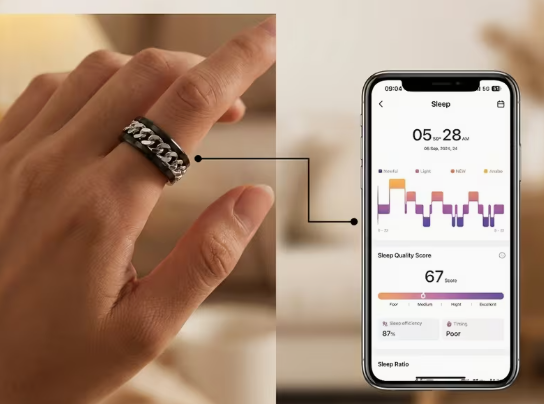
Smart rings have moved from niche wellness gadget to mainstream wearable category. The market research behind them is one of the clearest signals on this list: Grand View Research estimates the global smart rings market at about $417.5 million in 2025 and projects it to reach roughly $2.08 billion by 2033, with a 22.5% CAGR from 2026 to 2033. Trend data also points to strong consumer interest around smart-ring brands and sleep-tracking wearables.
For dropshippers, the appeal is obvious. Smart rings are compact, premium-looking, giftable, and easy to explain. The core hooks are simple: track sleep, measure recovery, monitor activity, and look more discreet than a smartwatch.
Why it is trending
Consumers want health tracking without wearing a large device on the wrist all day. There is also a broader move toward minimal, stylish wearables. Smart rings benefit from the same health and wellness trend that helped smartwatches grow, but they feel newer and more design-forward.
Best target audiences
Sleep optimization buyers
Biohacking and wellness audiences
Professionals who dislike bulky watches
Women’s lifestyle and fashion audiences
Gift buyers shopping for premium tech accessories
Best content angles
“Why I replaced my smartwatch with a smart ring”
“Track sleep without wearing a bulky device”
“Minimalist wearable for recovery and readiness”
“Luxury-looking tech gift under a premium price point”
Risks
This category can be quality-sensitive. If your supplier has poor app support, unreliable Bluetooth performance, or inaccurate tracking, refunds can spike fast. Smart rings also face higher customer expectations than simpler gadgets, so supplier vetting matters more than usual.
Verdict
A strong 2026 product if you position it as wearable wellness, not as a cheap gadget.
2. AI pet cameras
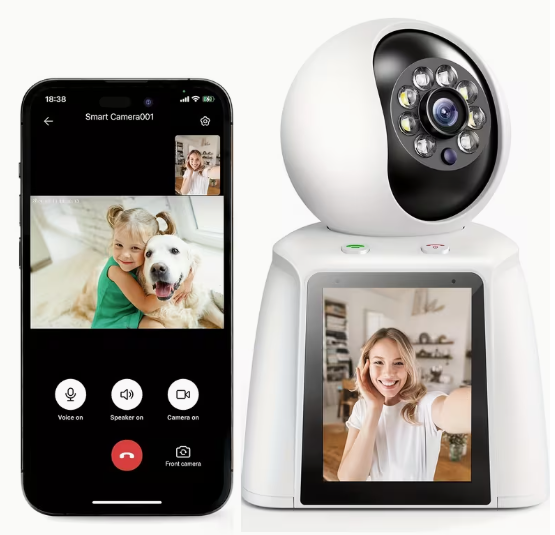
Pet tech is one of the most promising ecommerce categories right now. Grand View Research says the pet tech products market was estimated at $9.23 billion in 2025 and is projected to reach $23.54 billion by 2033. Exploding Topics also highlights AI pet cameras as a fast-rising topic, noting very strong growth in interest.
Pet cameras are especially attractive because they combine emotional value with practical functionality. Buyers do not just want a camera. They want reassurance, interaction, and the feeling that they are caring for a family member while away from home.
Why it is trending
Remote work did not eliminate separation anxiety; it changed it. Many pet owners now spend part of the week away from home and want better monitoring. AI-enabled pet cameras add features such as motion alerts, barking detection, treat tossing, two-way audio, or activity snapshots. That makes them far more marketable than a basic webcam.
Best target audiences
Dog owners with separation-anxiety concerns
Cat owners interested in remote interaction
Urban professionals
Gift buyers in the pet niche
Pet parents who already buy smart feeders or trackers
Best content angles
“My dog when I leave the house”
“Talk to your pet from anywhere”
“Smart camera that helps reduce pet anxiety”
“Never wonder what your pet is doing again”
Risks
App reliability and Wi-Fi stability are everything. Bad software ruins this product. You also need clear shipping and support information because electronics buyers ask more pre-purchase questions than standard pet-product buyers.
Verdict
Excellent if sourced carefully and sold with emotional, problem-solution marketing.
3. Pet GPS and health-tracking collars
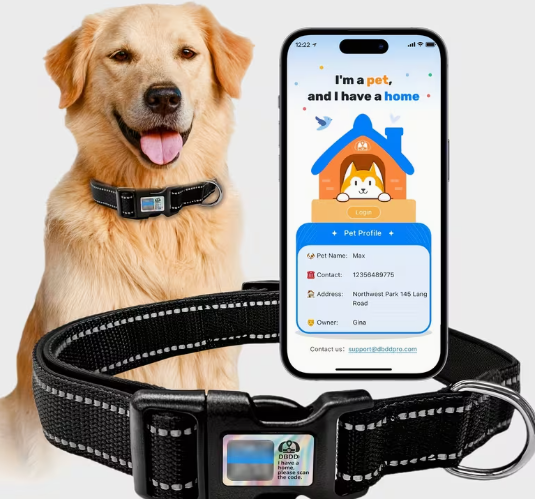
Pet wearables are another standout subcategory. Grand View Research estimates the pet wearable market at $3.36 billion in 2025 and projects it to reach $11.40 billion by 2033, growing at a 16.8% CAGR from 2026 to 2033.
These products sit in a sweet spot for dropshipping because they combine safety, monitoring, and everyday peace of mind. A GPS collar or activity tracker is easy to market because the benefit is immediate: know where your pet is, monitor movement, and feel more secure.
Why it is trending
Pet owners are spending more on prevention, visibility, and health monitoring. That is part of the broader “pet humanization” trend, where owners increasingly treat pets like family members and spend accordingly. Europe and North America both show strong pet-tech demand signals.
Best target audiences
Dog owners in suburban or rural areas
Owners of escape-prone pets
High-spend pet lovers
Traveling pet owners
Health-conscious buyers who already use wearables themselves
Best content angles
“What if your dog gets out?”
“Track your pet’s walks, sleep, and activity”
“Peace of mind for pet parents”
“The wearable your dog actually needs”
Risks
This category overlaps with regulated claims if you overstate health functionality. Keep descriptions focused on tracking, monitoring, and lifestyle support unless the product has verified certifications.
Verdict
One of the most scalable pet-category products for 2026.
4. Red light therapy masks
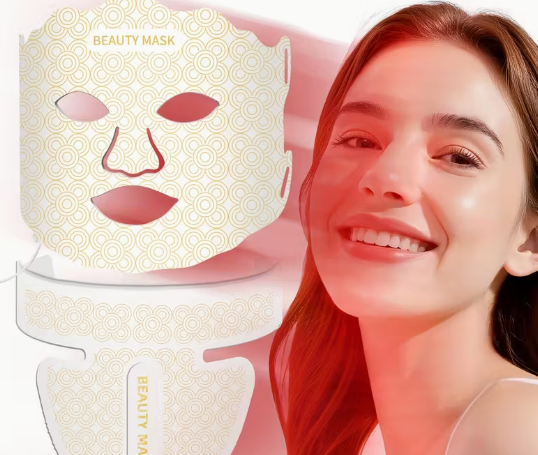
Beauty devices have become much more mainstream, especially as consumers look for at-home alternatives to clinic visits and salon treatments. Exploding Topics notes continued momentum in beauty gadgets, including LED light therapy masks, and its 2025 beauty gadget coverage highlights that these devices are increasingly accessible to consumers seeking treatment at home.
This is a very content-friendly product. It looks futuristic, catches attention instantly in video, and has obvious before/after storytelling potential.
Why it is trending
At-home beauty is no longer a budget compromise. It has become part of modern skincare routines. Buyers want convenience, repeat use, and products that make them feel they are getting “professional” treatments without appointments. Red light therapy devices also benefit from the broader wellness-device boom.
Best target audiences
Women aged 25–45
Skincare-focused audiences
Beauty gadget buyers
Self-care and wellness shoppers
Gift buyers
Best content angles
“My 10-minute evening skincare device”
“At-home glow-up routine”
“Spa-style skincare without the appointment”
“Beauty tech that actually looks premium”
Risks
Be very careful with medical or therapeutic claims. You should not promise treatment outcomes you cannot substantiate. Focus on beauty, convenience, routine, and user experience. This niche is also crowded, so branding and creative quality matter.
Verdict
Still hot in 2026, especially when paired with strong UGC and premium creative.
5. Portable blender bottles
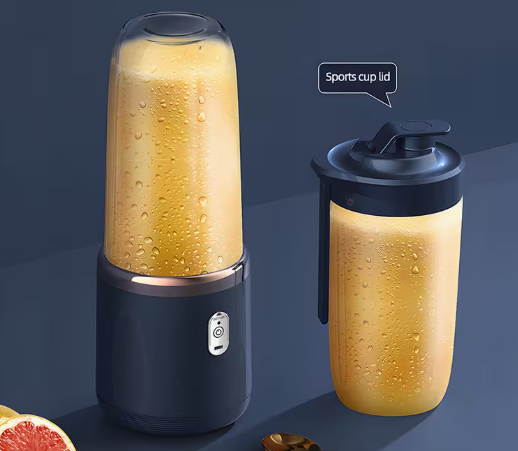
Portable blender products have been showing up repeatedly in trend conversations because they combine convenience, health positioning, and visual demo appeal. Exploding Topics highlights portable blender bottles as a growing topic and notes that “portable blender” interest has grown significantly over time. It also points out that portable blender demand can be validated with short-term content and search signals.
Why it is trending
People want convenience without sacrificing routines. Protein shakes, smoothies, meal replacement drinks, and on-the-go wellness habits all support this product. It is especially strong when sold to commuters, gym-goers, travelers, and office workers.
Best target audiences
Fitness and wellness buyers
Busy professionals
Students
Moms
Travel audiences
People following meal-prep or high-protein lifestyles
Best content angles
“Make your shake anywhere”
“USB blender for gym and work”
“No kitchen needed”
“Healthy routine in 30 seconds”
Risks
This product is easy to commoditize. Many sellers use identical footage and identical angles. To win, you need better branding, stronger bundles, or clearer niche targeting. Quality also matters because battery life and blade strength affect reviews.
Verdict
A strong entry-level winner if marketed through convenience and lifestyle rather than generic gadget language.
6. Portable espresso makers and travel coffee gear
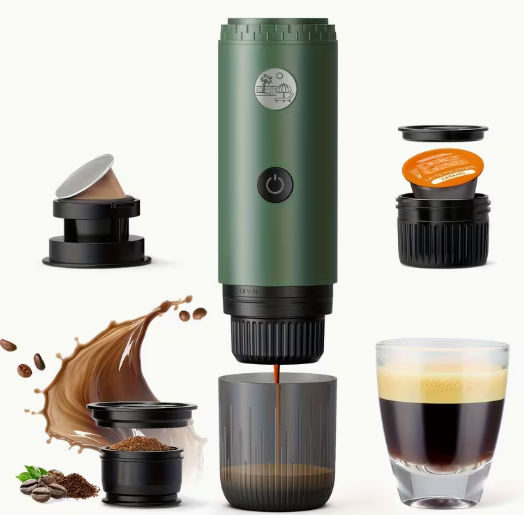
Coffee buyers are some of the most passionate ecommerce customers, and portable coffee tools have become increasingly interesting thanks to hybrid work, travel, camping, and the rise of creator-led morning routine content. Exploding Topics’ product and food trend pages also point toward growing interest in portable coffee-related gear.
Portable espresso makers have several advantages for dropshipping: they are demonstrable, aspirational, and giftable. They are not just tools; they fit into an identity. People who buy them often see themselves as coffee enthusiasts, travelers, minimalists, or productivity-focused professionals.
Why it is trending
Consumers want café-style experiences outside the café. As more people blend work, travel, and flexible schedules, compact coffee gear becomes more useful. This is especially true for road trips, office use, flights, hotel stays, and outdoor content lifestyles.
Best target audiences
Coffee lovers
Travelers
Remote and hybrid workers
Campers
Gift shoppers
Men’s gadget audiences
Best content angles
“Espresso anywhere”
“Travel coffee setup under one minute”
“Desk coffee without leaving the office”
“The coffee gadget I actually use daily”
Risks
Build quality and cleaning ease matter a lot. Poor products generate frustration quickly. This category also works best when the product visually looks premium.
Verdict
An underrated 2026 winner with strong gifting and lifestyle potential.
7. Smart posture correctors and posture wearables
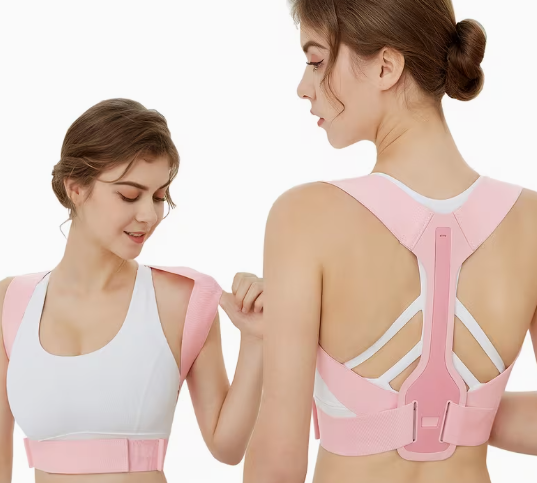
Health-adjacent products that help with everyday comfort continue to perform well, especially when they connect to remote work, sedentary lifestyles, and fitness awareness. Exploding Topics has pointed to posture-related home health products as part of the wider consumer wellness trend.
Smart posture correctors and posture reminder devices are attractive because they address a visible problem many people already recognize: neck tension, slouching, desk fatigue, and poor sitting habits.
Why it is trending
A huge portion of ecommerce demand is driven by “micro-pain” products, meaning products that solve a manageable but annoying daily discomfort. Posture devices fit this perfectly. They do not need to be revolutionary. They just need to feel useful and easy to adopt.
Best target audiences
Office workers
Students
Remote workers
Fitness audiences
People interested in ergonomics
Gift buyers for tech-meets-wellness products
Best content angles
“My desk posture got terrible”
“This tiny device vibrates when I slouch”
“Work-from-home posture fix”
“Small habit, big comfort difference”
Risks
Again, avoid overpromising medical outcomes. Keep positioning focused on awareness, support, and habit improvement.
Verdict
Not as flashy as beauty tech or pet tech, but potentially very stable with the right audience targeting.
8. Smart clothing and heated apparel
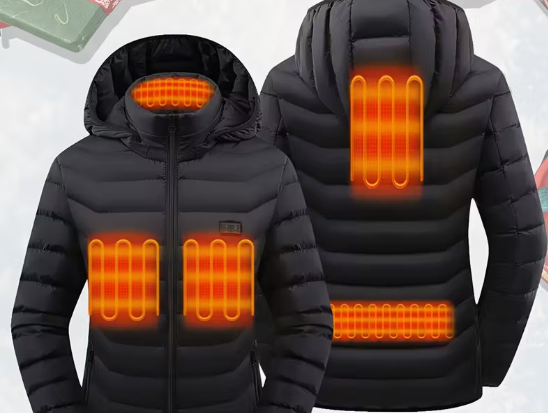
Smart clothing is another fast-growth category. Grand View Research says the global smart clothing market was worth about $5.88 billion in 2025 and could reach $38.94 billion by 2033, growing at 26.8% annually from 2026 to 2033.
For many dropshippers, fully advanced smart clothing may still be too complex. But adjacent products like heated vests, heated socks, temperature-regulating garments, and utility-focused apparel sit in a much more practical sweet spot.
Why it is trending
Wearables are expanding beyond watches and rings. Buyers are increasingly open to clothing that adds convenience, comfort, or light utility. In colder markets, heated apparel also has clear seasonal appeal and strong demo potential.
Best target audiences
Outdoor workers
Commuters
Travelers
Older buyers
Winter sports audiences
Gift shoppers in Q4 and Q1
Best content angles
“Why I wear this on cold commutes”
“Winter gear with built-in heat”
“Outdoor comfort upgrade”
“Techwear meets everyday comfort”
Risks
Seasonality is the main one. This product can perform very well at the right time, but it is less evergreen in warmer regions. Battery quality and safety are also critical.
Verdict
Excellent seasonal winner and strong niche-store product.
9. Compact wellness devices for home recovery
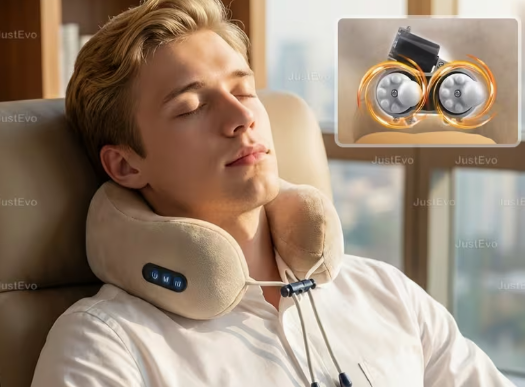
This category includes red light therapy belts, mini massage devices, compression-style recovery tools, and other compact home-use recovery products. Exploding Topics specifically highlighted red light therapy belts and similar home health devices as products gaining attention.
Why it is trending
Consumers increasingly spend on convenience-based wellness rather than only on traditional fitness gear. They want products that help them feel better after work, workouts, or travel. These devices also perform well because they are highly visual in short-form video and often feel premium without being too difficult to understand.
Best target audiences
Fitness audiences
People with active lifestyles
Office workers
Travelers
Self-care buyers
Ages 30+
Best content angles
“My 15-minute recovery routine”
“Home wellness gadget that fits in a drawer”
“Post-workout comfort tool”
“Why everyone is building a home recovery setup”
Risks
This niche is claim-sensitive and supplier-sensitive. Poor build quality ruins trust quickly, and overaggressive marketing language can create compliance problems.
Verdict
A strong 2026 category, especially for content-heavy stores with a wellness angle.
10. Premium portable audio accessories
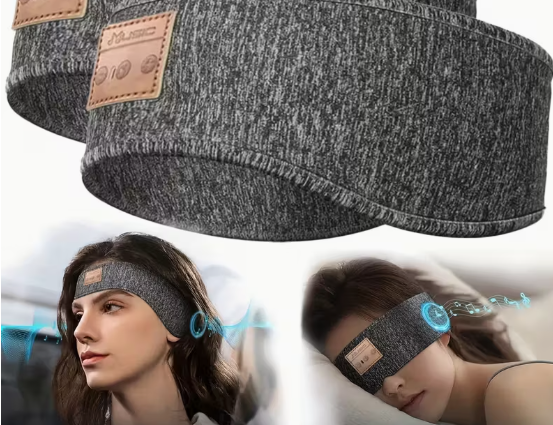
Portable consumer electronics remain a healthy area of demand. Grand View Research notes that portable electronics continue to benefit from smartphone use, remote work, entertainment, and fitness habits, with wearables, wireless earbuds, Bluetooth headphones, and portable speakers all seeing ongoing popularity.
For dropshippers, the strongest angle is not trying to outcompete massive electronics brands directly. It is focusing on accessory-led or design-led portable audio products: sleep earbuds, compact speakers for travel, clip-on speakers, workout audio accessories, or hybrid lifestyle audio gear.
Why it is trending
Consumers carry entertainment everywhere. They also care more about aesthetics, compactness, and specific use cases like sleep, gym, travel, and outdoor socializing.
Best target audiences
Travel buyers
Students
Gym users
Remote workers
Young professionals
Gift buyers
Best content angles
“Tiny speaker, huge utility”
“Sleep-friendly audio setup”
“Travel audio essential”
“Better than carrying bulky headphones everywhere”
Risks
General audio categories can be competitive and return-prone. Focus on niche use cases and visual product storytelling rather than broad “best earbuds” claims.
Verdict
Best for brand builders who can niche down instead of selling generic electronics.
How to choose the best one from this list
Not every trending product is right for every store. The smartest move is to match the product to your strengths.
If you are good at emotional storytelling, pet tech is an excellent choice. Products like AI pet cameras and GPS collars are easier to sell when your ads and UGC focus on love, reassurance, and “pet parent” identity.
If you are strong at beauty content, red light therapy masks are probably the best fit. This niche rewards clean branding, lifestyle imagery, and convincing creator-style product demonstrations.
If you prefer practical problem-solving products, posture wearables, portable blenders, and compact wellness devices are easier to explain in direct-response formats.
If you want a more premium store angle, smart rings, portable espresso makers, and design-forward portable electronics give you more room to build a brand that looks curated rather than generic.
A simple rule helps here: choose products where your marketing can add meaning. If you can only compete on price, the idea is probably too crowded.
How to validate a dropshipping product before launching
A trend is not automatically a winning product. You still need validation.
Start by checking whether the product is easy to demonstrate in three formats: a 10-second hook video, a testimonial-style UGC ad, and a product page GIF or explainer image. If you cannot imagine those assets, conversion will be harder.
Next, study the competitive landscape. Search the product on TikTok, Instagram, major marketplaces, and Google Shopping. You are not trying to find zero competition. You are trying to see whether the market is alive and whether most competitors look weak. Weak competitors are a good sign. Saturated markets with polished brand leaders are harder.
Then test supplier quality. Order samples whenever possible. For electronics, app-connected products, and health-adjacent devices, this matters even more. If setup is confusing or the product feels cheap in hand, your marketing will not save it.
You also need to judge margin structure. Some trends are real but still poor dropshipping opportunities because shipping is expensive, return risk is high, or buyers compare prices too easily. Portable blenders and coffee tools, for example, can work well, but only if you package them with a strong angle, upgraded creative, and reasonable perceived value.
Finally, think about repeatability. Can this product lead to bundles, upsells, or a broader niche? Pet stores can add feeders, grooming tools, toys, and trackers. Beauty stores can add masks, wands, organizers, and skincare accessories. A product that opens the door to a category is usually better than a one-off hit.
Marketing strategies that work best in 2026
The best dropshipping marketing in 2026 is not about looking like a giant brand on day one. It is about reducing buyer skepticism quickly.
That usually means:
UGC-style creative
Real use-case demonstrations
Clear problem-solution hooks
Niche landing pages
Social proof
Short-form organic testing before paid scale
Smart rings need premium-minimal creative and lifestyle authority. Pet products need emotional storytelling and “I worry about my pet when I’m out” messaging. Beauty tools need routine-based content and visually pleasing demonstrations. Portable utility products need convenience-led videos that immediately show the payoff.
Another major shift in 2026 is that generic “wow product” ads are weaker than audience-specific angles. A portable blender sold to gym-goers is different from a portable blender sold to busy office workers. A pet camera for anxious dog owners is different from a pet camera for cat owners who want entertainment and interaction.
That is where most new sellers fail. They sell a product. Winning sellers sell a scenario.
Common mistakes to avoid
The first mistake is choosing trends that are hard to explain. If the product needs a full paragraph before the user understands it, your ad will likely struggle.
The second mistake is ignoring support requirements. App-connected electronics, wellness devices, and beauty gadgets all create more customer questions. If you want a low-support business, choose simpler products.
The third mistake is copying saturated creative. If your ads look identical to everyone else’s, you will compete mostly on CPM efficiency and luck. Better positioning usually beats slightly better targeting.
The fourth mistake is making unsafe claims. This matters a lot in wellness, beauty, and pet categories. Stay grounded in what the product does, not miracle promises.
The fifth mistake is launching too many products at once. Trend stores often become messy because the seller keeps adding random items. One strong niche with a coherent audience usually performs better than a store full of unrelated gadgets.
Final thoughts
The best trending dropshipping products in 2026 are not random impulse items. They are products attached to larger shifts in consumer behavior: wearable wellness, smarter pet care, at-home beauty, convenience-led nutrition, portable comfort, and compact personal technology. The strongest categories on that list are backed by real momentum. Smart rings are riding a fast-growing wearable market. Pet tech and pet wearables continue to expand. Portable electronics remain strong. Beauty gadgets and compact wellness devices still benefit from the ongoing move toward home-based routines.
If you want the highest-upside products from this list, I would put them in this order for 2026:
1. Smart rings
2. AI pet cameras
3. Pet GPS and health-tracking collars
4. Red light therapy masks
5. Portable blender bottles
6. Portable espresso makers
7. Compact wellness recovery devices
8. Smart posture correctors
9. Heated apparel and smart clothing adjacencies
10. Premium portable audio accessories
The reason these stand out is simple: they each combine trend momentum, visual marketing potential, strong buyer motivation, and room for niche positioning.
In other words, they are not just trending. They are sellable.
If you want, I can turn this into a more polished SEO blog format with a title tag, meta description, intro, conclusion, and FAQ section ready for publishing.