
With e‑commerce accelerating into 2026, certain trending products stand out as high-potential dropshipping opportunities. These items combine consumer demand with strong profit potential. For each product below, we provide a concise description and evaluate four key metrics—profit margin, market saturation, current popularity, and future outlook—on roughly a 0–10 scale or with percentages. We also explain why each is worth considering for your store, and offer suggestions on how to best include it.
15 Viral Dropshipping Products 2026
1. Smart Fitness Rings
2. Magnetic Posture Correctors
3. LED Face Mask Therapy
4. Portable Blender Bottles
5. Reusable Silicone Food Bags
6. UV Sanitizing Phone Cases
7. Foldable Electric Scooters
8. Smart Pet Feeders
9. Wireless Charging Desk Lamps
10. Mini Projectors
11. Eco Bamboo Toothbrushes
12. 3D Printing Pens
13. Smart Garden Kits
14. Neck & Shoulder Massager Wraps
15. Mini Air Purifiers
1. Smart Fitness Rings
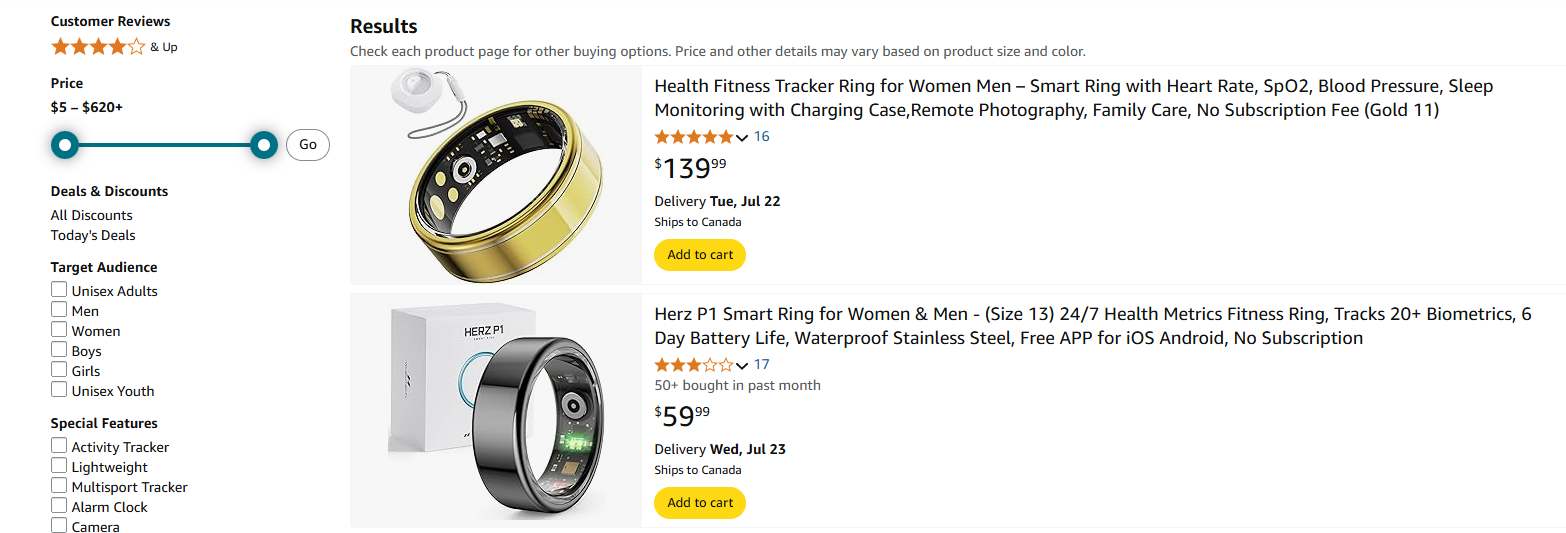
Smart fitness rings (like Oura Ring and similar devices) are wearable trackers in ring form that monitor health metrics (sleep, heart rate, steps). They tap into the booming wearables trend, offering a discreet alternative to smartwatches. Demand for fitness trackers is surging: the global wearable fitness market was about $62.9 billion in 2024, and smart rings (a fast-growing subset) are projected to hit ~$252 million by 2027.
-
Profit Margin: High (~50–70%). Many dropshippers note that generic fitness trackers (including rings) can be sourced for $15–30 and sold for $50–100, yielding ~50–70% gross margin.
-
Market Saturation: Moderate (about 6–7/10). Large brands (Oura, Motiv) exist, but there are many inexpensive clones. The niche is new enough that competition isn’t fully saturated, though increasing.
-
Current Popularity: Strong (≈8/10). Smart rings gained viral attention in 2024 (a 30%+ CAGR trend) and social media buzz. Google Trends shows rising searches for “smart ring,” indicating high interest.
-
Future Outlook: Very high (≈9/10). The smart ring market is forecast to grow ~30% annually, driven by health-conscious consumers and advancing tech (e.g. sleep, stress monitoring).
Why dropship it: Smart rings combine high perceived value with fitness/wellness appeal. They address consumers’ desire for sophisticated health tech in a fashionable form. The high margins and growing market make them attractive. To sell effectively, target fitness and health audiences (e.g. fitness influencers, wellness blogs) and highlight unique ring features (sleep tracking, battery life).
Recommendation: ✅ Include. Smart fitness rings fit well in an active/lifestyle store. Emphasize trending designs and scientific endorsements to stand out.
2. Magnetic Posture Correctors
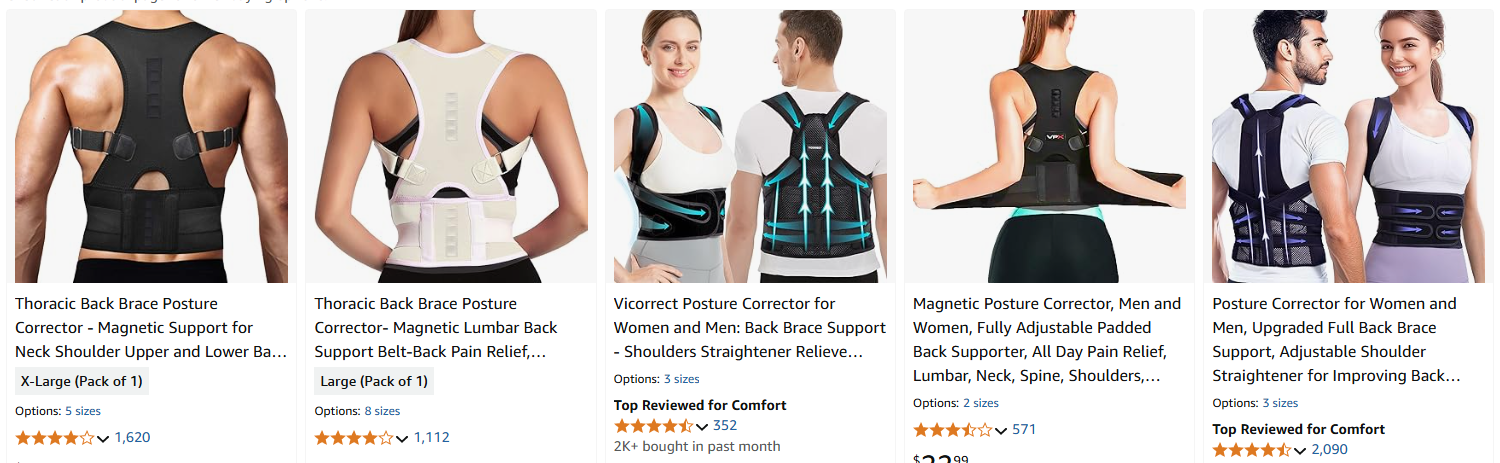
Magnetic posture correctors are shoulder/back braces that use magnets or ergonomic design to gently pull the shoulders back, improving posture. They address common issues from long hours sitting or poor ergonomics. The global posture corrector market is sizeable – about $1.66 billion in 2024 and growing ~6.5% per year. Consumers (especially remote workers) increasingly seek affordable solutions for back and neck pain.
-
Profit Margin: Moderate (~40–50%). Entry-level posture braces can be sourced for $8–10 and sold for $15–18, giving ~40–50% margin. Magnetic or premium versions can command higher retail.
-
Market Saturation: High (≈8/10). Many dropshippers and Amazon sellers offer posture products. The niche is well-known and crowded, though “magnetic” variants may slightly differentiate.
-
Current Popularity: Moderate (≈6/10). Interest is steady but not rapidly spiking. Posture issues are perennial, so demand is consistent rather than viral.
-
Future Outlook: Medium (≈6/10). Forecasts show steady growth (market ~CAGR 6–8%) due to rising sedentary lifestyles and wellness trends. No explosive growth, but solid demand.
Why dropship it: It solves a universal pain point (literally) for office workers and students. Posture braces are lightweight and easy to ship, and higher-end models (with magnets or motion alerts) can be marketed as “smart” upgrades. The key is differentiation—emphasize comfort (adjustable straps, breathable fabric) and any unique features.
Recommendation: ✔️ Include with caution. To succeed, focus on niche marketing (e.g. digital nomads, gamers) and combine with posture-focused content. A softer selling point is wellness (e.g. “over 60% of adults suffer back pain”) rather than just “correctors.” Bundle with back-support accessories to raise order value.
3. LED Face Mask Therapy
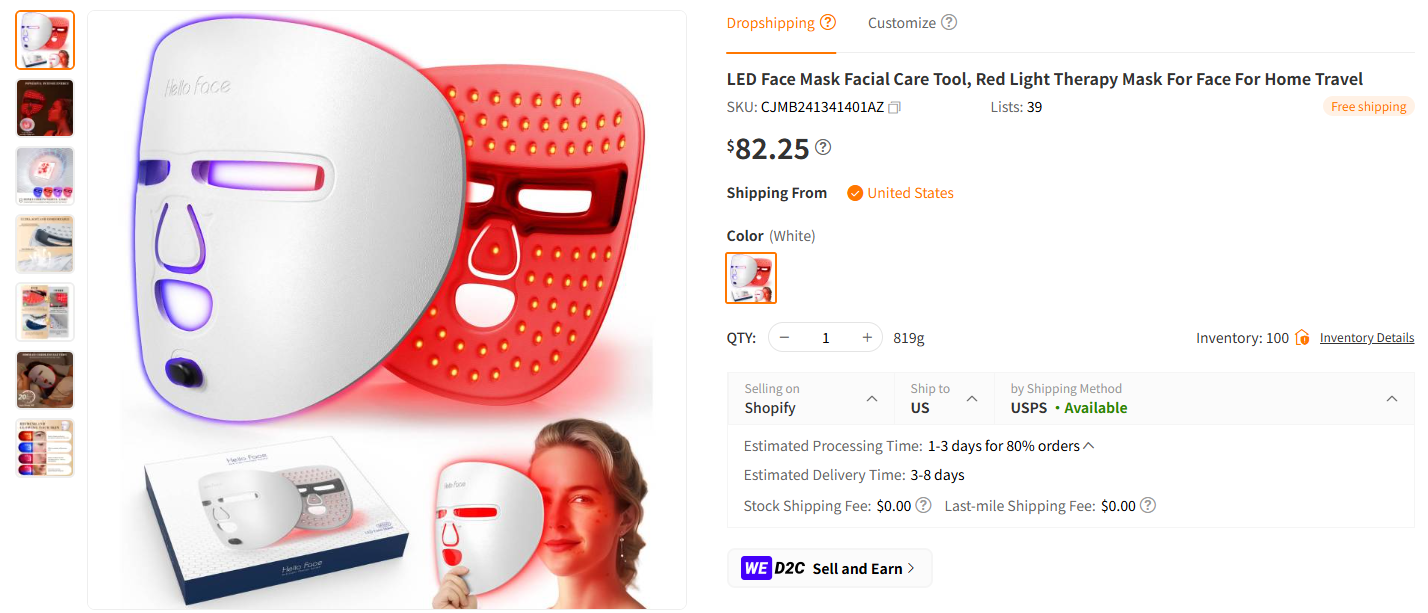
LED light therapy face masks use colored LEDs (red, blue, infrared) to treat acne, wrinkles, and skin healing at home. They’ve gained popularity for at-home “K-beauty” skincare. The market is fast-growing – $322 million (2024) to ~$822 million by 2033 (CAGR ~11%). Rising consumer awareness of tech-driven beauty (and post-Covid home treatments) fuels demand.
-
Profit Margin: Very high (around 60–80%). These are often marketed as “high-ticket” beauty devices. Dropshipping sources report buying masks for ~$30 and selling for $80–100, implying ~80% markup.
-
Market Saturation: Moderate (≈7/10). Some competition exists on Amazon and beauty stores, but new models and tech upgrades keep it fresh. Social media (TikTok beauty) continues to spotlight them.
-
Current Popularity: High (≈8/10). LED masks are a known trend among skincare enthusiasts. Online search interest is strong, driven by anti-aging and acne care fads. Many beauty influencers have tested them.
-
Future Outlook: High (≈8/10). With an 11% CAGR projection, the trend shows longevity. As gadgets improve (wireless, safer power), adoption will grow, especially among younger consumers seeking painless treatments.
Why dropship it: These masks address widespread skin concerns with the allure of high-tech skincare. They allow for big markups because customers perceive medical/spa-level value. To sell, emphasize dermatology benefits (FDA approvals, color uses) and user reviews. Offer variations (different wavelengths, fit sizes) for personalized marketing.
Recommendation: ✅ Include. Position them as premium beauty tools. Use video demos (show the lights) and before/after photos. Consider bundling with related skincare (serums or face rollers) for higher conversion.
4. Portable Blender Bottles
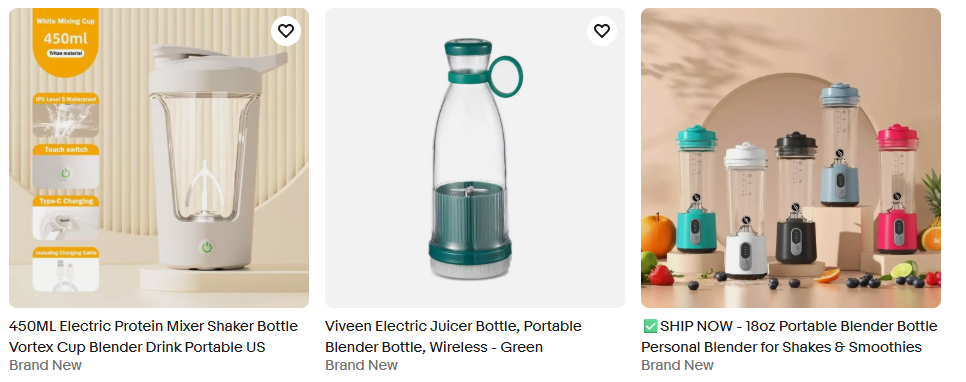
Portable (USB-chargeable) blender bottles let consumers make smoothies, shakes and juices on the go. They cater to the health-conscious and busy lifestyle market. The market is growing steadily: about $233 million (2024) and a modest ~4.9% CAGR through 2034. Their appeal lies in convenience for gym-goers or travelers.
-
Profit Margin: Good (~50–55%). Costing ~$15–18 and selling for $35–40, these blenders yield roughly 50–55% profit. They hit a sweet spot of mid-range price for consumers.
-
Market Saturation: Moderate (≈7/10). Many generic models exist on AliExpress and Amazon, but branding and design variations help differentiation (e.g. stainless steel vs plastic, extra sports gear included).
-
Current Popularity: Fair (≈7/10). The item appears regularly in fitness product roundups, and social posts of smoothies fuel interest. Seasonally higher in summer months.
-
Future Outlook: Moderate (≈6/10). Growth is steady but not explosive – ~5% CAGR. Still, new models (e.g. louder motor, self-cleaning features) can refresh the market.
Why dropship it: Portable blenders tap into on-the-go wellness trends and have broad appeal (fitness buffs, busy parents). Their high perceived value (multifunctional, rechargeable) justifies the price. Marketing should highlight lifestyle (e.g. “fresh juice anywhere in 30 seconds!”). Ensure product quality claims are clear (motor power, battery life).
Recommendation: ✔️ Include. They complement fitness, kitchen, or travel niches. Bundle with recipe ebooks or fitness accessories to increase cart size. Running time-limited deals (e.g. “Smoothie Sunday” promotions) can drive spikes.
5. Reusable Silicone Food Bags
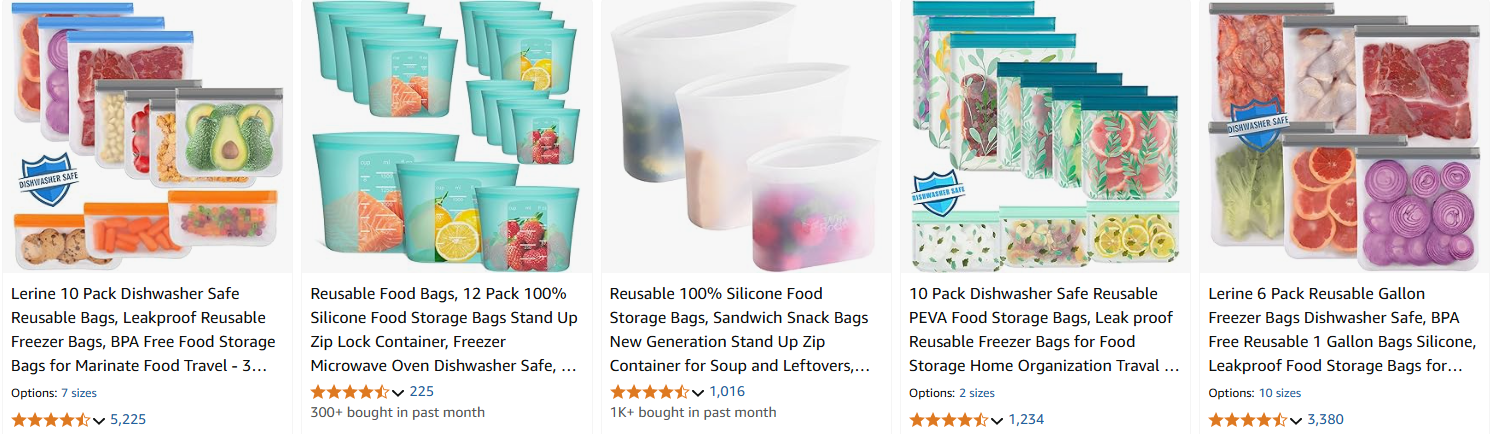
Silicone food storage bags are eco‑friendly alternatives to disposable plastic bags. They are washable, zip-lock pouches made of food-grade silicone. Driven by sustainability trends, their use has expanded rapidly. The silicone storage bag market is large – about $3.22 billion (2024) globally, though only ~$2.1 billion of that is reusable segment. Growth is slow (~2–3% CAGR) but steady as plastic bans and eco-awareness rise.
-
Profit Margin: High (~60–80%). A set of silicone bags can be sourced cheaply (often a few dollars per bag) and sold at 3–5× cost. For example, one analysis cites buying at $10 and retailing at $59 (though exact numbers vary). Even simple sets can have ~70%+ markup.
-
Market Saturation: Moderate (≈6/10). There are many sellers (both branded like Stasher and generic sets). However, new entrants can succeed by niche branding (e.g. funky prints, specialized sizes). The market values differences in design and quality.
-
Current Popularity: High (≈8/10). “Eco swap” products are in vogue on social media and among Millennials/Gen Z. Google searches for “silicone bag” and “sustainable kitchen” have been trending upward. In one guide, reusable silicone bags were singled out as a top eco-item for 2026.
-
Future Outlook: Moderate (≈7/10). The market is sizable but not exploding (market to reach ~$4.2 B by 2034). Growth around 2–3% reflects mainstream adoption. Still, as plastic waste bans increase, demand for these alternatives will stay strong.
Why dropship it: It’s a zero-waste staple that appeals to eco-conscious shoppers. The high markup means strong per-unit profit. To stand out, focus on premium quality (BPA‑free, FDA‑grade, leakproof) and convenience (microwave/oven safe). Use “green” branding and highlight cost-savings vs disposable plastic. Bundling with other reusable items (e.g. beeswax wraps, bamboo utensils) is effective.
Recommendation: ✅ Include. Particularly in a “green living” store, these are easy wins. Run campaigns around Earth Day or plastic-free July. Offer bundles of various sizes and colors to encourage larger orders.
6. UV Sanitizing Phone Cases
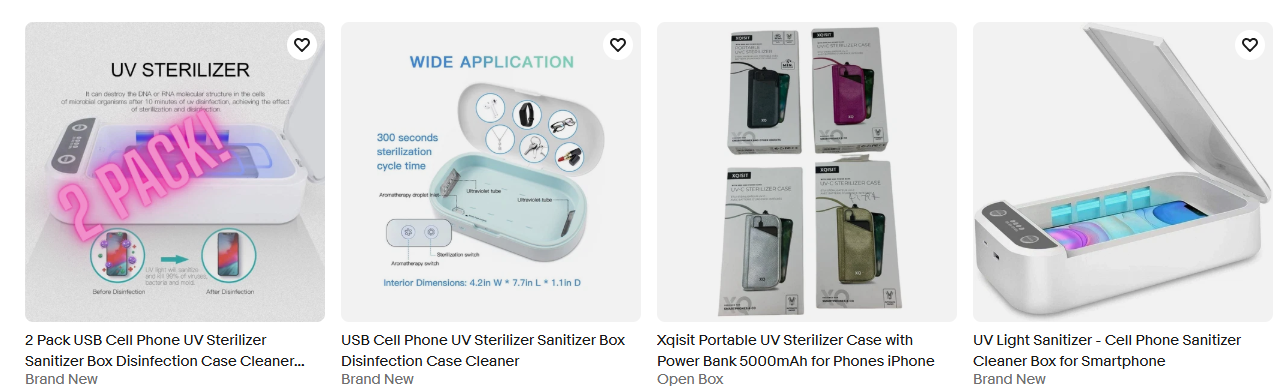
UV phone cases incorporate ultraviolet LED lights to sanitize the phone surface or even charge the phone. They capitalize on the post-pandemic hygiene trend. While specific data on cases is scarce, the broader smartphone sanitizer market is robust – valued ~$183 million in 2024 with ~10% annual growth. Personal sanitizing gadgets remain in demand for germ-aware consumers.
-
Profit Margin: Moderate to High (≈50–60%). UV cases typically cost ~$10–15 to source (similar to UV sanitizer boxes) and can retail for $25–30, yielding ~50–60% markup. Premium designs (leather, multi-mode) can price higher.
-
Market Saturation: Moderate (≈7/10). The novelty is fading a bit since 2020, but few dropshippers carry this exact item. Cases can differentiate from generic sanitizers.
-
Current Popularity: Medium (≈6/10). Health-conscious buyers are aware of UV disinfection; interest may spike with seasonal illnesses. However, overall consumer excitement is less than at pandemic peak.
-
Future Outlook: Good (≈7/10). Global smartphone sanitizer market is growing (projected $114 M in 2026). While niche, it fits ongoing trends in tech hygiene and “smart” accessories. Manufacturers likely to improve battery life and portability.
Why dropship it: It merges two everyday items—phone case and sanitizer—offering clear benefits (killing germs on a frequently touched item). Highlight convenience (“charge and clean in one step”) and tech appeal. Pair with other sanitizing products (e.g. UV toothbrush holders) in your store. Ensure customers understand how it works safely (UV instructions).
Recommendation: ✔️ Include for tech/health niche. Emphasize the innovative angle (“gadgets for cleanliness”). It may be a harder sell than others, but can command good margins in a tech gadget section.
7. Foldable Electric Scooters
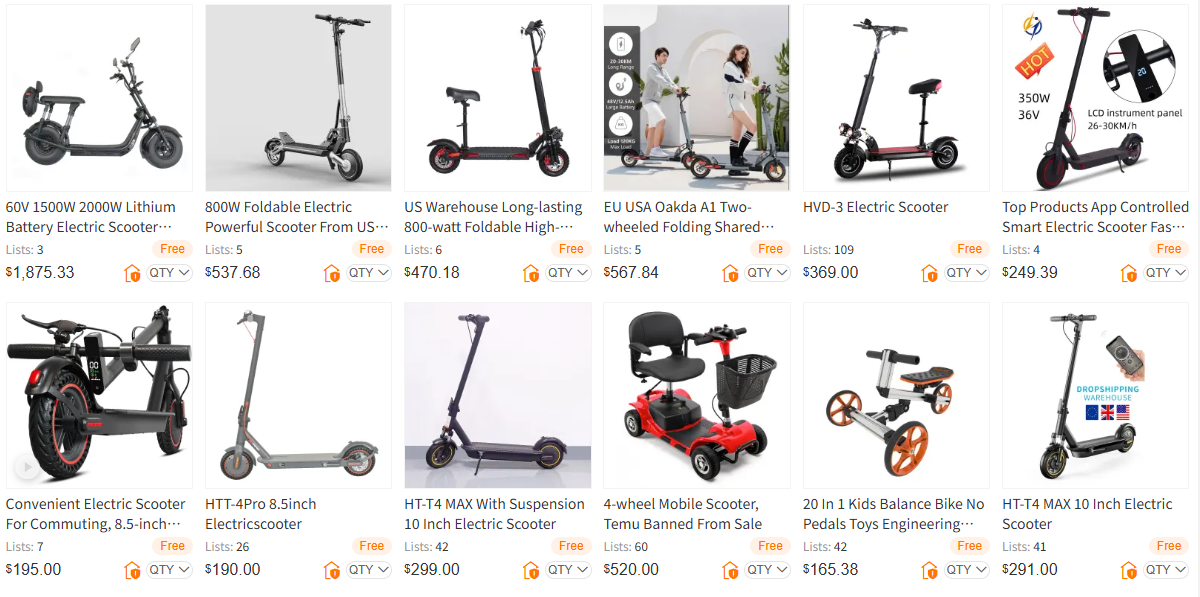
Foldable electric scooters provide portable, battery-powered urban transport. With micromobility on the rise, these have become commuter favorites. The global foldable scooter market was about $658 million in 2024, projected to reach ~$1.02 billion by 2033 (≈4.5% CAGR). This moderate growth is driven by urban congestion and eco-friendly commuting.
-
Profit Margin: Moderate (~30–40%). These are expensive items (retailing ~$200–500), so absolute profits can be large even with ~40% margin. Sourcing prices vary widely; high-ticket categories mean you must handle larger payments and potential returns.
-
Market Saturation: Moderate (≈7/10). Some established brands (Xiaomi, Segway) dominate, but generic models exist. Many new riders look online for deals on lesser-known brands. Dropshippers can succeed with niche angles (lightweight models, off-road).
-
Current Popularity: High (≈8/10). Demand peaks in summer (SaleHoo notes August high-season) and among city commuters. Social media and ride-share trends keep them visible. Google Trends shows steady interest in “electric scooter.”
-
Future Outlook: Good (≈7/10). Market growth (~4.5%) is modest but stable. Rising urbanization suggests continual demand. Expect steady, not explosive, growth.
Why dropship it: These scooters carry high perceived value and serve a clear need (short-range transit). They fit with eco-friendly branding too. To sell, focus on key specs (range, speed, weight) and use lifestyle imagery (riding to work, college campus). Offer warranties and emphasize safety certifications, as customers invest significant money.
Recommendation: ✔️ Include for a tech/transport store, but carefully. Given the ticket size, target affluent or practical urban consumers. Use customer reviews or influencer demos to reassure quality. Consider offering accessories (helmets, locks) as upsells.
8. Smart Pet Feeders
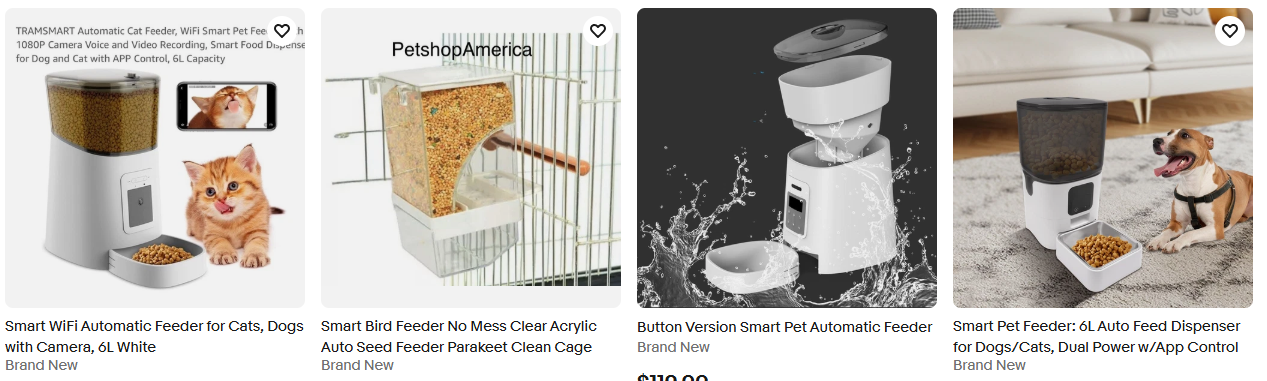
Smart pet feeders are automated devices that dispense pet food on a schedule, often app-controlled. They appeal to pet owners who travel or want portion control for their pets. The global smart pet feeder market was ~$1.46 billion in 2024 and is expected to grow ~8.5% annually. Integration with smartphone apps and voice assistants is a key trend (e.g., Alexa-enabled feeders).
-
Profit Margin: High (≈50–60%). Basic models (no camera) cost maybe $40 and sell for $80–100. Wi-Fi or camera models cost more (sold at $150+), but still allow 50%+ margins.
-
Market Saturation: Moderate (≈7/10). The market is fairly mature with several known brands (PetSafe, etc.), but many non-branded feeders exist. Varieties (cat vs dog size, wet vs dry) let you niche down.
-
Current Popularity: High (≈8/10). Given increasing pet ownership, owners seek automation solutions. Social media feeds are full of “Alexa, feed the cat” gimmicks. Google searches for “automatic pet feeder” are robust.
-
Future Outlook: Very high (≈9/10). Expected to double by 2030 (to ~$2.35 billion). Continued growth is driven by IoT penetration and busy lifestyles. Smart home synergy (pet cameras, trackers) also bolsters it.
Why dropship it: It solves a real problem (feeding pets reliably) and taps the lucrative pet-care market (worth hundreds of billions globally). To market effectively, highlight convenience and pet health (timely feeding, prevent obesity). Cameras on feeders allow cute pet interaction content for social ads.
Recommendation: ✅ Include. Pet owners are very engaged shoppers. Cross-sell with pet treats or toys. Emphasize app features (e.g. remote feeding via smartphone), and target travel-heavy demographics (e.g., “Never worry about your pup’s dinner again on vacation!”).
9. Wireless Charging Desk Lamps
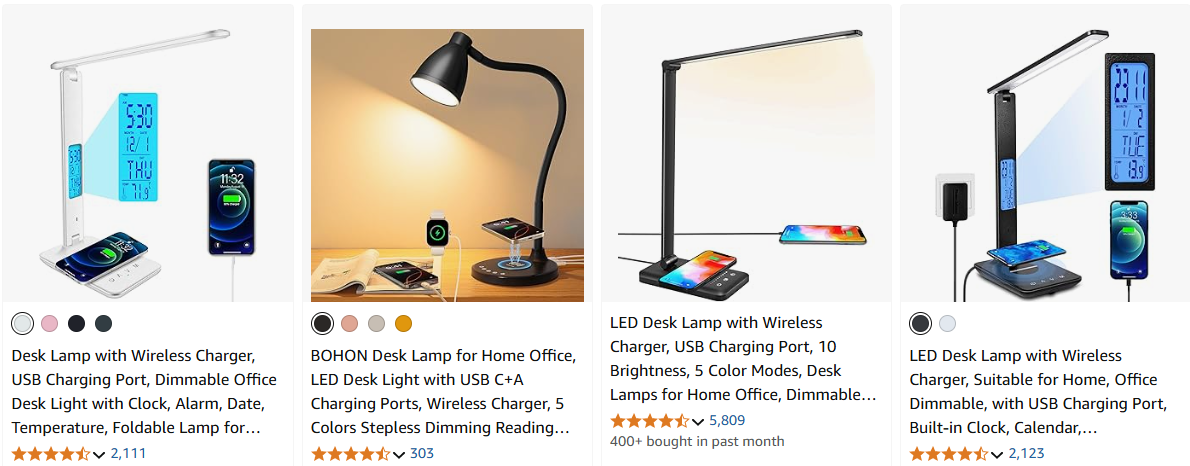
Wireless charging desk lamps combine LED task lighting with a built-in wireless Qi charging pad for phones. They cater to home office and tech-savvy consumers. The desk lamp market was about $1.52 billion in 2023, growing 5–6% annually. Wireless lamps are a fast-growing segment; the “wireless” category alone is projected to exceed $1.52 billion by 2032.
-
Profit Margin: Moderate (≈50%). These lamps often retail $30–60. A typical model might cost $15 and sell for $35–40, yielding ~50% gross margin. Branded or feature-rich versions command higher prices.
-
Market Saturation: High (≈8/10). Many manufacturers (from Ikea to Amazon Basics) offer variants. The concept is widely copied. However, stylish design or unique features (touch controls, color-changing LEDs) help differentiation.
-
Current Popularity: Moderate (≈7/10). As work-from-home persists, desk accessories are in demand. Lamps with wireless chargers have a clear use case. They’re often featured in office-tech gift guides.
-
Future Outlook: Good (≈7/10). Smart home and desk device integration is on-trend. The broader LED desk lamp market will grow ~5.3% CAGR, and wireless models will outpace traditional ones (already a large share of sales).
Why dropship it: It merges two valued features – lighting and phone charging – into one gadget. It appeals to customers looking to declutter cords. For marketing, emphasize convenience (“one less cable on your desk”) and modern design. Bullets on energy-saving LED and eye protection can also attract buyers.
Recommendation: ✔️ Include for office or tech niche. Best as an upsell or bundle with home-office setups (e.g. pairing with mousepads or organizer trays). Because competition is high, offer variety (multiple colors/styles) and bundle deals (lamp + phone stand).
10. Mini Projectors
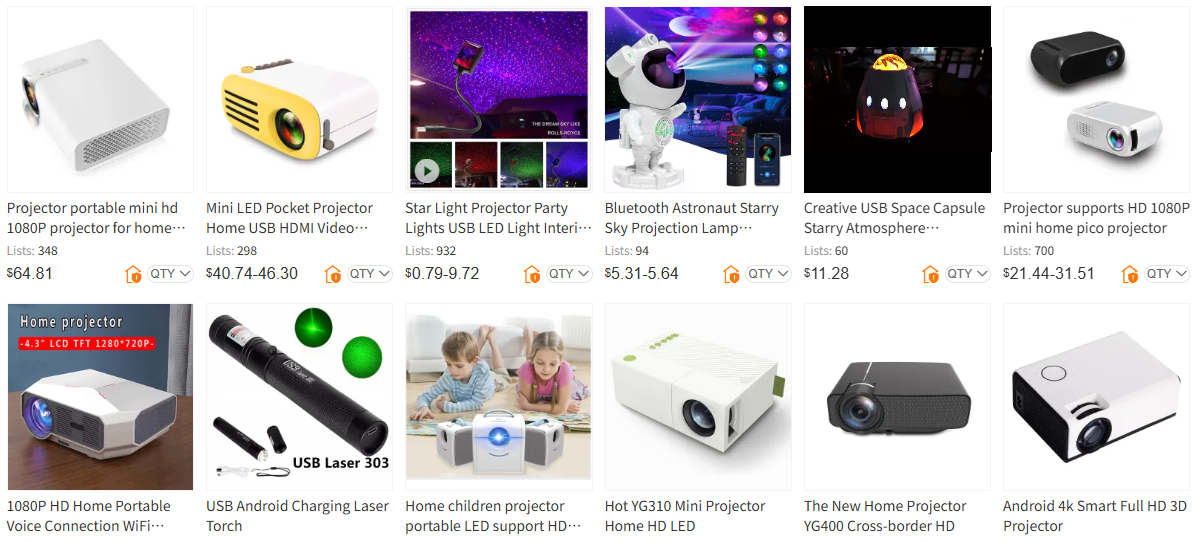
Mini (portable) projectors are compact devices that project video/images from phones or laptops onto a wall. They’re used for home theater, gaming, presentations, or outdoor movie nights. The portable projector market is growing strongly – about $1.9 billion (2023) to $3.6 billion by 2033 (≈6.6% CAGR). Key drivers include remote work/learning, streaming, and mobile entertainment.
-
Profit Margin: Good (≈40–50%). A decent mini projector can cost ~$100–150 and sell for $200–300. For example, consumer models average ~$165. Margins around 50% are common in electronic gadgets like this.
-
Market Saturation: Moderate (≈7/10). There are many brands (Anker Nebula, AAXA, etc.) and generic imports. However, new features (higher lumens, built-in Android OS, battery life) keep the market dynamic. Branding and reviews are critical.
-
Current Popularity: High (≈8/10). After 2020, home entertainment gadgets soared. Mini projectors feature in gift guides and travel gear. Many viral videos show backyard cinema setups. Google Trends for “portable projector” and “movie night” remain high.
-
Future Outlook: Very high (≈9/10). Market forecasts project steady growth. As tech improves (4K, laser, lighter form), adoption will grow. Plus, growing interest in experiential home products (VR, gaming) favors these.
Why dropship it: These offer a wow factor – large screen anywhere. Margins are solid for electronics. When selling, highlight ease-of-use and versatility (“cinema on the go, presentations in seconds”). Provide content (short videos) of projectors in use. Consider bundling with portable speakers or projector screens for cross-sell.
Recommendation: ✅ Include as a standout tech gadget. Emphasize unique selling points (e.g. native apps, battery-powered). Due to electronics, ensure clear return/refund policy and mention warranty. Good for electronics stores or as a featured “tech gift” item.
11. Eco Bamboo Toothbrushes
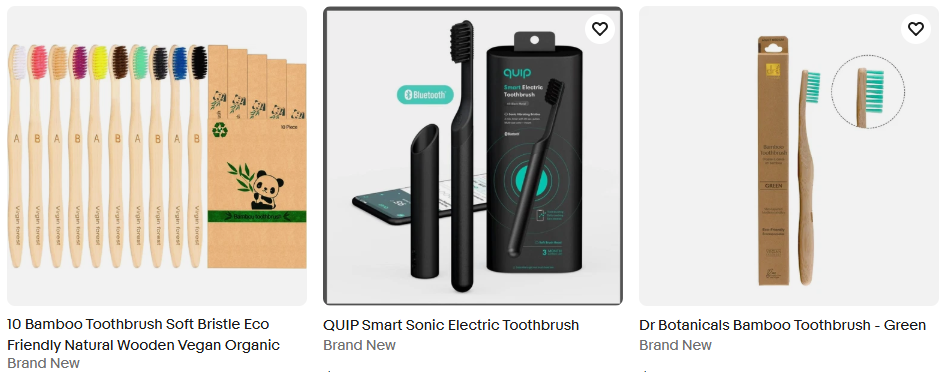
Bamboo toothbrushes have bamboo handles and nylon bristles, and are marketed as biodegradable alternatives to plastic toothbrushes. The market is small but rapidly growing due to sustainability. In 2024 it was only about $36.6 million, but expected to almost double by 2030 (≈9.9% CAGR) as eco-conscious consumers switch products. Bamboo brushes are simple, inexpensive, and often sold in multi-packs.
-
Profit Margin: Very high (≈70–80%). A bamboo toothbrush costs ~$1–2 and retails for $5–8. Multipacks (e.g. 4-pack) often go for $20–25. Profit margins can reach 70–80% or more.
-
Market Saturation: Moderate (≈7/10). Many online brands and Amazon sellers already carry them. However, demand is still growing and niche branding (e.g. charcoal bristles, colored handles, kids’ characters) can help new entrants.
-
Current Popularity: High (≈8/10). “Zero-waste” dental care has strong appeal. Searches for “bamboo toothbrush” and mentions in eco-friendly blogs are trending up. Millennial/Gen-Z demographics especially favor sustainable swaps.
-
Future Outlook: High (≈8/10). With nearly 10% CAGR, the market looks very promising. Environmental policies and consumer shifts away from plastic will keep demand rising. Growth is driven by increased distribution (also offline retail) and repeat purchases.
Why dropship it: It’s a low-cost entry into the booming sustainable products niche. Customers feel good about “saving oceans” with each brush. To market, highlight natural materials (bamboo, charcoal bristles), certifications (BPA-free, FDA compliance), and lifestyle (eco-friendly bathroom kits). Encourage subscription models for repeat buyers.
Recommendation: ✅ Include. Easy upsell to bathroom or travel accessories. Promote them in “starter packs” with floss, toothpaste tablets, etc. Capitalize on social causes (e.g. Earth Day promos). The low unit cost and high markup make them a staple item.
12. 3D Printing Pens
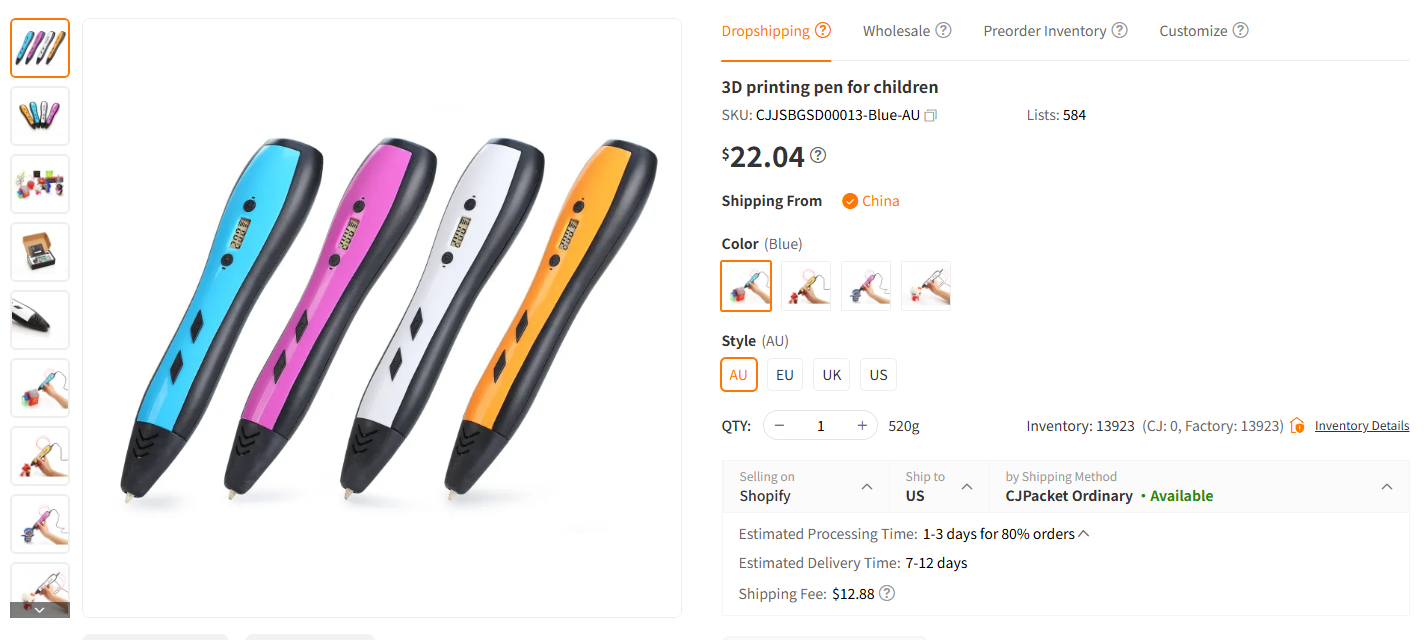
3D printing pens extrude heated plastic filament, allowing the user to “draw” three-dimensional objects by hand. They appeal to artists, hobbyists, educators, and crafters. The market is gaining momentum: valued at only ~$48 million in 2022 but expected to grow at ~20% CAGR through 2032. This growth is fueled by STEM education trends and the maker movement.
-
Profit Margin: High (≈60–70%). A basic 3D pen costs ~$10–20 and can sell for $30–50. Even inexpensive sets (with extra filaments) triple the wholesale cost. Higher-end pens (with more features) still allow ~50% markup.
-
Market Saturation: Moderate (≈6/10). The niche has some big names (3Doodler, CreoPop) but also many generic models. Demand is niche (art/education), so it’s less crowded than everyday gadgets. Newer, safer low-temp pens are continuing innovation.
-
Current Popularity: Medium (≈6/10). Interest is growing in maker communities. It’s not mainstream trending, but schools and hobby sites are increasingly showcasing 3D pen projects. The novelty factor is high for first-time buyers.
-
Future Outlook: Very high (≈9/10). With a projected 20% CAGR, the market is set to expand rapidly. As 3D printing tech becomes cheaper and more educational, 3D pens will likely be a staple in maker kits and classrooms.
Why dropship it: They combine tech appeal with creativity, making them great impulse or gift items. To sell, emphasize fun and learning: show examples of projects (artwork, prototypes). Safety (low-heat models for kids) is also a selling point. Create how-to guides or bundle with extra filament for value.
Recommendation: ✔️ Include for creative/tech stores. Position them as “STEM toys” or designer tools. Partner with art or DIY influencers to demonstrate. Their high margins and growth make them a strong pick for a specialized niche offering.
13. Smart Garden Kits
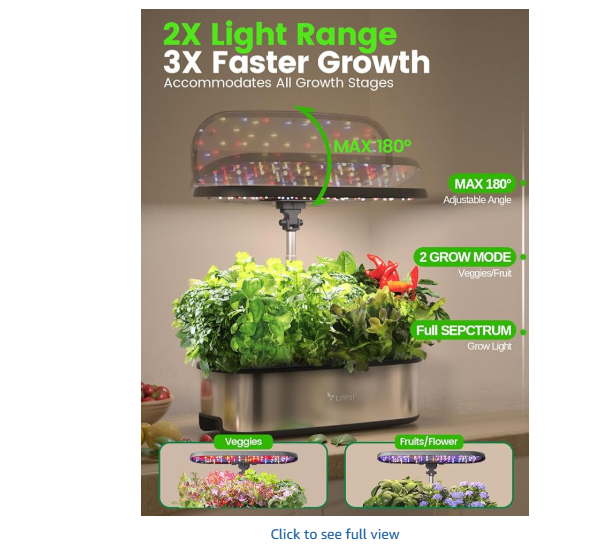
Smart garden kits (also called indoor hydroponic or grow kits) allow people to grow herbs and small plants indoors easily. These typically include LED grow lights, watering systems, and seed pods. They’ve become popular as part of the smart home/gadget trend and the clean eating movement. The global smart indoor gardening market was $2.19 billion (2024) and projected to reach ~$2.92 billion by 2029 (≈6.1% CAGR).
-
Profit Margin: High (~60%). A simple kit (e.g. one plant pod with lights) might cost $25–30 wholesale and sell for $60–80. Larger setups can be a few hundred dollars. Even at high retail, sourcing costs remain low, giving large margins.
-
Market Saturation: Moderate (≈7/10). Brands like Click & Grow and AeroGarden dominate, but many cheap generic kits exist. Differentiation can come through aesthetic design or unique features (app control, Wi-Fi connectivity).
-
Current Popularity: High (≈8/10). Urban gardeners and tech enthusiasts embrace them. They are frequently featured in home decor and healthy living articles. Social media posts (fresh herbs in kitchens) keep visibility high.
-
Future Outlook: Strong (≈8/10). The smart garden market is growing steadily. As more people adopt smart home devices and seek local/fresh produce, demand will rise. New tech (AI-driven watering, voice control) will attract tech-minded buyers.
Why dropship it: Smart gardens tap into two big trends: home automation and sustainability. They allow premium pricing due to perceived value (“organic herbs year-round”). Use lifestyle marketing (fresh food, minimal effort). Offer additional seeds or fertilizer packs as add-ons.
Recommendation: ✅ Include. This is a high-ticket impulse if marketed well. Ideal for a home/garden or health-oriented shop. Use video content (growing over days) and stress eco-friendly angle. Note: ensure clear shipping instructions (soil and plants can be tricky).
14. Neck & Shoulder Massager Wraps
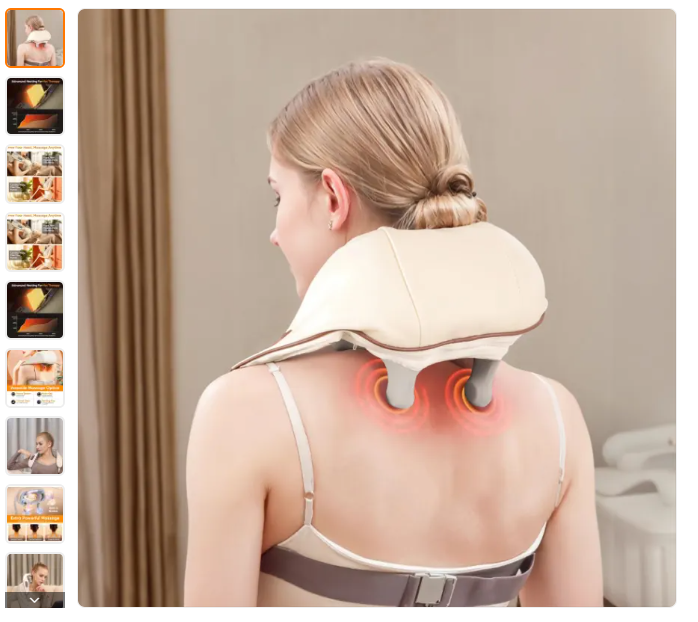
These are wearable massagers (often with Shiatsu nodes and heat) that drape around the neck and shoulders to relieve tension. They target a huge market of people with desk jobs, driving pains, or stress. The larger back/neck massager market is estimated to hit $7.2 billion by 2030 (6.7% CAGR). Demand is driven by wellness and convenience (people prefer at-home solutions).
-
Profit Margin: Good (≈50–60%). A decent neck massager wrap costs ~$20–30 wholesale and retails for $50–70. Multi-function units can go higher (80–100). Margins of 50%+ are typical in this health gadget category.
-
Market Saturation: High (≈8/10). Many electric massagers flood online stores and Amazon. There are countless generic neck wraps. Brands compete on features (3D nodes, multiple modes), so unique selling points are needed.
-
Current Popularity: High (≈8/10). Ergonomic health items surged post-pandemic as people work at home. Neck/shoulder pain is a common complaint. Social media shows these being unboxed and used for relief – a strong interest topic.
-
Future Outlook: Strong (≈8/10). The overall back/neck massager market is growing ~6–7%, and likely even higher specifically for easy-use wearables. Aging populations and rising desk-work jobs support continued growth.
Why dropship it: These products promise instant relief and self-care, appealing widely. To sell, highlight pain-point solutions (“pain relief in 10 minutes”) and spa-like comfort. Offer variety (with/without heat, different colors). If possible, include a demo video.
Recommendation: ✅ Include. Effective as a health/wellness product. Pair with posture correctors or ergonomic pillows. Clearly describe settings (heat level, auto-off timer). With massagers, pay extra attention to quality claims (safety certifications if any).
15. Mini Air Purifiers
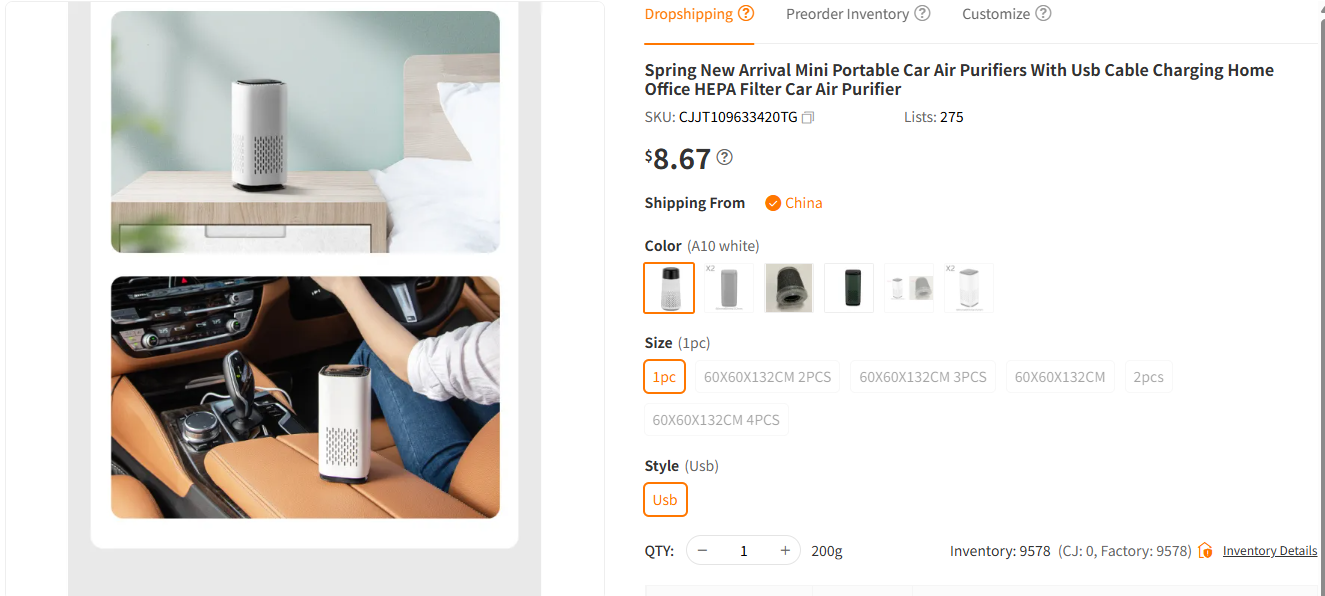
Mini (personal/portable) air purifiers are small devices that filter air in a car, bedroom, or small office. They often use HEPA or charcoal filters and USB power. With growing health and pollution concerns, air purifiers have boomed. The Shopify ecosystem alone shows 541 stores selling purifiers as of mid-2026, and revenues surging. Key market drivers include allergies, urban smog, and even wildfire smoke.
-
Profit Margin: High (≈60–70%). Compact purifiers can be sourced for $10–15 and sold for $30–50. For example, one listed purifier on Alibaba is $32.64 wholesale. Extra-long lifespan filters or multi-packs can increase ticket.
-
Market Saturation: Moderate (≈7/10). There are many models on Amazon and electronics shops, but new designs (shape, color, smart connectivity) keep interest. People often try one and buy another (e.g. at work vs home).
-
Current Popularity: Very High (≈9/10). Public awareness of clean air is extremely high. Online content shows personal purifiers as popular gadgets. The trend is ongoing: a Shopify store optimization saw 30–41% revenue lift by focusing on purifiers. Google searches for “air purifier” remain at record highs.
-
Future Outlook: Very High (≈9/10). The market is exploding: driven by pollution and health trends, forecasts predict continued robust growth. Many consumers now view air quality devices as essential home/gadget items.
Why dropship it: They meet urgent health needs (especially for allergy sufferers or in polluted cities) and have broad demographic appeal. To market, emphasize tangible benefits (remove 99% of allergens, better sleep, etc.) and portability (car, desk, travel). Bundle filter replacements or related items (e.g. aromatherapy diffusers for synergy).
Recommendation: ✅ Include. This is an evergreen home/health product. Focus on high-efficiency (HEPA-certified) models for trust. Seasonal marketing (e.g. during spring pollen season) can drive spikes.
How to choose the best dropshipping products

1. Start with a Clear Niche
Rather than trying to sell everything, zero in on a specific niche or category. A focused approach helps you:
-
Understand your audience: When you serve a particular group—say, pet owners, fitness enthusiasts, or eco‑minded consumers—you can tailor your messaging, design, and offers.
-
Reduce competition: It’s far easier to rank for “organic dog grooming supplies” than the generic term “pet products.”
-
Build authority: A niche store appears more credible than a generalist one.
Action steps
-
Make a list of your hobbies, interests, or backgrounds.
-
Brainstorm sub‑categories (e.g. if “fitness” is your niche, consider “yoga accessories,” “home workout gear,” or “recovery tools”).
-
Use Google Trends to compare interest in your ideas over the past 12 months—look for upward trajectories or steady volumes.
2. Validate Demand with Data
Even the best‑sounding niche can flop if there’s no real demand. Before you onboard products, validate interest:
-
Keyword research: Plug potential product keywords into tools like Google Keyword Planner or Ubersuggest. Aim for at least 1,000–5,000 average monthly searches in your target region.
-
Social listening: Browse TikTok hashtags, Instagram Reels, and Pinterest boards to see what’s trending. Products that generate user‑created content often convert well.
-
Marketplace signals: Check Amazon’s Best Sellers or eBay’s Trending section to spot fast‑moving items. If a product appears frequently, it’s likely to sell.
-
Competitor analysis: Identify 3–5 stores selling similar items. Note their price points, social media engagement, and customer reviews. Healthy competition confirms demand, but be wary of oversaturated markets.
3. Assess Profitability
High demand isn’t enough—you need a healthy margin to cover ads, platform fees, and support.
-
Calculate landed cost: Include product price, shipping, transaction fees, and any tariffs.
-
Target markup: Aim for at least 3× wholesale cost on most products. For lower‑cost items, a 50–100% markup may suffice; for higher‑ticket goods, a 30–50% margin is acceptable.
-
Break‑even ad cost: If you plan to run ads, know your target cost per acquisition (CPA). For example, if a product nets you $10 profit, you’ll need an ad CPA below $10 to make money.
4. Evaluate Market Saturation
A niche with too many sellers can squeeze your margins and ad ROI.
-
Low saturation: A handful of established stores, few direct ads—room to differentiate.
-
Moderate: Multiple sellers but no giant incumbents—compete on branding, value adds, or niche twists.
-
High: Major players dominate, often with deeper pockets. Best to avoid or find a micro‑niche within.
Action step
Search your product terms in Google and Facebook Ads Library. If dozens of ads appear from large retailers, saturation is high.
5. Gauge Trend Momentum
Some products are evergreen; others spike briefly. You’ll need a mix:
-
Evergreen: Stable demand year‑round (e.g., phone chargers, kitchen gadgets).
-
Seasonal: Predictable spikes (e.g., fitness gear in January, holiday décor in November/December).
-
Fad: Sudden surges, then likely drop‑off (e.g., viral TikTok toys). Use fads cautiously—great for quick wins but not long‑term staples.
Action steps
Check Google Trends’ year‑over‑year data. A product with consistent search volume suggests evergreen potential. Spikes around holidays are normal for seasonal goods.
6. Vet Product Suppliers
Your supplier’s reliability directly impacts customer satisfaction.
-
Sample orders: Always order at least one or two units to inspect quality and shipping time.
-
Reviews & ratings: On platforms like CJdropshipping or AliExpress, look for suppliers with 4.7+ stars and 500+ orders.
-
Communication: Test their responsiveness by asking questions about customization, returns, or packaging.
-
Backup suppliers: For your top‑selling items, secure at least two suppliers to avoid stockouts.
7. Consider Shipping Logistics
Fast, reliable shipping reduces cart abandonment.
-
US warehouses: Suppliers with U.S. stock (CJdropshipping’s U.S. warehouses, Spocket’s domestic suppliers) can deliver in 2–5 days.
-
E‑packet or CJPacket: Economical global shipping (7–20 days) for non‑urgent items.
-
Fulfillment apps: Use tools like CJdropshipping’s app or Spocket to sync orders and track shipments automatically.
8. Factor in Branding & Upsells
Stand out by adding value:
-
Custom packaging: Even a branded invoice or sticker boosts perceived quality. CJdropshipping offers custom box printing; Spocket supports branded invoices.
-
Bundles and add‑ons: Suggest related items at checkout (“Complete your set!”) to increase average order value.
-
Subscriptions & refills: Products like beauty tools or wellness consumables can generate recurring revenue.
9. Test and Iterate Quickly
Start small: launch 5–10 products and observe metrics for 2–4 weeks.
-
Conversion rate: Aim for 1–3% on cold traffic; higher indicates strong fit.
-
Cost per acquisition (CPA): Track how much you pay in ads per sale.
-
Return rate: If one product sees high returns, pause it and investigate quality.
Conclusion
Each of these 15 products aligns with a clear consumer trend—whether it’s health, convenience, eco-friendliness, or high-tech novelty. All show strong current demand and favorable future outlooks. By presenting them with compelling product pages and targeted marketing, dropshippers can capitalize on their viral appeal. Selecting a mix of these items that fits your store’s niche (e.g. tech gadgets, wellness, eco-lifestyle) and balancing high-ticket with impulse buys will maximize profits. Always confirm supplier quality and keep an eye on trends (via Google Trends or tools) to tweak offerings as 2026 unfolds.