
Why Power Tools Are a Profitable Dropshipping Niche in 2025
The DIY and home improvement market is booming: forecasts predict it will grow from about $115 billion in 2025 to over $156 billion by 2033. Hand tools and power tools alone represent roughly one-fifth of that demand. Within that, cordless and smart power tools are surging. For example, the global cordless power tools market was $15.7 billion in 2023 and is projected to reach $36.2 billion by 2033, as advances in battery tech and IoT features boost their appeal. “Smart” connected tools (Bluetooth or app-enabled) already make up about 8% of new DIY product trends.
Dropshipping these tools can be highly lucrative if executed well. High-priced power tool kits and equipment allow for healthy markups (typical dropship profit margins run ~10–30%), and steady DIY demand means repeat customers. In fact, industry analysis notes that the hardware/tools niche offers “high-ticket items [with] potential for high-profit margins” by tapping into the growing DIY/home-improvement culture. Coupled with the fact that the global dropshipping market is projected to exceed $500 billion by 2026, it’s clear that selling power tools online in 2025–2026 is a prime opportunity — provided you source smartly and market effectively.

Is Power Tool Dropshipping Legal and Safe?
Yes, you can legally dropship power tools in the EU and US, but you must follow all safety and certification requirements. In the EU, power tools generally fall under the Machinery and Low Voltage Directives, so they must carry a CE mark and comply with RoHS (Restriction of Hazardous Substances) if they have electronic components. (Similarly, in the US it’s wise to source UL-listed or ETL-listed tools for electrical safety, even if not strictly required by law.) The key is to work only with reputable suppliers who provide proof of certification and test data.
How Power Tools Dropshipping Works (Step-by-Step)
-
Choose your niche. Decide which segment of the power tools market to target (DIY hobbyists vs. pros, outdoor/garden vs. woodworking, etc.). Specialized niches (like automotive repair tools or smart gardening tools) let you tailor marketing. Use Google Trends or keyword tools to find which power tool categories (e.g. “20V drill kits” vs. “wood carving tools”) have growing interest.
-
Find verified suppliers. Search for reliable dropshipping suppliers that carry your niche. Options include global marketplaces (AliExpress, Banggood), specialized dropship platforms (CJdropshipping, Spocket), and industry-specific wholesalers. Vet each supplier’s reviews, shipping locations, and certifications. Many suppliers now offer storefront apps or plugins for Shopify/WooCommerce to simplify integration.
-
Build your online store. Launch an ecommerce site on Shopify or WooCommerce. Both platforms support dropshipping. For example, Shopify offers the Collective/Shopify Plus integration and apps that connect to suppliers with real-time inventory sync. WooCommerce has plugins (CJdropshipping, Spocket connectors, etc.) to import products and automate orders. Design product pages with high-quality images, detailed specs, and include keyword-rich titles (e.g. “Cordless Drill 20V Power Tool Kit”).
-
Import products & set profit margins. Use your chosen supplier apps to import tool listings into your store. Adjust the product descriptions with your brand voice and ensure specifications are accurate. Set your selling prices by adding an appropriate markup – many dropshippers aim for ~10–30% net profit. Remember to account for all costs (shipping, payment fees). You might bundle tools (drill + batteries + case) to increase average order value.
-
Promote your store. Once your shop has products, drive traffic using a mix of tactics. Add your catalog to Google Shopping Ads to capture high-intent buyers searching for tools. On social media, focus on short demonstration videos: e.g. TikTok and Instagram Reels showing a power tool in action (unboxing, DIY demo). TikTok, in particular, has proven effective – for example, Dremel’s TikTok campaign generated 10.5 million views and a 1200% increase in social traffic for a new tool line. Complement organic content with targeted ads: Google Shopping for search traffic, and Facebook/Instagram ads targeting homeowners, DIY enthusiasts, and contractors using interest filters.
By following these steps — niche selection, reliable suppliers, optimized store setup, and strategic marketing — you can efficiently dropship power tools. Automation is key: for instance, Shopify’s Collective or CJdropshipping’s WooCommerce plugin will sync inventory in real time and auto-forward orders to the supplier, letting you scale without manual processing.
Top 10 Best Power Tools Dropshipping Suppliers (2025 Edition)
1. CJdropshipping
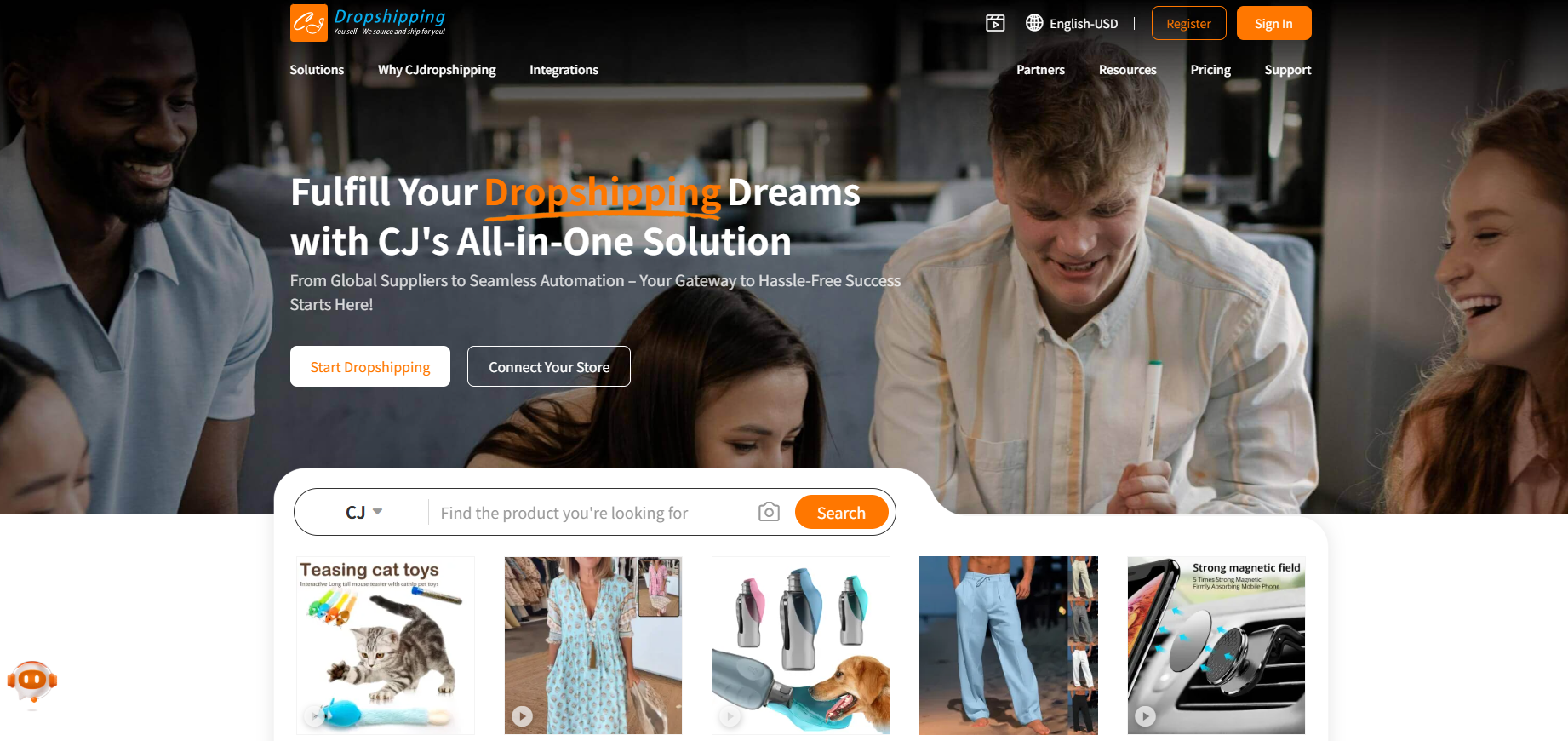
A top choice for tool sellers due to its global logistics and automation. CJdropshipping runs multiple warehouses worldwide – notably in China, Germany, the UK and the US – which enables faster regional delivery. It integrates seamlessly with Shopify and WooCommerce (via an official app), auto-importing products and syncing stock. CJ covers a vast range of tools (cordless drills, saws, grinders, etc.) and offers services like custom packaging. Its strengths are wide selection and automated fulfillment, making order handling hands-free.
2. AliExpress
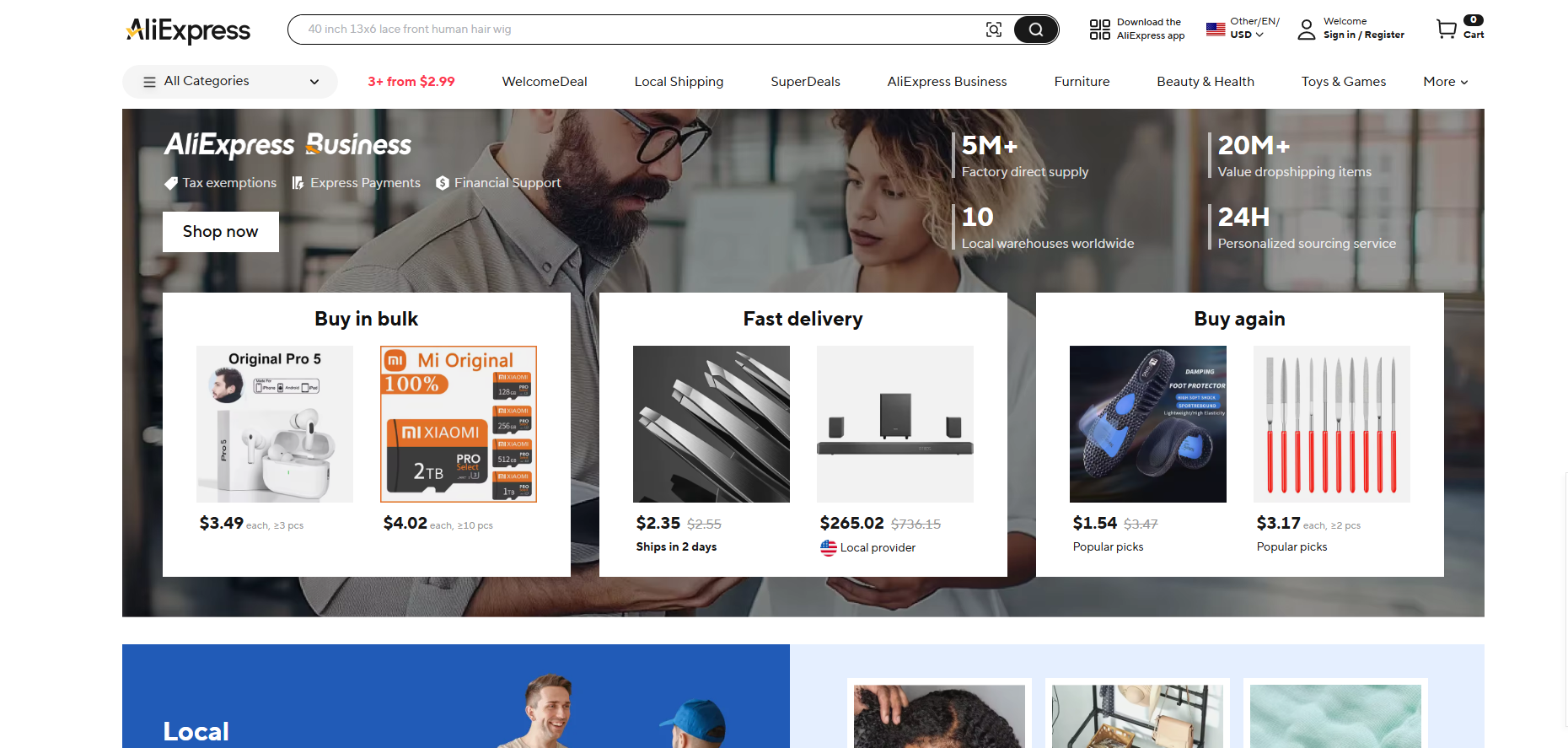
A massive marketplace of Chinese wholesalers. AliExpress hosts millions of products, many sold by manufacturers at very low prices. This makes it a budget-friendly entry point for new dropshippers. You can find endless variations of cordless drills, hand tools and accessories. However, AliExpress has no local warehouses (most items ship from China), so delivery times can be long. Quality also varies by seller. It’s best used for non-brand generic tools or to test products. (Note: AliExpress allows free dropshipping – you don’t pay upfront stock – but you must handle all customs delays.)
3. Banggood

Similar to AliExpress but with more focus on technology products. Banggood offers over 1 million products including a huge selection of power tools (cordless drills, angle grinders, saws, sanders and accessories). It now operates warehouses in Europe for fast shipping, meaning EU customers get deliveries in days rather than weeks. Banggood’s tools catalog is extensive, and pricing is competitive. Their platform supports dropshipping (orders can be placed on your customer’s behalf). Strengths: large catalog and EU/US warehousing. Drawback: some product quality can be hit-or-miss.
4. Spocket (US/EU Suppliers)

Spocket is a dropshipping platform specializing in suppliers from the US and Europe. For power tools, this means faster delivery: merchants “appreciate the fast shipping from local US and EU suppliers”. Spocket vets its suppliers and automates order processing and inventory sync. While its tool selection is smaller than global giants, the focus is on higher-quality, branded equipment. Integration with Shopify and WooCommerce is straightforward via Spocket’s apps. Use Spocket if you want shorter shipping times (2–5 days to the US/EU) and are willing to pay slightly higher base costs.
5. BigBuy (Spain)

BigBuy is a large European wholesaler and dropshipper based in Spain, with a 20,000 m² warehouse stocked with 400,000+ items. It offers many home and DIY categories, including professional-grade tools. BigBuy provides a dedicated Shopify/WooCommerce connector, allowing one-click import of products. Its strengths are bulk inventory (large quantities of stock on hand) and rapid European fulfillment – they advertise same/next-day dispatch from EU warehouses. It’s particularly strong if you want to sell to EU customers: local stock avoids customs delays.
6. DealExtreme (DX)
DX is a Chinese retailer with a popular dropshipping program. It carries over 300,000 products (many electronics and tools) and offers free worldwide shipping. A key feature is that shipments can go “blind” (no DX logo), which is good for branding. DX has warehouses in the US, UK and Australia, so US/UK customers can get faster delivery on some items. Its tool selection tends toward affordable DIY gadgets and smaller power tools. DX’s advantages are free shipping (some categories) and a willingness to dropship; disadvantages include mostly China-sourced products and limited official warranties.
7. Aulola (UK)

Aulola is a UK-based electronics wholesaler (Manchester HQ) that also carries home improvement gadgets and some power tools. It’s not as well-known in dropship circles, but its advantage is UK stock and fast shipping. For example, Aulola promotes a “Same Day Dispatch” service on eligible items. If your customer base is the UK or nearby Europe, Aulola can be a fast option for items like phone gadgets, lighting, or small tools. The catalog isn’t as large as Alibaba/AliExpress, but the speedy fulfillment makes up for it. Aulola is worth considering for UK-focused stores that need quick turnaround.
8. VidaXL (Europe)

vidaXL is an international online retailer (Netherlands-based) known for furniture and garden goods. Importantly, they also stock many garden and outdoor power tools along with home improvement items. Examples: they sell electric lawn mowers, chainsaws, solar panels and hand tools. VidaXL’s perk is free delivery across Europe (they highlight “free delivery on all products”). You can dropship from vidaXL by listing their items (ensure you respect trademark rules). Because VidaXL’s catalog spans tools, furniture and decor, you can cross-sell bundled projects (e.g. buying garden tools alongside patio furniture). The trade-off is that it’s a more generalist brand, not a pure tools specialist.
9. BrandsGateway (B2B)

Although included on some “supplier” lists, BrandsGateway is primarily a luxury fashion B2B dropshipper (minimum orders ~€1,000), not a power tools supplier. It carries no tools at all. We mention it here only as an example of a dropshipping network with high order minimums. In short: BrandsGateway is not a tool supplier, so skip it for hardware. (Its inclusion highlights that some dropship platforms require large order volumes, which is irrelevant for most tool sellers.)
10. KMS Tools (Canada)
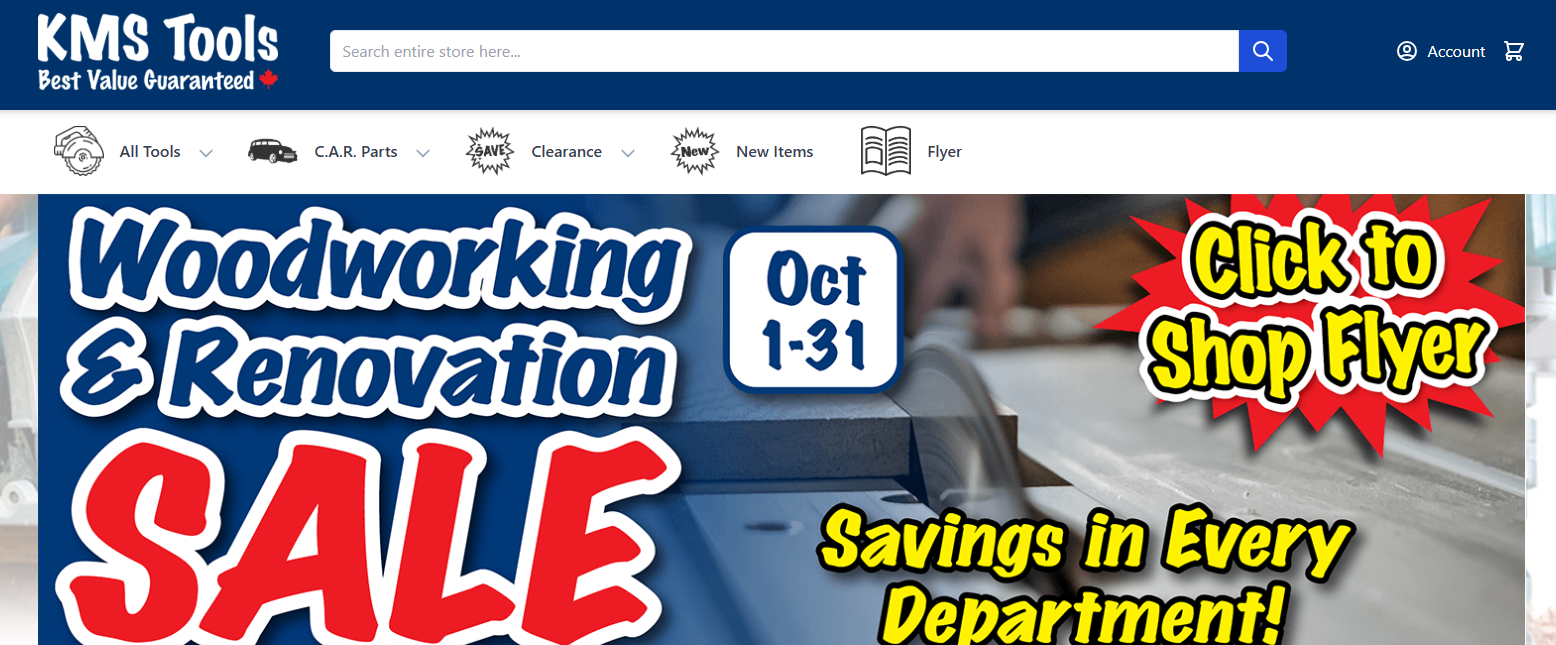
KMS Tools is a Western-Canada retailer that distributes professional power tools and shop equipment. It carries many major brands – for example, its site lists brands like Bosch, DeWalt, Makita and Milwaukee for cordless tools. KMS also offers perks like free shipping on orders over C$99. As a supplier choice, KMS is somewhat unconventional: it’s not a dropship middleman, but an actual wholesaler. (They don’t have an official public dropshipping API.) However, it’s worth knowing because North American sellers may use KMS to source quality branded tools at wholesale prices. Its strengths are brand-name inventory and North American reach; limitations are that you may need a Canadian reseller account and inventory volume commitments.
Top Power Tools to Dropship in 2025
These are high-demand, trending items that convert well in the current market:
1. Cordless Drill Sets

The bread-and-butter of any power tools store. Battery-powered drill kits (commonly 12V–20V) are a must-have for DIYers and pros alike. Customers expect a drill, charger and battery combo in one set. Cordless drills are popular because they’re versatile and easy to demonstrate in ads. Importantly, the global cordless drill segment is booming. Look for compact brushless models or 2-battery kits to entice buyers with perceived value.
2. Mini Electric Screwdrivers

These pen-sized or palm-held drivers have become “must-have” gadget tools for small projects and electronics repair. They’re cheap, giftable, and highly impulse-friendly. Many online sellers report high turnover on mini driver sets (often rechargeable USB-powered kits). Their small size makes them cheap to ship too. Dropshippers often bundle them (e.g. 5-piece precision sets with LED lights) to upsell.
3. Electric Angle Grinders

Angle grinders (for cutting, grinding or polishing metal and masonry) are heavy-duty sellers in the construction and metalworking niches. Compact 4–4.5 inch grinders are popular DIY items, while 7–9 inch models serve pro users. These tools appeal to contractors and serious hobbyists. Market cordless grinder models (better safety and no cord entanglement) for higher margins.
4. Compact Circular Saws
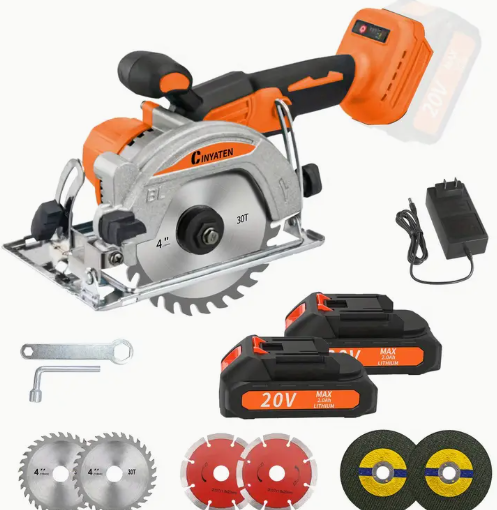
Portable circular saws (5–7 inch) are indispensable for woodworking and framing tasks. They sell well to homeowners and carpenters who need cutting power without bulk. Emphasize features like laser guides or dust collection, and consider promoting kits that include extra blades. These saws pair well with drills and router bits.
5. Rotary Tool Kits
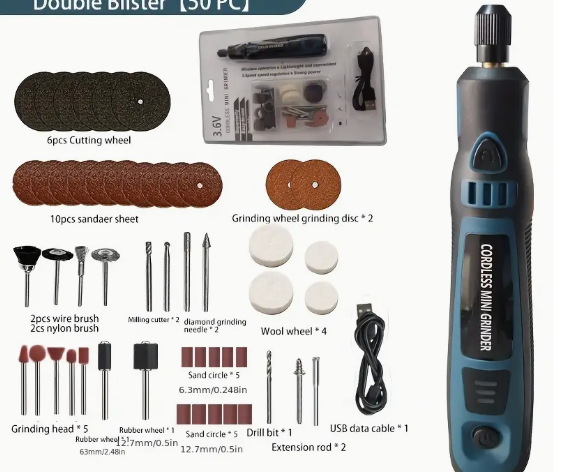
Multi-purpose rotary tools (like Dremel-style engravers, sanders, polishers) are hot items for crafting, engraving, and precision work. Kits usually include dozens of attachments (sanding drums, carving bits, cutting discs). They have broad appeal – from jewelry makers to DIY home improvers. Make sure to upsell accessories (bit sets) when offering these tools.
6. Portable Welding Machines
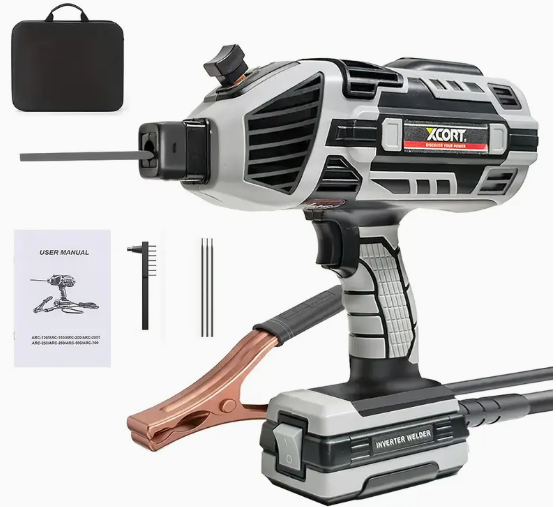
Compact MIG/TIG/arc welders have surged in demand as at-home metal fabrication grows popular. Portable welding kits (sometimes battery-powered or inverter welders) attract both beginners and small shops. Dropship lightweight inverter welders with safety helmet packages or pig-tail extension cords. These are high-ticket items, so profit margins are strong if you handle shipping properly.
7. Rechargeable Flashlights and Worklights

Cordless LED flashlights, headlamps, and rechargeable work lights are essential accessories. New battery chemistries and solar-charging options make them attractive. They’re also small and light, so shipping is easy. Promote rugged, waterproof models and sets (e.g. flashlight + bike light combo). These are impulse buys that complement power tool sales.
8. Laser Measuring Tools
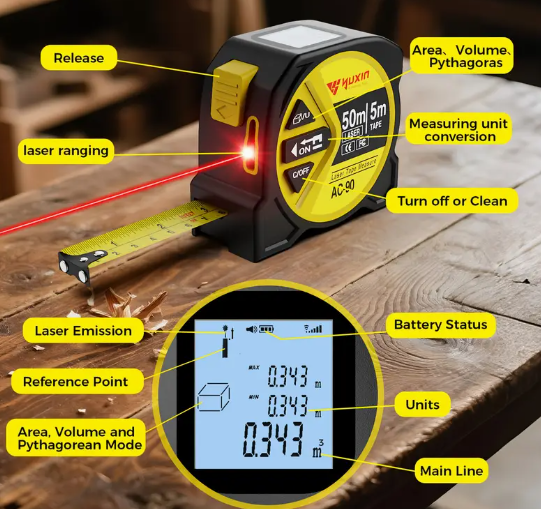
Digital laser distance meters, levels, and angle finders are trending in the construction niche. Professionals love their precision and compactness over tape measures. These tools can be dropped into marketing as “high-tech gadgets for contractors.” Highlight features like Bluetooth output or long-range accuracy. Since they’re electronic, ensure suppliers ship them with proper battery compliance.
9. Cordless Impact Wrenches
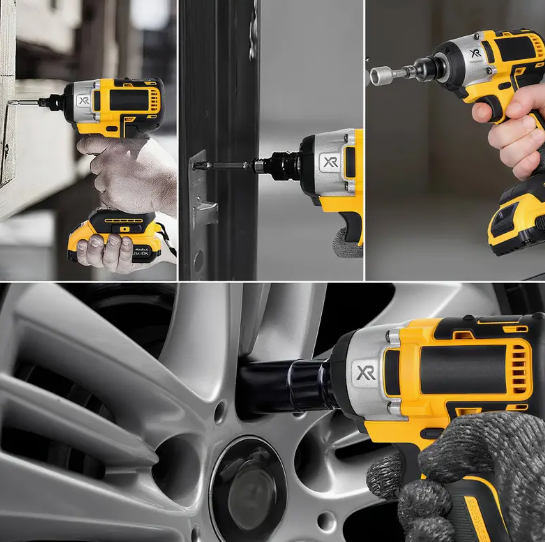
Popular in automotive and heavy-duty applications, cordless impact wrenches are big-ticket items that justify higher pricing. Target car enthusiasts and mechanics with models (e.g. 18V or 20V wrenches) and bundle with impact sockets. Brands like DeWalt and Milwaukee rule this segment, but many generic offers exist too. Because of their weight and battery, ensure robust shipping and proper declarations.
10. Multifunction / Combo Tool Sets
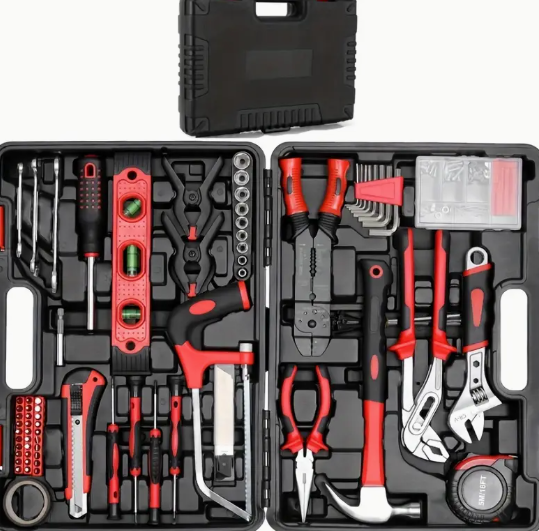
Consider promoting combination kits: e.g. a set containing a drill, flashlight, and flashlight in one package. These multipurpose bundles appeal to buyers looking for complete starter kits. Likewise, oscillating multi-tools (with interchangeable heads for sanding/cutting) are versatile sellers. Bundles increase order value and reduce per-item shipping overhead.
11. Eco-Friendly & Smart Tools

As a bonus niche trend, more customers seek green and connected tools. This includes solar-powered battery chargers or worklights, and app-enabled “smart” tools (e.g. drills that monitor battery health via Bluetooth). Industry observers note that demand for energy-efficient, durable tools is steadily rising. For instance, solar charger kits and drills with Bluetooth motors can differentiate your catalog. Emphasize the sustainability angle (“built to last, low energy use”) and Wi-Fi/Bluetooth features for tech-savvy buyers.
Best Niches Within the Power Tools Category
Rather than sell all tools to everyone, focus on sub-niches to tailor your marketing:
-
DIY Home Repair Tools. General home improvement is the largest segment. As noted, tools comprise about 20% of DIY spending. Stock items used in home maintenance: plumbing wrenches, socket sets, wall-drill bits, stud sensors, multi-tool kits, etc. Customers here are homeowners fixing fences, decks, or assembling furniture. Emphasize affordability and ease-of-use.
-
Automotive & Garage Tools. There is a huge market among car enthusiasts and mechanics. The global automotive tools market was about $41.3 billion in 2024 and is expected to reach ~$60 billion by 2031. Key products: torque wrenches, impact guns, creepers, diagnostic scanners, and welding kits. Target niche keywords like “car jack kit” or “cordless impact wrench for cars”. Due to its size and repeat-buy nature (oil changes, new tires, etc.), automotive tools are a lucrative sub-niche.
-
Carpentry & Woodworking Tools. Woodworkers value precision tools. This niche likes circular saws, routers, planers, laser levels, and fine sanders. Dropship nail guns, table saw extensions, and specialty router bits. Content marketing (how-to woodworking videos) pairs well with this niche.
-
Gardening & Outdoor Tools. Power tools for lawn and garden maintenance – cordless hedge trimmers, leaf blowers, electric chainsaws, lawn mowers – serve homeowners and landscapers. Smart garden gadgets (e.g. app-controlled sprinklers, electric log splitters) fit here too. Since these are seasonal, plan promotions for spring/summer.
-
Construction & Professional Equipment. High-end builders need durable gear: heavy-duty demolition hammers, rotary drills, tile cutters, and jobsite fans. Dropshipping to this niche may involve higher order values but also stricter warranty/service expectations. If you go pro, emphasize robust brands and fast fulfillment (these customers can’t wait weeks for gear).
How to Market Power Tools Online (2025 Strategies)
-
Leverage Short-Form Video. Create compelling short demo videos (15–30 seconds) showing tools in action on TikTok, Instagram Reels or YouTube Shorts. Viewers love to see drills boring into wood or lights illuminating a dark garage. For example, Dremel’s TikTok campaign (for their new tool line) went viral, amassing 10.5M views and a 1200% jump in social traffic. Incorporate before/after project clips, quick tips, or user-generated content (#TikTokMadeMeBuyIt style). These boost engagement and can drive sales when you link to your store.
-
Optimize for Search (SEO). Use targeted technical keywords in your product titles and descriptions. Shoppers searching for tools tend to use model numbers and specs (e.g. “20V cordless drill kit” or “cordless impact wrench 18V brushless”). Include these phrases naturally so your site ranks in Google and Bing. Also write blog content around how-to topics (“how to use a laser level”) to attract organic traffic from DIYers.
-
Paid Ads – Google & Social. Run Google Shopping campaigns to capture high-intent searches. Shopping ads show product images/prices directly in search results (“drill kit near me”), which is powerful for commerce. On social media, target ads by interest: Facebook/Instagram allow you to reach homeowners, renovators, mechanics, etc. Use eye-catching creative (videos or carousel ads) to showcase tool bundles. Don’t forget YouTube pre-roll ads: many people watch how-to videos before buying tools. With Meta, you can also target lookalike audiences based on your current customers.
Shopify & WooCommerce Integration Tips for Tool Suppliers
-
Use Dropship Integration Apps. Install supplier plugins to automate imports and orders. For instance, CJdropshipping offers a WooCommerce/Shopify app that lets you import tools with one click and synchronize inventory. BigBuy provides similar connectors (some with tens of thousands of catalog entries) for real-time stock updates. Spocket, AliExpress Dropshipping, and others have Shopify apps too. These tools ensure that when a customer orders a product, the order is automatically forwarded to the supplier without manual entry.
-
Enable Real-Time Sync & Auto-Fulfillment. Accurate stock levels and swift fulfillment are crucial for power tools. Use your platform’s inventory sync feature (e.g. Shopify Collective or the supplier’s API) so out-of-stock items aren’t accidentally sold. Orders should auto-pull into the supplier’s system; for example, CJ’s Shopify plugin will “automatically forward customer orders to CJ’s system” for processing. This way you never have to manually submit each order. In short, leverage your store’s dropship infrastructure for instant stock updates and order routing.
-
Display Warranty & Safety Information. On each product page, clearly note warranty terms and safety features. As discussed, EU consumers get a 2-year legal guarantee; mention that (e.g. “2-year manufacturer’s warranty included”). Also highlight any certifications (CE, UL) in the description. Always include a brief safety disclaimer or instructions section. Proper labeling not only builds trust but also protects you: remember that selling a power tool “without proper safety precautions or operational guidelines” can make you liable for misuse. So explicitly state things like “Wear safety glasses” or include links to the user manual. Adding this information helps meet legal expectations and reduces return/refund issues.
Shipping and Fulfillment for Power Tools Dropshipping
-
Lithium Battery Restrictions. Many cordless tools have Li-ion batteries, which are classified as hazardous for air transport. This means extra paperwork or air-shipping restrictions (IATA regulations). Workaround: prefer suppliers who offer ground or sea freight for battery-powered items, or comply with strict packaging rules. Some dropshippers avoid shipping batteries internationally altogether. Always verify with your supplier how batteries are shipped (or if they remove batteries before dispatch).
-
Heavy Item Challenges. Power tools and their accessories can be bulky or heavy (motor housings, metal parts). High weight means higher shipping fees. To mitigate this, use regional warehouses. For example, BigBuy’s 20,000 m² European warehouse can dispatch heavy items across EU quickly. Similarly, Spocket’s US/EU suppliers “offer fast shipping from local US and EU suppliers”, cutting transit distance and cost. If selling in North America, look for US or Canada fulfillment partners to avoid trans-Pacific freight.
-
Expedited Local Shipping. Whenever possible, select suppliers with local shipping options. Aulola (UK), for example, advertises same-day dispatch on qualifying orders, which dramatically speeds delivery. Even if not overnight, partnering with suppliers in your target market cuts customs delays.
-
Courier & Freight Services. For global reach, rely on established couriers. Many dropship networks use FedEx, DHL or UPS for heavy goods. For instance, BrandsGateway (a global dropshipper) notes they ship worldwide via DHL/FedEx with 2–10 day delivery. While BrandsGateway is clothing-focused, the same couriers apply to tools: negotiating good rates with FedEx/DHL can ensure your heavy tools ship reliably. For very large items (e.g. tile saws, compressors), consider LTL freight services.
FAQs – Power Tools Dropshipping
1. What power tools are best suited for dropshipping?
You should focus on compact, high-demand power tools such as cordless drills, impact drivers, rotary tools, and multi-purpose oscillating tools. These items are popular, lightweight enough to ship efficiently, and often updated with new battery technologies, which keeps customer interest high.
2. How do I find reliable suppliers for power tools?
Look for suppliers with verified credentials, quality certifications (like CE or UL), and good track records in exporting. Use platforms like Alibaba, CJdropshipping, or Global Sources, and request product samples before placing large orders. Also, consider partners who handle compliance documentation and warranties for power tools.
3. What are the legal or safety issues involved in dropshipping power tools?
Power tools often involve electrical components and batteries, so you must ensure they comply with safety regulations in your target market (e.g., CE in Europe or FCC in the US). Also, you should clarify warranty, return, and liability terms with your supplier. For shipping, batteries may also be classified as hazardous goods, which impacts your logistics partner choice.
4. What is the profit margin potential for dropshipping power tools?
Profit margins for power tools can be strong, but they often vary. Lightweight cordless tools may offer 25–40% gross margin, depending on your supplier cost, shipping, and return rate. For high-end or branded tools, margins might be lower due to competition and cost, but average order value (AOV) tends to be higher, which helps your overall profitability.
Conclusion: Start Your Power Tools Dropshipping Business in 2026
Power tools remain a high-potential dropshipping niche going into 2026. The DIY/home improvement industry is projected to keep expanding (global DIY market ~$156 billion by 2033), and dropshipping itself is a proven growth channel (>$500 billion industry by 2026). By leveraging the right suppliers (see our Top 10 list), selling trending power tool products (e.g. cordless drills, smart tools), and using savvy marketing (short video demos + targeted ads), you can capture your share of this demand.
Remember to stay compliant (use certified products, display warranty info, and ship heavy tools properly). With thorough product research and a polished online store, starting a power tools dropshipping store in 2026 can be both profitable and scalable. The tools market is on fire – now’s the time to get in on the action.