
What are Dropshipping Clothing Suppliers?
Dropshipping clothing suppliers are third‑party companies or platforms that hold inventory of apparel and accessories on your behalf. Rather than you buying, storing, and shipping clothes yourself, you list their products in your online store. When a customer places an order, you forward that order to the supplier, who picks, packs, and ships the item directly to your customer under your branding (or often—with neutral packaging).
Key Features of Dropshipping Clothing Suppliers
1.No Upfront Inventory Costs
You don’t purchase bulk stock in advance—you only pay the supplier once a sale is made.
2.Wide Product Selection
Suppliers often carry thousands of SKUs: T‑shirts, dresses, activewear, jackets, children’s clothing, plus accessories like hats and scarves.
3.Order Fulfillment & Shipping
Fulfillment (picking/packing) and shipping are handled by the supplier. You don’t need your own warehouse or shipping labels.
4.Integration & Automation
Many suppliers offer apps or APIs that sync their catalog and inventory levels with your store (Shopify, WooCommerce, etc.), and automatically forward orders.
5.Branding Options
Depending on the supplier, you can add custom labels, branded packing slips, or even private‑label garments—though this often requires higher order volumes.
Benefits for E‑Commerce Entrepreneurs
-
Low Risk: You’re not left holding unsold stock if a style doesn’t sell.
-
Scalable: You can add or swap products quickly without worrying about warehousing.
-
Focus on Marketing: Freed from logistics, you can invest more time in growing traffic, advertising, and customer service.
-
Global Reach: Many suppliers ship worldwide, letting you tap markets in North America, Europe, Australia, and beyond without local warehouses.
Common Types of Clothing Suppliers
- Print‑on‑Demand (POD) Providers
Companies like Printful, CJdropshipping, or Printify let you design custom graphics on T‑shirts, hoodies, and leggings—they print and ship on demand. - Wholesale Dropship Vendors
Platforms such as CJdropshipping, Spocket, and Modalyst aggregate fashion suppliers—offering everything from fast‑fashion basics to boutique labels. - Niche/Independent Suppliers
Smaller suppliers or manufacturers often serve specialized markets (e.g., eco‑friendly activewear, plus‑size apparel, or handmade artisanal garments).
Top 10 Best Dropshipping Clothing Suppliers
1. CJdropshipping
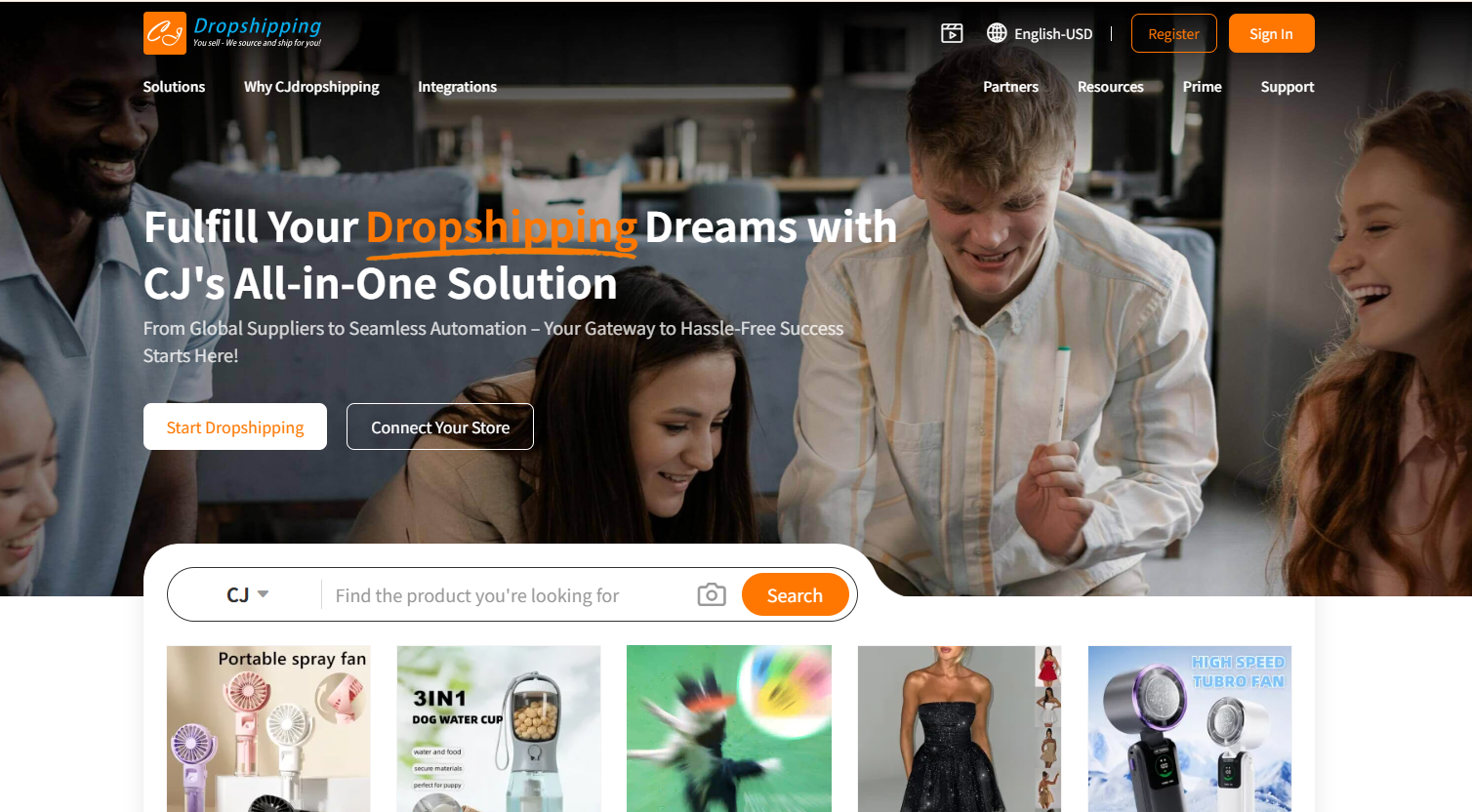
Overview: CJdropshipping is a comprehensive dropshipping platform that stands out as one of the best fashion dropshipping suppliers for 2026. While not exclusively for clothing, CJ offers tens of thousands of apparel items and accessories through its network of factories. Crucially, CJdropshipping operates multiple U.S. warehouses, enabling very fast domestic delivery (as quick as 2–7 days when items are stocked locally). This gives U.S.-focused dropshippers an edge in shipping speed over suppliers shipping from China. CJ’s platform integrates smoothly with Shopify, WooCommerce, Wix, eBay, Amazon, and even TikTok Shops for automated product listing and order fulfillment. They also provide value-added services like product sourcing on request, quality control inspections, and custom branding (you can add private labels, custom packaging, and even insert thank-you cards or your logo on products). In short, CJdropshipping is a one-stop solution for clothing dropshippers who want broad product variety and faster U.S. shipping without managing inventory.
Pros:
-
U.S. warehouses for fast shipping: Domestic fulfillment can get orders to U.S. customers in as little as 2–7 days via USPS/UPS, avoiding long 2–4 week waits from China.
-
Huge catalog of fashion products: Thousands of apparel items (women’s, men’s, activewear, etc.) are available, with new trendy styles continually sourced. You can find everything from boutique dresses to sportswear and plus-size clothing.
-
Seamless store integration: The CJdropshipping Shopify app and other integrations auto-sync inventory, route orders, and push tracking info in real-time. This automation saves time – orders from your store are fulfilled by CJ without manual entry.
-
Private labeling & branding: CJ allows you to ship under your own brand – you can use custom labels, branded packaging, and inserts to give customers a professional unboxing experience. They even offer product photography services for your marketing needs.
-
Free to use: There’s no upfront cost or subscription fee to use CJ’s basic services. You pay only the wholesale price and shipping fee per order, keeping overhead low.
Cons:
-
Stock location varies: Not all items are in U.S. warehouses by default. If an item is only in a China warehouse, shipping will be slower (10–30 days) unless you request it to be pre-stocked in the U.S.. You need to pay attention to the warehouse selection for fast shipping.
-
Product sourcing takes time: If you ask CJ to source a new product or move inventory to the U.S., it can take some lead time. Planning ahead is necessary for new or niche products (though CJ’s sourcing service is very useful for expanding your catalog).
-
Competitive marketplace: Many dropshippers use CJdropshipping, meaning popular products might face competition. You’ll need to craft a strong brand and marketing to differentiate your store if you’re selling the same trending apparel as others.
2. Trendsi
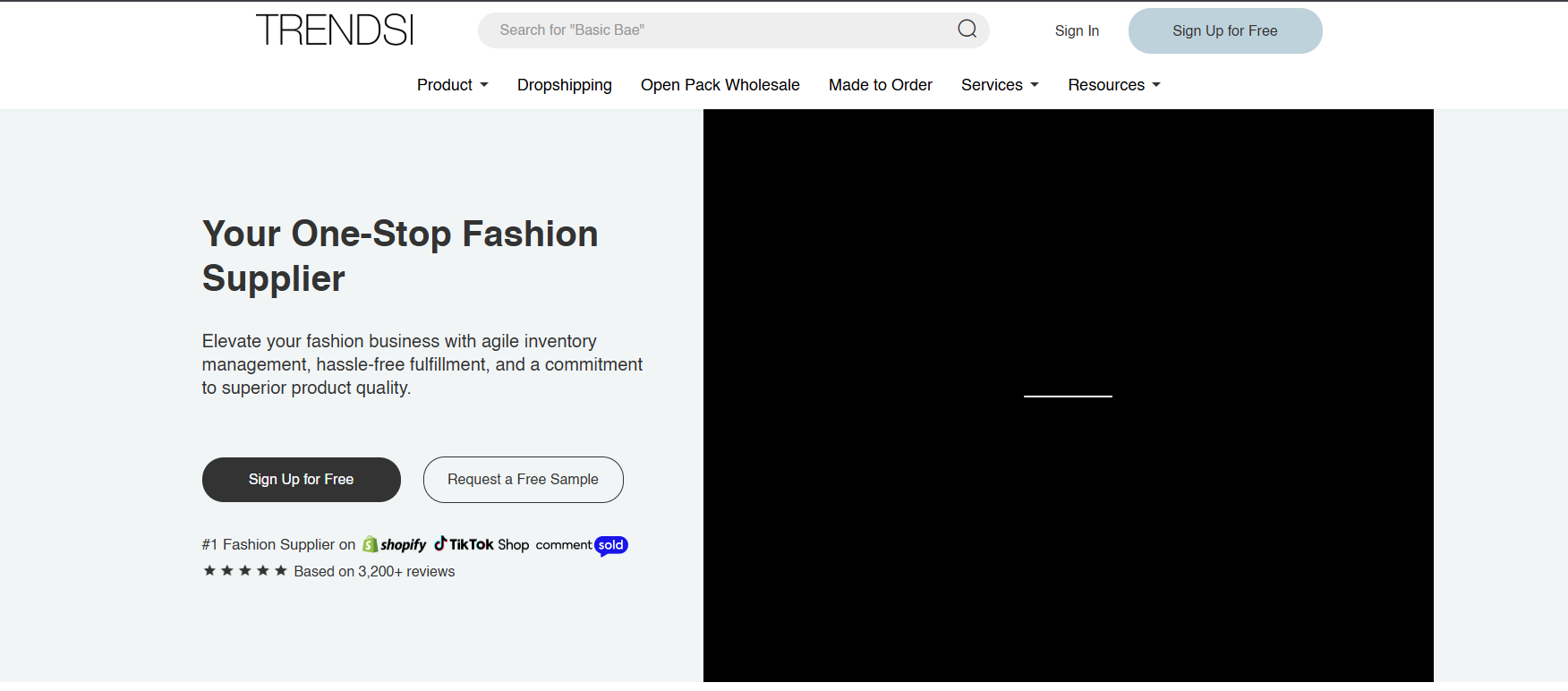
Overview: Trendsi has quickly become a favorite USA-based clothing dropshipping supplier for boutique fashion. It specializes in women’s apparel – including dresses, tops, activewear, and plus-size options – and fulfills all orders from U.S. warehouses for speedy delivery. Trendsi operates via a Shopify app, making it easy to import products and sync inventory. One standout feature is that Trendsi includes branded packing slips/invoices with your store name in every shipment, giving a professional touch even though you’re dropshipping. The platform is free to use with no order minimums, which is great for new sellers. Trendsi’s catalog leans toward trendy “boutique” styles that are Instagram-friendly, and new items are added frequently to keep up with fashion trends.
Pros:
-
Fast U.S. shipping: Orders are shipped from a U.S. warehouse in 2–10 business days to U.S. customers, so your buyers aren’t waiting weeks for their items. This helps reduce cart abandonment and keeps customers happy.
-
Free and no minimums: Trendsi has no membership fee and no minimum order requirement – you can list thousands of products and pay only when you make a sale. This lowers the barrier to entry for starting a boutique.
-
Broad women’s fashion catalog: Offers thousands of women’s clothing items, from casual wear to plus-size fashion, and even some accessories. Many styles have that chic boutique look, which is great for targeting fashion-forward audiences. Plus-size inclusivity (up to 3XL) is a plus.
-
Easy Shopify integration: The Trendsi app automates product imports, inventory sync, and order fulfillment. It even supports live-selling integrations (e.g., CommentSold) for social commerce. This means less manual work for you when updating products or stock levels.
-
Customer-friendly returns: Trendsi offers a 7-day free return policy for customers if they’re not satisfied. Handling returns domestically makes it easier to maintain good service.
Cons:
-
Women’s niche only: Trendsi focuses on women’s apparel; it does not carry men’s or kids’ clothing. If you want to sell a wider range of categories, you’ll need additional suppliers for those niches.
-
Fashion-centric styles: The product selection is heavily trend-driven. This is great for boutiques, but if your target market prefers basic staples or menswear, Trendsi’s catalog might be too limited. Stores selling, say, plain T-shirts or workwear may not find their niche here.
-
Inventory sync only via app: You must use the Shopify app (or API) to get the full benefit of automation. If you sell on non-supported platforms, fulfilling Trendsi orders could be more manual. Currently, direct integration beyond Shopify (e.g. WooCommerce) is limited, though there are workarounds via CSV or third-party tools.
3. My Online Fashion Store (MOFS)
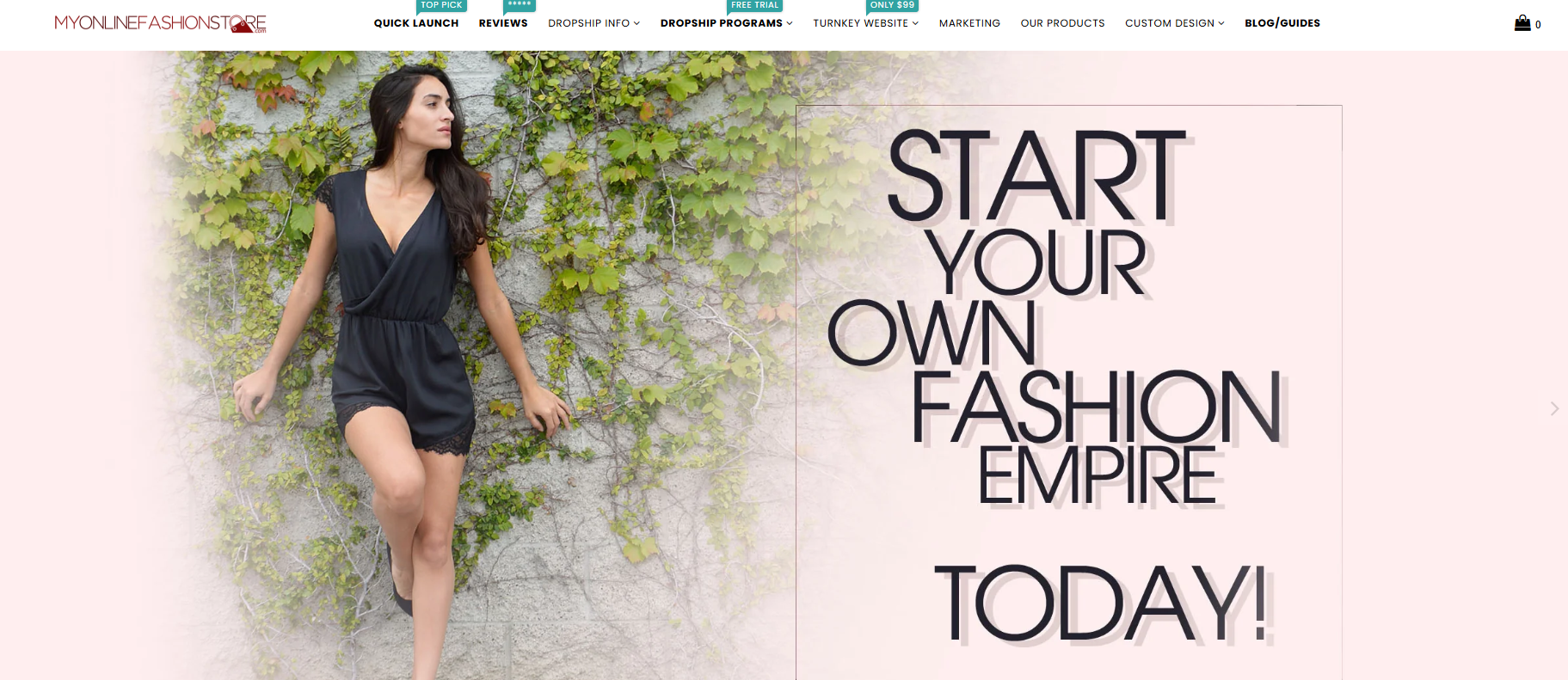
Overview: My Online Fashion Store (often abbreviated MOFS) is a Los Angeles-based dropshipping supplier offering a large catalog of women’s fashion. It’s essentially the dropship arm of a wholesale boutique vendor, which means you get on-trend styles sourced from the LA fashion district. Key categories include women’s dresses, tops, leggings, outerwear, and plus-size clothing. MOFS is known for fast shipping across the U.S. (5–7 day delivery) since products ship from their LA warehouse. They also boast free returns for dropshippers, which is a rare and valuable perk. To access MOFS’s dropshipping program, you do need to sign up for a membership (starting around $9/month after a free trial), but this provides you with their Shopify app, inventory feeds, and wholesale pricing. MOFS supports private labeling too – you can request products with your own labels or tags, which is great for branding.
Pros:
-
Fast U.S. fulfillment: All orders ship from MOFS’s Los Angeles warehouse, with guaranteed 5–7 day delivery anywhere in the U.S.. This quick shipping improves customer satisfaction compared to waiting for overseas shipments.
-
Free return policy: MOFS explicitly offers free returns, allowing your customers to return items (within certain timeframes) without hassle. Easy returns can increase shopper confidence in buying clothing (since sizing issues are common).
-
Trendy, curated catalog: The product selection is focused on fashionable women’s apparel, including plus sizes, and they add new styles at least twice weekly. You’ll have a constantly refreshed catalog of tops, dresses, and more to keep your store fresh.
-
Private label options: If you’re building your own brand, MOFS can help. They provide detailed tech packs and allow you to use custom labels on the clothing, effectively letting you create a white-label clothing line without manufacturing anything yourself.
-
Shopify integration: MOFS has a well-reviewed Shopify app that syncs inventory and products to your store. You can also use their data feeds for other platforms (WooCommerce, Wix) to import products. This reduces the manual work in adding products to your site.
Cons:
-
Membership fee: Unlike purely free platforms, MOFS requires a paid subscription (around $9–$25/month) for full access. This covers their app and services, but it is an added cost that eats into margins for new sellers. (They do offer a free trial to test it out.)
-
Women’s apparel only: MOFS deals exclusively in women’s fashion. No men’s or kids’ clothing is available. If you want to expand into other categories, you’ll need additional suppliers.
-
Slightly higher pricing: The clothing is boutique-quality, which means wholesale prices can be a bit higher than mass-market alternatives. Your retail prices might end up higher as well. You pay for the curation and convenience, so expect slightly thinner margins unless your customers will pay a premium.
-
Platform limitation: The easiest integration is with Shopify. If you’re not on Shopify, you’ll have to rely on CSV uploads or third-party integration tools to use MOFS, which might not be as seamless.
4. Printful
Overview: Printful is a leading print-on-demand (POD) dropshipping supplier that is fantastic for custom apparel. While it’s not exclusively a clothing supplier (they also do mugs, phone cases, etc.), apparel is their main focus – they have hundreds of blank products like t-shirts, hoodies, leggings, sportswear, hats, and more that you can customize with your own designs. Printful has multiple fulfillment centers in North America (California, North Carolina, Toronto, Mexico) and Europe, and even partners with facilities in other regions, so orders can be fulfilled close to your customers. For U.S. orders, Printful can often produce and ship items within a few days – in many cases orders ship out the same day or next day if submitted early. This means customers might receive their custom-printed shirt in about a week or less, which is impressive for made-to-order items. The service is free to use (no monthly fees); you just pay the base cost of the product and printing when an order comes in. Printful also supports white-label branding – you can add inside neck labels with your logo, include custom pack-inserts, and ship in unbranded packaging, so it looks like it came directly from your store.
Pros:
-
Huge product selection & customization: Printful offers 1,000+ apparel products (from t-shirts and activewear to embroidered hats and swimwear) that you can print or embroider with any design. This is ideal for sellers in streetwear, sportswear, or branded merch niches who want unique products.
-
Fast fulfillment from US facilities: With fulfillment centers in the U.S., Printful can often achieve 2–7 day domestic shipping once an item is produced. In fact, many orders placed by midday get shipped out the same day. This means customers get their orders quickly despite it being made on demand.
-
No upfront cost or subscription: Printful is free to start – no membership fees or minimums. You only pay per item when a customer order is processed. This POD model eliminates inventory risk and upfront investment in stock.
-
Branding options: Printful is very white-label friendly. You can have your logo on the inside collar (tear-away labels), print custom neck labels, add branded stickers or thank-you cards in shipments, etc.. The packaging is neutral (no Printful branding), helping you build your brand identity.
-
Easy integrations: Printful has direct integration with Shopify, WooCommerce, Etsy, Amazon, eBay, Wix, and more. The setup is plug-and-play – products and live stock sync automatically, and orders flow back to Printful for fulfillment without manual input. This makes selling custom clothing on multiple channels much easier.
Cons:
-
Lower profit margins: Printful’s convenience comes at a cost – the base price of POD products is relatively high. After adding your design and shipping, the profit per item can be slim if you don’t price at a premium. Sellers often see margins around 20–30%, so you need to mark up sufficiently to profit.
-
Generic base styles: The clothing items are mostly basic blanks (plain tees, generic hoodies, etc.) until you customize them. If your store’s appeal is unique fashion designs or particular cuts, you’re limited to Printful’s catalog of blanks. Essentially, style variety (cuts, fabrics) might be less than sourcing pre-made fashion items elsewhere.
-
Production time for POD: While Printful is fast for POD, it’s still not instant – producing a custom item can take a few days (often 2–5 days) before shipping During peak seasons like holidays, this can lengthen. So, delivery isn’t as instant as shipping in-stock apparel. Customers must understand a short wait for their item to be made.
-
Inventory outages: Occasionally certain sizes or colors of blanks can go out of stock at Printful. This can catch you off guard if a popular item runs out. Printful usually offers alternatives, but you need to monitor your store or allow automatic replacements to avoid backorders.
5. Spocket
Overview: Spocket is a popular dropshipping marketplace platform that connects store owners with thousands of suppliers, predominantly in the US and Europe. Unlike a single supplier, Spocket is an app/directory where you can find products from many independent brands and wholesalers. It’s particularly useful for finding fashion and lifestyle products that ship quickly to North America or EU, since many suppliers on Spocket are local to those regions. In the clothing category, Spocket features a lot of boutique women’s apparel, accessories, jewelry, and some men’s fashion from U.S. vendors. The platform emphasizes fast shipping – you can even filter products by US or EU warehouse to ensure quick delivery. Spocket integrates with Shopify, WooCommerce, Wix, BigCommerce and more, allowing one-click import of products and automatic order fulfillment syncing. They offer a free plan (with a limited product import count) and paid plans for higher volume stores.
Pros:
-
Vast selection of US/EU products: Spocket gives you access to millions of products from thousands of suppliers, with a strong emphasis on US and European vendors. This means you can find apparel that ships from within the U.S. for 3–7 day delivery, rather than relying on slow international shipping. Great for fast fashion and trend items.
-
Easy to use platform: The Spocket app offers one-click product import into your store and real-time inventory sync. It’s very user-friendly to browse suppliers, add products, and fulfill orders. Inventory and pricing auto-update, reducing the chance of selling out-of-stock items.
-
Supplier vetting and quality: Spocket claims to vet suppliers for reliability. Many Spocket vendors are established boutique wholesalers, so product quality and unique styles can be better than random AliExpress finds. You’ll find items with professional photos and verifiable reviews.
-
Free plan available: You can start on Spocket’s free plan which lets you import a limited number of products to test out the service. This is great for beginners. As you scale, paid plans (starting ~$24/month) unlock higher product limits and premium suppliers.
-
Bulk order discounts: Some Spocket suppliers offer discounts for bulk purchases, and the platform occasionally provides deals or a percentage off, which can improve your margins if you scale up sales.
Cons:
-
Middleman platform: Spocket itself is an intermediary, so quality and shipping times can vary by supplier. While you can filter for U.S. suppliers, each vendor on Spocket has its own handling time and practices. It’s important to review supplier ratings and policies on a case-by-case basis.
-
Monthly fee for full features: To truly take advantage of Spocket (import hundreds of products, access premium suppliers, branded invoicing, etc.), you’ll need a paid subscription. The free plan is limited in product count, so serious store owners will pay at least ~$24–49/month for Pro plans. This adds to overhead.
-
Limited branding control: Since you’re sourcing from various suppliers, you might not get consistent branding. Some Spocket suppliers include branded invoices or stickers, others don’t. There’s less uniformity compared to working with one dedicated supplier that offers custom branding.
-
Potential inventory overlap: Popular Spocket products might be sold by many dropshippers, since it’s a common platform. If you pick generic items that lots of others are selling, you’ll face competition. Try to seek unique boutique suppliers on Spocket to differentiate your catalog.
6. Syncee
Overview: Syncee is another major dropshipping marketplace/app that aggregates suppliers worldwide. Think of it like a B2B catalog where you can browse and source products from over 12,000 suppliers including many based in the U.S. and Canada. Syncee isn’t limited to fashion, but it has a robust apparel category ranging from print-on-demand T-shirt vendors to niche boutique clothing suppliers. You can filter suppliers by location (e.g., show only U.S. suppliers) to find those with domestic shipping for faster delivery. Syncee provides automatic product data feeds, meaning product info, stock, and pricing can auto-update in your store. It supports multiple platforms: Shopify (via app), WooCommerce, BigCommerce, Wix, and others via API or CSV integration. Like Spocket, Syncee offers a free plan for a small number of products and paid plans for larger stores.
Pros:
-
Huge supplier marketplace: Syncee connects you to thousands of dropshipping suppliers and over 12,000 brands across all categories. For clothing, this means you have a vast choice – from budget fashion to high-end boutique lines. It’s excellent for finding a supplier that fits your niche, whether that’s streetwear, children’s clothing, or sustainable apparel.
-
USA supplier filtering: Many suppliers on Syncee are U.S.-based or have U.S. warehouses. You can filter by location to find American dropship suppliers for faster shipping. This is ideal if you promise quick delivery to U.S. customers.
-
Automated updates and sync: Syncee provides automated product uploads and inventory updates. New products or stock changes from the supplier are reflected in your store, which helps prevent selling items that are out of stock. Orders can also be auto-forwarded to suppliers if they support Syncee’s order system.
-
Multi-platform support: Beyond Shopify, Syncee is compatible with other e-commerce platforms (WooCommerce, BigCommerce, Ecwid, etc.) and even marketplaces via API. This flexibility is great if you’re not using Shopify or if you run multiple storefronts.
-
Free starter plan: Syncee’s free plan allows you to import a limited number of products (usually a few dozen). This lets you test out the service and perhaps run a small niche store without immediate costs. As your needs grow, you can upgrade to a paid plan for more products.
Cons:
-
Inconsistent supplier quality: As with any large marketplace, some Syncee suppliers are excellent, others may not be. Syncee itself doesn’t fulfill orders – it’s up to each supplier. So you must vet the suppliers (check reviews, policies) to ensure reliability. It’s possible to encounter suppliers with slow handling times even if they are U.S.-based, so do your homework on each.
-
Subscription cost for bigger stores: To manage a full-size store with Syncee, you’ll likely need a paid plan (starting around $29/month for higher product limits). This is an added operational cost. The free plan is quite limited in product count, so it serves mostly for trial or very small stores.
-
Manual return processes: Syncee doesn’t standardize return handling – you have to deal with each supplier’s return policy individually. Some might allow returns, others might not, and you’ll be the intermediary between your customer and the supplier. This can complicate customer service if you work with many different suppliers.
-
Learning curve: With so many options and a lot of data, Syncee can be a bit overwhelming at first. Figuring out how to filter the right suppliers, set pricing rules, and integrate with your store might take some time, especially if you’re new to dropshipping platforms.
7. Modalyst
Overview: Modalyst is a well-known dropshipping platform (officially a Shopify app partner, also compatible with Wix and others) that gives you access to a wide variety of products, including a strong focus on fashion. Modalyst’s catalog includes everything from low-cost fast fashion to luxury designer brands and even an integrated AliExpress function for cheap items. What’s unique about Modalyst is that it partners with certain brand-name suppliers and independent brands, so you can sell brand-name clothing and accessories (they had deals with companies like Calvin Klein, for example, via their Shein or Wish partnerships in the past). It also offers a print-on-demand section through a Printful integration. Many Modalyst suppliers are U.S.-based or have international warehouses, enabling faster shipping to the U.S. (often 2–7 days for domestic items). Modalyst has a free plan for up to 25 products, which is great for testing, and paid plans for scaling.
Pros:
-
Diverse product range: Modalyst provides millions of products across all categories, with a notable emphasis on fashion. You can find boutique apparel, sustainable eco-friendly brands, luxury labels, and even AliExpress goods in one platform. This allows you to curate a unique mix for your store (e.g., combine affordable basics with a few premium pieces).
-
Fast shipping options: Many suppliers on Modalyst have US and EU fulfillment centers, so when you select those suppliers, your U.S. customers can get orders in about 2–7 days. Modalyst highlights shipping times, making it easier to choose suppliers that meet your delivery standards.
-
Integrations with big platforms: Modalyst is directly integrated with Shopify, Wix, BigCommerce, etc., for automatic product sync and order fulfillment. It even has an AliExpress integration (called “Modalyst Ali” or something similar) which lets you import AliExpress products but with the convenience of Modalyst’s interface. This can be handy if you still want some long-tail products from AliExpress.
-
Brand-name and indie brands: Modalyst allows you to sell some brand-name fashion items (through partnerships with BrandsDistribution/Shein, etc.) and unique indie designer pieces. For example, they’ve offered luxury dropshipping via BrandsGateway/BDroppy. This can set your store apart by offering recognized labels or high-quality boutique brands that aren’t on every dropshipping list.
-
Free starter plan: You can start free on Modalyst (up to 25 products), which is enough to try out the platform. Even the paid plans are reasonably priced (around $30/month) for the value if you’re generating sales, and they allow a much larger catalog.
Cons:
-
Product limits on free plan: The free plan only allows 25 products, which is restrictive. To run a full store, you’ll need to upgrade to a paid plan which increases the limit (250 products on the mid-tier, unlimited on Pro). So, scaling will incur a subscription cost.
-
Some suppliers require approval or have fees: A few of the high-end brand suppliers (like certain luxury brands) might require you to apply or might charge their own fees. Also, if you use the BrandsDistribution luxury integration (BDroppy), note that it has its own high monthly cost (~$295) separate from Modalyst. These can cut into profitability unless you have a plan to sell those products at volume.
-
Variable return policies: Since Modalyst is an aggregator, return policies depend on each supplier. Some brand-name items or international suppliers may have strict or no-return policies (e.g., luxury items often only returnable if defective). You must manage these policies and communicate them to your customers, which can be complex if you have a mix of suppliers.
-
Reliance on platform: Modalyst handles the heavy lifting of syncing and order routing, but if their system has issues or if a supplier leaves the platform, it could disrupt your operations. You are a bit “locked in” to using Modalyst’s interface for ordering. Exporting or moving those product listings elsewhere would take effort, so choose suppliers wisely to build longer-term relationships where possible.
8. Apliiq
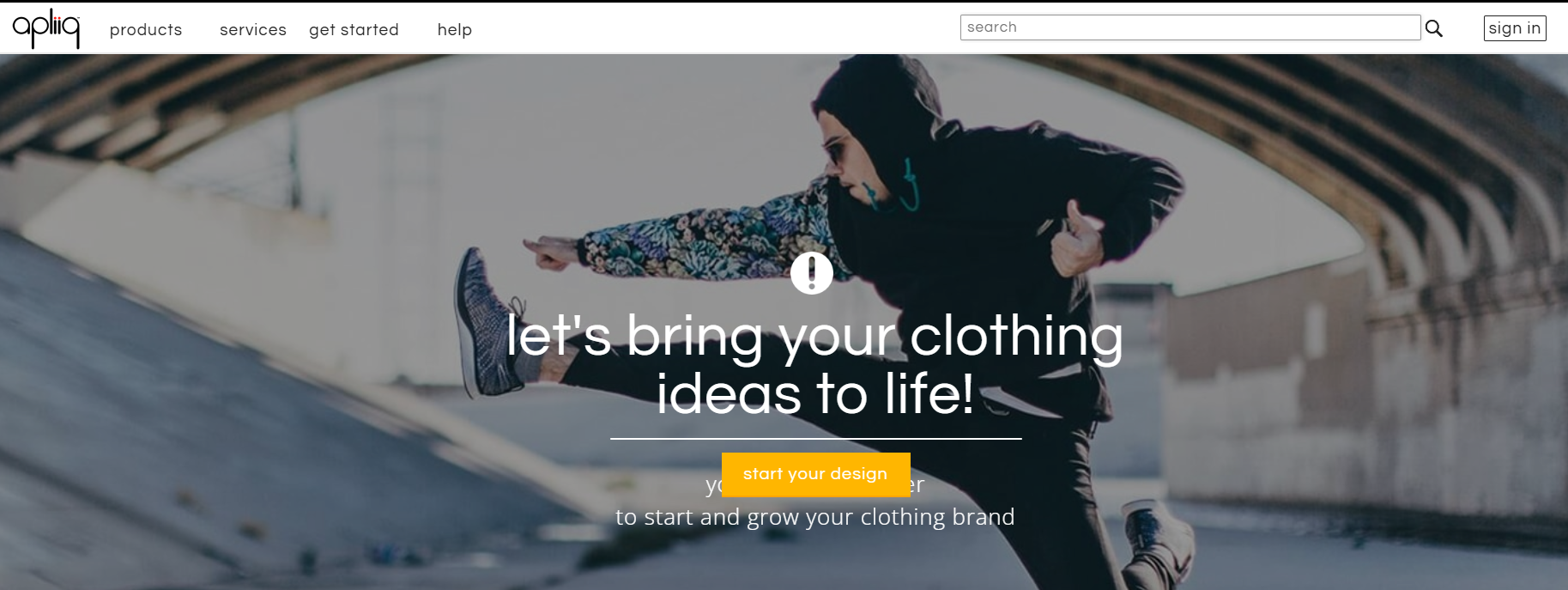
Overview: Apliiq is a unique dropshipping supplier that merges print-on-demand with fashion manufacturing. Based in Los Angeles, Apliiq lets you create your own clothing line with full custom branding. Unlike standard POD providers that just print on generic blanks, Apliiq specializes in streetwear and private label apparel – you can add custom woven labels, patches, embroidery, and even design completely custom cut-and-sew pieces with your branding. They carry a catalog of high-quality blank t-shirts, hoodies, jackets, hats, etc., many of which are made in the USA or sourced from premium materials. Apliiq’s dropshipping model means when an order comes in, they will produce the item with your specified customizations and ship it to your customer. They have a Shopify app for easy integration. This supplier is ideal for entrepreneurs looking to build a streetwear or fashion brand with their own labels, but without investing in inventory up front.
Pros:
-
Fully branded apparel (private label): Apliiq offers 100% private label service – you can have your logo or brand name sewn into the garments (inside neck labels, hem tags, etc.), add custom patches or embroidery, and even custom packaging. Your customer essentially receives a product from “your brand,” not a generic blank. This is perfect for building a loyal following around your unique brand.
-
High quality streetwear focus: The apparel blanks Apliiq uses are generally high quality and on-trend (think sturdy hoodies, joggers, tees). Many items are made in the USA or North America, which can appeal to customers who value that. The quality and feel often surpass typical print-on-demand T-shirts, so you can position your products as premium streetwear.
-
No monthly fees: Apliiq does not charge a subscription; it’s free to use their service. You pay per product when an order comes through (the wholesale cost of the blank + any printing/branding fees). This makes it easy to experiment with designs without extra costs.
-
Shopify integration: They provide a Shopify app for direct integration. Orders from your Shopify store will go straight to Apliiq for fulfillment, and tracking info will sync back. This automation is crucial since custom orders have production time – you don’t want delays from manual entries.
-
Niche differentiation: By using Apliiq, you’re essentially creating your own fashion line. This sets your store apart from typical dropshippers reselling the same items. If you have a creative flair (for designing graphics or a brand concept), Apliiq enables you to turn that into a product without needing a factory.
Cons:
-
Longer fulfillment times: Because products are custom made, production can take 1–2 weeks (10–14 days) before shipping. Apliiq typically needs to cut, sew, or print and then add labels, which is more time-intensive than printing on a basic tee. This means customers might wait 2–3 weeks total to get their item, which is slower than ready-made dropship items. It’s important to communicate this clearly to avoid dissatisfaction.
-
Higher base costs: All that customization isn’t cheap. The base price per item is higher than a mass-produced wholesale blankc. For example, a custom branded hoodie might cost you $30–40, so you must price it higher to profit. Margins can be tight if you try to keep prices low. This model works best when you can charge a premium for your unique brand.
-
Limited product range: Apliiq’s catalog, while high quality, is mostly casual basics – tees, hoodies, jackets, hats. If your brand vision includes specialized fashion items (like dresses, suits, performance sportswear), Apliiq might not cover that. It’s geared towards streetwear and casual wear.
-
Learning curve for design: If you want to fully utilize Apliiq (like creating your own labels or patches), you need some design skills and understanding of product design. There may be trial and error involved in getting your products just right. Also, custom branded items might require ordering samples and adjusting, which is additional time and cost.
-
Returns not straightforward: Since these items are made-to-order with your branding, returns are generally only accepted for defects or errors. Apliiq’s policy doesn’t cover buyer’s remorse or wrong size returns easily (common in POD), so you may end up issuing store credit or handling issues on a case-by-case basis.
9. Tasha Apparel
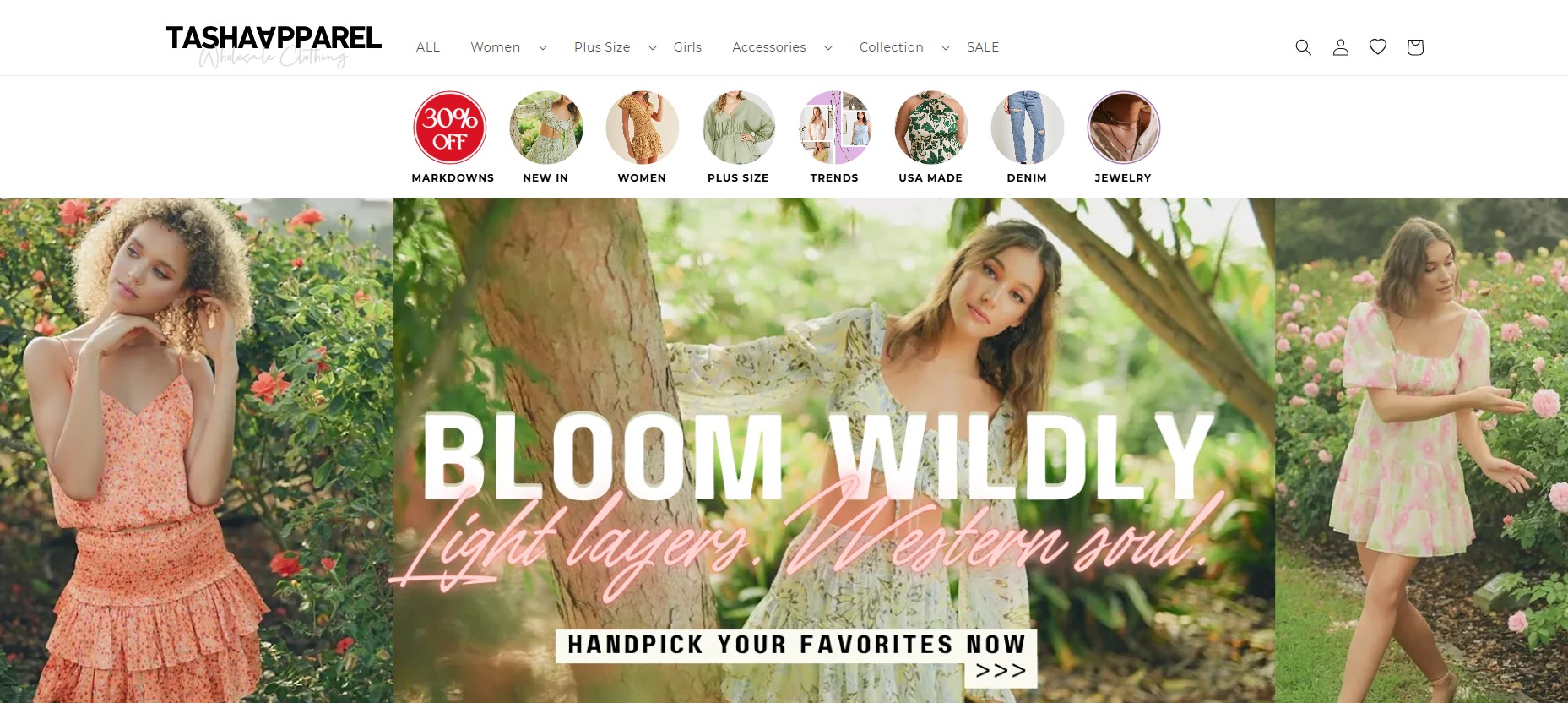
Overview: Tasha Apparel is a large wholesale fashion supplier in Los Angeles that also offers a dropshipping program for retailers. They carry a massive array of women’s clothing – from everyday basics to trendy boutique styles, including activewear, swimwear, outerwear, and plus-size options. What sets Tasha Apparel apart is its speed and inventory: they boast same-day shipping on orders (for dropshippers who place orders by early afternoon) and constantly update their catalog with new arrivals (often weekly). As a dropshipper, you can apply for a free account to access their inventory at wholesale prices; there’s no subscription fee to dropship with Tasha. However, they do not have a dedicated app, so you’ll be managing products via their website or CSV feeds. Tasha Apparel is great for U.S.-based boutique owners who want fast-fashion style clothing with very fast delivery to their customers.
Pros:
-
Extensive, ever-changing catalog: Tasha Apparel has a huge selection of women’s fashion and adds new styles frequently (even weekly). This means you can continually offer the latest trends and a wide variety of products, from casual loungewear to dressy outfits. It’s like having a big LA fashion warehouse at your disposal.
-
Lightning-fast fulfillment: They are known for very fast shipping – dropshipping orders are often shipped out the same day (if ordered by the daily cutoff). Many dropshippers rave that customers can receive items within a few days in the U.S., rivaling the speed of big retail. Fast turnaround can be a huge competitive advantage.
-
Friendly return policy: Tasha has an “extremely generous” return policy for a wholesaler – they accept returns for any reason within 7 days and charge no restocking fees. This is quite dropshipper-friendly, as many wholesalers are strict. It allows you to offer customer-pleasing return options (though you should verify details of how returns are processed).
-
Bulk pricing and no fees: There’s no monthly fee to work with Tasha; you just pay wholesale cost per order. If you scale, they also offer bulk wholesale pricing discounts on larger orders, which can improve your margins if you start getting a high volume of sales.
-
Private label available: For those looking to brand their products, Tasha Apparel offers a private label program where you can arrange for custom packaging or labels once you reach a certain threshold. This means as you grow, you could transform the generic wholesale items into branded items for your store.
Cons:
-
No dedicated app/integration: Tasha Apparel does not have a Shopify app or direct integration. You’ll likely need to import products via CSV file or use a third-party tool like Syncee to pull their products into your store. Orders also need to be placed manually through their website or via email. This adds a bit of extra work compared to suppliers with full automation.
-
Overwhelming catalog: The sheer number of products can be daunting. It’s easy to list too many items and lose focus. Curation is key – you’ll need to handpick the styles that fit your store. Also, with so many products, sizing and quality can vary because they source from multiple manufacturers. It’s wise to order samples of a few items to gauge quality and fit before scaling up.
-
Application required: You can’t just start importing products instantly; you need to sign up and be approved as a retailer (dropshipper) on their website. While they are generally open to new dropshippers, the approval step might take some time. This isn’t a huge con, but it’s one extra step compared to instant-access platforms.
-
U.S.-centric: Tasha ships from Los Angeles and is mainly geared towards U.S. retail. If you have a lot of international customers, Tasha’s shipping might not be as advantageous (international shipping from the U.S. can be expensive and slower). In such cases, pairing Tasha with another supplier that has global reach might be necessary.
10. Kiyonna
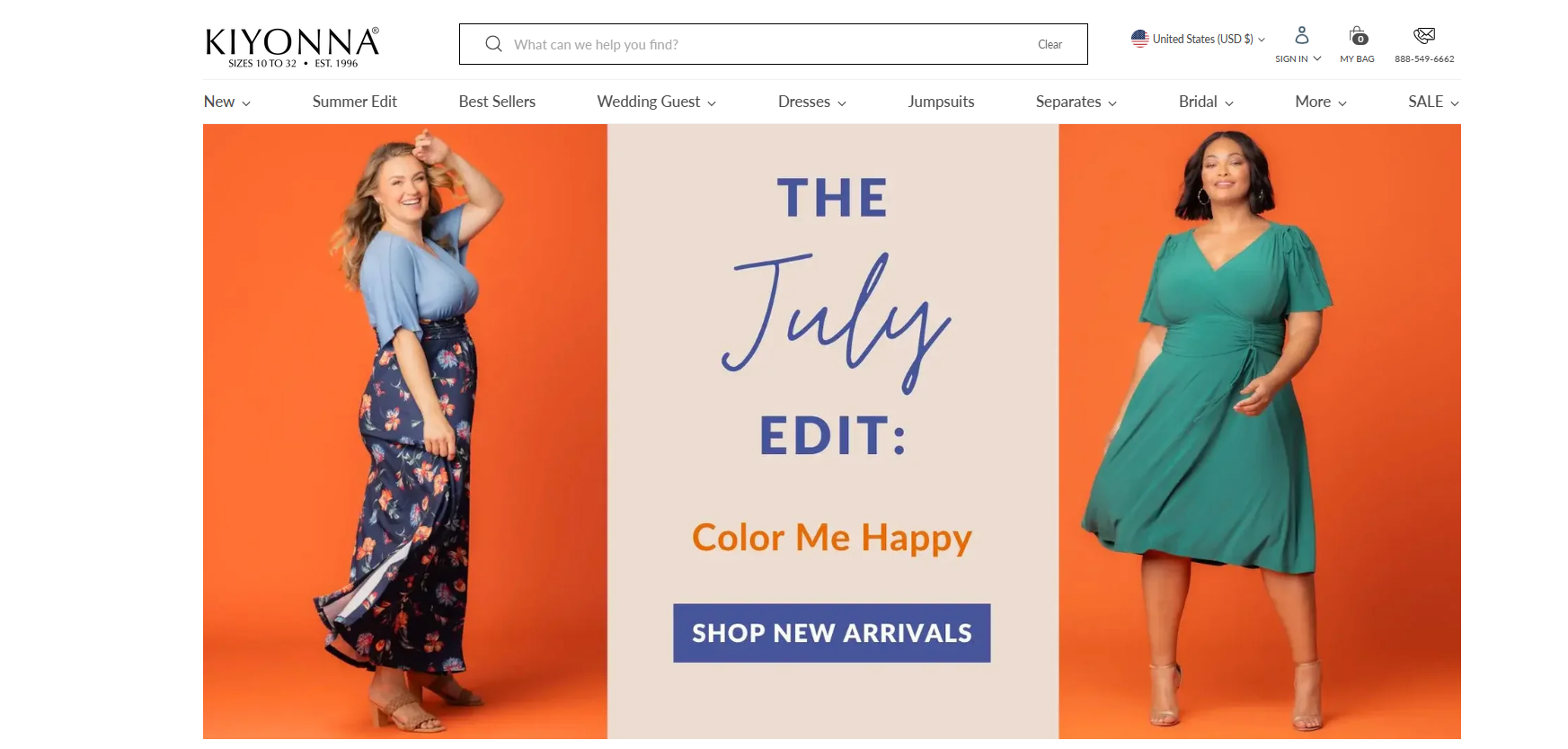
Overview: Kiyonna is a bit different from others on this list – it’s actually a well-known plus-size women’s fashion brand that offers a dropshipping program. Based in the U.S., Kiyonna designs and manufactures its own line of stylish women’s clothing in sizes 14–32 (1X–5X). Their collection focuses on dresses (casual to formal), tops, and some swimwear and lingerie, all specifically tailored for plus-size women. Because Kiyonna is a brand, when you dropship their products, you’re selling Kiyonna-labeled items (which have a good reputation in the plus-size community). They don’t charge a membership fee, but you do need to apply and be approved to become a retail partner. Once approved, you can list their products and you’ll pay a wholesale price (roughly 50% of retail) on each order. Kiyonna’s fulfillment is excellent – since they stock products in their U.S. warehouse, most orders ship out within 48 hours (2 business days), which means customers get their items quickly. This supplier is perfect if you serve the plus-size market and want a reliable, high-quality line to feature.
Pros:
-
Specialized niche – plus size fashion: Kiyonna caters to an important and underserved market: plus-size women’s clothing (sizes 14-32). Their styles are trendy and flattering, from cocktail dresses to casual tops, giving your plus-size customers options that are often hard to find elsewhere. By offering Kiyonna, you align with a brand that’s respected in this niche.
-
High quality, made in USA: All Kiyonna garments are made in the USA with quality fabrics. The construction and fit are generally superior to random overseas suppliers. Your customers are likely to be satisfied with the quality, reducing returns. “Made in USA” can also be a selling point for many shoppers.
-
Fast shipping and easy returns: Kiyonna’s warehouse in California (and now in Detroit) ships orders usually within 48 hours, meaning very fast delivery (often a few days within the U.S.). They also have a customer-friendly return policy, typically allowing returns within 30 days for exchange or store credit (they may handle refunds on a case basis). This is much better than many wholesalers and means you can offer plus-size customers a hassle-free experience similar to regular retailers.
-
No dropshipping fees: It’s free to join Kiyonna’s dropship program – no monthly fees. You simply purchase at the wholesale price when you get an order. This keeps costs down, and the wholesale discount (~50% off retail) gives you a healthy margin to work with.
-
Brand cachet: Selling Kiyonna adds a bit of prestige to your store, as it’s a recognized plus-size brand with a social media following and positive press. You can leverage their professional product photos and size charts. Plus, customers might specifically search for Kiyonna dresses; carrying the brand could draw in those searches.
Cons:
-
Limited product range (brand-specific): You can only sell Kiyonna’s styles, and they focus on women’s plus-size dresses and separates. If your store wants to offer a wide array of products or other categories (menswear, shoes, etc.), Kiyonna alone isn’t enough. It’s best used as a complement to other suppliers, to feature a plus-size collection.
-
Higher price point: As a quality brand, Kiyonna’s wholesale prices are higher than generic dropship apparel. Retail prices for a dress might be $100+, so wholesale could be around $50–$60. The clothing is premium priced for customers and your upfront cost per item is higher. Ensure your target market is willing to pay for quality. The higher price can also mean slower sales volume compared to cheap fast-fashion items.
-
No app or direct integration: Kiyonna does not have a fancy app for automation. You’ll likely be submitting orders through their wholesale portal or via email and manually adding products to your site (though you can use their images/descriptions). This is a bit more manual work compared to a platform like Trendsi. You might need to keep an eye on stock levels by communicating with them or checking their site – they may not have automated stock feeds for your store.
-
Approval required: Since Kiyonna cares about brand image, they vet who can dropship their products. Not everyone is accepted; you may need a professional-looking website and a plan for marketing plus-size fashion to get approved. This isn’t necessarily a con, but it’s a hurdle to be aware of. Once approved, though, you have a valuable partnership.
Tips for Selecting the Right Supplier for Your Clothing Niche
Choosing the right dropshipping supplier is crucial and should be based on your product type, target audience, and required delivery times. Here are some practical tips to help you make the best choice (and you can certainly work with multiple suppliers to cover all bases):
-
Match Supplier to Your Niche & Audience: Identify what type of clothing you’ll sell and who your customers are, then choose suppliers that specialize in that area. For instance, if you run a sportswear or gym apparel store, a print-on-demand like Printful (with performance wear) or a supplier known for activewear is a good fit. For a sustainable or eco-friendly fashion boutique, look for suppliers that offer organic cotton or made-in-USA items (e.g., Infant Wear Bambini offers organic baby clothes or Printful’s eco line) so your values align. If you cater to plus-size or children’s clothing, consider specialized suppliers like Kiyonna for plus or AnnLoren for kids, as they provide the specific sizes and styles your audience needs. The key is to ensure the supplier’s product range and quality match your brand’s niche and customer expectations.
-
Prioritize Shipping Speed for Your Market: If your target market is the U.S. and your customers expect quick delivery (which is often the case in 2026’s Amazon-primed world), favor suppliers with U.S.-based fulfillment or fast shipping options. Domestic suppliers like Trendsi, Tasha Apparel, or those on Spocket’s US list can often deliver in under a week. Fast shipping not only keeps customers happy, it can improve your conversion rates (customers are more likely to buy when they see “Ships from USA, delivered in 3-5 days” on your site). On the flip side, if you decide to use overseas suppliers for unique products, be upfront about longer delivery times. You might reserve those longer-ship items as “special order” or test if your audience is willing to wait for something unique. Always align supplier location/shipping speed with the level of patience your customers have.
-
Check Integration & Platform Support: Some suppliers have seamless integration with Shopify or other e-commerce platforms, which can save you a ton of time and prevent errors. If you’re not very technical or don’t want to handle orders manually, lean towards suppliers with official apps or plugins (CJdropshipping, Trendsi, Printful, Spocket, Syncee, etc., all have Shopify apps or API integrations). This will automate inventory updates and order forwarding. For instance, a supplier that syncs stock levels and tracking automatically means you won’t accidentally sell something that’s out of stock. If a supplier doesn’t have integration (e.g., some wholesalers like BelleWholesale or Kiyonna), be prepared to manage those orders yourself or use third-party software to bridge the gap. It’s not a deal-breaker, but it requires more effort.
-
Evaluate Return Policies & Customer Service: In apparel, returns are inevitable (wrong size, fit issues, etc.), so it’s important to know your supplier’s return policy. A supplier with easy, domestic returns (like one that offers a return window or prepaid return labels) will make your life easier and your customers happier. For example, suppliers like Trendsi offer 7-day free returns, and Tasha Apparel has no restock fees – those are very customer-friendly. On the other hand, some suppliers (especially overseas ones) might have “no returns” or require returns to China, which can be impractical. Balance your business model: if you sell higher-end or fitted fashion, good return options are critical. Additionally, consider the supplier’s support – do they have reps you can contact, or 24/7 chat? If an order goes wrong, responsive supplier support is worth its weight in gold.
-
Compare Pricing and Profit Margins: Your profitability depends on the wholesale prices and any fees. Some suppliers are free to join (CJ, Trendsi, etc.), while others have monthly fees (MOFS, Spocket’s higher tiers, Boutique Simplified, etc.). Factor these into your costs. Also, compare the wholesale cost of items: if one supplier charges $10 for a similar quality shirt that another charges $15 for, that affects your margin. Remember that typical dropshipping margins on clothing might be around 20-50% depending on the item – you need enough markup to cover marketing and still profit. Don’t just chase the cheapest price (quality and reliability matter too), but make sure the numbers work. Sometimes paying a bit for a premium supplier is worth it if their service reduces headaches and customers love the products.
-
Test and Diversify: Finally, don’t put all your eggs in one basket. It’s wise to test multiple suppliers on a small scale to see who performs best (in product quality, shipping time, and service). For instance, you might order sample products or place a test order to yourself from each supplier to experience what the customer sees. This way, you can evaluate packaging, shipping speed, and item quality firsthand. Once you find a few reliable suppliers, diversify your catalog among them – this way, if one hits a stock issue or delay, your business doesn’t grind to a halt. You can also strategically use different suppliers for different needs: maybe CJdropshipping for a broad range of items, Printful for your branded merch, and a niche U.S. boutique supplier for unique pieces. Diversification and testing will ultimately lead you to the optimal mix of suppliers for your specific store and audience.
-
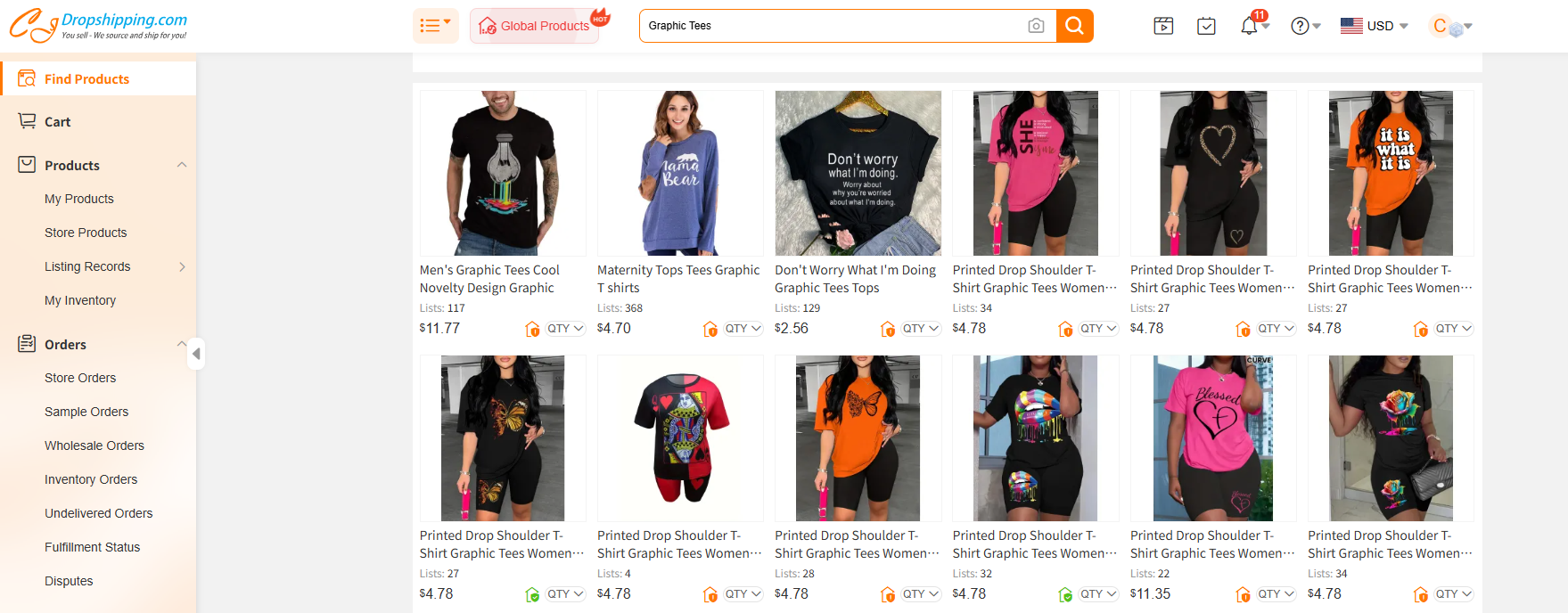
Graphic Tees
-
Why They Sell: Universally appealing, endlessly customizable (slogans, fandom art, memes).
-
Dropshipping Edge: Low cost, no sizing complexity if you stick to standard cuts; print‑on‑demand partners handle production.
-
-
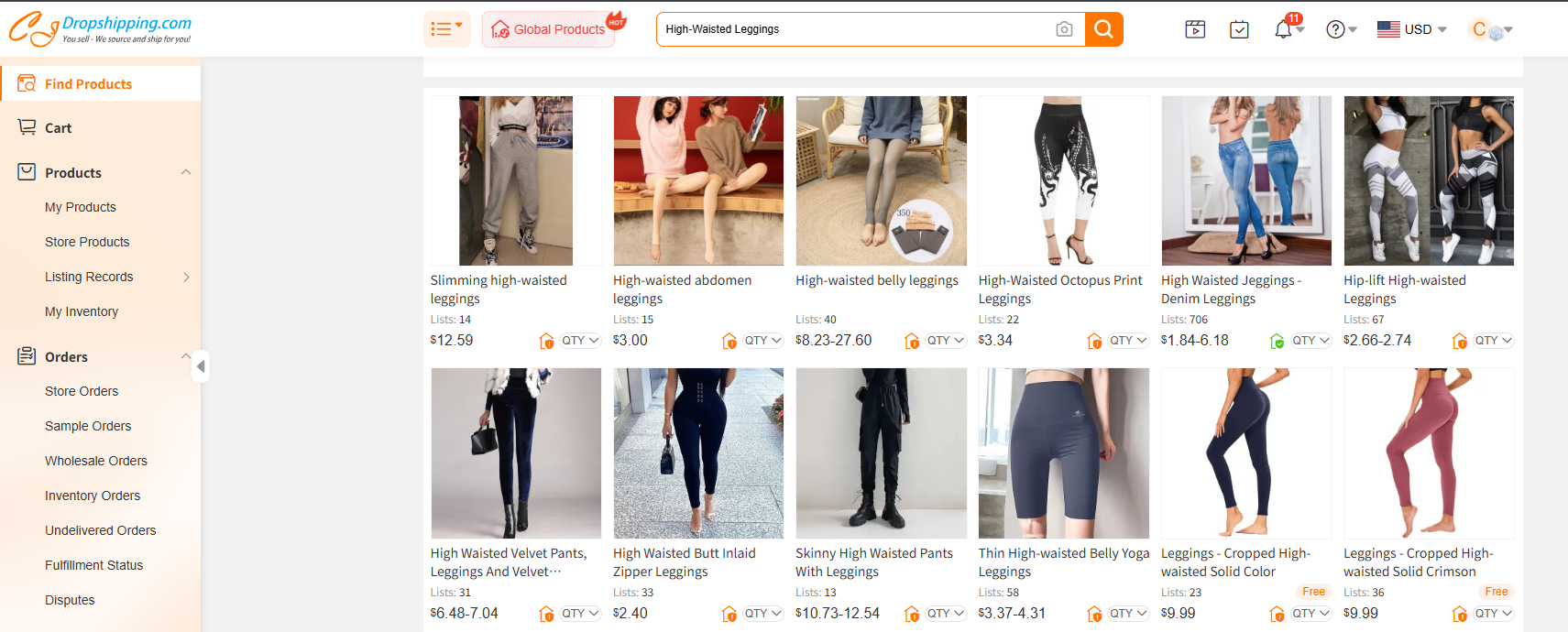
High‑Waisted Leggings
-
Why They Sell: Comfort meets athleisure trend; flattering fit for all body types.
-
Dropshipping Edge: One‑piece fits most; easy returns and low defect rates when sourced from quality suppliers.
-
-
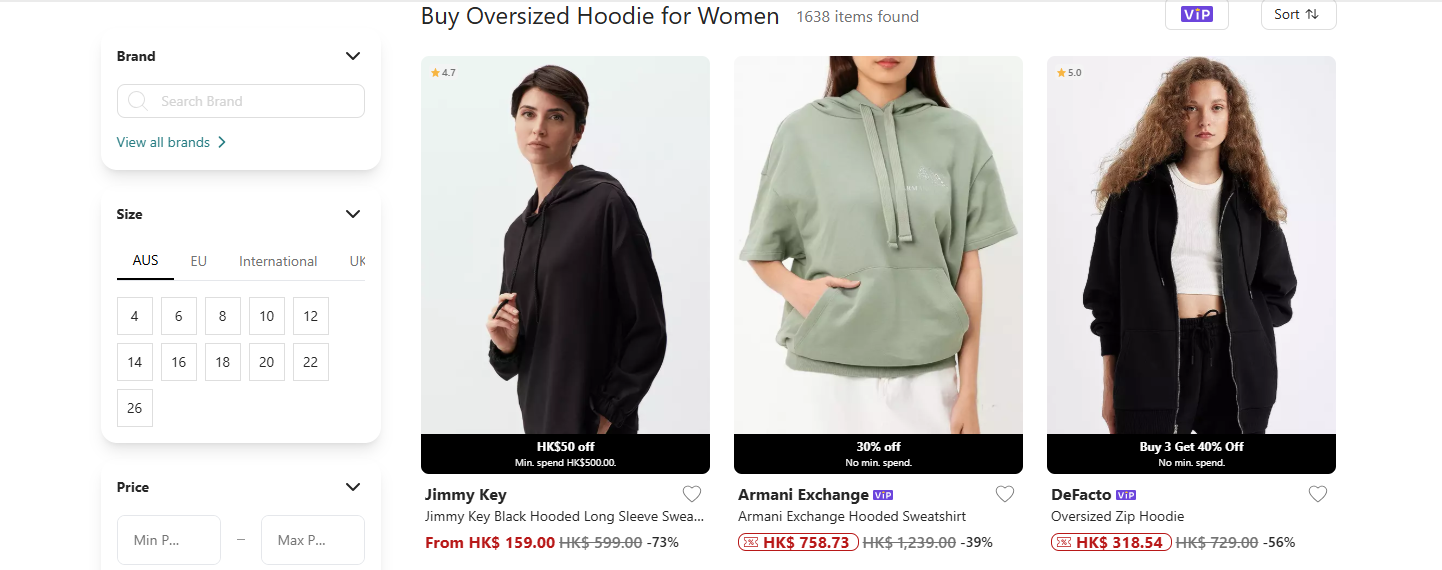
Oversized Hoodies & Sweatshirts
-
Why They Sell: Cozy, unisex styling; streetwear and loungewear crossover.
-
Dropshipping Edge: Simple silhouettes, minimal size variants if you offer “S–XL”; soft fabrics ship well.
-
-
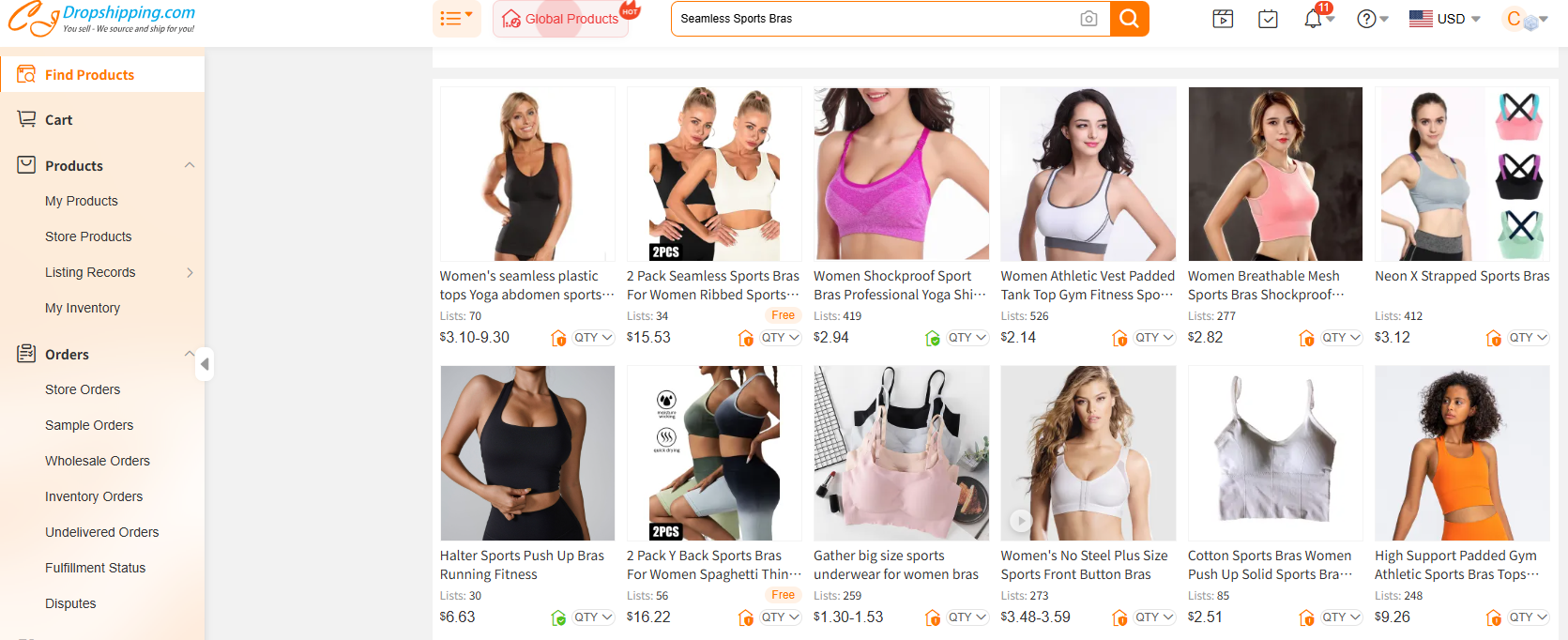
Seamless Sports Bras
-
Why They Sell: Comfortable, supportive activewear staple for at‑home workouts and gym sessions.
-
Dropshipping Edge: Lightweight, compact packaging; high reorder potential with color‑bundle upsells.
-
-
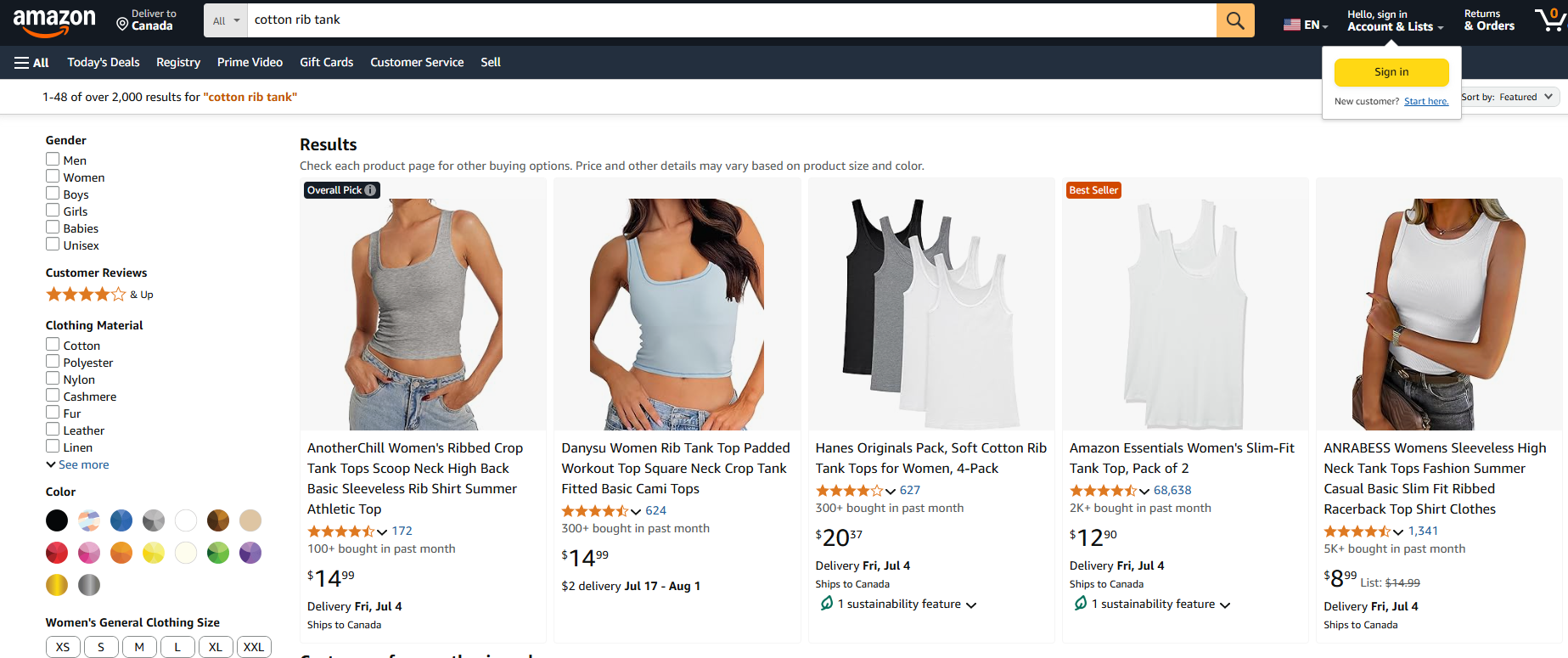
Ribbed Tank Tops
-
Why They Sell: Versatile layering piece, popular in warm seasons and year‑round under cardigans.
-
Dropshipping Edge: Few style SKUs (colors, rib widths), making inventory sync simpler.
-
-
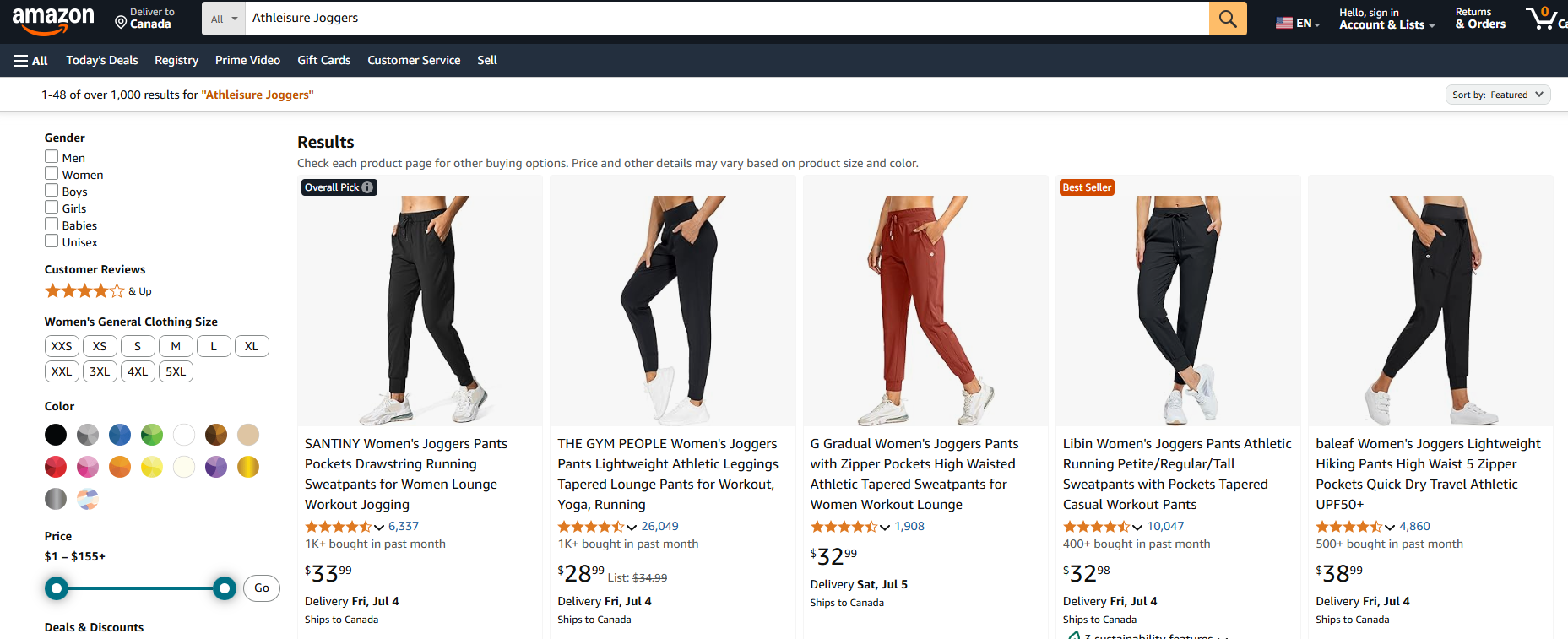
Athleisure Joggers
-
Why They Sell: Combines casual comfort with sporty style; perfect for remote work and errands.
-
Dropshipping Edge: Elastic waists and ankle cuffs accommodate many body shapes; one‑size‑fits‑most options exist.
-
-
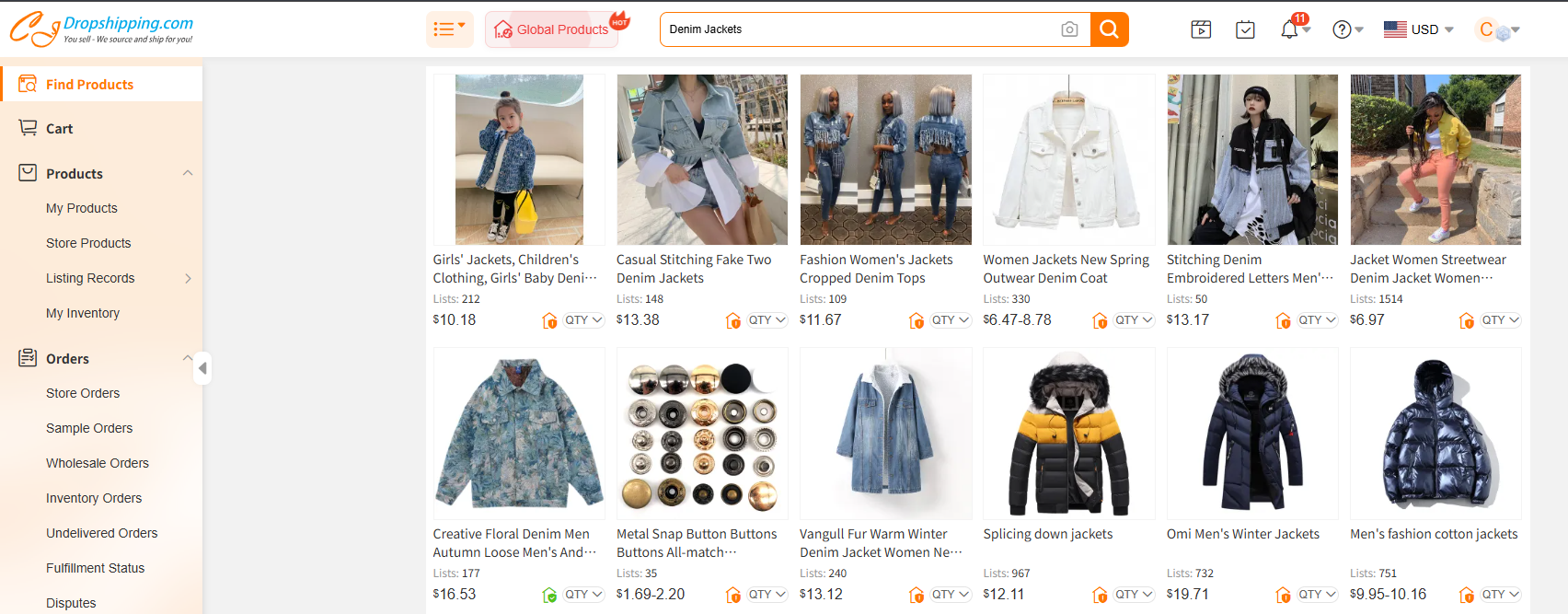
Denim Jackets
-
Why They Sell: Classic wardrobe staple, transcends seasons and trends.
-
Dropshipping Edge: Mid‑tier price point yields good margins; durable fabrics reduce returns due to defects.
-
-
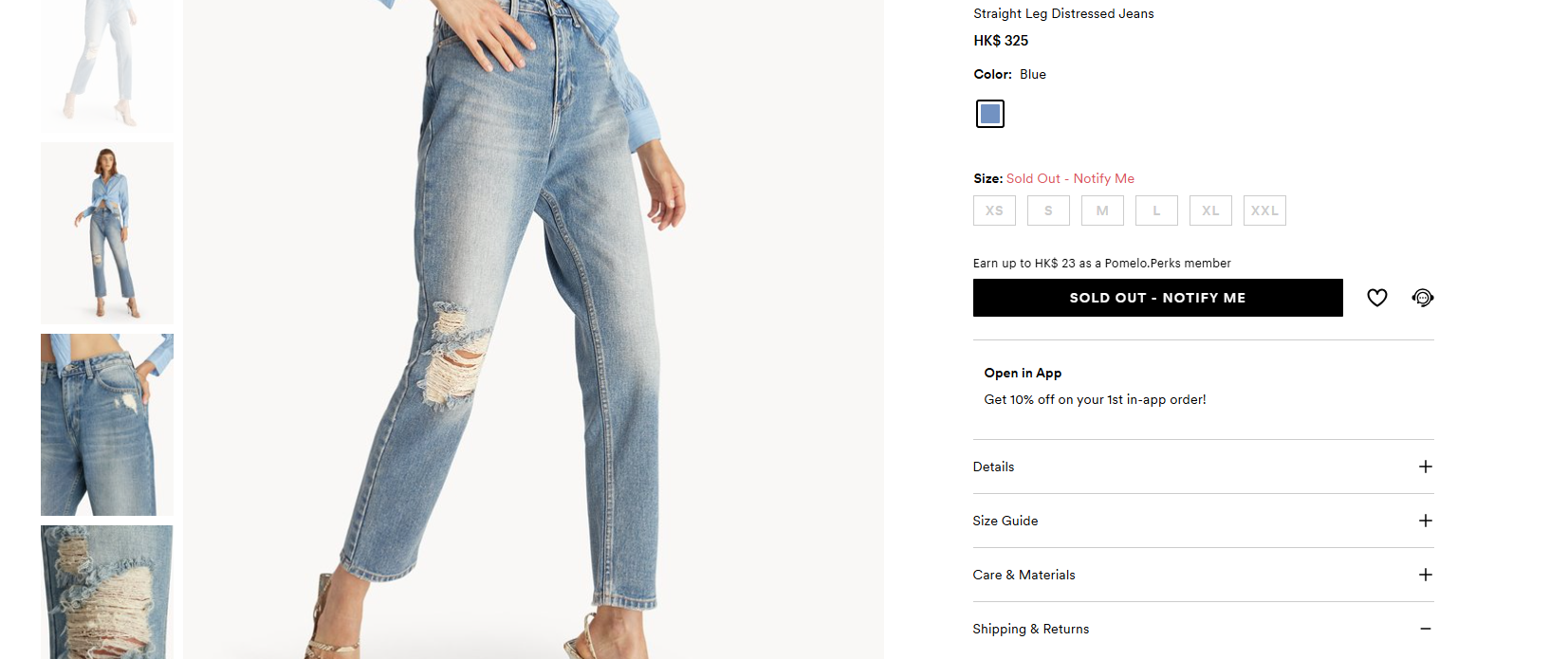
Distressed Jeans
-
Why They Sell: On‑trend “lived‑in” look for men and women.
-
Dropshipping Edge: Sizing can be tricky—partner with suppliers offering detailed measurements and stretch fabrics to minimize fit issues.
-
-
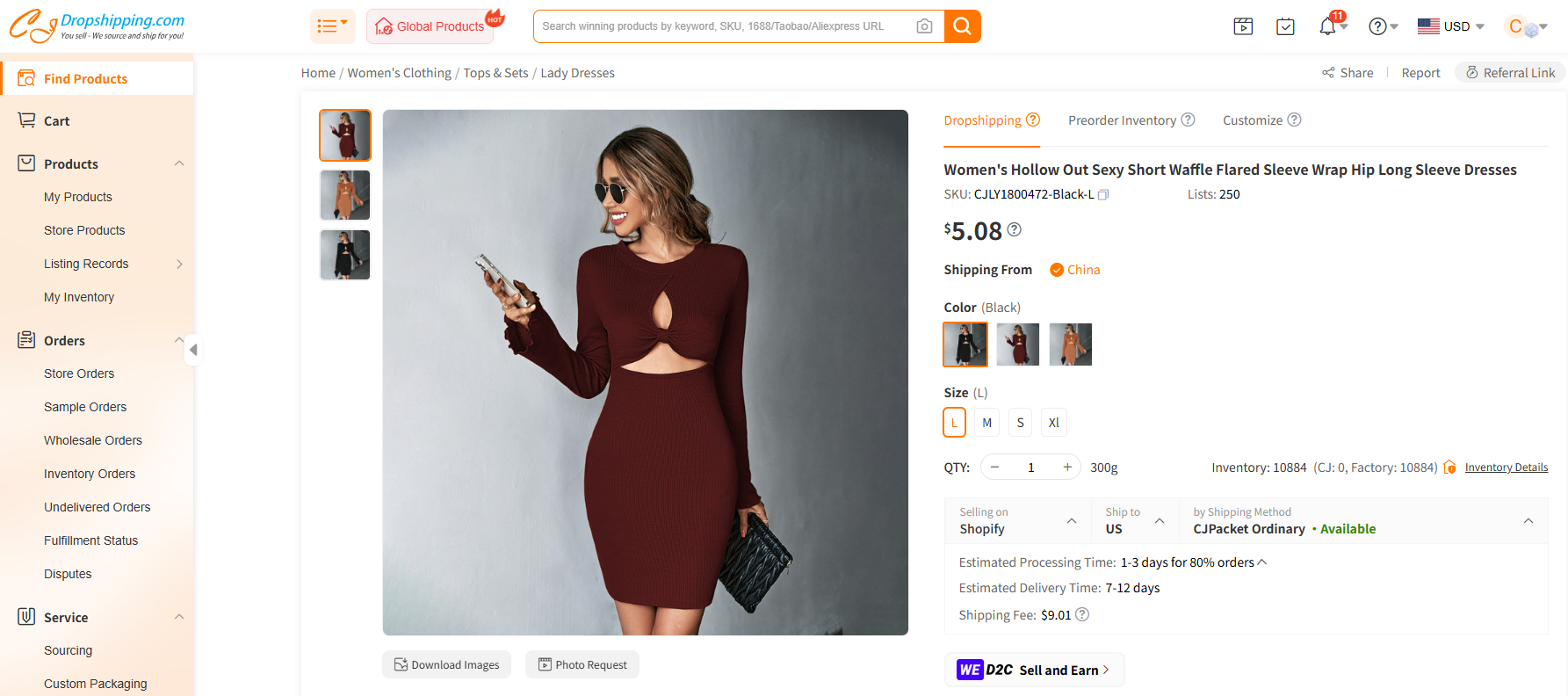
Floral Wrap Dresses
-
Why They Sell: Feminine, flattering for multiple body types; ideal for spring/summer.
-
Dropshipping Edge: Wrap style fits a broad range of sizes; seasonal pushes drive spikes in sales.
-
-
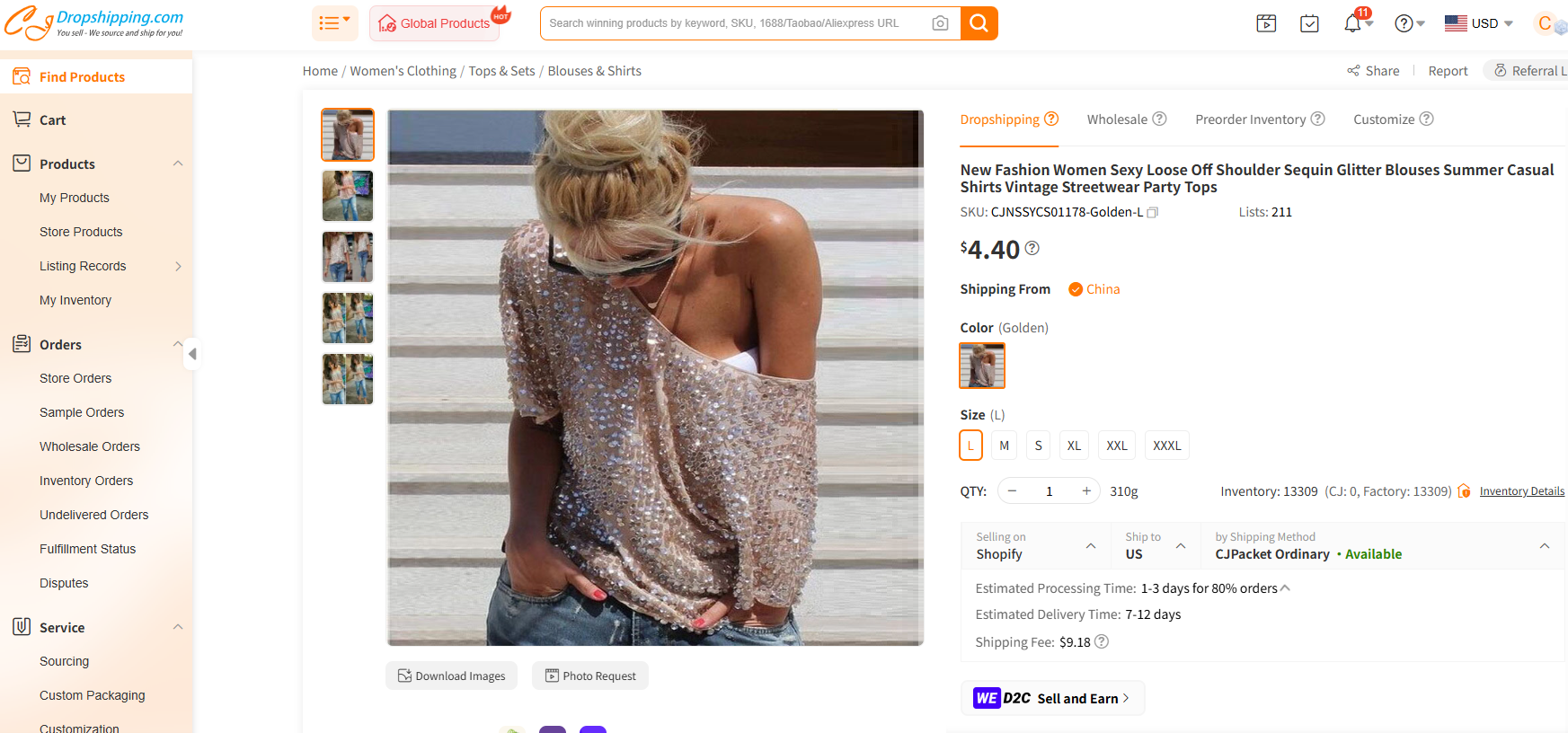
Sequin Party Tops
-
Why They Sell: Perfect for holiday, club, and special‑occasion looks.
-
Dropshipping Edge: High perceived value; limited volume means you can test colors and styles affordably.
-
-
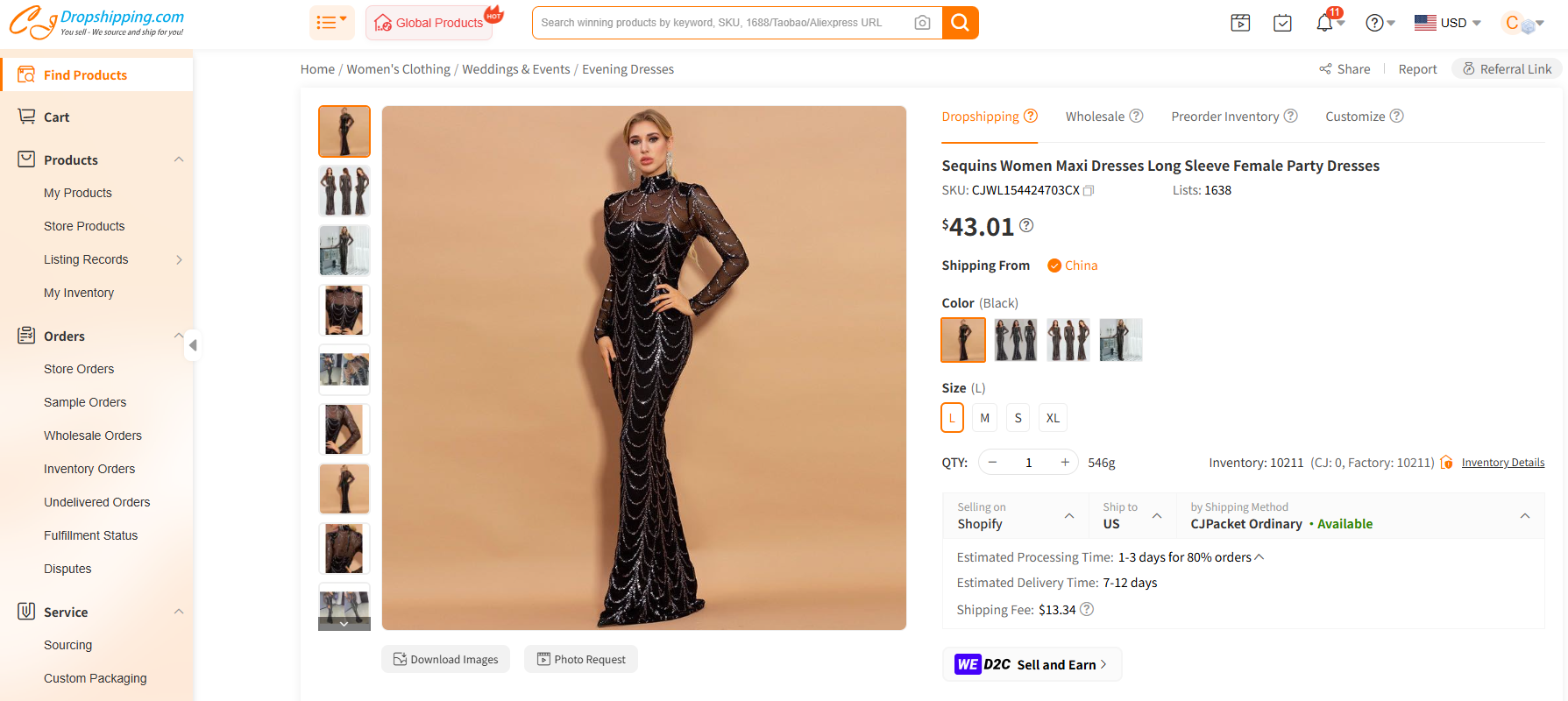
Plus‑Size Maxi Dresses
-
Why They Sell: Growing plus‑size market demands stylish, comfortable dresses.
-
Dropshipping Edge: Fewer SKUs (maxi length simplifies variety), strong loyalty among buyers seeking inclusive sizing.
-
-
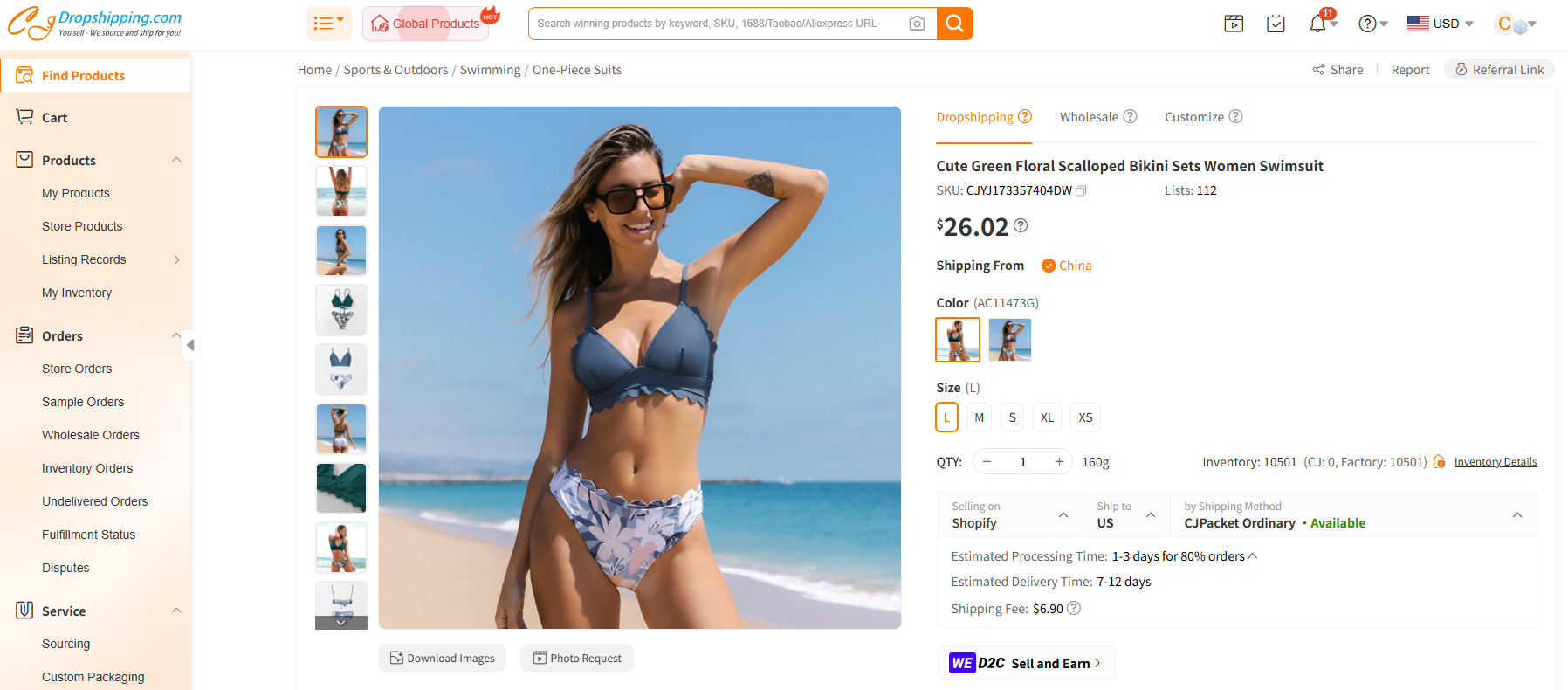
Bikini & Swimsuit Sets
-
Why They Sell: Seasonal bestseller with evergreen appeal in summer and tropical markets.
-
Dropshipping Edge: Two‑piece sets upsell naturally; lightweight for global shipping.
-
-
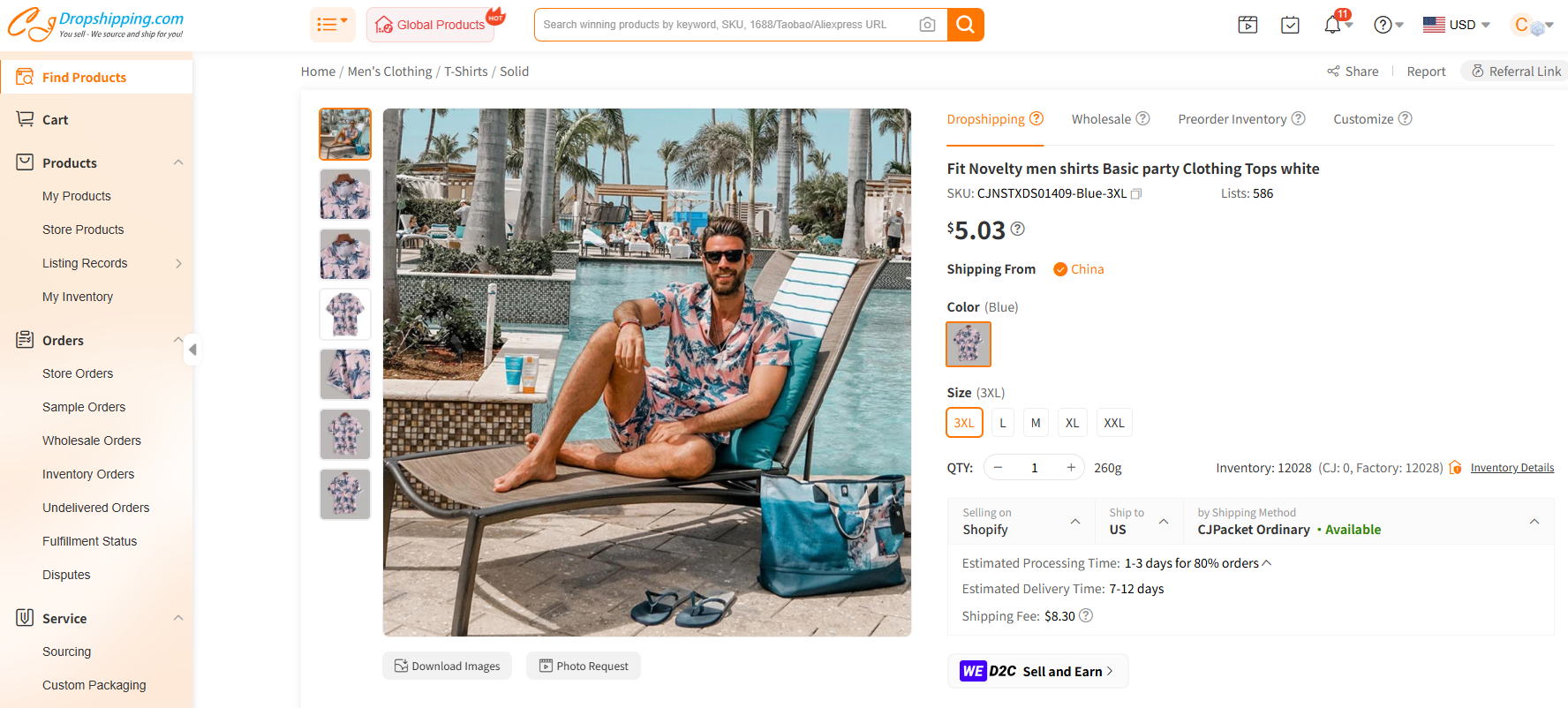
Men’s Slim‑Fit Shirts
-
Why They Sell: Office-to-evening staple for style‑conscious men.
-
Dropshipping Edge: Offer standard collar and cuff combinations; stick to popular solids and simple patterns to ease inventory.
-
-
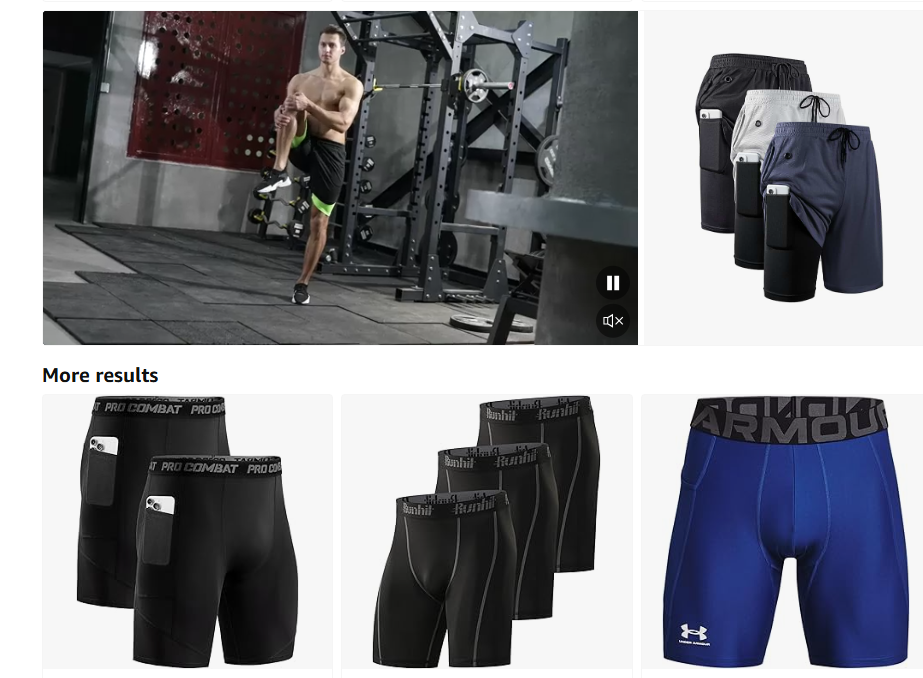
Compression Shorts & Tights
-
Why They Sell: Popular among runners, cyclists, and gym‑goers for muscle support and comfort.
-
Dropshipping Edge: Technical fabrics command premium pricing; narrow size ranges help manage returns.
-
-
Lightweight Cardigans & Kimonos
-
Why They Sell: Layering essentials for transitional weather; work equally well as casual cover‑ups.
-
Dropshipping Edge: One‑size‑fits‑most kimono styles simplify sizing; drapey knits fold compactly for shipping.
-

Tips for Success with Dropshipping Clothing:
-
Order Samples First: Always check fabric quality, stitching, and color accuracy.
-
Use Clear Size Guides: Provide detailed measurements and fit notes to reduce returns.
-
Leverage Print‑on‑Demand for Graphics: Test new designs without holding inventory.
-
Offer Bundles & Upsells: Pair complementary items (e.g., leggings + sports bra) to boost average order value.
-
Monitor Trends Continuously: Fashion is fast‑moving—rotate SKUs and introduce limited‑edition drops to keep your store fresh.
What criteria should I use to evaluate dropshipping clothing suppliers?
When you’re vetting potential dropshipping clothing suppliers, you want to move beyond price and catalog size to ensure you partner with vendors who deliver quality, reliability, and a scalable service. Here are the key criteria—and specific questions—to guide your evaluation:
1. Product Quality & Consistency
-
Sample Inspection: Always order a sample (or small batch) of each SKU you plan to carry. Check fabric hand‑feel, stitching, print clarity and colorfastness, seams, zippers/buttons, hems and labels.
-
Tolerance for Defects: Ask about their internal defect rate (e.g. ≤2%) and what corrective actions they take when an order batch exceeds that.
-
Material Certification: For specialized fabrics (organic cotton, moisture‑wicking blends, recycled polyester), request certifications or lab reports to verify composition.
2. Minimum Order Quantities (MOQs) & Flexibility
-
Single‑Piece Dropship: Can they ship individual units, or do they require you to buy “packs” (e.g. 3×, 5× same style)?
-
Scaling Terms: As your volumes grow, can MOQs be reduced or waived temporarily? What price breaks do they offer at higher tiers (e.g. 500, 1,000, 5,000 units)?
3. Pricing Structure & Margins
-
Unit Cost Breakdown: Get clear on product base price, packaging fee (if any), and shipping fee per order.
-
Hidden Fees: Watch for unexpected charges—like handling fees, order‑processing fees, or restocking fees on returns.
-
Volume Discounts: Confirm tiered pricing thresholds and whether they’re automatic or require negotiation.
4. Shipping Options & Speed
-
Methods Offered: ePacket, DDP (“Delivered Duty Paid”), express couriers (DHL/FedEx), or regional warehouse shipping.
-
Transit Times: What are their typical carrier lead times to your top markets (e.g., US, EU, AU)?
-
Tracking & Insurance: Do they provide real‑time tracking URLs? Is shipment insured against loss or damage?
5. Integration & Order Automation
-
E‑Commerce Plugins/APIs: Do they offer one‑click integrations with Shopify, WooCommerce, BigCommerce, or custom APIs?
-
Inventory Sync: How frequently do they update stock levels? Can you prevent oversells automatically?
-
Order Forwarding: Is fulfilling an order as simple as clicking “Push to Supplier,” or is there manual data entry involved?
6. Communication & Responsiveness
-
Response Time: Test their support by sending a detailed inquiry. Aim for replies within 12–24 hours.
-
Language Proficiency: Are they fluent in your primary business language? Misunderstandings on specs or shipping can cost you dearly.
-
Dedicated Account Rep: Do they assign you a consistent point of contact who knows your business?
7. Returns & Refund Policies
-
Return Handling: Who pays for return shipping on buyer’s remorse vs. defective items?
-
Replacements & Refunds: Do they ship replacements automatically upon proof of defect, or do you wait for the return to come back?
-
Restocking Fees: If returns are customer‑initiated, do they deduct restocking or processing fees?
8. Branding & Packaging Options
-
Custom Labels & Tags: Can you add your own woven labels, hang tags, or custom care labels?
-
Branded Packing Slips: Are you allowed to include branded inserts, thank‑you cards, or promotional flyers?
-
Private Labeling: For higher‑volume commitments, do they support private‑label production (e.g. custom colors, design modifications)?
9. Ethical & Regulatory Compliance
-
Factory Audits: Have they undergone third‑party social or environmental audits (e.g. Sedex, BSCI)?
-
Certifications: For organic or sustainable lines, can they provide GOTS, OEKO‑TEX, or Fair Trade certificates?
-
Child‑Labor & Safety Standards: Especially important if you’re selling children’s clothing—make sure they comply with CPSIA (US) or CE (EU) standards.
10. Financial Stability & Reputation
-
Years in Business: Suppliers with 3+ years of consistent operation tend to be more reliable.
-
Reviews & References: Look for testimonials, case studies, or reach out directly to other retailers who’ve used them.
-
Payment Terms: Do they offer Net‑30/Net‑60 after a proven track record, or require 100% upfront? Longer terms improve your cash flow.
Putting It All Together
-
Scorecard Approach: Create a simple spreadsheet and score each supplier 1–5 on every criterion above.
-
Sample Round: Narrow to your top three, then order full sample sets.
-
Pilot Orders: Place a small live order in real‑market conditions to test fulfillment, shipping, and returns process.
-
Final Selection: Choose the supplier with the highest aggregate score—then negotiate your best pricing and service-level agreement.
How to start a dropshipping clothing business?
1. Define Your Niche & Brand
-
Pick a Specific Niche
-
Don’t go “general apparel.” Focus on a subset—e.g., eco‑friendly activewear, streetwear for teens, plus‑size women’s dresses, or organic baby clothes.
-
A defined niche helps you tailor your marketing, stand out from mass‑market retailers, and attract a loyal audience.
-
-
Develop Your Brand Identity
-
Choose a name, logo, color palette, and tone of voice that resonate with your niche.
-
Craft a brand story: Why you? What values (sustainability, inclusivity, bold design) will you champion?
-
2. Research & Source Reliable Suppliers
-
Evaluate Supplier Platforms
-
Print‑on‑Demand: Printful, Printify (great for custom designs).
-
Wholesale Aggregators: Spocket, CJDropshipping, Modalyst—these give access to ready‑made fashion lines.
-
Direct Factories: Alibaba for bulk, but many will dropship on request—just clarify MOQs.
-
-
Vet Sample Products
-
Order at least one sample of each key item. Check fabric feel, stitching, fit, and color accuracy.
-
Time the delivery—fast shipping (ePacket or regional warehouses) = happier customers.
-
-
Negotiate Terms
-
Confirm dropshipping fees, shipping costs, and branding options (custom labels, packing slips).
-
Ask about returns process, defective‑item policies, and payment terms.
-
3. Build Your Online Store
-
Choose Your Platform
-
Shopify: Easiest to set up, tons of fashion‑focused themes, built‑in payment processing.
-
WooCommerce (WordPress): More flexible if you’re comfortable with basic web tech.
-
BigCommerce / Wix / Squarespace: Good alternatives with drag‑and‑drop builders.
-
-
Design & Layout
-
Use a clean, mobile‑friendly theme. Highlight large, clear product images.
-
Organize by collections (e.g., “Summer Dresses,” “Athleisure Tops”) so visitors find what they need fast.
-
-
Add Essential Pages
-
Product Pages: Benefit‑focused descriptions (“Breathable fabric keeps you cool”), size charts, multiple photos (including on‑model shots).
-
About Page: Tell your brand story and mission.
-
Policy Pages: Shipping, returns, privacy, and terms. Clear policies reduce buyer hesitation.
-
-
Install Key Apps/Plugins
-
Supplier Integration: Official apps for Printful, Spocket, or CJDropshipping to automate product import and order forwarding.
-
Reviews: Yotpo or Judge.me for social proof.
-
Email Capture: Klaviyo or Omnisend to build your newsletter list.
-
4. Populate & Optimize Your Catalog
-
Keyword‑Rich Product Titles & Descriptions
-
Include search terms (“women’s sustainable yoga leggings”) naturally.
-
Highlight unique selling points: fabric type, fit, ethical production.
-
-
High‑Quality Visuals
-
Use supplier‑provided mockups or take your own flat lays and on‑model shots.
-
Consider simple lifestyle images that show the clothing in use.
-
-
Pricing Strategy
-
Calculate your all‑in cost: product + shipping + platform fees.
-
Aim for a 2–3× markup on basic apparel; adjust for premium or custom pieces.
-
5. Launch & Drive Traffic
-
Set Up Paid Ads
-
Facebook & Instagram: Use interest and lookalike audiences targeting your niche. Carousel ads and short video demos work well for clothing.
-
Pinterest: Great for fashion inspiration—promoted pins can drive steady, low‑cost clicks.
-
-
Leverage Influencers & UGC
-
Partner with micro‑influencers (5K–50K followers) for honest try‑on hauls.
-
Encourage customers to tag you in their outfit photos; feature them on your site or feed.
-
-
Content & SEO
-
Start a simple blog or style guide: “5 Ways to Wear Sustainable Athleisure.”
-
Optimize category and collection pages with long‑tail keywords (“plus‑size summer dresses”).
-
-
Email Marketing
-
Welcome series offering a first‑order discount.
-
Abandoned‑cart reminders with a small incentive.
-
Seasonal promos (“Spring Collection Launch”) and product restock alerts.
-
6. Fulfillment & Customer Service
-
Automate Order Processing
-
Ensure each sale automatically sends order details to your supplier via your chosen app/plugin.
-
Monitor the dashboard for any failed orders or supplier stock alerts.
-
-
Communicate Shipping Updates
-
Send real‑time tracking info. If you anticipate delays, proactively email customers with a brief apology and new ETA.
-
-
Handle Returns Professionally
-
Offer a clear, fair return window (e.g., 14–30 days).
-
Make return instructions easy to find and follow; consider covering return shipping for defective or wrong items.
-
-
Support & Feedback
-
Use a help‑desk tool (Zendesk, Gorgias) to manage inquiries.
-
Survey customers post‑purchase to gather insights on fit, quality, and delivery experience.
-
7. Analyze & Scale
-
Track Key Metrics
-
Conversion Rate: Sales ÷ site visits.
-
Average Order Value (AOV): Revenue ÷ orders.
-
Customer Acquisition Cost (CAC): Ad spend ÷ new customers.
-
Return Rate & Refund Costs: Returns ÷ orders.
-
-
Optimize Underperformers
-
If a product has high traffic but low sales, test new images or tweak the price.
-
For high return rates, revisit size charts or supplier quality.
-
-
Expand Your Line
-
Add complementary items (e.g., matching tops and bottoms).
-
Test seasonal collections or limited‑edition drops to create urgency.
-
-
Automate & Outsource
-
As volume grows, consider hiring a VA or small support team for customer service.
-
Use marketing agencies or freelancers to manage ad campaigns and content.
-
By considering your niche needs, your customers’ expectations, and the strengths of each supplier, you can mix-and-match the above options to build a robust dropshipping operation. In 2026, customers expect both unique products and fast, reliable delivery – with the right suppliers in your corner, you can deliver both and scale your fashion dropshipping business successfully. Good luck, and happy dropshipping!
FAQ
Q: What criteria should I use to evaluate dropshipping clothing suppliers?
A: Focus on product quality (fabric and construction), pricing and MOQ (minimum order quantity), shipping methods and transit times, return and exchange policies, customization options (OEM/ODM), and integration with your e‑commerce platform.
Q: Do dropshipping clothing suppliers support private‑label or custom branding?
A: Many top suppliers offer OEM/ODM services—custom labels, tags, packaging, and branded inserts—usually with a higher MOQ and an extra fee.
Q: Can I integrate multiple dropshipping clothing suppliers into one store?
A: Yes—using apps or plugins (for Shopify, WooCommerce, BigCommerce, etc.) you can manage products and orders from different suppliers, though it adds complexity to order tracking and customer service.
Q: How can I maximize profit when working with dropshipping clothing suppliers?
A: Negotiate bulk discounts, focus on high‑margin niches, optimize pricing and upsell/cross‑sell, use bundled shipping, improve store SEO and conversion rates, and continuously test new products.