
Launching an online business without capital might sound impossible, but dropshipping makes it achievable. In fact, dropshipping is built for entrepreneurs on a shoestring budget. Unlike traditional retail where you buy inventory upfront, dropshipping lets you partner with suppliers who ship products directly to your customers. You pay for the product only after you’ve made a sale, meaning no stock purchases or warehouse costs upfront.

An aspiring entrepreneur running a dropshipping business with just a laptop and internet connection. The dropshipping model allows you to start selling online without investing in inventory upfront, significantly lowering the financial barrier to entry.
What Is Dropshipping and How Does It Work?
Dropshipping is an e-commerce fulfillment method where your online store sells products that a third-party supplier stocks and ships on your behalf. Here’s how it works in practice:
-
Customer places an order: A shopper buys a product from your online store and pays you the retail price.
-
You forward the order to the supplier: You then purchase that item from your supplier (at wholesale cost) and provide the customer’s address.
-
Supplier ships directly to customer: The supplier packages and ships the product straight to your customer.
-
You keep the margin: Your profit is the difference between what the customer paid you and what you paid the supplier.
Because you never hold inventory, you aren’t stuck with unsold stock and you avoid upfront product costs. This makes dropshipping a low-risk, high-flexibility business model. You can offer a global catalog of products without capital investment, quickly test new niches, and scale by focusing on marketing rather than managing a warehouse. The trade-off is that you rely on your suppliers for product quality and shipping speed, so choosing reliable partners is crucial (more on that later).
Can You Really Start Dropshipping With No Money?
Yes — you can start a dropshipping business with virtually zero upfront funds, especially today. The key reason is that you don’t purchase inventory until a customer has paid you. As one industry guide puts it, “you can start a profitable dropshipping business today without spending a dime upfront”. Many core tools and platforms for dropshipping are available in free versions or trials, which means your initial setup costs can be negligible.
However, **“no money” doesn’t mean no costs at all forever. It means you can get from idea to your first sales without a big budget. In 2026, there are plenty of free or freemium services to build your store, find products, and promote your business. For example, you can use a free e-commerce plan or trial to host your shop, free research tools to find winning products, and organic marketing (social media, SEO, etc.) to drive traffic. With suppliers like CJdropshipping or AliExpress, you only pay for the product after a customer buys (and that payment comes out of the customer’s money). This makes it feasible to launch with essentially $0 in inventory costs.
That said, be prepared to invest effort and eventually some funds once you start gaining traction. Running a business on a zero budget often means putting in extra time instead of money – for instance, writing your own product descriptions, doing your own marketing outreach, and patiently building organic traffic. As one dropshipping expert notes, it’s totally possible to start without money, “but at some point, you’ll need to spend some money to grow.” In other words, to scale beyond your first few sales, you may choose to invest in things like a custom domain, premium apps, or paid ads. The good news is those expenses can be funded by the revenue your store generates. For now, let’s focus on getting you from $0 to launch without swiping your credit card.
How to Start Dropshipping for No Money
Ready to build a business with an empty bank account? Here’s a step-by-step game plan to go from idea to live store without spending upfront cash.
Step 1: Find Your Niche and Winning Product (For Free)
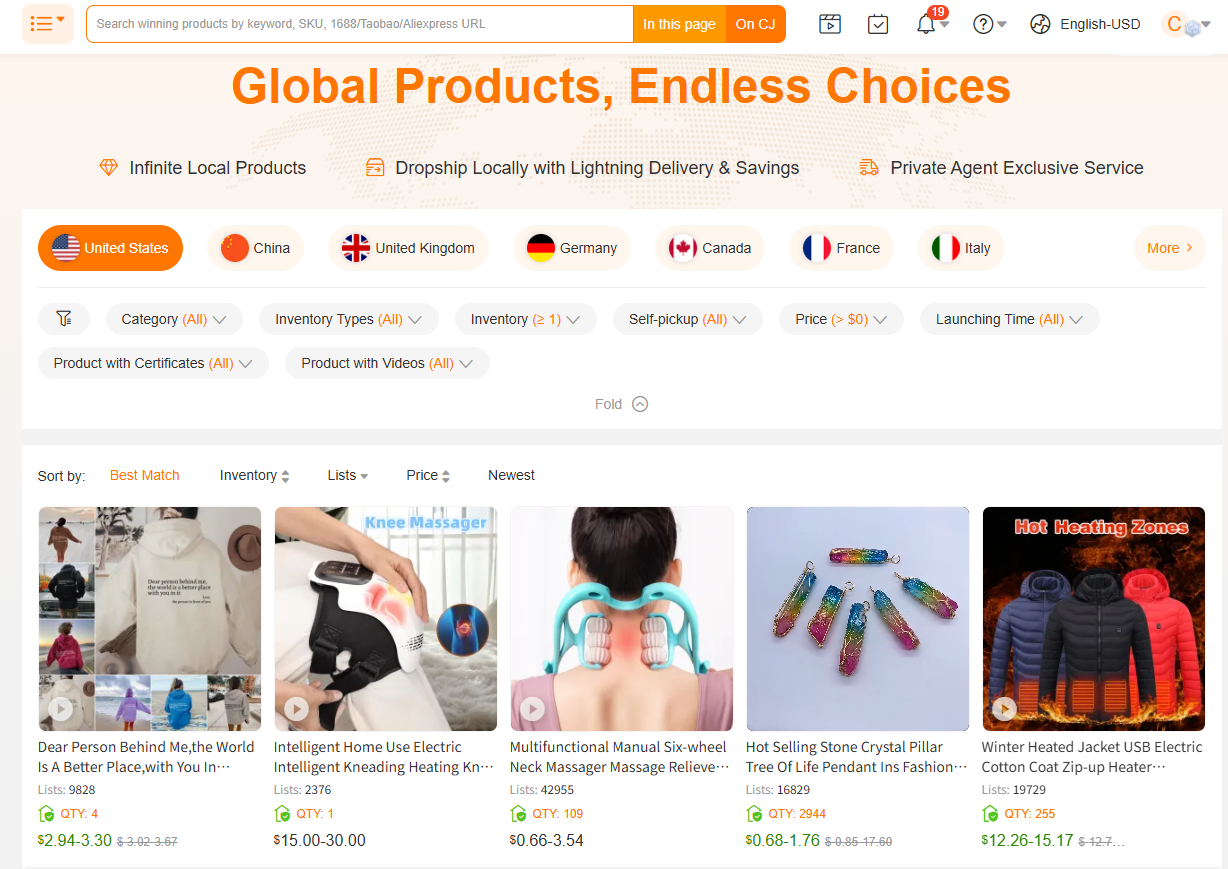
Every great dropshipping store starts with choosing a niche – a focused category of products and customers. A well-chosen niche helps you stand out and market effectively without big ad budgets. When money is tight, it’s even more important to zero in on products that have steady demand and low competition. Here are free strategies to discover a promising niche and product:
-
Keyword and trend research: Use free tools like Google Trends and Google Keyword Planner to gauge interest. For example, ensure people are searching for your product idea and that interest is stable or rising. If you see search volume growing for “eco-friendly yoga mats,” that’s a positive signal.
-
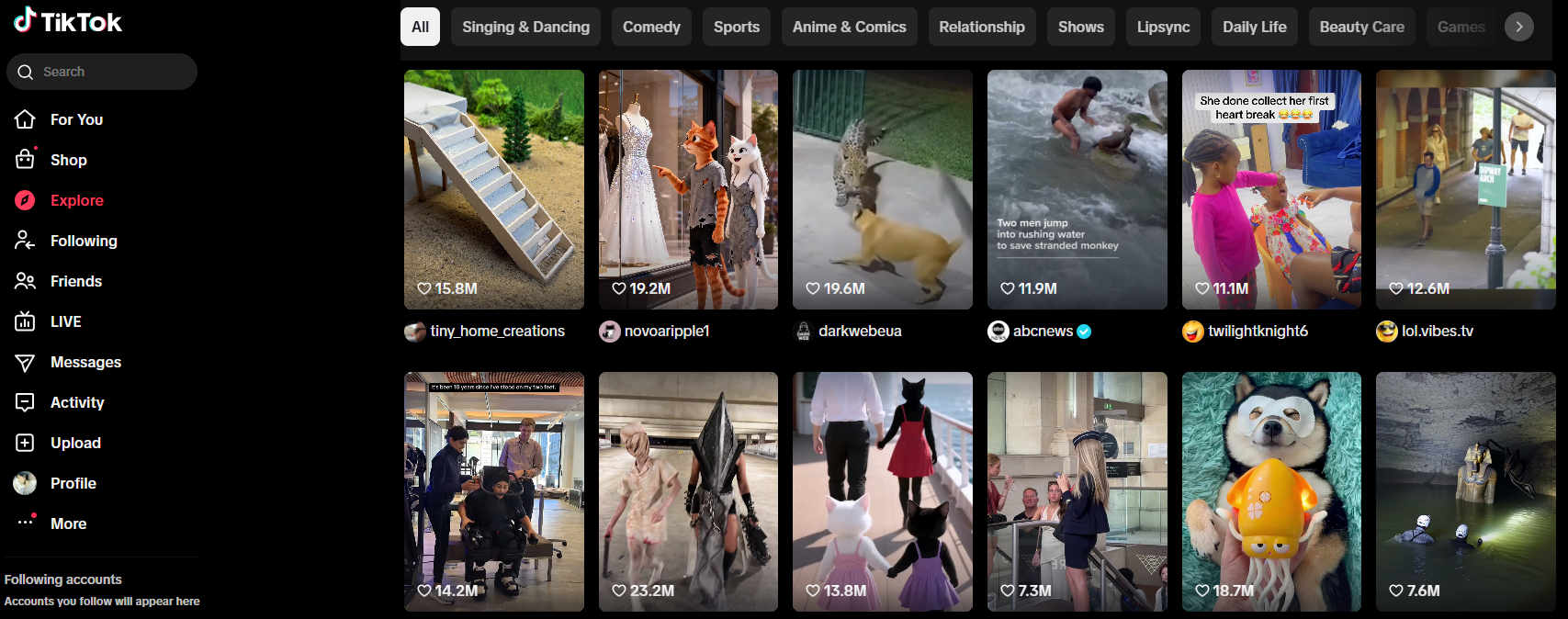
Social media and forums: Browse platforms like TikTok, Instagram, Reddit, and Facebook Groups for trending product posts. Often, viral products (e.g. a clever kitchen gadget or a fashion accessory) can hint at a good niche. If a hashtag like #TinyHomeHacks is trending and products related to it are going viral, that niche could be gold.
-
Competitor analysis: Identify a few existing online stores in the niches you’re considering. Check what products they sell, their pricing, and how much engagement they get. If big stores are succeeding with pet travel accessories, for instance, you know pet owners traveling is a viable niche – but you might niche down further (e.g. “travel gear for small dogs”).
-
Solve a problem or passion: Think of everyday problems or passionate hobby communities. Products that solve a clear problem or cater to a passionate fan base tend to sell well. For example, posture-corrector devices address a pain point for office workers, and collectible K-pop merch targets a passionate fandom. Aim for niches where customers are enthusiastic or have a pressing need.
Tip: Go micro-niche if possible. Instead of a broad category like “home fitness equipment,” a micro-niche would be “yoga accessories for travelers” or “eco-friendly yoga mats for beginners.” The more specific and unique your angle, the easier it is to attract a dedicated audience without costly marketing. And remember, because there’s no inventory risk, you can test different products rapidly – if one doesn’t sell, simply try a new item until you hit a winner.
Step 2: Choose Suppliers with Zero Upfront Cost
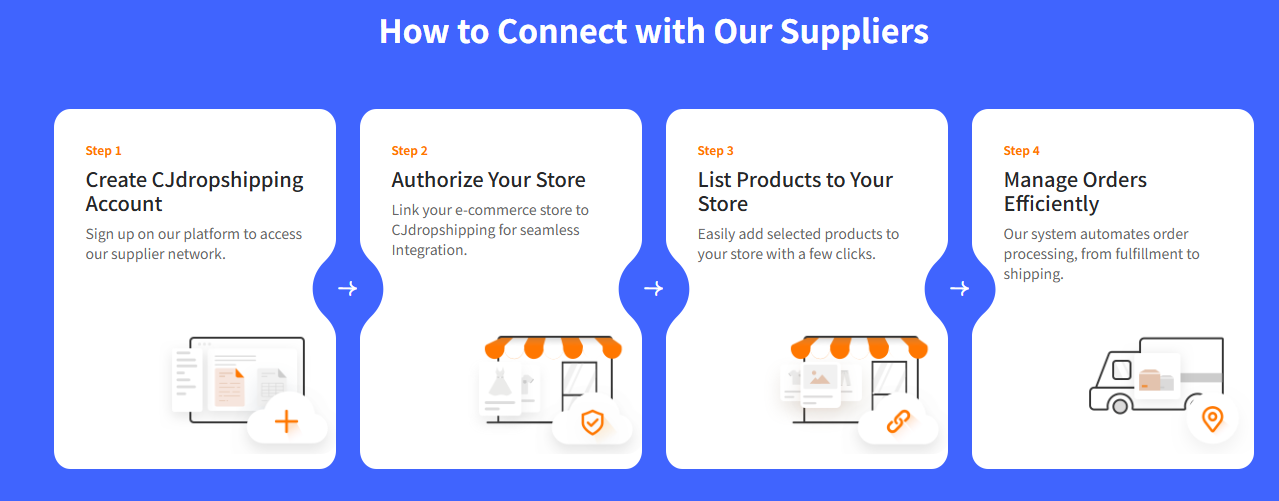
A dropshipping business is only as good as its suppliers. Since you have no budget to buy bulk inventory, you need suppliers that require no minimum orders and no fees to start. The good news is there are many such options:
-
CJdropshipping: A popular choice for $0 startups. It charges no subscription or setup fee – you pay only when an order comes in. You can import unlimited products to your store for free, and CJ offers services like quality inspection and fast global shipping on a per-order basis. This means you can list products in your store without any inventory investment.
-
AliExpress: The giant marketplace has countless suppliers that cater to dropshippers. Most have no minimum order quantity, so you can buy one item at a time. Look for sellers with ePacket or other relatively fast shipping options to key markets (around 7–15 days delivery to US/EU). AliExpress is free to use; you’ll only pay the supplier’s price when you get a sale.
-
Freemium supplier platforms: Services like Modalyst, Spocket, or SaleHoo have free plans that allow a limited number of product listings. For example, Spocket’s free tier lets you list a small selection of products from their supplier network. While their premium features cost money, the free tier can be enough to get started.
-
Print-on-demand suppliers: If your niche involves custom merchandise (like t-shirts or mugs with designs), print-on-demand platforms (Printful, Printify, etc.) are also essentially dropshipping. They typically have no upfront fees – they print and ship the item after a customer orders, deducting the cost then. You can integrate these services for free and only pay per product sold.
When evaluating suppliers, prioritize reliability and quality. Since you won’t see the product yourself, choose suppliers known for good quality control (check reviews or order sample units if possible) and reasonable shipping times. The ideal supplier ships products quickly, provides tracking, and doesn’t slap their own branding on the package (you want the package to look like it’s from your store). Many dropshippers create an account with multiple supplier sources – for instance, you might source some items from CJdropshipping and others from AliExpress – to have backup options and a wider product range. Remember, you don’t pay to create these accounts or import products; you’re simply getting your supply chain ready at no cost.
Step 3: Build Your Online Store on a Free Platform
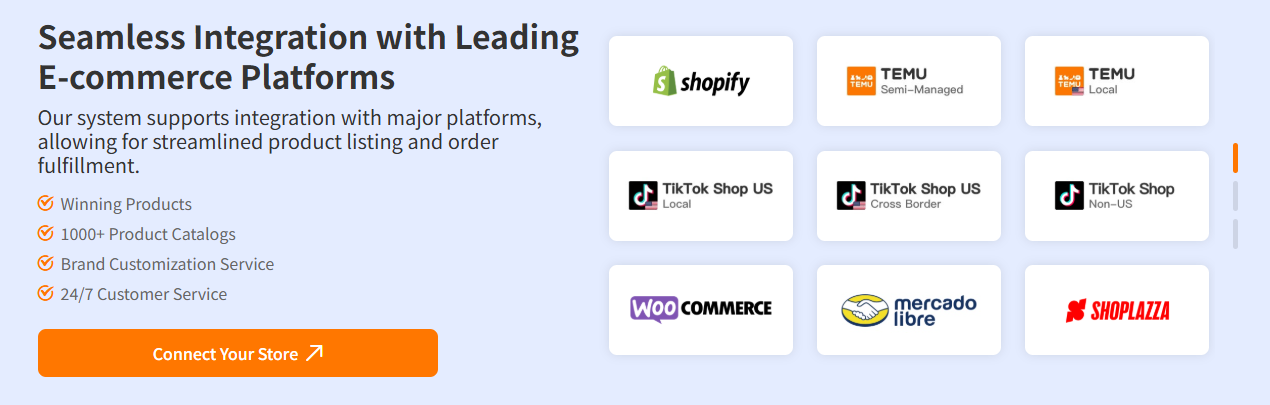
Now that you have product ideas and a supplier, you need a place to sell — in other words, your online storefront. Fortunately, you can set up a professional-looking e-commerce website without paying upfront. Here are some routes to create your store for free:
You can build a professional online store without upfront costs by using free trials or free-tier e-commerce platforms. Many beginners start with a Shopify trial or a free plan on platforms like Big Cartel or WooCommerce, customizing a basic template to launch their dropshipping shop.
-
Shopify (free trial): Shopify is a leading e-commerce platform and very beginner-friendly. It isn’t free forever, but it offers a free trial (often 3 days, and sometimes promotions like 3 months for $1 each). You can sign up, build your entire store in trial mode, and ideally start making sales before the trial ends. Shopify has lots of free themes and apps which can keep costs down. Just note that after the trial, the basic plan is around $39/month (sometimes discounted). If you truly have no money by the end of the trial, you might switch to a different free platform or try to get your first sales quickly to cover Shopify’s fee.
-
Big Cartel (free plan): Big Cartel offers a free forever plan that allows up to 5 products in your store. It’s a simpler platform, but ideal if you only plan to start with a handful of products. You get a free subdomain (yourstore.bigcartel.com) and basic features to list products and accept payments. Keep in mind the free plan has limitations: only one image per product and you cannot use a custom domain without upgrading. Still, it’s truly free and lets you launch a minimalist store for $0.
-
WooCommerce (WordPress): WooCommerce itself is a free plugin that can turn a WordPress site into a store. The software is free and highly customizable with free themes and plugins. The catch is you need web hosting, which usually costs a few dollars per month. However, some hosting providers offer a free trial or you might use a free hosting service to start (performance may be limited). If you already happen to have a WordPress site, adding WooCommerce costs nothing. This route gives you more control but is a bit more technical.
-
Ecwid (free plan): Ecwid is an e-commerce platform that, like Big Cartel, has a free plan. You can list up to 5 products for free and even integrate your store with social media channels. The free Ecwid store can be embedded on an existing website or run standalone. It lacks some features (for example, limited support and no access to some integrations on the free tier), but it’s a quick way to get a small shop online without cost.
-
Marketplaces and social commerce: If building your own website sounds daunting, you can start by selling on existing platforms which cost nothing upfront. For instance, Facebook Shops and Instagram Shopping let you list products for free and sell directly through social media profiles. TikTok Shop is another newcomer that allows you to sell products via shoppable videos, and it currently charges no listing fees (they may take a small commission on sales). Additionally, emerging marketplaces like Temu or the SHEIN marketplace allow sellers to list products without fees, earning money on a commission basis. These channels already have built-in audiences, so while you might face competition, you save on needing your own site or marketing budget.
When setting up your store, whichever platform you choose, make sure to polish the basics: choose a clean, mobile-responsive theme (free themes work great), create essential pages like About Us, Contact, FAQ, and clearly outline your shipping and return policies. Having a clear shipping policy is especially important in dropshipping to set customer expectations (e.g. “Shipping times may be 2-3 weeks since items ship directly from our supplier”). You can generate many of these pages using free templates. Also integrate at least one free payment gateway, like PayPal or Stripe, so you can accept payments — these usually have no setup fee (they just take a small percentage of each transaction). In short, you want your store to look legitimate and trustworthy, even if it’s running on a free setup. Many successful dropshippers started on a basic free store and later upgraded once revenue came in.
Step 4: Import Products and Create Compelling Listings
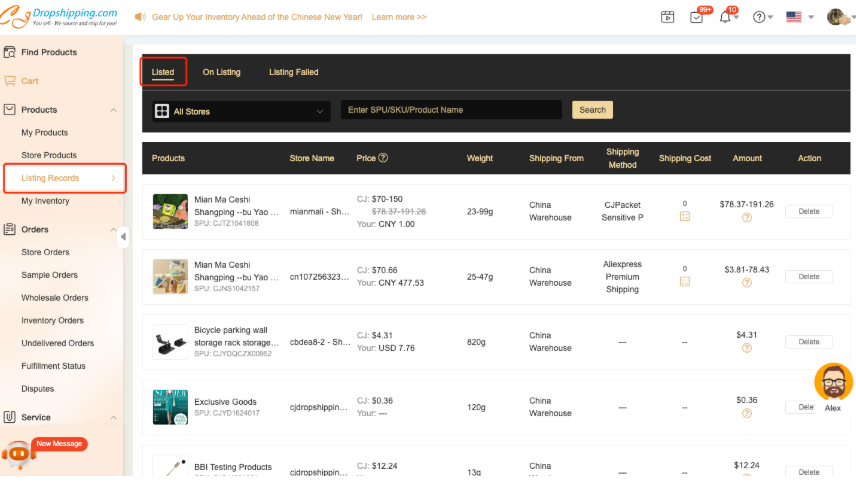
With your store framework in place, it’s time to fill it with the products from Step 1 and 2. Most supplier platforms make this easy: for example, CJdropshipping and AliExpress have one-click import tools or browser extensions that can push products to your store, including photos and descriptions. Take advantage of these free tools to save time. Import the products you researched, but don’t rely on the default supplier info alone – optimize your product listings to maximize sales:
-
Write persuasive product descriptions: Suppliers often provide basic descriptions that might be poorly written or not geared toward sales. Rewrite them in your own words, focusing on the benefits to the customer. For instance, instead of “Polyester travel backpack with USB port,” say “Stay organized and charged on-the-go – this compact travel backpack includes a built-in USB charging port to keep your devices powered all day.” Use a friendly, problem-solving tone that appeals to your niche (and double-check grammar/spelling to look professional). This costs $0 and can significantly set you apart from competitors who copy-paste supplier text.
-
Use quality images (and videos if available): High-quality product images build trust. Most suppliers will provide photos – choose the best ones and omit any watermarked or low-resolution images. If possible, get a sample and take your own photos, but since we’re doing no-money startup, you can stick to free supplier photos for now. Some suppliers also have short video clips of the product; if so, include them on your product page or use them in social media posts. Always double-check that images don’t show supplier branding. Many dropshippers also use free image editing tools to add your logo or do slight enhancements, giving a more branded feel.
-
Price your products wisely: Since you have no cost until a sale, you have flexibility in setting prices. A common approach is a margin of 2-3 times the supplier price (e.g., if the item costs you $5, you might sell it for $14.99). Research what competitors charge for similar items so you stay reasonable. Also account for shipping if your supplier charges shipping fees – you might pass that on to the customer or price the product higher and offer “free shipping” to encourage conversion. Pricing is free to adjust, so you can experiment without financial risk.
-
Trust signals: Because dropshipping stores are new and shoppers might be cautious, add trust signals at no cost. Include customer reviews or testimonials (if you don’t have real customers yet, some apps let you import reviews from the supplier’s page as placeholders). Display clear refund and shipping info, and make sure your site has a professional-looking logo (you can create one for free with tools like Canva). If your platform supports it, enable SSL (secure checkout) and show security badges. These little details reassure visitors that your store is legitimate.
Take the time to make your store look as polished as a big-brand shop — this is labor, not money. By optimizing titles, descriptions, and layout, you increase the chances that your first visitors will convert to buyers. Once your products are loaded and your site looks good on both desktop and mobile, you’re ready for the next step: getting people to actually find and visit your store.
Step 5: Market Your Store with Zero-Budget Strategies
Marketing is often the biggest challenge for new dropshippers, but it’s entirely possible to drive traffic and get sales with $0 in ad spend. The trade-off is you’ll invest time and creativity instead of money. In the beginning, your focus should be on free traffic sources – reaching people organically through content and community. Here are some effective zero-budget marketing tactics:
-
Leverage social media (especially TikTok & Instagram): Create accounts for your store on platforms where your target customers hang out. Post engaging content daily if possible – short videos, photos, or tips related to your niche and products. For example, if you sell kitchen gadgets, post cooking hacks or satisfying recipe videos using your gadget. TikTok in particular can go viral even for new accounts; use trending sounds and hashtags to boost visibility. On Instagram, utilize Reels and Stories. Encourage any early customers or friends to tag your account when they get the product – user-generated content can snowball interest. All of this hustle costs nothing but your time.
-
Join communities and forums: Identify forums, subreddits, Facebook Groups, or Q&A sites (Quora) relevant to your niche. Become an active, genuine participant – answer questions, give advice, share interesting finds (not just your product links). By being helpful, you build credibility. You can subtly mention your product or store when it truly fits a discussion (avoid spamming!). For instance, if someone on Reddit asks “Where can I find unique wall decals?”, you might answer with some tips and mention you curate custom wall art on your site. Many first-time entrepreneurs report their initial sales came from people in their own networks or online groups who supported their new venture. So don’t be shy to announce your store’s launch on your personal Facebook/LinkedIn and invite word-of-mouth sharing.
-
Content marketing & SEO: Driving free traffic from Google is a powerful long-term strategy. While SEO (search engine optimization) takes time, getting started is free. Optimize your product pages with relevant keywords in the titles and descriptions (e.g., use phrases like “waterproof diaper bag backpack” if that’s what people search). Consider adding a simple blog section to your site where you post small articles related to your niche – for example, “10 Tips for First-Time Pet Travelers” if you sell pet travel accessories. Long-tail content like that can rank in Google and bring visitors over time. Also, ensure your site is submitted to Google Search Console (free) so it can get indexed. Early on, focus on niche keywords that big competitors might overlook. Every blog post or page is a new chance to get discovered via search.
-
Influencer and partnership hacks: You might not afford a celebrity influencer, but you can find micro-influencers or affiliate partners willing to collaborate for free or on a commission basis. Search for small Instagram or TikTok personalities in your niche (say, a pet Instagrammer with 5,000 followers). Offer to send them a free sample (if you’re able, you’d have to pay shipping at least) or give them a cut of sales they drive with a referral link – without upfront pay. Some will be interested in promoting niche products if it adds content for them or a small earning. Additionally, you can list your products on Pinterest or join free online marketplaces/groups that promote products in your category. For example, if there are Facebook groups like “Cool Gadgets Under $20,” you can post your item there. These methods require outreach but not money.
Step 6: Fulfill Orders and Provide Great Customer Support (Without Extra Costs)
Hooray – you’ve marketed your way to some orders coming in! Now you must fulfill those sales and keep customers happy, which is the lifeblood of any sustainable business. The fulfillment process in dropshipping is your responsibility as the middleman to ensure everything goes smoothly, even though you’re not packing the boxes yourself. Here’s how to handle orders and customer service on a zero budget:
-
Order processing: The moment you get an order (you’ll get email or dashboard notifications from your store platform), place the order with your supplier promptly. Many platforms let you automate this – for example, with a Shopify store, apps or integrations can auto-send the order to CJdropshipping or your chosen supplier for fulfillment. If doing it manually, log in to your supplier’s site, buy the product, and input the customer’s address. Use the money the customer paid you to pay the supplier. Speed is important: fast processing can shave days off delivery. The cost here is just your time; tools for automation are often free or included (CJdropshipping’s system, for instance, can sync orders for free).
-
Tracking and communication: Once the supplier ships, they should provide a tracking number. Always pass this tracking info to your customer, either via your store’s automated email or manually by email. Keeping the customer informed is free and greatly improves their experience. You can use free automation on many platforms to send a “Your order has shipped, here’s the tracking link” email. Also, be transparent about shipping times up front on your site (e.g., “Shipping typically takes 10-20 days”). Customers appreciate knowing what to expect, and it will save you from answering panicked “Where is my order?” emails later.
-
Handling customer inquiries: As a new store owner, you might be doing customer support yourself. Set up a free business email (Gmail works, or use your website’s email if provided) and be ready to answer questions. Common queries might include “When will my order arrive?”, “How do I return an item?”, or product questions. Respond politely within 24 hours if possible – great service doesn’t cost money. You can also add a free live chat widget to your site (tools like Tawk.to or Crisp offer free plans) so that visitors can ask questions in real-time. Being responsive and helpful will set you apart from many dropshippers who ignore customers.
-
Returns and issues: Eventually you may get a request for a return or a report of a defective item. Without a budget, you’ll want to minimize these, so choose reliable products and suppliers up front. Still, have a clear return/refund policy (even if it’s “no returns except defective items” to start) displayed on your site. If a customer is unhappy, it’s often wise to refund them or send a replacement (your supplier may or may not compensate you, but eating a small cost once you have revenue might be worth avoiding bad reviews). Early on, these scenarios should be few; handle them on a case-by-case basis with fairness. Drafting template responses or policy pages for this doesn’t cost anything.
-
Enhance the unboxing experience: Even on a budget, consider little touches that make the customer smile when they receive the product. Some suppliers offer options to include a custom thank-you note or your logo in the package. For example, CJdropshipping can do white-label packaging and insert cards at no extra cost for you. This means your customer might get a package with your branding, which is great for building a brand feel (and the customer may not even realize it was dropshipped). If that’s available, take advantage of it. If not, you can at least send a personalized thank-you email to each customer after purchase – that personal touch is free and leaves a good impression.
Providing a good customer experience boils down to being honest and proactive. If there’s a delay in shipping, inform the customer before they have to ask. If an item is out of stock, offer an alternative or a refund promptly. These practices protect your store’s reputation. Remember, a happy customer can lead to repeat orders or word-of-mouth referrals, which are incredibly valuable especially when you’re not spending on marketing. By handling fulfillment and support diligently from the start, you set the stage for positive reviews and long-term success.
How to Build Your Online Store for Free (More Options & Tips)
| Platform | Free Plan | Starting Price | Key Features | Pros | Cons | Best For |
|---|---|---|---|---|---|---|
| Shopify | ❌ No free plan (3-day free trial) | From $5/month (Starter), $29/month (Basic) | Full eCommerce system, payment gateway, inventory, analytics, multi-language & multi-currency support | Robust features, professional templates, global reach | Monthly fees, paid apps | Sellers building a branded online store |
| Wix eCommerce | ✅ Free plan available (with Wix ads) | From $17/month (Business Basic) | Drag-and-drop website builder, stylish templates, payment integration | Easy to use, visually appealing, beginner-friendly | Free plan doesn’t support payments | Beginners or design-focused sellers |
| WooCommerce | ✅ Free (WordPress plugin) | Hosting & domain: $5–$10/month | Open-source, fully customizable, unlimited products, SEO-friendly | Highly flexible, no transaction fees, full control | Requires setup & maintenance | WordPress users or long-term brand builders |
| eBay Store | ✅ Free to create an account | From $4.95/month (Starter Store) | Online marketplace, auction options, large built-in audience | Huge buyer base, easy to start | High competition, complex fee structure | Sellers with ready-to-sell products |
| TikTok Shop | ✅ Free registration | No monthly fee (1–5% commission) | Video commerce, live shopping, influencer collaborations | Massive built-in traffic, great for conversions | Requires content creation, strict platform rules | Sellers skilled in short video & social marketing |
| Temu | ❌ No independent store setup | N/A (invite-only supplier model) | Platform-run marketplace with ultra-low pricing | Huge exposure, logistics handled by Temu | No brand control, low margins, not open to individuals | Manufacturers or wholesalers supplying Temu |
Online Store Platforms Comparison
Building your store is such a critical step that it’s worth diving a bit deeper into the free tools and platforms you can use. We touched on a few in Step 3, but let’s expand the list and highlight how to maximize each without spending money:
-
Free E-commerce Builders: Aside from Shopify’s trial and Big Cartel’s free plan, note that some newer services also let you create an online storefront for free. For example, WED2C is a platform (integrated with CJdropshipping) that allows you to instantly create a free store with a custom domain and import products directly from CJ. Similarly, Shift4Shop (formerly 3dcart) offers a completely free plan for U.S. merchants if you use their payment processing – it’s essentially a full-fledged store at no monthly cost. These emerging platforms might not have all the bells and whistles, but can be a quick way to launch without fees. Always check what the limits are (product count, feature restrictions) on free plans. Often, free plans are enough to get you to a few sales, but you may need to upgrade as you grow.
-
Marketplace selling (zero platform fees): If creating your own website is intimidating or you want to test demand first, list your products on a marketplace. eBay allows new sellers a certain number of free listings per month (they charge a small fee beyond that and a commission on sale). You could list say 10 products on eBay and only pay fees when something sells – essentially using eBay as your storefront. Amazon has an individual seller plan with no monthly fee (you pay around $0.99 per item sold plus commission). Keep in mind dropshipping on Amazon/eBay has its own rules (e.g., Amazon requires you to ship in certain timeframes and not use other retailers as suppliers), but some entrepreneurs start this way with very little money. Another example is Etsy if you are dropshipping handmade-style or print-on-demand goods; Etsy’s listing fee is only $0.20 per item and no fee until it sells – a negligible upfront cost. These marketplaces come with built-in traffic, which can lead to faster first sales, though competition is high.
-
Free themes and apps: Whichever route you choose for your store, take advantage of free resources to enhance it. For design, most platforms have free themes/templates – pick one that suits your brand’s vibe (clean and simple is usually best to start). If you need a logo, use a free logo maker. For functionality, check for free apps/plugins: for example, a currency converter, an Instagram feed display, or a reviews widget. Shopify’s App Store, WooCommerce extensions, and others have free options. Don’t go overboard installing too many apps (that can slow your site), but a few key ones can increase conversions without costing money.
-
Custom domain vs. subdomain: A custom.comdomain typically costs ~$10-15/year, which isn’t “no money” but is relatively cheap. If you truly have no budget, you can use the free subdomain given by your platform (like yourstore.myshopify.com or yourstore.bigcartel.com). This saves money initially, but it does look less professional. One workaround: some free domains are available (like.tkextensions) but those are not very credible. It might be worth spending a small amount on a domain once you have it – however, to stay zero-budget, launch with the subdomain and upgrade later. Visitors care more about your site content and reputation than the URL in early days. Just avoid any domain that looks sketchy or extremely long.
-
Testing your store for free: Before you launch, do a thorough test of your checkout process. Many platforms let you do a test order without charging a card (Shopify has a test payment gateway, for instance). This is free and important – you don’t want your first real customer to encounter a broken cart or an error. Test on mobile and desktop to ensure everything works and looks good. Also, ask a friend or two to navigate your site and give feedback. Sometimes, fresh eyes can catch things you missed (broken links, confusing wording, etc.). This kind of usability testing doesn’t cost money, just a bit of time and goodwill.
In summary, building your store for free in 2026 is very feasible due to the variety of platforms and tools available. Whether you use a Shopify trial, a forever-free plan like Big Cartel, or leverage a marketplace, make sure to maximize the free resources: free design templates, free apps, community help forums, and so on. The aim is to launch a store that looks credible and inviting without a budget barrier. As one e-commerce platform’s review aptly stated, “everyone is tempted by the word ‘free’, but to grow your business, you won't be able to stay on the free plan for long”. Use free solutions to jumpstart, then plan to reinvest some earnings into upgrades that enhance your store’s capabilities down the line.
Product Research Strategies That Don’t Require Paid Tools
Choosing the right product can make or break your dropshipping venture, but you don’t need expensive spy tools or paid databases to find winning products. Here are several free (or almost free) product research strategies you can use:
-
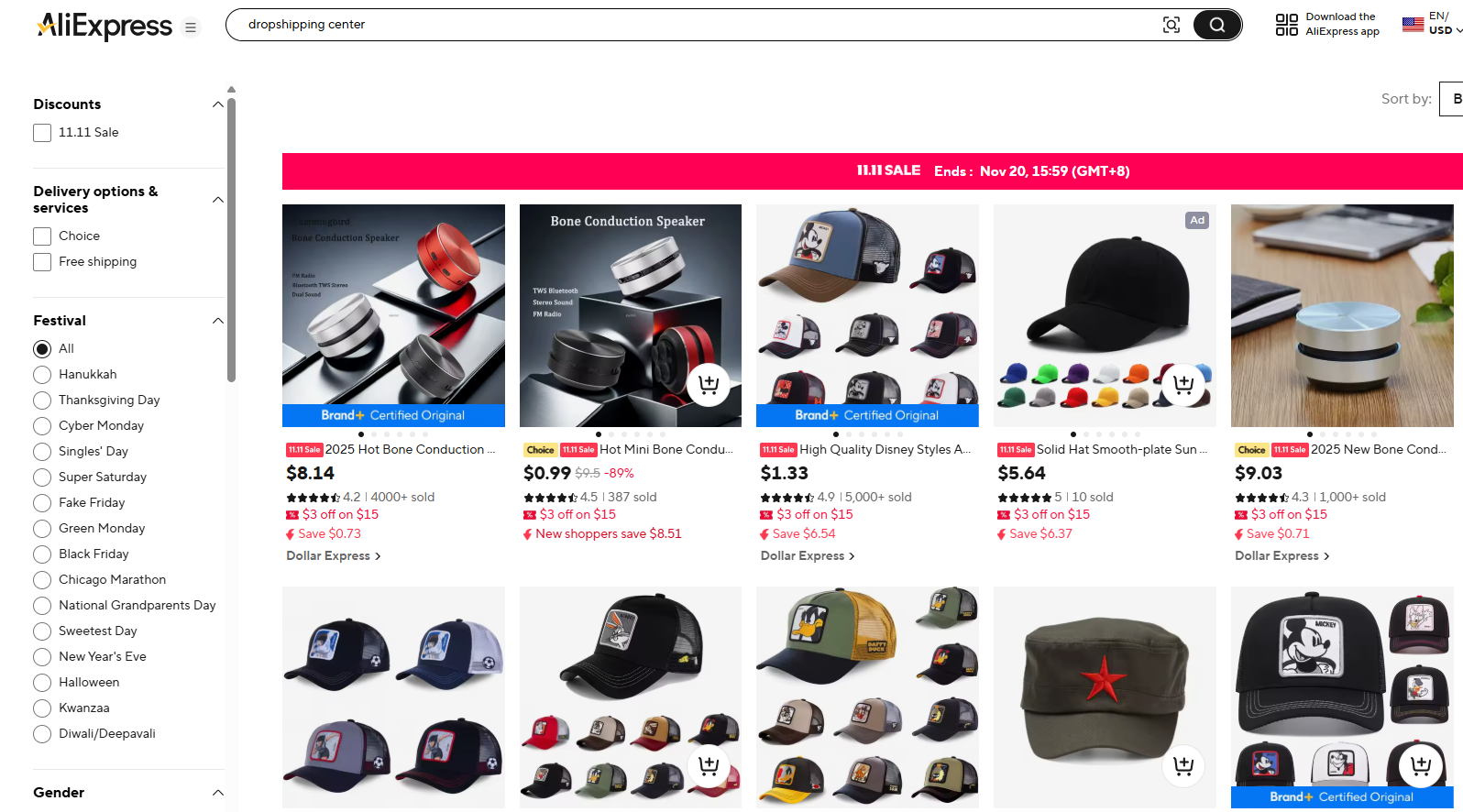
AliExpress Dropshipping Center: If you create a free AliExpress account, you can access their Dropshipping Center, a tool that shows popular products and analytics like how many orders a product has over time. It’s free and great for spotting trending items. You can search by keyword or category to see what’s hot. For example, if you search “wireless charger” you might find one model has thousands of recent orders – a sign that it’s selling well. The tool also offers a “product analysis” feature where you input a product link and it gives you a sales history graph. All this data can guide your product choices without any subscription fee.
-
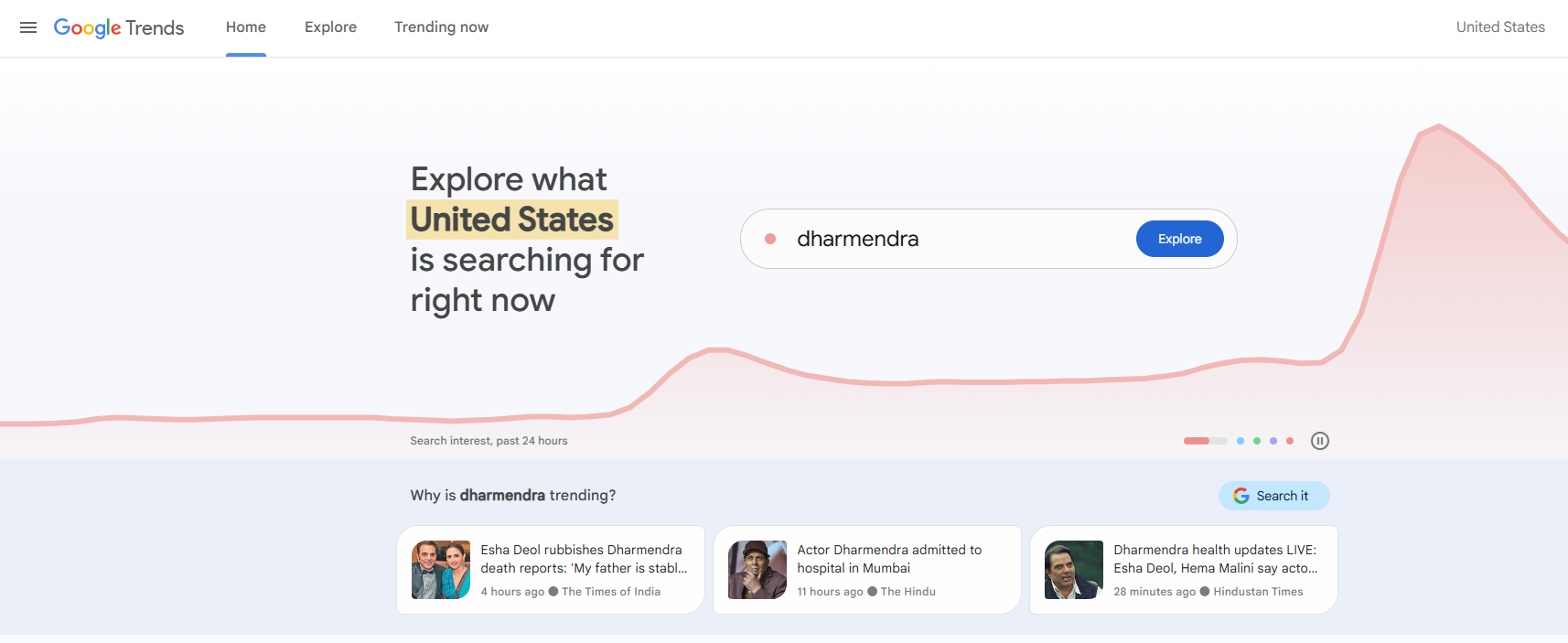
Google Trends and Keyword Planner: As mentioned, Google Trends (trends.google.com) is a free, public tool where you can enter a search term and see interest over time and by region. Use it to compare product ideas. For instance, compare “bamboo sunglasses” vs “wooden watches” to see which is trending upward. Google Keyword Planner (available through Google Ads, but you can use it with a free Google account) will show approximate search volumes for keywords. If nobody is searching for the product you’re considering, that’s a red flag. Ideally, find products with a decent number of searches but not generic terms dominated by big brands.
-
Browsing marketplaces for best-sellers: Take advantage of big retail sites’ data. Amazon has a “Best Sellers” page for every category, which is updated hourly. It’s free to view – comb through categories related to your niche to spot potential products. Similarly, check the “Trending” or “Most Wished For” sections on Amazon. eBay shows you the number of units sold for many listings (e.g., “56 sold in the last 24 hours” on a listing page), which hints at demand. Even sites like Wish or Etsy can show you popular items or customer favorites. Use these as inspiration – if a specific style of minimalist necklace is a top seller on Etsy, you could source a similar item via dropshipping.
-
Social listening: Some of the best product ideas come from simply listening to what people want on social media. Use Twitter’s search or Facebook’s search to look for phrases like “need this” or “buying this” along with a keyword. For example, search Twitter for “need this kitchen” or “TikTok made me buy” to find products that have gone viral organically. When you see multiple people raving about a gadget or showing a product they bought (or want to buy), that’s a clue. TikTok’s algorithm also surfaces popular products – try searching hashtags like #AmazonFinds, #TikTokMadeMeBuyIt, or niche tags like #gardeninghacks, and note what products appear repeatedly. Many of these are dropshippable items.
-
Competitor store research: Identify a few other dropshipping stores (you can find them by googling niche keywords and seeing what shops come up, or via communities). Then, use free tools or techniques to analyze them. For instance, if it’s a Shopify store, add “/collections/all?sort_by=best-selling” to their URL – this often reveals their best-selling products in order. There are also free Chrome extensions that reveal Shopify store best-sellers or apps like Koala Inspector (freemium) to see what apps a store uses. While not foolproof, this can give you an idea of which products are making sales for them. You can then consider those products for your own store if they fit your niche.
-
Seasonal and trend awareness: Keep an eye on seasons and events. Many products spike in popularity during certain times (e.g., fitness products in January, gardening tools in spring, cosplay outfits around Halloween). Using a simple calendar and trend awareness can help you launch timely products without needing any paid trend reports. Reddit has topic communities for almost everything; reading those can alert you to new trends (for example, a Reddit thread about a new hobby or craze can tip you off early).
Throughout your free product research, a guiding principle is to look for the intersection of demand and uniqueness. You want items that people clearly desire (posts, searches, sales data indicate demand) but that aren’t available on every corner of Amazon or Walmart (so you’re not competing directly with big retailers selling the same thing). It’s also wise to choose products that have decent profit margins – since you’re not spending on ads initially, a $5 profit item is fine, but eventually aim for items where you can profit $15, $20 or more per sale so that you have room to invest in marketing later. With these free methods, you might compile a list of 10 promising products. You can then test a few in your store to see which one gains traction. Because it costs you nothing to list a product, this exploratory phase is low-risk. Many dropshippers cycle through several product ideas before finding “the one” that really takes off, so don’t get discouraged if the first thing you pick isn’t a home run. Learn from the data and keep iterating – without spending money on fancy tools, you can still uncover that winning product that launches your success.
How to Deliver a Good Customer Experience Using Dropshipping
One of the downsides of traditional dropshipping is that customer experience can suffer if not managed well – long shipping times, generic packaging, and communication gaps are common pitfalls. But with some care, you can deliver a great experience to your customers, even on a zero budget, which will set your brand apart. Here’s how to excel in customer experience as a dropshipper:
-
Transparent shipping and policies: The customer’s experience begins before they order, with the expectations you set. Be upfront about shipping times on your product pages (e.g., “Shipping in 7-15 days to U.S./Europe” or whatever your supplier’s estimate is). Also clearly state your return/refund policy in plain language. It might feel risky to highlight a longer shipping time, but customers are much more patient when you communicate honestly. It prevents frustration from “Where is my item?!” emails. As seen in one success story, including a visible shipping policy with realistic timelines on the site helped customers trust the store. Transparency costs nothing and builds credibility.
-
Fast and reliable fulfillment: Work with suppliers and use shipping methods that balance speed and cost. Many dropship suppliers offer relatively fast shipping options like ePacket or special lines. For example, CJdropshipping’s CJ Packet or priority shipping can often deliver in around 1-2 weeks to major markets, faster than standard post. Whenever possible, choose these faster shipping options even if they cost a bit more per order (your customer likely paid for shipping or you included it in price). It will pay off in customer satisfaction. Also, ensure orders don’t sit around – process them quickly as mentioned in Step 6. If you’re using multiple suppliers, keep an eye on their processing times. If one supplier is too slow to ship, consider switching to another. Speedy delivery (or at least hitting the quoted timeframe) makes a huge positive impression on first-time customers.
-
Quality control and product quality: Nothing ruins customer experience like receiving a broken or misrepresented product. While you as the dropshipper can’t physically inspect every item, you can take steps to ensure quality. First, vet your suppliers – use those with good reviews and quality checks. For instance, CJdropshipping boasts a strict quality control process where they inspect factory products and even send you photos of the actual item before dispatch. This can catch defects before they reach your customer. If you’re using AliExpress, consider ordering a sample of your main product to inspect it yourself (it’s a small investment that can save headaches). Secondly, sell products that have decent build quality – read other buyer reviews on supplier pages to see if people were satisfied. Avoid items that seem to have many complaints about quality or sizing, etc. In short, curate your product catalog with an eye on quality, not just profit, and you’ll get fewer customer complaints.
-
Responsive customer support: We touched on this, but it’s worth reiterating as part of the overall experience. Responding quickly and helpfully to customers makes them feel cared for. Even if an issue arises, a customer will often still leave happy if you communicated well. Use free tools like a shared inbox or a simple ticket system to keep track of inquiries. If a customer asks a question about a product (“Does this come in blue?”), answer it as soon as you can – that could be the difference between a sale or an abandoned cart. After an order, send a friendly confirmation email, and a follow-up when shipped. These can be automated and free through your store platform. Post-purchase, consider sending an email asking “How do you like the product?” and inviting feedback or offering help. Engaging customers in a conversation (even automated to appear personal) makes them feel valued. It’s all part of experience.
-
Branded packaging and personal touches: Traditionally, dropshippers couldn’t control packaging (brown box from China with Chinese labels isn’t a great look). But nowadays, some suppliers offer branding services at low or no cost. As mentioned, CJdropshipping allows free white-label packaging and inserts for your orders. This means you can have your logo on the package or include a thank-you note in the shipment. If using such a supplier, definitely take advantage – it transforms the customer’s unboxing moment. If that’s not an option, you can still simulate a personal touch. For example, email the customer a PDF “thank you” letter or a usage guide for the product while they wait for delivery. Or include a small freebie if possible (some sellers will add a small gift – e.g., a phone case store adding a free screen wipe cloth – these touches can cost a few cents and drastically improve satisfaction). Even writing a personalized thank you in the order receipt or packing slip (some platforms let you customize the invoice) adds to the experience. Customers remember these things and it can turn a one-time buyer into a loyal fan who tells friends.
Scaling From $0 to First Sales: Daily Action Routine to Follow
When you’re starting from $0, achieving your first sales is a huge milestone. It proves that your concept works and gives you some revenue to re-invest. The key to getting there is consistent daily effort. Think of it like tending a garden – a bit of work each day yields big results over time, whereas doing nothing for long periods can let things wither. Here’s a suggested daily (and weekly) action routine to go from zero to those first few sales:
-
Every Day – Engage in Marketing: Dedicate time each day to at least one marketing activity. For example, set aside 1 hour daily to create and post content on social media (a TikTok video, an Instagram post, a Pinterest pin, etc.) and 30 minutes to engage with communities (comment on posts, answer questions on forums). Consistency is what builds an audience. Even if early on nobody seems to be watching, the cumulative effect will kick in. One day a post might go semi-viral or an influencer might notice you. Treat this like a non-negotiable appointment each day – your “marketing hour.” Many entrepreneurs who succeeded with no ad spend say that showing up daily on social media or forums was crucial to gain traction.
-
Every Day – Improve Your Store: Each day, find a small way to make your website or product offering better. One day you might add a new product that you’ve researched. Another day, rewrite a product description to be more persuasive. Another day, add an FAQ section or a better photo. This continuous improvement mindset means after 30 days, your store will be much stronger than on day 1. It also keeps you familiar with your own site’s user experience. Regularly browsing your site as if you were a customer can reveal little things to fix (and you fix one per day). If you notice a page is loading slowly, for instance, spend a day’s improvement time figuring out why (maybe compress images or remove a heavy app). These incremental tweaks cost nothing but time and can incrementally boost your conversion rate.
-
Every Day – Monitor Analytics: It’s important to know what’s happening as you do your activities. Each day, check Google Analytics (if installed) or your shop dashboard to see if you got visitors, where they came from, and what they did. In the early stage, you might only see a few visits, but that’s okay. Watch for patterns: Did yesterday’s Reddit comment lead to 10 hits? Did that TikTok video spike traffic? Use this info to adjust your strategy – put more effort into what’s working, less into what isn’t. Also check if any products are getting more views or add-to-carts; it might signal which item has the most appeal and where to focus. Data-driven adjustments are powerful and free.
-
Every Day – Customer Service: As orders start trickling in, spend time daily to handle any customer interactions. This includes fulfilling new orders (don’t procrastinate on ordering from the supplier), sending shipping notifications, and answering emails or chats. Even if you only have one customer inquiry, handling it promptly in the daily routine prevents backlogs. It’s easier to maintain excellent service when you devote a small slice of time to it every day rather than letting emails pile up for a week. Quick responses often impress customers – for instance, replying within a few hours to a question can make a potential buyer feel confident to place an order.
-
Every Week – Product Research Cycle: At least once a week (or continually in small chunks), revisit your product research. Trends change quickly; a product that was hot last month might cool off, and a new trend might pop up. Set a weekly routine to hunt for 1-2 new products or variants to test. You can rotate products in your store if some aren’t selling (it doesn’t cost to list new ones). Keep an eye on seasonal opportunities too. By staying on top of product research weekly, you ensure your store remains fresh and aligned with current demand. Many dropshippers who scaled up did so by constantly introducing and testing new products until they found a blockbuster. That requires persistent research and experimentation.
-
Every Week – Learn and Optimize: The dropshipping landscape evolves, and your skills as an entrepreneur should too. Schedule time to educate yourself – luckily, there are tons of free resources. Perhaps every weekend you watch a couple of YouTube videos or read new blog posts about successful dropshipping tactics, SEO tips, or social media hacks. Apply any useful insights to your business. Maybe you learn a new Instagram strategy and incorporate it into next week’s marketing posts. Or you discover an SEO trick and apply it to your site’s meta tags. Continuously learning will compound your effectiveness. As one experienced dropshipper advised, “Don’t be lazy. It takes hard work and thinking outside of the box! (…) Keep pushing forward and the results will be endless.” In his case, after putting in a lot of hours up front, he reached a point where the business could be maintained in 15 minutes a day – but only because of the heavy lifting done initially. Take that to heart: the intense effort now is temporary; once you hit a groove, maintaining success becomes easier.
Example Daily Schedule: (Feel free to adjust to your own timetable, but here’s a sample)
-
Morning (30 minutes): Check store dashboard and emails. Process any new orders with suppliers. Respond to customer messages from overnight. Quick scan of analytics.
-
Afternoon (1 hour): Create content for social media (shoot a product video or make a graphic, write a caption with hashtags). Post it. Then engage on one platform (comment on 5 posts, answer 2 forum questions, etc.).
-
Evening (30 minutes): Work on the store itself – e.g., add a new product listing, improve page load speed, or do product research for future items. Also, review the day’s analytics more thoroughly: note which product pages were visited, any conversion events, etc., and jot down ideas to improve those pages or traffic sources.
-
Weekly (1 day a week, 1-2 hours): Deeper research and planning. Look at overall performance of the week. Identify what marketing channel gave the best ROI (even if ROI is just time-based since no money spent). Plan the next week’s content or promotions. Do in-depth product research and decide if you’ll swap or add products. Learn something new by reading case studies or tutorials (continuous improvement of your skills).
This routine ensures that every day you are moving the ball forward. It’s easy to get distracted or procrastinate when you’re not investing money (because there’s less sting to inaction), but investing time consistently is equally important. Many have trodden this path: one Reddit user shared a month-by-month journey going from only $600 in sales the first month to $25k per month by month 7 through persistent effort – noting how in slower months his own reduced input (due to other life events) led to a dip in revenue. The lesson: treat your dropshipping store like a real business every single day, even if sales are slow at first. That discipline will eventually be rewarded with the thrill of seeing that first order notification, then the second, and soon a steady stream.
Success Examples: Brands That Started With Zero Budget
To inspire you further, let’s look at a few success stories of dropshipping entrepreneurs who began with minimal or no initial funds. These examples show that with ingenuity and hard work, you can grow from nothing to a thriving business:
1. Tze Hing Chan – $19,000 Profit in 2 Months: Tze co-founded a store called Subtle Asian Treats during the pandemic, focusing on cute bubble tea plush toys. He started essentially from zero, trying various niches before hitting success with the plushies. In just two months, Tze’s store generated $19k in profit dropshipping these toys. How did he do it? He picked a trending niche (bubble tea was growing in popularity), optimized his store to look very professional, and was transparent with customers. For example, he listed clear shipping times on product pages and actively engaged with his audience on social media, building trust. He also personalized the store by editing all product photos and descriptions to align with a branded feel. Tze’s story shows that even without big ad spend, a combination of the right product and excellent customer experience can lead to rapid profits. It wasn’t luck – he had a few failures (phone cases, kitchenware) before finding the plush niche, illustrating the importance of persistence and pivoting until you find what works.
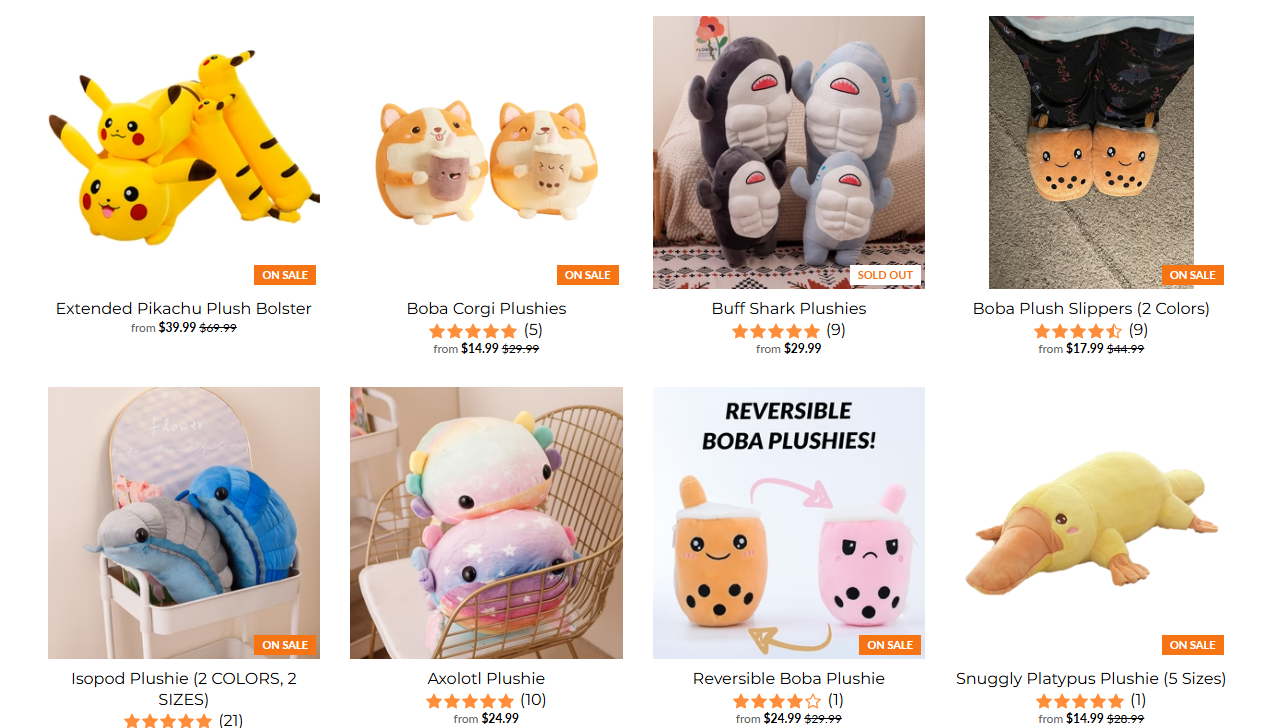
2. Reddit User “EcomWizard” – From $0 to $25k/month in 7 Months: An anonymous dropshipper on Reddit documented a month-by-month breakdown of growing a niche store with almost no budget. In the first month, he only made about $643 in sales (and even lost money due to a failed Facebook ad attempt), but he didn’t give up. Instead, he shifted to focus on free traffic – he started doing SEO, writing blog articles for his site and building an Instagram audience. By month 3, the store was getting organic Google traffic and making nearly $7k in profit. He reinvested some earnings into small ad tests and kept optimizing. By month 7, the store hit $25,000 in revenue for the month at about 40% profit. This dramatic growth came without any initial funding – the founder learned and improved as he went. One of his big takeaways was to use multiple organic channels (Pinterest, Google search, Instagram) rather than relying only on ads. His story is a blueprint for leveraging sweat equity (time/effort) to build momentum, proving that starting from zero is possible even if it takes a few months of grinding.
3. Tim Kock – $6,667 in 8 Weeks as a Side Hustle: Tim Kock is known in dropshipping circles for sharing his journey of building a small niche store on a tiny budget. While working a full-time job, he spent nights and weekends creating a dropshipping store around a quirky niche: pineapple-themed accessories. He carefully chose this niche by brainstorming ideas and validating on marketplaces (noting that “pineapple” products had an upward trend but weren’t overly saturated). The result: within about 8 weeks of launch, Tim’s store earned $6,666.73 in income. He started with virtually no money, just a cheap domain and a Shopify trial, relying on organic Instagram traffic by showcasing fun pineapple products. Tim’s case underlines how picking a specific, passion-driven niche and marketing creatively (in his case, engaging with pineapple fan communities and Instagram pages) can yield quick results without big spending. It also highlights the value of eliminating ideas until you find one that clicks – Tim scrapped many product ideas (avoiding heavy, expensive-to-ship items and electronics due to risk) and settled on one that was light, appealing, and novel. That strategic selection process didn’t cost money, just research time.
These success stories have a few themes in common: starting small, learning fast, and focusing on a niche. None of these entrepreneurs took out loans or poured thousands into inventory – they all leveraged the dropship model’s low-cost nature. They each encountered challenges (low sales periods, product flops, etc.) but used those as lessons to refine their approach. Perhaps most importantly, they all emphasized building a real brand presence and engaging customers, rather than behaving like a get-rich-quick scheme. For example, Tze’s professional store presentation or the Reddit seller’s commitment to SEO content show an investment of effort which eventually translated into cash success.
Finally, keep in mind that success might not be overnight. Some of these folks saw major results in weeks, others took months – but all started with that first sale and scaled up. Use their stories as motivation. The playbook you’re following in this guide is similar to what they did: find a niche product, set up a scrappy free store, hustle on marketing, deliver great service, and iterate. Many big brands had humble beginnings – even Amazon started with Jeff Bezos shipping books from his garage. In the dropshipping world, your “garage” is the free tools and platforms at your disposal. With dedication, your store could be the next success story featured in 2026’s round-up of top entrepreneurs who started with nothing.
Final Checklist to Launch Today With No Budget
Before you hit that “Launch” button, run through this final checklist to ensure you’ve covered all the bases for a successful dropshipping store debut — all without spending any money upfront:
-
Niche and Product Selected: You have identified a specific niche and at least one promising product that solves a problem or caters to a passion, validated by free research (Google Trends, social buzz, etc.).
-
Supplier Account Ready: You’ve set up accounts with one or more dropshipping suppliers (e.g. CJdropshipping, AliExpress) that charge no fees, and you’ve added your chosen product(s) to your import list or connected them to your store.
-
Online Store Built (Free Platform): Your online storefront is created on a free or trial-based platform. All essential pages (Home, Product listings, About Us, Contact, FAQ/Policies) are in place with relevant content. You’ve chosen a clean free theme and the site is mobile-friendly.
-
Customizations and Branding: You have a store name and logo (even a basic one) giving your business an identity. Product titles and descriptions are written in your own compelling words, and product images are high quality. Trust badges, reviews, and policy notices are visible to assure customers.
-
Payment Gateway Tested: A payment method (Stripe, PayPal, etc.) is integrated so you can actually accept money. You’ve run a test checkout (using test mode or a $0 product) to ensure the cart, payment, and order notification process works smoothly.
-
Legal Bits Covered: Free privacy policy and terms of service are added (many platforms auto-generate these). If applicable, you’ve also included a GDPR or cookie notice for compliance (there are free plugins for this). Basically, your site looks legit and trustworthy from a legal standpoint.
-
Marketing Channels Set Up: You’ve created at least one social media profile for your store (Instagram, TikTok, Facebook page, etc.) and made a few posts so it’s not empty. Any relevant online community accounts (Reddit, forums) you plan to use are ready to go. You might not have followers yet, but you have the channels in place.
-
Analytics Installed: You have a way to track visitors – ideally Google Analytics or the built-in stats of your platform – so you can monitor traffic from day one. It’s free and important for guiding your efforts.
-
Launch Promotion Prepared: You’ve decided how to announce your store. For instance, you have a launch post ready for your personal social media or a few communities (following their rules). Maybe you created a small “Grand Opening - 10% off” coupon to entice first customers (using your platform’s free discount feature). Essentially, you have a plan to drive initial traffic in a zero-cost way.
-
Customer Service Setup: You’ve set up a professional-looking email (even if just Gmail for now) with your store name, and/or a free chat widget on your site. You’re ready to respond promptly to any inquiries. You’ve also drafted answers to potential common questions (shipping time, return policy) so you can reply quickly.
-
Backup and Contingency: While not spending money, you should still have backup plans. For example, if one supplier runs out of stock, do you have an alternative source in mind? If your free trial ends, have you noted the date to decide on the next step? Having these scenarios thought out ensures you won’t be caught off guard.
-
Mindset Check: Lastly, you’re mentally prepared that success won’t be instant. You commit to consistent daily effort (marketing, improvement, research) as outlined, and you won’t be discouraged by initial slow days. Remember, every big business started small.
Everything on this checklist can be accomplished without upfront capital – it’s all about using free resources and your own creativity. If you’ve ticked most of the boxes above, congratulations! You are ready to launch your dropshipping business. Many people dream of starting a business but never take action, especially if they lack funding. You’re defying that odds by building something from nothing.
Now, go live, monitor closely, and be ready to learn and adapt. Your first sale might come in a day, a week, or a month – but when it does, it will be proof that you turned your zero-budget approach into a real, revenue-generating venture. Good luck, and welcome to the world of e-commerce entrepreneurship!
FAQ: Start Dropshipping with No Money
1. Can I really start dropshipping with no money?
Yes — it’s possible to start dropshipping with little to no upfront cost. Many platforms (like Shopify, TikTok Shop, and WooCommerce) offer free trials or low-cost starter plans. You can also use free marketing channels like social media, Reddit, or TikTok to promote your products without paying for ads.
2. What do I need to start dropshipping for free?
You’ll need three essentials:
-
A reliable supplier (such as CJdropshipping or AliExpress).
-
A free or low-cost store platform (like Shopify trial, WooCommerce, or Wix).
-
A marketing channel — social media pages, influencer collaborations, or organic content to attract traffic.
3. How do I find free suppliers for dropshipping?
Many suppliers don’t charge setup fees. Examples include CJdropshipping, Alibaba, and Printful. Choose those that:
-
Allow integration with your store;
-
Offer global shipping;
-
Provide product images and descriptions for free use.
4. What’s the best free platform to start dropshipping?
If you want a ready-to-sell marketplace — try TikTok Shop or eBay.
If you want to build a brand, use Shopify (Starter plan) or WooCommerce.
If you’re just testing the idea, Wix eCommerce (free plan) is a simple choice.