
Why Dropshipping in France Is Growing in 2026
France’s e-commerce market is booming. In 2024 French consumers spent a record €175.3 billion online (2.6 billion transactions) and Fevad projects e-commerce will exceed €200 billion by 2026. About 41.6 million French people (73% of the 15+ population) shopped online in 2024. This makes France one of Europe’s largest online markets (7th largest globally at ~$60.6B in 2023). A high percentage of the population is online – over 80% of French adults use the Internet and at least 73% buy things online – so the pool of potential customers is huge.
Key platforms are also taking off. Shopify alone powers over 80,000 active stores in France (a 17% year-over-year rise as of late 2024), and WooCommerce (the popular WordPress plugin) is similarly widespread. PrestaShop – a French-made e-commerce CMS – historically held about 32% of all French online stores. Social commerce is driving growth too: TikTok Shop launched in France in early 2026 (joining Germany and Italy), and platforms like Instagram and Facebook are widely used (Facebook had ~31.5 M French users and Instagram ~26.6 M by early 2026). In fact, French social commerce is exploding – Research & Markets forecasts ~24% annual growth through 2025 (to $20.6 B) – driven by livestream shopping and influencer marketing.
All these trends make France an attractive dropshipping market. High internet penetration, strong logistics (efficient carriers, EU-friendly shipping), and a wealthy consumer base (Paris and other cities have high purchasing power) create ideal conditions. French customers value quality and local service, but if you meet their expectations – fast local delivery, French language support, and compliance with regulations – you can tap a large, ready audience. In summary, France’s retail shoppers are going online in record numbers (41.6 M in 2024), and dropshippers who can offer localized service (language, currency €) can capture a share of this growing market.
-
Market size & growth: €175.3 B in 2024 (up 6% YoY), with 153K active online stores and ~212K e-commerce jobs.
-
Platforms: ~80K Shopify stores (↑17% YoY); PrestaShop ~32% market share in FR.
-
Consumers: 41.6M online shoppers (73% of adults); social media users ~80% of internet base.
-
Trends: TikTok Shop launched in France (Feb 2026); social commerce (Facebook/Instagram/TikTok) driving engagement.
These factors – large audience, strong tech adoption, and favorable growth projections – make France a great opportunity for new dropshippers in 2026. Many consumers appreciate high-quality, artisanal, or sustainable products, niches perfectly suited to dropshipping. Moreover, France is less saturated with dropship businesses than markets like the US or UK, so a newcomer can more easily stand out by focusing on local tastes (e.g. fashion, beauty, eco-friendly goods) and by providing excellent French-language service.
How to Start a Dropshipping Business in France (Step-by-Step)
-
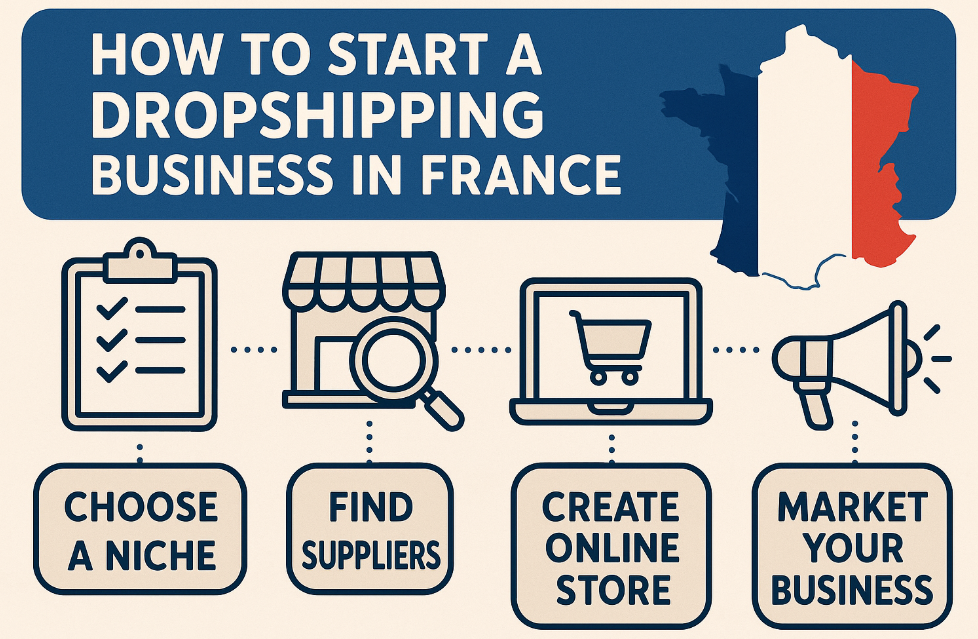
Choose a Niche and Validate Demand: Begin by researching what French consumers want. Use tools like Google Trends or Keyword Planner set to France to see what products are trending. Niches like home décor, beauty/skincare, eco-friendly goods, fashion accessories, pet supplies and gadgets have shown strong demand. Study French marketplaces (Cdiscount, Fnac, Amazon.fr) and social media to spot popular products. Check sales ranks, reviews, and search volume for French keywords. Join local Facebook groups or forums (e.g. French dropshipping or ecommerce groups) to gauge interest. Make sure there’s room in the niche – France’s market may like a product even if it’s common elsewhere, especially if you can offer quality or localization.
-
Register Your Business (if required): Depending on your country, you may need to register as a business (auto-entrepreneur, for example, is popular in France) and handle VAT. Even non-residents selling into France need to comply with EU tax rules. For dropshipping, the actual supplier often ships within the EU, so check if you need a French or EU VAT number. It’s wise to consult an accountant familiar with French e-commerce regulations early on.
-
Create Your Store (Shopify/WooCommerce): Build your online store using a platform like Shopify or WooCommerce (WordPress), both of which support French sites. Shopify France has French-language themes and checkout, and there are many Shopify apps for dropshipping. WooCommerce offers flexibility and control (with plugins like Spocket or the VidaXL plugin for dropshipping). In either case, buy a French or EU domain (e.g. .fr) if possible for trust. Choose a professional, mobile-friendly theme, and translate all text to French (product descriptions, buttons, policies). Include French trust signals – a real address, a “contact us” page in French, and secure payments (Carte Bancaire, PayPal, Stripe). If using Shopify, connect a French payment gateway (Stripe and PayPal both support Euros). If WooCommerce, use a French-language plugin (WPML or Polylang) and set currency to EUR.
-
Connect to Suppliers: Link your store to reliable French/EU suppliers. For example: BigBuy (Spain-based wholesaler) offers an app to sync products, Spocket lets you choose EU-based suppliers (including “ship from France” filters), and Cdiscount Pro (the B2B arm of the French Cdiscount marketplace) has a dropshipping integration. Set up accounts with the suppliers you plan to use, import their product listings into your store, and configure pricing. If using Shopify, apps like Spocket, DSers, or Syncee can automate inventory. For WooCommerce, you can use plugins like the official VidaXL dropshipping plugin or Spocket plugin. Ensure your suppliers can ship directly to French customers, with fast EU delivery (2–7 days). Avoid suppliers who only ship from Asia to France if speed is a concern.
-
Localize Your Store: French shoppers expect a local experience. Write all content in French: product titles, descriptions, FAQ, and legal pages (conditions générales, privacy). Clearly display prices in euros, and offer local shipping options (e.g. Colissimo, Mondial Relay). Provide familiar payment methods: besides Visa/Mastercard, most French prefer Carte Bleue (French-issued cards) and may use mobile wallets. Offer free or flat-rate shipping to be competitive – note that the new EU e-commerce rules also encourage low-cost returns. Include a dedicated customer service email and phone in France if possible, or at least French-language support.
-
Market Your Store: Plan your marketing around French channels. Set up Meta Ads (Facebook/Instagram) in French with geo-targeting to France. Instagram is especially effective for fashion, beauty, and lifestyle niches. Create engaging content and ads in French that highlight local appeal (mention “livraison rapide France” etc.). Use TikTok Ads now that TikTok Shop is here – short, snappy videos resonate with young French shoppers. Also consider Snapchat Ads, which are popular with younger demographics in France. Beyond paid ads, leverage influencer marketing: partner with French micro-influencers relevant to your niche (e.g. a French beauty blogger for skincare). Influencers can review your products or create sponsored posts; surveys show many French consumers trust influencer recommendations. Optimize your store and ads for SEO with French keywords (e.g. “dropshipping France”, “acheter [your product] en ligne”). Finally, engage on French social media platforms or groups: for example, TikTok, Instagram, and Facebook are immensely popular (by 2026, Facebook reached ~47% of the population and Instagram ~26.6 M users).
Following these steps – niche research, store setup, supplier integration, localization, and marketing – will set up a solid foundation for dropshipping in France. Remember, building trust is key: use French language and local fulfillment to show customers you’re catering to them specifically. With the right approach, you can tap into France’s growing e-commerce market.
Best French Dropshipping Suppliers (2026 List)
1. BigBuy
BigBuy is a leading EU-based dropshipping wholesaler founded in Spain, offering a massive catalog (hundreds of thousands of items) across dozens of product categories. It is specifically tailored to European markets, with warehouses in Europe and 24–48 hour shipping throughout the EU. This makes BigBuy an excellent choice for French dropshippers in 2026, since fast shipping to France is guaranteed along with competitive pricing and turnkey integrations into platforms like Shopify and WooCommerce.
Pros:
-
Massive EU product catalog (across electronics, home goods, fashion, etc.) at wholesale prices.
-
European-based inventory ensures very fast deliveries to France (often 1–2 days).
-
Integrations with major e-commerce platforms (Shopify, WooCommerce, marketplaces) simplify order management.
-
Supports single-unit orders; no need for large stockpiles.
Cons:
-
Requires a subscription fee to access the platform’s full features and inventory.
-
Some users report website slowdowns or complex account setup.
-
Returns and refunds are managed per supplier’s policy, which can be complex.
2. BrandsDistribution
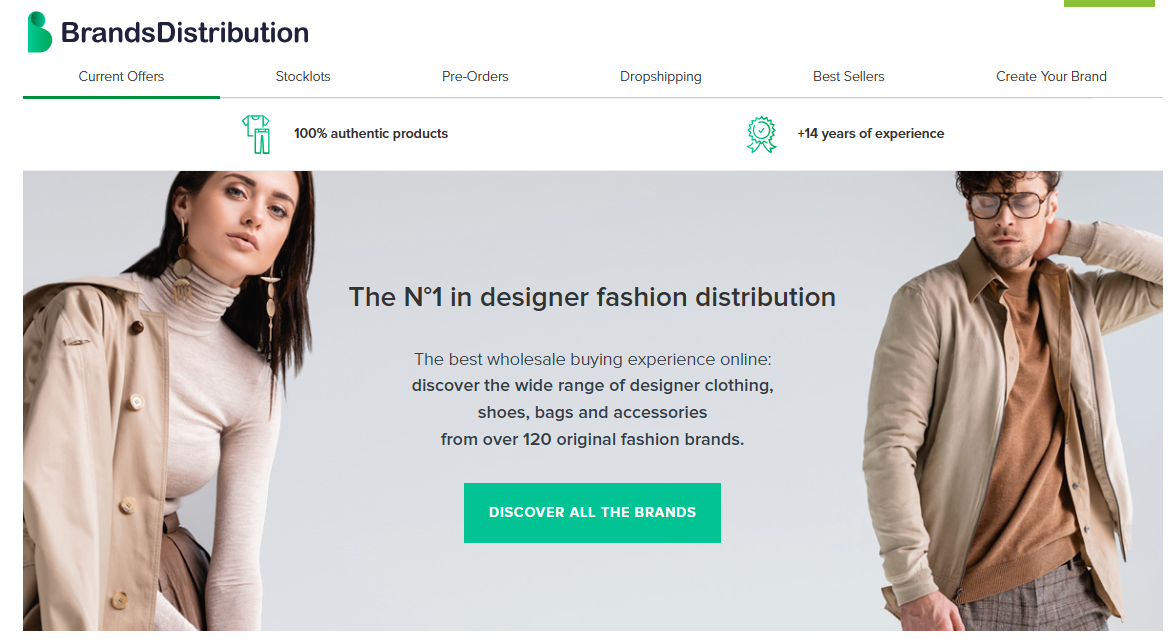
BrandsDistribution is the #1 B2B dropshipping platform for designer fashion and accessories, based in Italy. It carries over 120 international labels (Gucci, Adidas, Calvin Klein, Tommy Hilfiger, etc.) and more than 300,000 products. For French fashion e‑commerce businesses, it’s an ideal supplier in 2026: the Italian headquarters and EU logistics mean brands can ship to France quickly and at competitive rates. The service provides dropshipping support (no branding on shipping) and multilingual customer assistance for France.
Pros:
-
Huge selection of authentic designer clothing, shoes, and accessories from major global brands.
-
EU distribution means faster delivery to France (standard EU courier networks) and no customs delays.
-
Dedicated support (personal sales assistant, catalog updates, product curation for fashion niches).
-
Stock availability is real-time and products are 100% genuine.
Cons:
-
Focused exclusively on fashion/fabrics, limiting product categories outside apparel.
-
Account approval and minimum order requirements can be strict for new users.
-
Some customer reviews mention occasional delays in service response or order processing.
3. Avenue des Affaires
Avenue des Affaires is a French B2B marketplace targeting dropshippers and retailers . It acts as a broad supplier directory, aggregating multiple product categories (tech, home, accessories, etc.) for France. Like other EU dropshipping suppliers, it aims to offer stock based in or near France for fast delivery. Entrepreneurs should watch for extensive local product ranges and EU shipping networks from this platform.
Pros:
-
Likely offers local/European stock, which could mean fast shipping to France and lower shipping costs.
-
Potentially wide variety of products, serving multiple niches for French retailers.
-
Being France-focused, product descriptions and support may be in French, easing communication.
Cons:
-
Very limited public information on this supplier; details about inventory and pricing are unclear.
-
Without verification or reviews, reliability and quality standards are uncertain.
-
If it’s a small or newer platform, it may have fewer integration tools (Shopify/WooCommerce) than larger suppliers.
4. CDiscount Pro
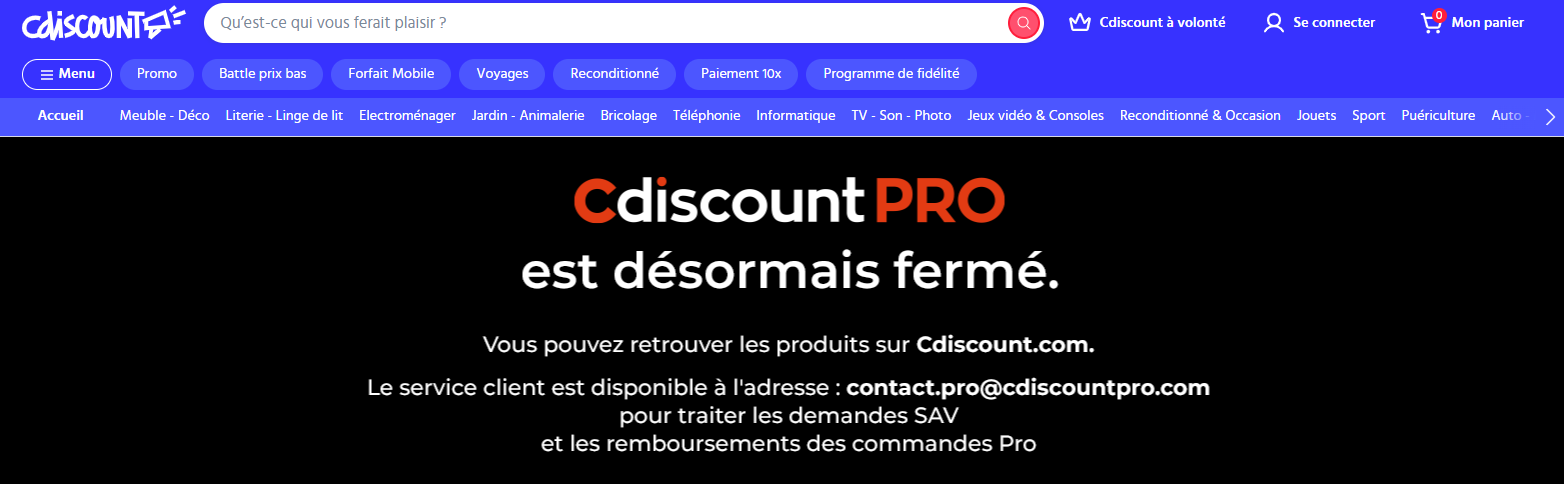
Cdiscount Pro is the professional arm of Cdiscount, France’s second-largest marketplace. It lets merchants dropship from Cdiscount’s vast catalog (63+ million products across 40+ categories). With extensive warehouses in France, Cdiscount can offer very fast shipping to France, often in 48–72 hours. This makes it highly relevant for French dropshipping in 2026: sellers gain access to a huge range of electronics, household, fashion, and even groceries, with local delivery. The platform supports private-label packing so customers may not see the Cdiscount branding.
Pros:
-
Enormous product variety (from tech gadgets to appliances and home goods) trusted by French consumers.
-
Fast domestic shipping and handling (France-based distribution means shorter lead times).
-
No inventory investments; Cdiscount handles picking, packing, and delivery directly.
-
Competitive pricing and frequent promotions on Cdiscount’s marketplace.
Cons:
-
To sell via Cdiscount (even dropshipping), you must have a French-speaking support team and a local returns address.
-
Marketplace fees and commission rates may apply per sale.
-
High competition on the platform; it can be hard for new sellers to stand out.
5. Oberlo (via Shopify)
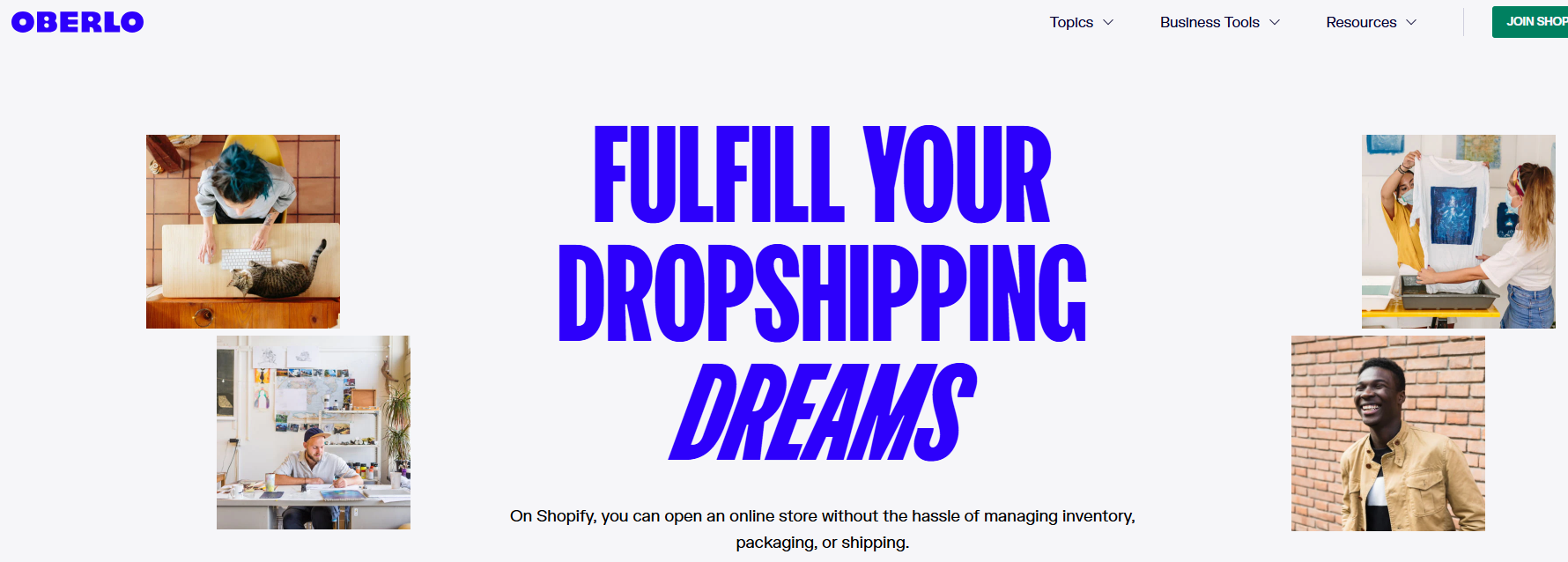
Oberlo (a Shopify dropshipping app) enables French entrepreneurs to source products through the Shopify ecosystem. It connects merchants with global suppliers (often via AliExpress or other networks) and automates product import and order fulfillment. As of 2026, Shopify no longer uses the Oberlo app, but equivalent dropshipping apps still function similarly. The key benefit is seamless integration: merchants can quickly add items to their store and let the app forward orders. This makes Shopify (and any Oberlo-like app) a go-to solution for French dropshippers on Shopify in 2026.
Pros:
-
Beginner-friendly setup on Shopify; no upfront inventory cost.
-
Easy to discover and import products via the app (images, descriptions auto-import).
-
Automation of order processing and inventory syncing reduces manual work.
-
Access to a broad supplier network, including some European warehouses via AliExpress EU shipping.
Cons:
-
Intense competition: many sellers can import the same products (reducing margins).
-
Many products ship from overseas suppliers, which can mean longer delivery times to France.
-
No single vendor guarantee: quality and stock levels depend on third-party suppliers.
6. Spocket EU
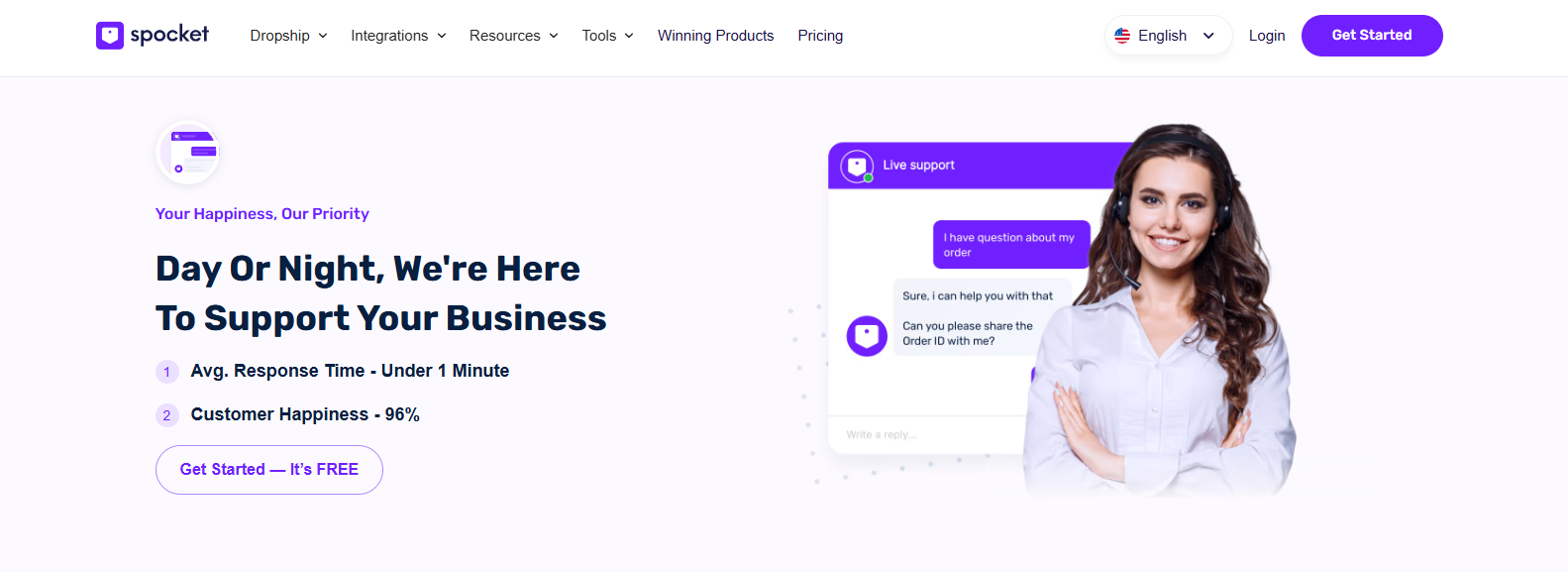
Spocket is an app-based platform focusing on US and EU suppliers. Spocket EU specifically highlights its European suppliers. It connects French store owners to thousands of vetted EU-based products (with additional US options). The key advantage is fast delivery: products from EU suppliers often ship in 1–3 business days to France. This “EU dropshipping supplier” model ensures quick turnaround for customers. Spocket integrates with Shopify and WooCommerce, allowing French dropshippers to import items directly and enjoy automated fulfillment.
Pros:
-
Access to high-quality products from EU (and US) suppliers, with faster shipping across Europe.
-
Sample ordering available (you can purchase a sample item before listing it).
-
Reliable shipping times (often 2–5 days within EU) and tracking for customers.
-
Good customer support and refund policies due to operating with professional suppliers.
Cons:
-
Monthly subscription fees for premium access to suppliers.
-
Smaller product catalog than global marketplaces (focus on trending goods).
-
Some categories may have limited choices compared to AliExpress.
7. Aulola EU
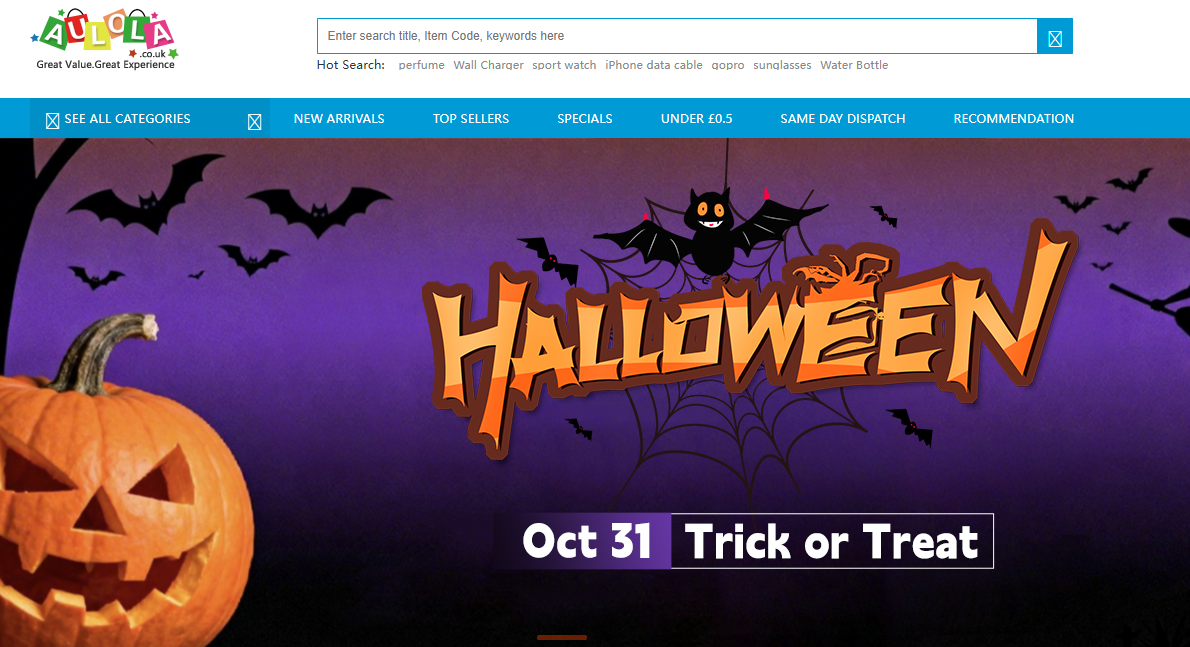
Aulola (UK-based) is a wholesale distributor specializing in mobile tech and electronics accessories. Its catalog (10,000+ SKUs) includes smartphone cases, cables, chargers, smartwatches, and other gadgets. In dropshipping, it serves Europe with fast shipping (free delivery on large orders, plus quick UK/EU dispatch). For French retailers focusing on electronics or phone accessories in 2026, Aulola EU can provide local stock and competitive pricing.
Pros:
-
Specialized selection for mobile and tech accessories (phone cases, chargers, wearables).
-
Large inventory (10k+ products) at wholesale prices.
-
Free shipping to Europe on orders above a threshold and fast EU courier delivery.
-
UK/EU warehouses reduce delivery times to France compared to Asia shipments.
Cons:
-
Niche focus on electronics; not a one-stop shop for other categories.
-
Requires membership to access best wholesale pricing.
-
Post-Brexit, UK shipping to EU may face more paperwork (though EU shipping is still offered).
8. VidaXL
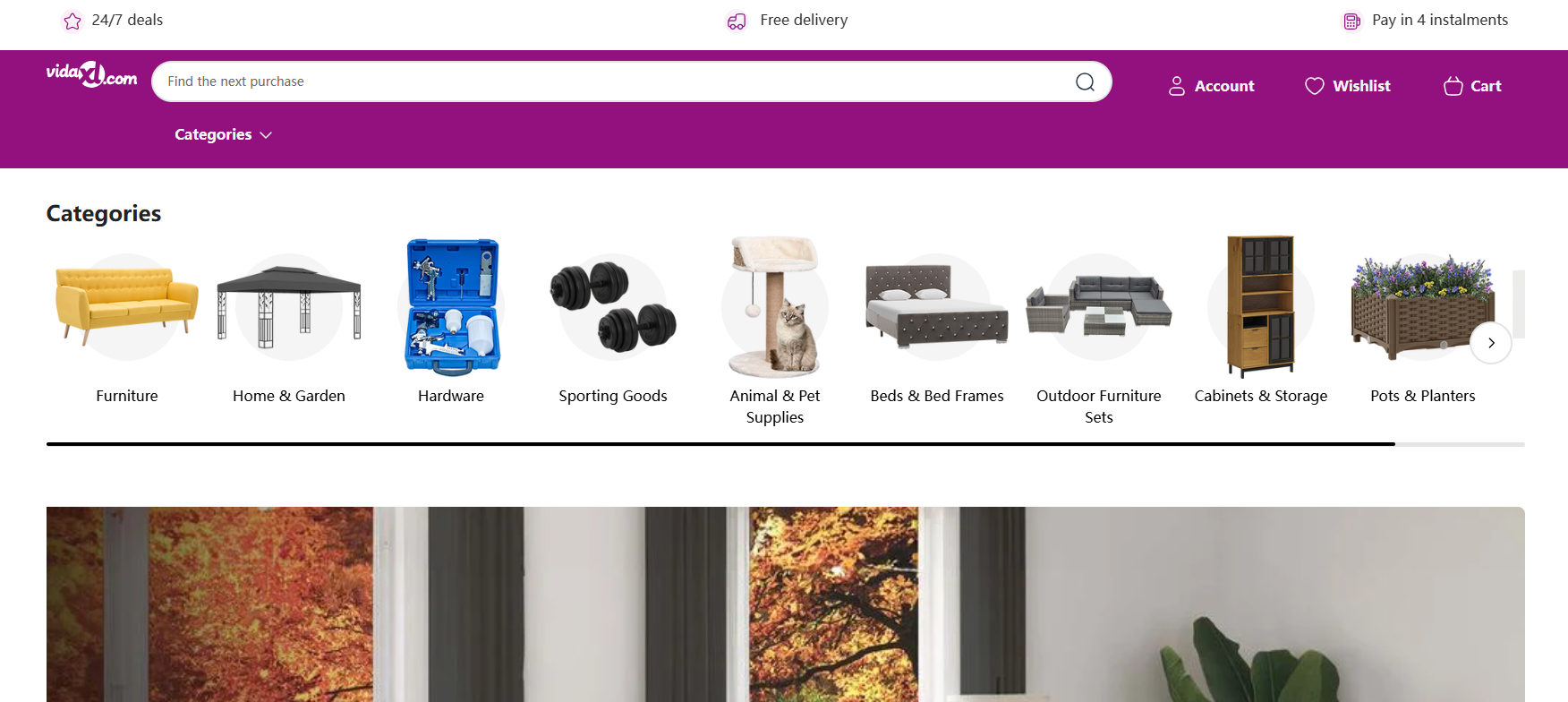
VidaXL is a Dutch dropshipping wholesaler for a wide range of home and outdoor goods. It offers over 90,000 products (furniture, garden tools, décor, toys, etc.) at attractive prices. With warehouses in multiple EU countries, VidaXL boasts fast delivery (typically 2–5 days) and free standard shipping to France on most orders. This broad assortment and reliable EU logistics make VidaXL a top general dropshipping supplier for French merchants in 2026.
Pros:
-
Extensive, multi-category catalog covering home, garden, pet, kids, and beyond.
-
Competitive pricing and frequent deals on products.
-
Fast European shipping with free or low-cost delivery and no customs delays for France.
-
14+ day return policy on many items, simplifying customer returns.
Cons:
-
Many products are bulky or heavy; shipping costs can be higher if minimums aren’t met.
-
Generic mass-market products mean heavy competition.
-
Some customers report variable product quality (common for mass suppliers).
9. AliExpress EU Warehouses
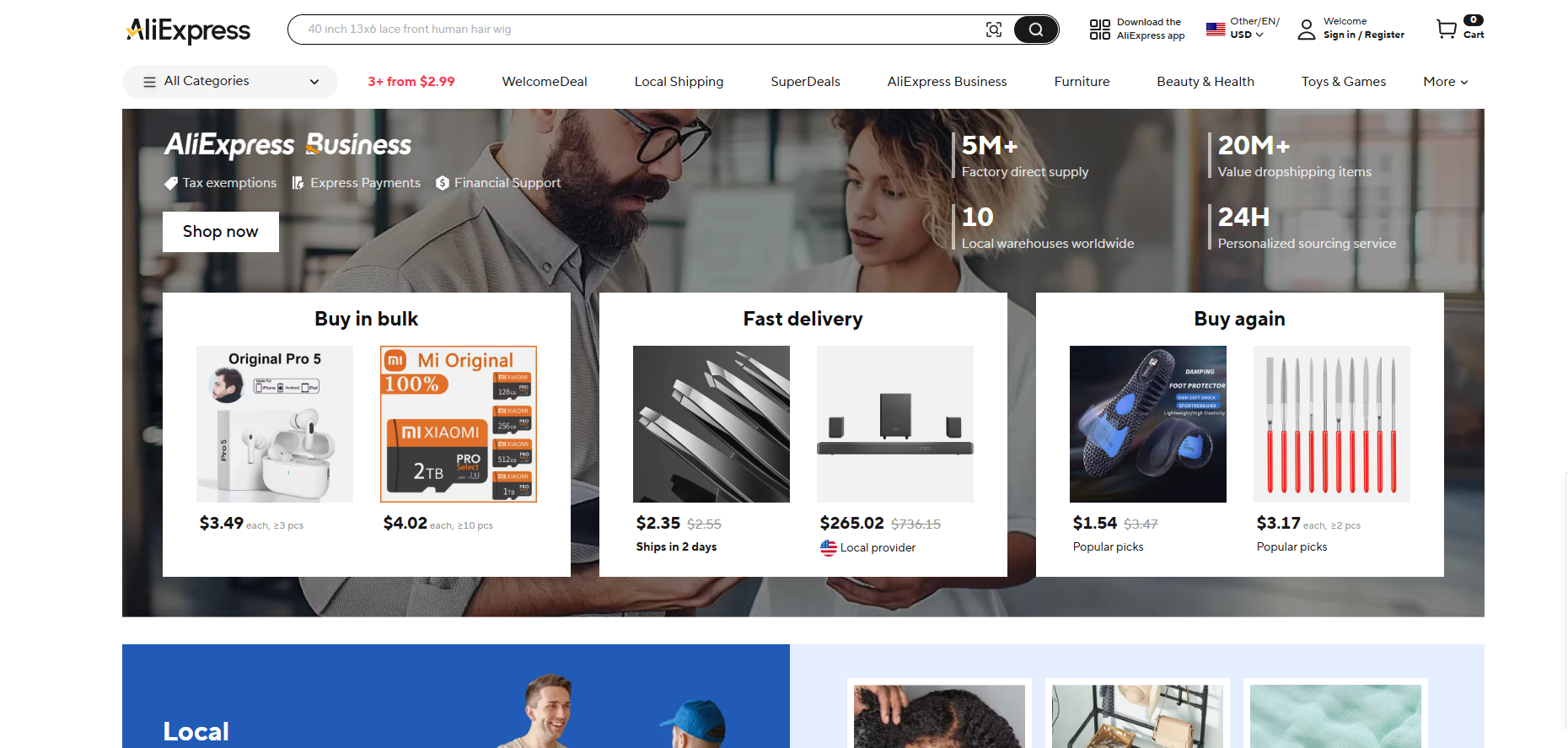
AliExpress’s EU Warehouse program stocks millions of popular products in Europe (Spain, Poland, France, etc.). For French dropshipping, this is valuable: items shipped from EU locations reach customers in about 3–7 days, and buyers pay no customs duties since stock is intra-EU. Using AliExpress EU warehouses blends the massive product variety of AliExpress with the benefit of fast shipping to France. In 2026, savvy French dropshippers can filter AliExpress searches by “Ships from Europe” to take advantage of this program.
Pros:
-
Huge product selection (electronics, fashion, home goods, etc.) at very low base prices.
-
Fast delivery to France (promotions guarantee 3–7 day shipping from EU stock).
-
No import VAT or customs fees for EU-based shipments.
-
Easy to find EU-stock items by filtering on AliExpress (“Ship from EU”).
Cons:
-
Not all products are available from EU warehouses; global stock is still larger.
-
Data on stock levels isn’t always transparent; some EU items can sell out quickly.
-
Quality control and consistency depend on third-party sellers.
10. CJdropshipping
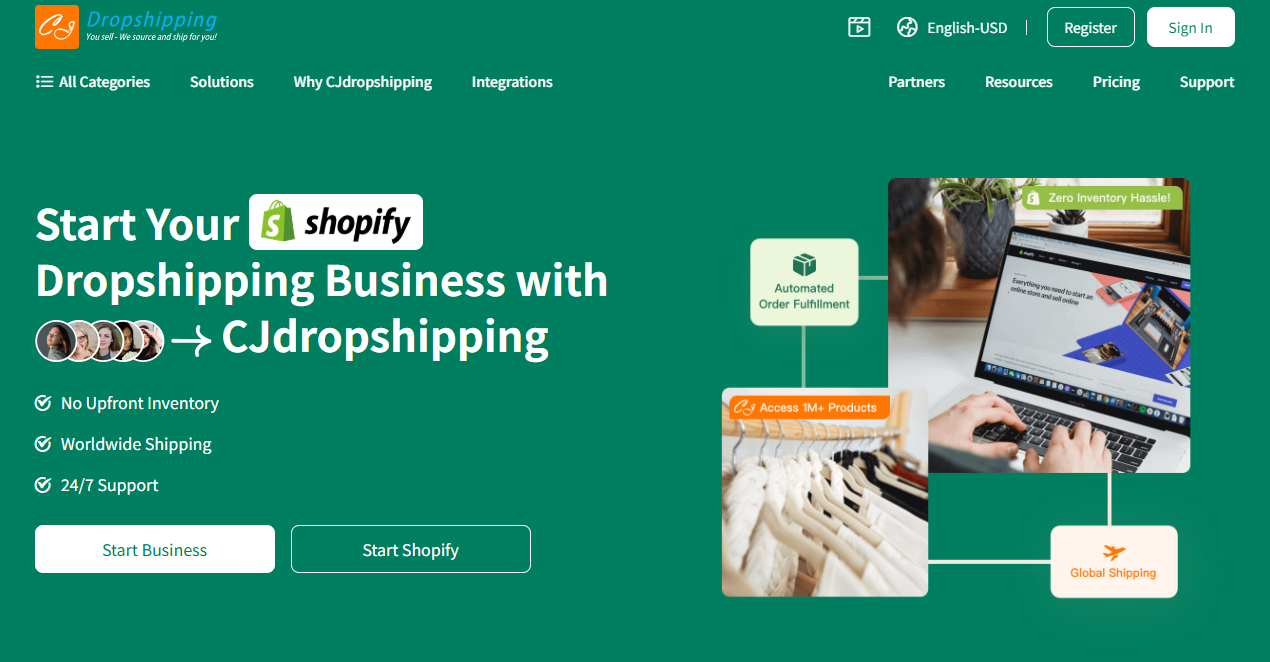
CJdropshipping is a comprehensive dropshipping platform with fulfillment centers worldwide (including warehouses in the EU and Asia). For French and European markets, CJ’s EU warehouses offer about 7–15 business day delivery times to France, thanks to its own logistics service (CJPacket). In 2026, CJdropshipping is popular for its large, affordable product catalog and end-to-end service (product sourcing, custom packaging options, print-on-demand, etc.).
Pros:
-
Vast product range across niches, often at lower prices than competitors.
-
Free to start (no monthly fees) and provides product sourcing assistance.
-
Dedicated CJPacket shipping with real-time tracking for EU orders (7–15 day delivery).
-
Support for custom branding and printing on products.
Cons:
-
User interface and dashboard can be complex for beginners.
-
Product quality varies widely between suppliers (mixed reviews).
-
Customer service can be slower during peak sales; some users report inconsistent support.
Top Niches for Dropshipping in France (2026)
Choosing a winning niche is critical. In France’s market, certain categories consistently perform well online. Based on recent trends and market data, some of the hottest niches for 2026 are:
-
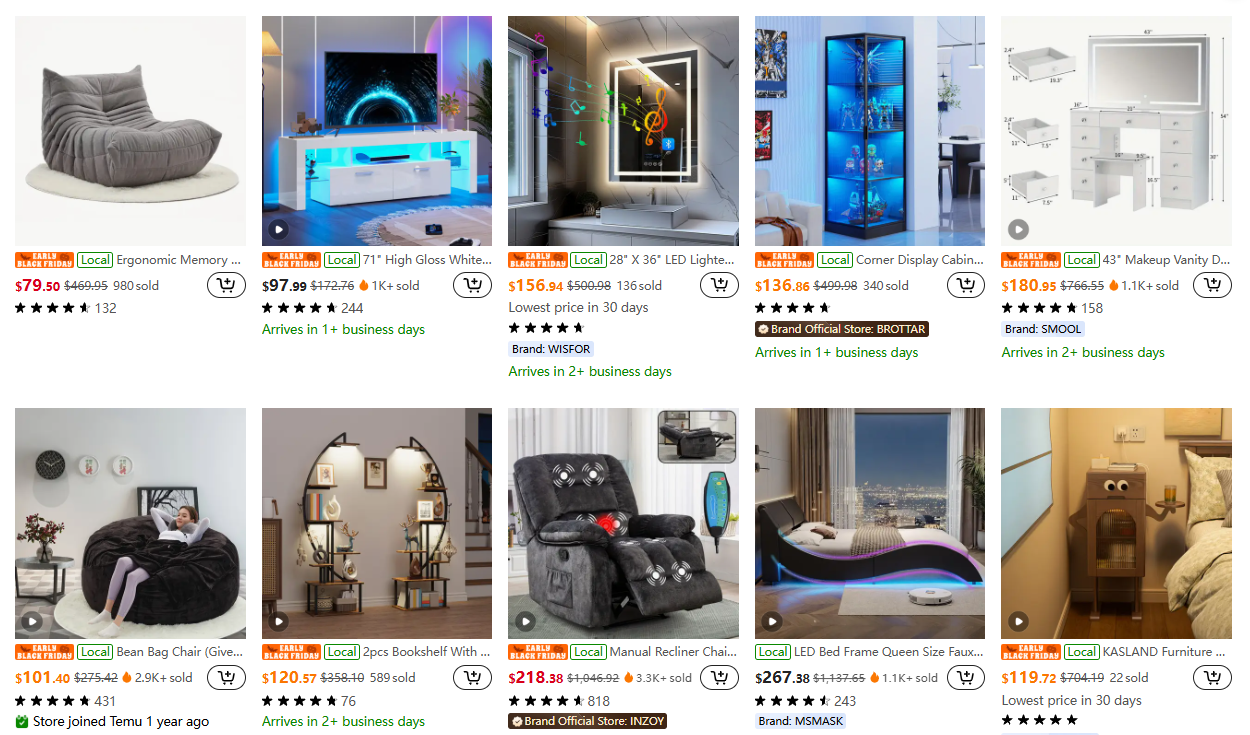
Home Décor & Lifestyle: French shoppers love beautiful interiors. Home goods (furniture, décor, kitchen items) made up roughly 28% of online retail sales in 2024 (with “large appliances + home” 25%, furniture 24%). This suggests that selling home décor, garden accessories, or lifestyle products (candles, linens, small furniture) can do well. Dropship products like wall art, cushions, smart home gadgets, or stylish storage often appeal. Look for suppliers (e.g. VidaXL, BigBuy) with strong home/garden catalogs. Trendy sub-niches: eco-friendly kitchenware (biodegradable tableware, bamboo utensils) or Parisian-style wall prints.
-
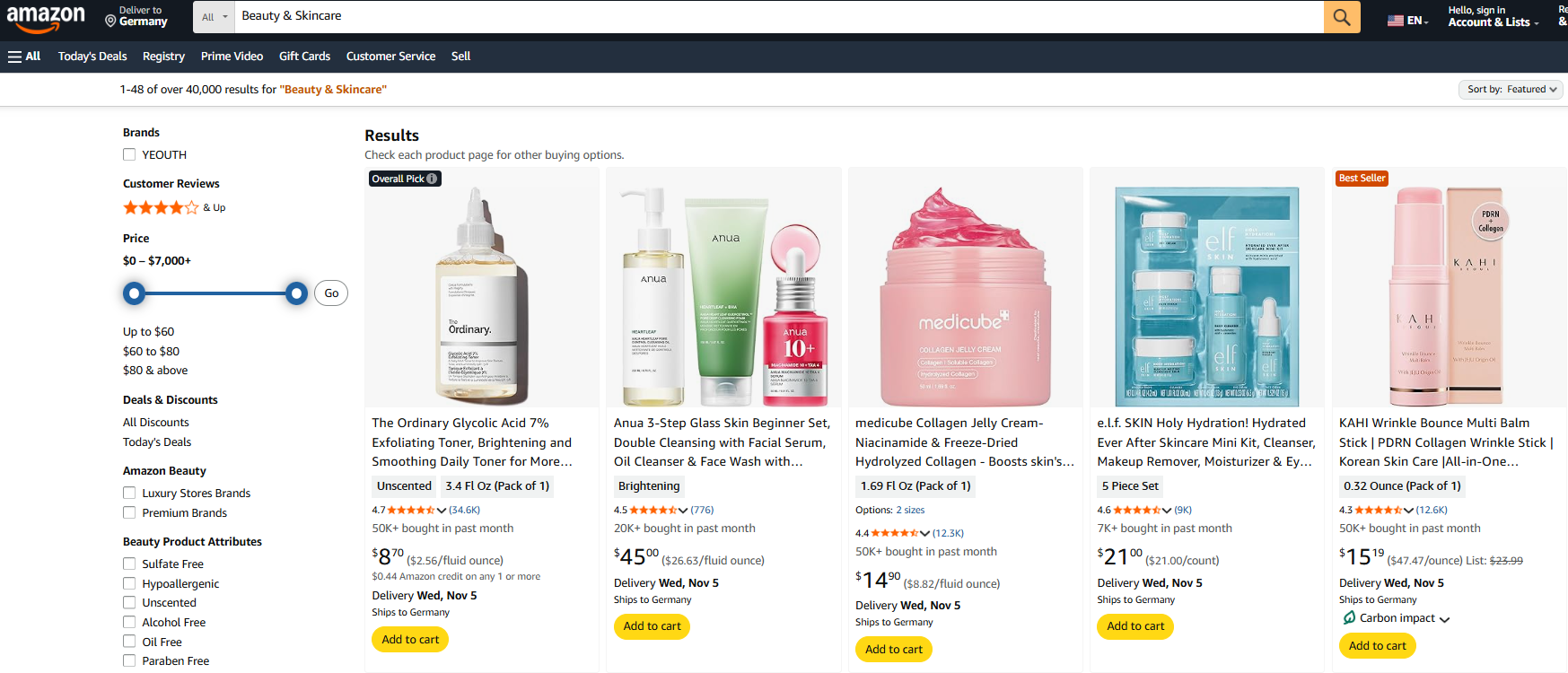
Beauty & Skincare: The online beauty market in France is robust. Hygiene/beauty products held about 14.7% of e-commerce spend in 2024. Niche items like organic skincare, cosmetics, or wellness supplements see steady demand. French customers prefer premium and natural beauty brands. Dropshipping opportunities include sustainable beauty lines (zero waste soaps, refillable cosmetics), men’s grooming kits, or specialized skincare tools (e.g. LED face masks). Remember to comply with EU health regulations for cosmetics (but many dropshippers sell non-medical beauty items easily). Tools like Google France and Pinterest trends can help spot top-selling French beauty goods.
-
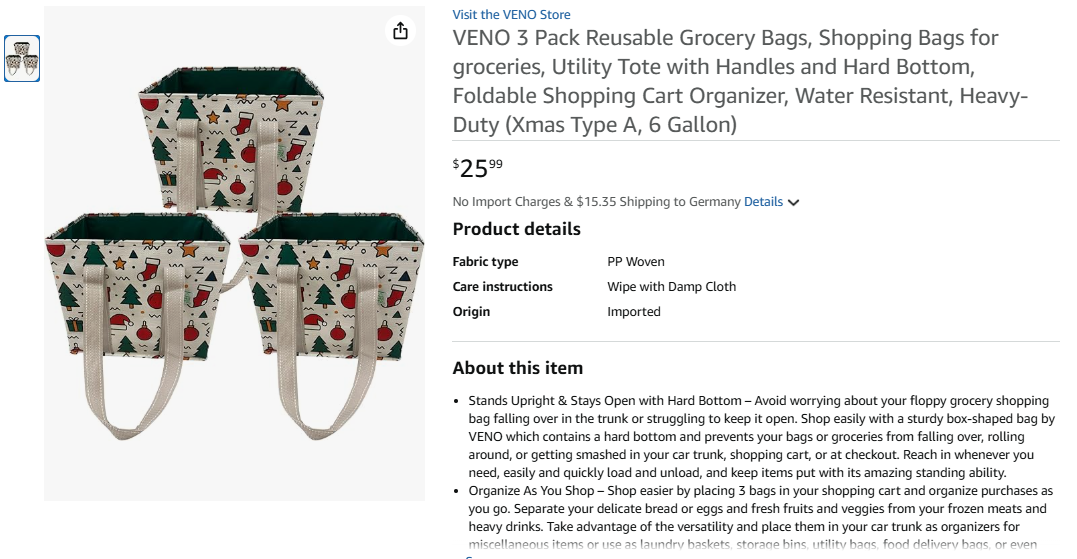
Eco-Friendly and Sustainable Products: Sustainability is a major concern for French consumers. A recent report found 70% of French online shoppers prefer eco-friendly delivery and brands. This indicates a booming market for green products. Dropship eco-friendly items such as reusable shopping bags, stainless steel straws, compostable toothbrushes, and solar-powered gadgets. Also consider products made from recycled materials or sustainable fabrics (organic cotton clothing, bamboo kitchenware). Highlighting the environmental benefits in your marketing will resonate. For instance, brands like Lamazuna (French zero-waste company) show the appetite for plastic-free alternatives. Partnering with suppliers that use eco-packaging or carbon-neutral shipping can be a selling point.
-
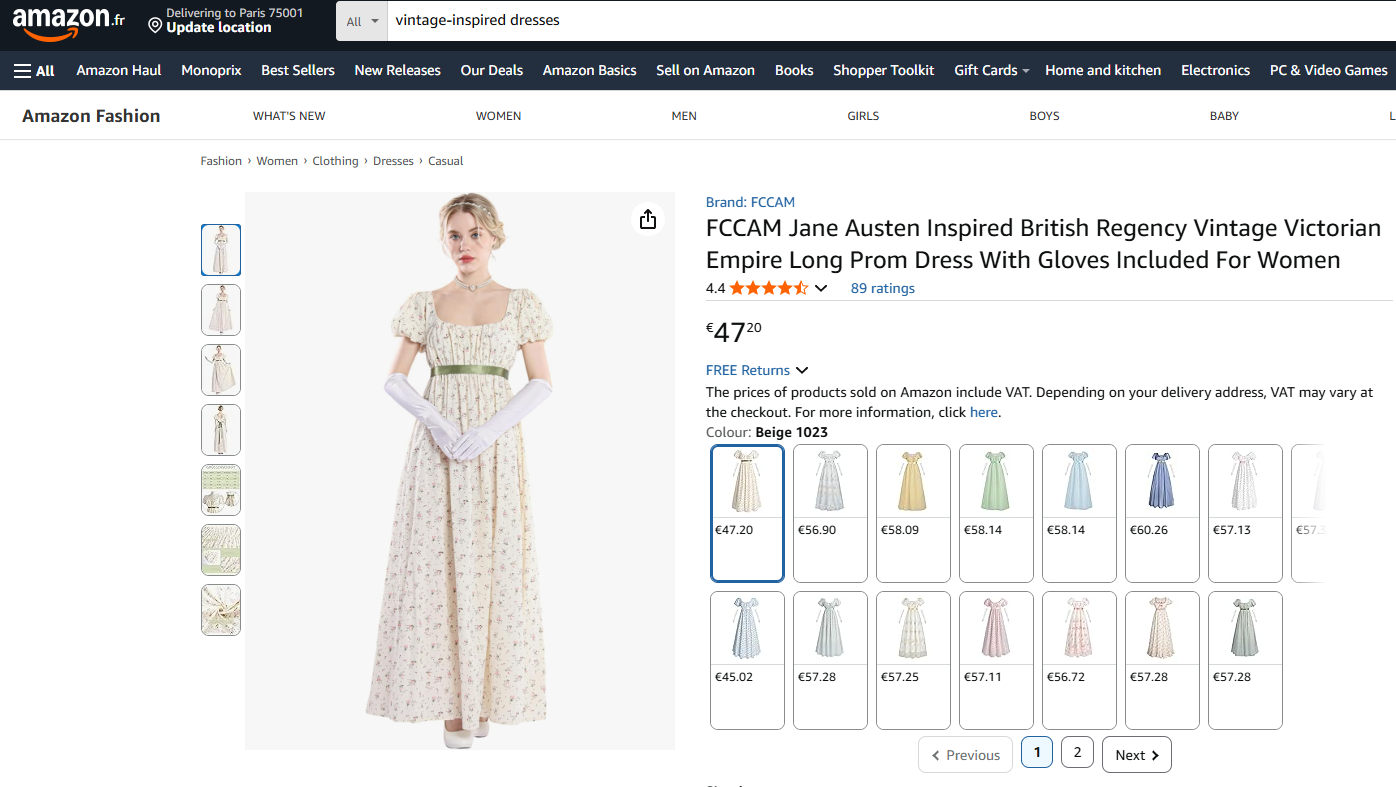
Fashion & Accessories: France is synonymous with fashion, and online apparel continues to grow. Clothing & footwear accounted for about 23% of online market share (≈€7.7B). Popular dropship niches include niche fashion (vintage-inspired dresses, plus-size wear), French-style jewelry (minimalist, elegant), and accessories like scarves, hats or bags. Since competition in apparel is high, narrow down: e.g. ethical fashion, activewear for the city, or branded vintage finds (via BrandsDistribution’s labels). Accessories – sunglasses, watches, leather goods – often have higher margins and lower return rates than clothing. Also consider seasonal fashion: swimwear and beachwear in summer, coats and boots in winter.
-
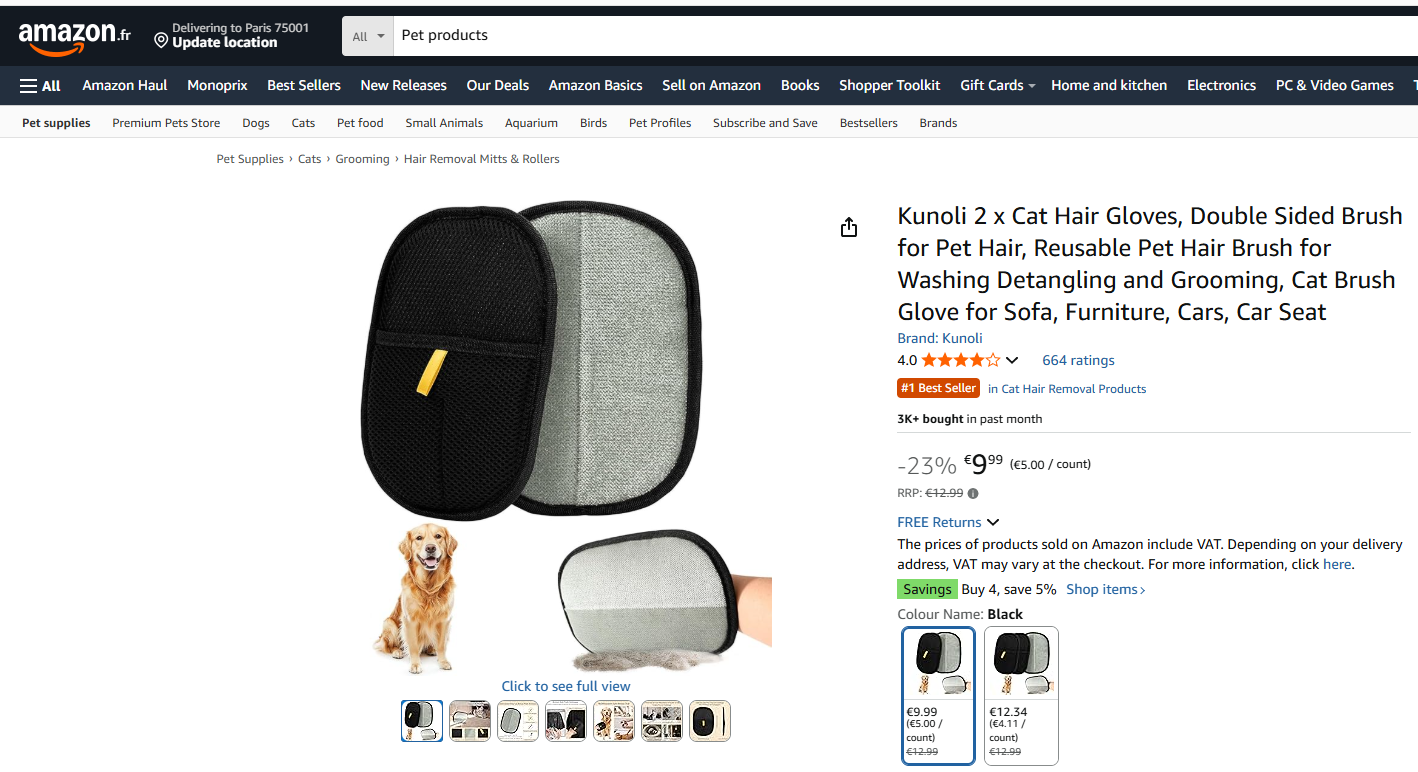
Pet Supplies: The pet products industry in France is substantial and still expanding. Grand View Research projects the French pet market to reach $4.2 billion by 2030. French pet owners spend liberally on their cats and dogs (plus fish and birds). Dropship pet accessories and supplies that stand out: designer pet beds, eco-friendly toys (natural rubber chew toys), health supplies (grooming kits, supplements), and quirky items (pets clothes, smart pet feeders). Localize by offering brands that cater to European pets, and emphasize quality and safety (look for EU-certified pet items). Pet fashion (e.g. cozy coats for dogs in winter) can also be a unique angle.
-
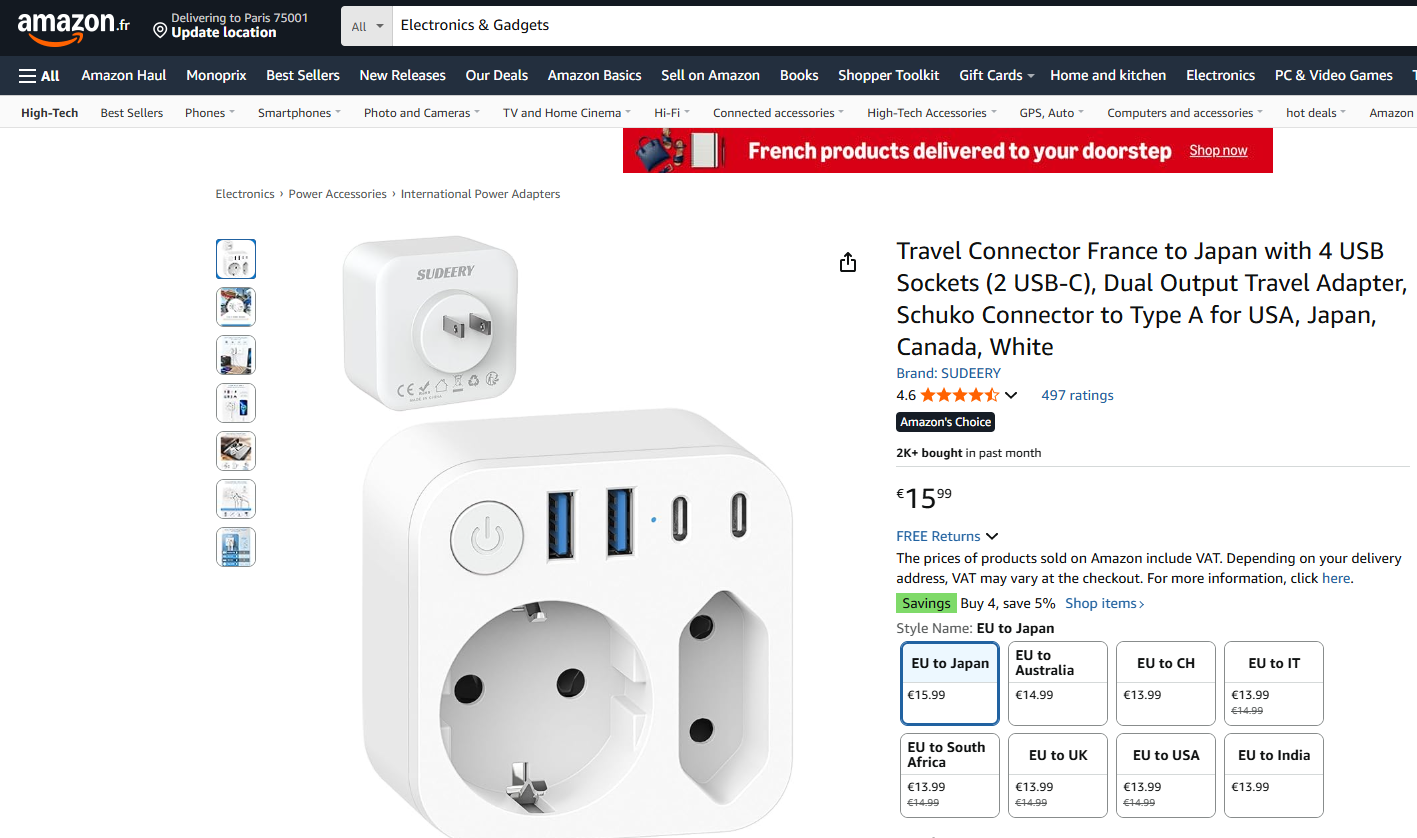
Electronics & Gadgets: Consumer electronics remain a top-selling online category in France. In 2024, “high-tech” household goods (TVs, phones, computers) were 31% of online sales in their segment, and gadgets like smart home devices are popular. Dropship trending electronics: smartphone accessories (cases, chargers), fitness trackers and smartwatches, wireless earbuds, and other personal tech. French buyers expect good quality (and CE certification). Leverage suppliers like AliExpress (EU stock) or BigBuy for fast-shipped electronics. Also consider cross-selling lifestyle gadgets (e.g. portable projectors, drones) as they do well on Instagram and TikTok.
How to Market Your Dropshipping Store in France
Marketing in France means going where the customers are – and that’s largely on social media and local platforms. Here are some effective strategies:
-
Leverage French Social Media: Platforms like Instagram, TikTok, and Facebook are hugely popular in France (TikTok had ~21.5 M adult users in 2026, Instagram ~26.6 M, and Facebook ~31.5 M). Create engaging content in French to capture this audience. For example, use Instagram Reels and TikTok videos to showcase products in action. Run Meta (Facebook/Instagram) ads targeted to French interests – you can specifically target “France” and narrow by region, age, and tastes. Use French-language copy and local idioms in your ads (e.g. “Livraison rapide FR”, “Made in Europe”).
-
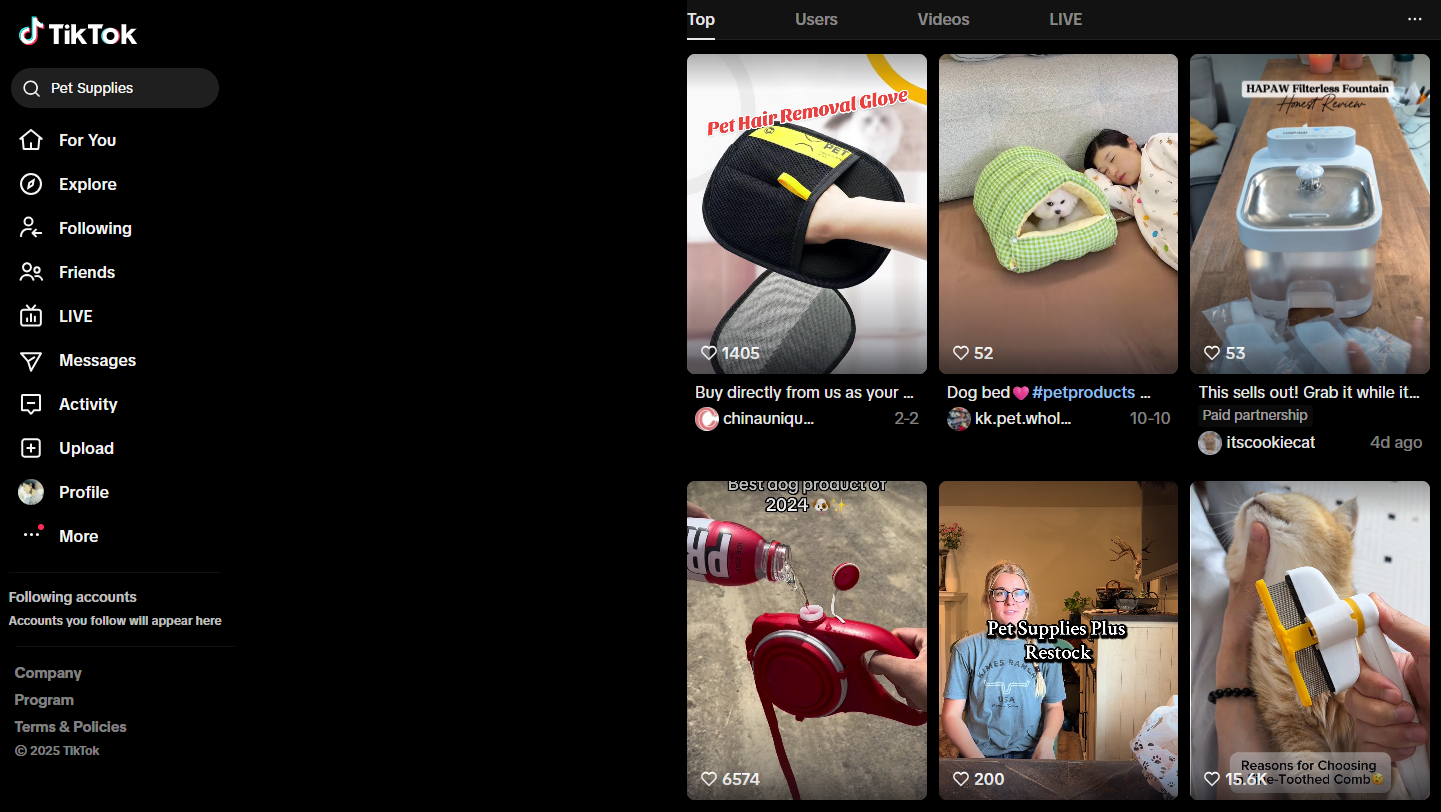
TikTok & Short-Form Video: With the 2026 launch of TikTok Shop in France, short-video commerce is rising. Produce entertaining TikToks or YouTube Shorts that feature your products. Collaborate with TikTok influencers who cater to French audiences (they can do product reviews or unboxings). TikTok’s algorithm is highly engagement-driven, so creative, fun content (challenges, behind-the-scenes) can help build brand awareness rapidly.
-
Instagram Influencers & Shopping: Instagram remains vital for fashion and beauty niches. Partner with micro-influencers (5k–50k followers) focused on your market (e.g. French beauty bloggers, home decor stylists). Micro-influencers often have high engagement and trust in niche communities. Send them free products or set up affiliate deals (they earn a commission on sales through their promo code). Also take advantage of Instagram Shopping: tag products in your posts and stories so users can tap to view your store.
-
Localized Content & Language: Always use French in your marketing. Even paid ads should be in French. Customers respond better when they can read in their native language and when cultural references are local. Also, localize visuals: use models or scenery that French customers identify with. French humor or references can boost engagement.
-
Influencer Marketing: Influencers are very effective: Research shows the trust in influencer content is high. Consider gifting products to influencers for review, or even hiring local celebrities for sponsored posts (this can be expensive but impactful). Pay attention to advertising disclosures – French law requires clear indication if content is sponsored.
Shipping & Fulfillment for French Dropshipping Stores
Fast, reliable delivery is critical in France. Here are some key points for logistics:
-
Local/EU Warehouses: Wherever possible, choose suppliers with EU or French stock. If a supplier has a warehouse in France (or Europe), deliveries are much quicker. For example, Spocket lets you filter for “ship from France” suppliers (with 1–3 day shipping within France). BigBuy and Cdiscount ship from EU warehouses, which also helps avoid import fees. Even AliExpress has launched “Local+” warehouses in France and nearby countries, promising delivery in ~7 days. Emphasize this speed on your site (“Livré en 2 jours!”) to appeal to shoppers.
-
Fast EU Shipping (2–7 days): Aim for delivery in under a week for French customers. Many dropshipping tools will default to standard international shipping (2–4 weeks) which is too slow. Instead, pay extra for EU express or use suppliers that stock in Europe. Some services (DHL, UPS, Chronopost) offer 48–72h delivery in France from EU origins. You may pass this cost to the customer or include it in your pricing. Clearly communicate expected delivery times (e.g. “Expédié de France: 3–5 jours ouvrés”).
-
Tracking & Insurance: Provide customers with tracking numbers for their orders, especially when shipping from overseas. French customers will expect to track parcels via La Poste/Colissimo or Chronopost. Many dropshipping apps automatically update tracking. Also consider optional shipping insurance (especially for higher-value items).
-
French Warehousing Benefits: Using French-based suppliers means returns can be sent to a local address at low cost. For example, if a customer returns a product to BigBuy or Spocket in France, the cost is minimal versus shipping back to China. This enhances customer trust. As one source notes, with a French supplier the customer “will ship it back to France… at a much lower cost” and processing refunds is faster. Emphasize your quick refund policy and local returns address to reassure shoppers.
Common Challenges for Dropshippers in France (and How to Solve Them)
Dropshipping in France has huge potential, but certain challenges are more pronounced here. Being aware of them early lets you plan solutions:
-
Language & Localization: The most obvious hurdle is language. French consumers expect full French-language sites, ads, and customer support. You cannot rely on English. This means translating not just the interface but also product details. Solutions: hire a French copywriter or use professional translation services (an overly literal Google Translate can turn off buyers). Also localize design elements – use French payment logos (e.g. “Paiement Sécurisé”), and ensure your site’s currency is € with Comma decimals. Always display contact info (email/phone) clearly in French.
-
Payment Preferences: French shoppers sometimes distrust international payment processors. They favor card networks like Carte Bleue or Carte Bancaire. While Visa/Mastercard are accepted, also offer PayPal (widely used) and consider options like Apple Pay or BNPL (Klarna) which are growing in France. Clear display of secure payment logos (SSL padlock icon, security badges) helps.
-
Competition and Price Sensitivity: The French market can be price-competitive. With Amazon.fr, Cdiscount, and local retailers vying for customers, you must offer either lower prices, faster delivery, or unique products. Be aware of local competitors: are you matching their pricing after currency conversion? Avoid razor-thin margins. Solutions: focus on unique or hard-to-find items (artisanal, eco-friendly, or imported designs), or bundle products. Also emphasize value beyond price, like superior service (live chat in French, extended guarantees).
-
Advertising Regulations: France has rules on advertising certain products (e.g. alcohol, tobacco, medical products). Make sure your ads comply. For example, medical claims for supplements are heavily regulated. Also, in France it is illegal to depict too-thin models or make comparative claims without proof. Stay within marketing guidelines to avoid fines or ad disapprovals.
Best Platforms for Dropshipping in France (2026)
Choosing the right e-commerce platform is important. In France, several platforms are popular:
-
Shopify France: The worldwide favorite, Shopify, is fully supported in France. It offers French admin/back-end language, thousands of apps, and easy dropshipping integrations (Spocket, DSers, etc.). Shopify can handle multi-currency and multi-language with apps (e.g. translate to French). It’s hosted (so no technical maintenance), and Shopify Payments accepts Carte Bleue (in supported countries). As noted, about 80K active Shopify stores exist in France. Shopify’s advantage is ease of use and scalability. Downside: monthly fees (France plans from €29), and additional app costs.
-
WooCommerce (WordPress): WooCommerce is an open-source plugin for WordPress. It’s free to use (you just need hosting) and very flexible. You can fully translate it to French. There are many French hosting providers optimized for WooCommerce. WooCommerce has plugins for Spocket, Aulola, VidaXL, etc. The French community around WooCommerce is large, so finding support (plugins, themes) is easy. For a tech-savvy dropshipper, it offers maximum customization (for example, custom checkout, SEO tweaks). However, it requires maintaining your own hosting and can be complex if you’re not technical.
-
Wix eCommerce: Wix is a simpler, all-in-one site builder that also works in French. It has dropshipping support via apps like Modalyst or Spocket. The interface is drag-and-drop, great for beginners who want a quick start. Plans are affordable and include hosting. Wix also has a French-language editor and support, and French payment integration (Stripe). The downside is it’s less powerful than Shopify/WooCommerce for advanced features and might not scale as well with thousands of products. It’s a reasonable choice for small stores or testers.
-
PrestaShop: A French-developed platform (Paris-based) that is extremely popular in France. Historically it had ~32% share of French e-shops. PrestaShop is open-source (download and self-host) and has a huge ecosystem of modules and themes. It’s fully localized (French by default) and very flexible. If you want a truly French solution, PrestaShop is it. PrestaShop partners with French logistics/payments (e.g. La Poste, RIB, Cartes Bancaires modules exist). The downside: like WooCommerce, it requires technical management and hosting. But it’s well-suited for EU businesses.
-
Other Platforms: There are also local options like Oxatis or EPages, but they are less common. Wix and Squarespace have French interfaces too. If you want marketplace dropshipping, consider Cdiscount Marketplace or Amazon.fr (for multichannel selling, though Amazon shipping requirements may complicate dropshipping).
Comparison notes: Shopify vs PrestaShop is often debated. Shopify is turnkey (hosted, support) but costs monthly fees; PrestaShop is free software but you manage hosting. PrestaShop’s strength is local relevancy (many French modules, meeting France’s legal requirements). Shopify’s strength is ease and reliability. If you expect high traffic and need ease of scale, Shopify wins. If you want full control and no monthly fee, and you or a developer can handle it, PrestaShop or WooCommerce might suit better.
In practice, many French dropshippers start with Shopify for convenience. If you need something more tailored later, WooCommerce or PrestaShop are solid. At least ensure whichever platform you choose supports French language fully and has payment gateways compatible with France.
Conclusion
Dropshipping in France for 2026 offers a compelling opportunity. The French e-commerce market is large (€175B+ and growing), and consumers increasingly shop online for a wide array of products. By following the steps outlined – choosing an in-demand niche, building a French-localized store (Shopify/Woo), connecting with reliable EU/French suppliers, and marketing on French channels – you can tap into this market effectively. Key advantages include leveraging fast EU shipping (especially France/Germany warehouses) and a population comfortable with online shopping. Just be mindful of language, regulations, and customer expectations (fast delivery, easy returns).
🚀 Start Your CJdropshipping Journey
Register for free and explore thousands of trending products, fast shipping options, and seamless store integrations.
Create a Free AccountNo credit card required · Easy setup in minutes