
The market for green cleaning solutions is booming. By 2026, analysts predict the sustainable cleaning segment will reach roughly $110 billion – growing about twice as fast as conventional cleaning products. Consumers increasingly favor health- and planet-friendly alternatives: they want to eliminate harsh chemicals and single-use plastics from their homes. (For example, a recent study found nearly 200 hazardous VOCs in conventional cleaners, whereas eco-friendly cleaners are much less likely to contain these pollutants.) For dropshippers and private-label brands, this trend presents a huge opportunity. By offering generic, rebrandable versions of natural, biodegradable cleaners, sellers can meet rising demand.
The following sections highlight ten in-demand eco-friendly cleaning product categories that are ideal for white labeling and dropshipping in 2026. Each entry includes an overview of the product type, reasons it’s popular today, its sustainability benefits, the market trends behind it, and the target customers most likely to buy it.

Top 10 White Label Cleaning Products
1. Plant-Based All-Purpose Multi-Surface Cleaner
2. Biodegradable Cleaning Pods (Dishwasher/Laundry Pods)
3. Plant-Based Laundry Detergent (Liquid, Powder, and Sheets)
4. Concentrated and Refillable Cleaning Solutions
5. Sustainable Cleaning Cloths and Sponges
6. Natural Bathroom Cleaner (Tub, Tile, and Toilet)
7. Plant-Based Dishwashing Liquid (Hand Dish Soap)
8. Enzymatic Drain and Odor Cleaners (Pet Stain Removers)
9. Eco-Friendly Glass and Window Cleaner
10. Eco-Friendly Floor Cleaners (Hardwood, Tile, Linoleum)
1. Plant-Based All-Purpose Multi-Surface Cleaner
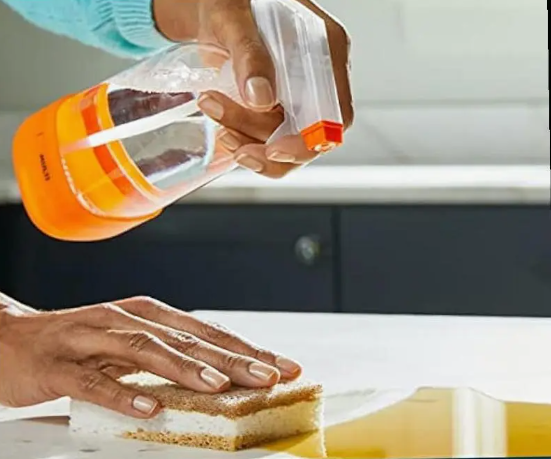
Overview: A multi-surface cleaner is a versatile spray or concentrate that safely cleans countertops, appliances, tables, and more. Eco-friendly versions use plant-derived surfactants and solvents (such as citrus oils, coconut-based detergents, or vinegar) instead of petrochemicals. Many are colorant-free, fragrance-free or use essential oils for scent, and carry certifications like EPA Safer Choice or Ecocert.
Why It’s Popular in 2026: Busy consumers appreciate one product that handles most cleaning jobs without toxic residues. Multi-purpose formulas simplify cleaning routines and reduce clutter in the cabinet – one reason this category is trending. Environmental and health concerns also drive demand. As one market report notes, the “Low-Tox Life” movement is bringing sustainability into the home; consumers now view harsh cleaning chemicals as unnecessary risks. In practice, families are swapping harsh all-purpose cleaners (full of ammonia or solvents) for gentle plant-based sprays, perceiving them as safer for kids, pets, and indoor air quality.
Sustainability Benefits: These cleaners cut plastic use in two ways: many come in concentrated refill packs or reusable bottles, and their formulas are biodegradable, so residues rinse to pure water and inert byproducts. By eliminating petroleum-derived ingredients, they reduce the home’s chemical footprint. For example, consumers worried about indoor air quality have responded to data showing conventional cleaners emit VOCs; switching to green all-purpose sprays can significantly lower that hazard. In short, these cleaners deliver effective cleaning while avoiding synthetic dyes, fragrances, and solvents, making them much friendlier to the ecosystem.
Key Market Trends: Demand is driven by broad sustainability trends. Shoppers are actively searching for “plant-based,” “biodegradable,” and “non-toxic” cleaners. Experts note rising interest in ingredient transparency – people want to know what’s in their spray bottles. Additionally, multi-purpose cleaners align with the minimalist and zero-waste movements: consumers prefer a single bottle that does it all rather than dozens of specialty products. Online reviews often highlight a “fresh” or “natural” scent as a selling point. Packaging trends also matter: amber glass bottles with refill pouches or recycled plastic containers are popular, letting brands claim lower plastic waste.
Target Customers: Urban families and busy professionals dominate this segment. Key buyers include eco-conscious parents, allergy sufferers, and renters who want affordable, gentle cleaning. Millennials and Gen Z consumers, in particular, are drawn to modern “clean living” lifestyles – they’ll pay extra for a product labeled free of phthalates, bleach, or ammonia. Health-focused shoppers, such as those with infants or asthma, also gravitate to plant-based cleaners. In short, this product appeals to any household that wants an effective cleaner without toxic chemicals or plastic overload. (For dropshippers, this broad appeal means multi-surface cleaners can be a lead-in product to attract environmentally minded customers.)
2. Biodegradable Cleaning Pods (Dishwasher/Laundry Pods)
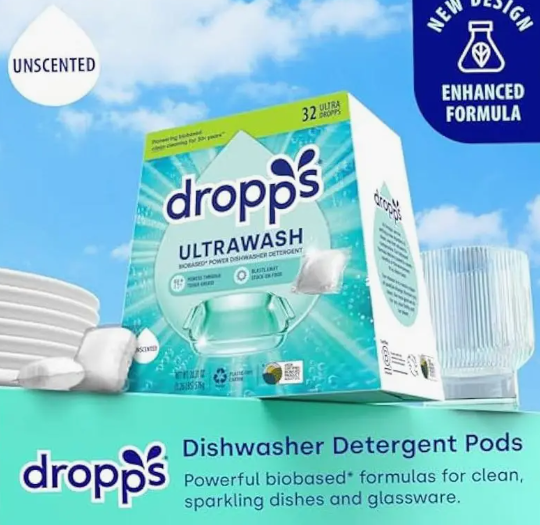
Overview: Cleaning pods are single-use, pre-measured portions of detergent or soap encased in a water-soluble film. Common examples are dishwasher detergent capsules and laundry detergent pods. Eco-friendly pods use innovative, biodegradable films that dissolve completely in hot water, leaving no microplastic residue. The pod contents themselves are also formulated to be plant-based or enzyme-based. These pods can replace bottled liquid detergents for both dishes and laundry.
Why It’s Popular in 2026: Pods are extremely convenient – consumers simply toss one into the dishwasher or washing machine and let it work. This ease-of-use is especially appealing for busy households and tech-savvy shoppers. Online video and social media have also popularized “pod hacks” and unboxing, helping these products go viral. But beyond convenience, eco-pods carry a green premium: shoppers accept higher prices for pods with compostable packaging. Dropshippers can also tap into the subscription-box trend with these consumables. In fact, a recent guide notes that cleaning pods often sell on subscription (replenishing pods every month), building loyal customer bases and recurring revenue.
Sustainability Benefits: Biodegradable pods address multiple waste issues. Because each pod is highly concentrated, shipping is lighter and more efficient, reducing carbon emissions. The dissolvable film (often PVOH or similar materials) breaks down harmlessly in water; no plastic bag or bottle remains. Consumers also measure exactly the right dose, so there is no overuse of detergent. Overall plastic waste is minimized. Some eco-pod brands even use plant-based surfactants (like coconut oil or sugar-based cleansers) and avoid ingredients like phosphates. On balance, switching to biodegradable pods can drastically cut a household’s plastic footprint while still providing powerful cleaning action.
Key Market Trends: Sustainability is a major driver in this segment. Analysts highlight “increased use of eco-friendly ingredients and recyclable packaging” as a top trend for dish pods. The market is also fragmented by many small D2C brands, meaning there’s space for private-label products. As dishwasher ownership grows, demand for pods continues to rise. Another trend is bundling pods with other eco products (like reusable silicone storage bags) to boost value. Regulation is also pushing the industry: laws in some regions are banning certain phosphate or microplastic ingredients, encouraging brands to adopt greener formulations.
Target Customers: These pods appeal to tech-friendly, convenience-oriented consumers. Think of dual-income families and young professionals who want to spend less time measuring detergents. Eco-conscious households that already buy refillable soaps and natural cleaners see pods as a logical extension. Because pods are often sold in bulk online, they attract subscription shoppers. Dropshippers should market pods to apartment renters, parents of young children, and anyone switching from messy liquid detergent bottles. The pet-owner market is also significant: enzyme-based pods that tackle pet stains can open another niche.
3. Plant-Based Laundry Detergent (Liquid, Powder, and Sheets)

Overview: Plant-based laundry detergents replace petroleum-derived surfactants with natural alternatives (such as coconut-based detergents, citric acid, or lemon extracts). They often come as concentrated liquids, powders, or newer forms like dissolvable detergent sheets. These formulas avoid phosphates, optical brighteners, and synthetic dyes or fragrances. Some are even certified USDA Organic or use only essential oils for scent. Concentrated packets (similar to pods) are also gaining popularity.
Why It’s Popular in 2026: Consumers have become very aware of laundry’s impact on both health and environment. Many worry about irritating residues on clothes, especially for babies or sensitive skin. This concern grew during and after the pandemic as people doubled down on hygiene. Industry data shows that cleaning awareness is high: a rise in automatic washer use and hygiene consciousness has helped the eco-laundry segment expand rapidly. Even mainstream brands are launching premium plant-based lines. And novel formats like laundry sheets or tablets are trending on e-commerce sites as a plastic-free convenience.
Sustainability Benefits: Like pods, concentrated laundry formulas reduce shipping weight and plastic. Powder detergents packed in cardboard or compostable pouches eliminate plastic jugs. Sheets (thin dissolvable films) require minimal packaging and no water content during transport. The ingredients themselves are biodegradable, so they rinse out to natural components. Crucially, these detergents skip harsh chemicals (like ammonia, parabens, or phthalates) that can harm aquatic life. By switching to plant-based laundry soap, a household can drastically cut down its chemical load and plastic trash, while still enjoying high washing performance.
Key Market Trends: Market analysis projects the eco-friendly laundry sector to hit over $66 billion by 2033, growing at around a 4–6% CAGR. Growth is being driven by household segment dominance (every home needs laundry detergent) and rising disposable incomes globally. Trends include “automated” washing machines requiring specialty pods or tablets, and a general preference for hypoallergenic products. eCommerce has opened doors for boutique detergent brands that focus on “clean formulas.” Another trend is “laundry as self-care”: fancy scents and botanicals (lavender, eucalyptus) are marketed alongside non-toxic claims. Regulatory trends (banning certain microplastic beads or allergens) also push legacy detergent makers toward greener innovations.
Target Customers: The core customers are parents of young children, anyone with allergies or eczema, and environmentally conscious millennials/Gen Z. College students moving out on their own often look for easy laundry solutions. Fitness enthusiasts may seek detergents that tackle stains without chemicals. Domestic help and laundry services may also buy in bulk. Importantly, positioning and branding (e.g. cruelty-free, vegan, biodegradable) resonate strongly. Dropshippers should highlight the baby-safe and animal-safe aspects for these customers, and consider bundling laundry sheets or tablets for convenience.
4. Concentrated and Refillable Cleaning Solutions
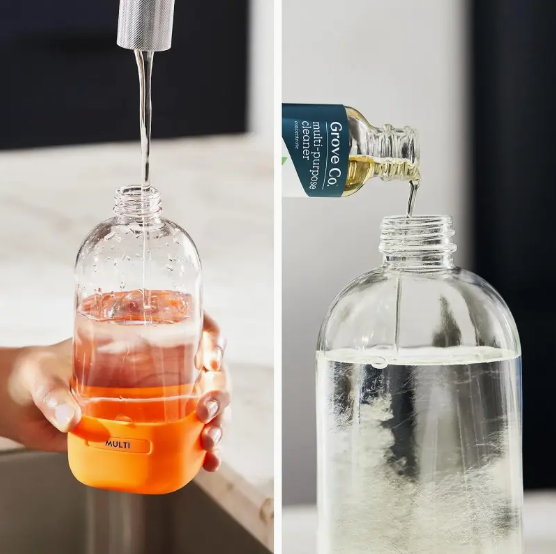
Overview: Concentrated cleaning solutions are highly potent formulas sold in small, compact containers or “pouches” that consumers dilute with water at home. Customers then transfer the concentrate into reusable spray bottles or mop buckets. This category includes all-purpose sprays, window cleaners, and floor solutions in concentrate form. Refillable kits (complete with a durable bottle and refill packs) are also common. These products are designed to minimize waste and transportation volume.
Why It’s Popular in 2026: Eco-aware shoppers love the idea of buying a small package once and then reusing it. Refillables are fashionable now. They tap into the minimalist and subscription economy: one can subscribe to monthly refills instead of reordering bulky bottles. This trend is further boosted by social media, where “refill haul” videos get shared. Drop shipping plays well here because low shipping weight (just concentrate packets) means better margins. It also aligns with the growing zero-waste movement: people want to eliminate single-use plastics from cleaning routines.
Sustainability Benefits: The obvious benefit is massive plastic savings. A concentrate pouch or tablet pack may replace dozens of plastic spray bottles over its lifetime. Shipping emissions per cleaning use drop dramatically, since water (nearly 90% of a normal cleaner) isn’t being transported. Concentrates also reduce chemical waste: they prevent over-pouring, so users don’t dump excess chemicals down the drain. Overall, this model can cut a household’s plastic footprint by 50–90% compared to traditional cleaners.
Key Market Trends: Consumer research confirms that refillable and concentrated formulas are a top eco trend. Shoppers actively search for “refillable cleaning products” and “plastic-free formulas”. Some brands now sell multi-pack concentrate cartridges or powders that dissolve in water. Another trend is making these concentrates gourmet: for example, blends of Himalayan salt or plant enzymes for targeted tasks. Many dropshippers advertise “subscription cleaning club” for these items; indeed, experts suggest bundling refills into a recurring model. In packaging, minimal and compostable designs (paper labels, biodegradable wraps) add value and credibility.
Target Customers: This appeals to very eco-focused consumers, especially those who already use reusable goods (cloths, beeswax wraps, etc.). Millennials setting up green households often choose refills first. It also resonates in urban areas with plastic bag bans or in regions where environmental activism is strong (the Pacific Northwest, California, etc.). Additionally, anyone looking to save on space – RV owners, small apartment dwellers, or tiny house communities – will like compact concentrates. Marketing should emphasize cost savings per use and the guilt-free aspect of endless refills.
5. Sustainable Cleaning Cloths and Sponges
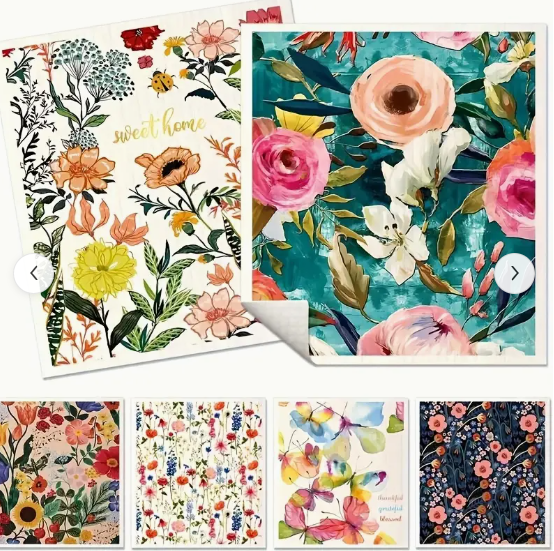
Overview: This category covers reusable cleaning tools made from eco-friendly materials: bamboo fiber dishcloths, cellulose kitchen sponges, biodegradable scrubbing pads, and hemp or recycled microfibre towels. Instead of disposable paper towels or plastic scrubbers, these products are designed to be washed and reused hundreds of times. Common examples are 100% bamboo kitchen cloths, compostable cellulose scrub sponges, and natural loofah scrubbers.
Why It’s Popular in 2026: Many customers realize that a lot of “waste” comes from everyday cleaning tools. Paper towels and standard sponge pads are a continuous source of landfill trash. Reusable cloths and brushes solve this problem. Social media influencers and zero-waste bloggers often showcase swaps like “ditch the sponge” or “stop using paper towels,” which has driven wide interest. Moreover, modern designs (bright colors, durable textiles) make these products attractive as well as functional. Customers appreciate small changes they can make daily, and switching to a bamboo cloth is a very tangible one.
Sustainability Benefits: Bamboo and hemp are fast-growing, renewable plants that require little water and no pesticides. A single bamboo cloth can replace dozens of paper towels. When these cloths finally wear out, they are compostable, returning to the earth without releasing toxins. Similarly, cellulose or citrus-based sponges biodegrade much faster than synthetic foam pads. By contrast, conventional sponges may contain microplastics and take centuries to break down. Also, many eco cloths have natural antibacterial properties, so they require fewer chemical disinfectants. Overall, these products cut down on landfill waste and reduce the demand for petroleum-based materials.
Key Market Trends: Reusable cleaning tools fit squarely into the zero-waste kitchen trend. Users bundle them with natural cleaners in “eco starter kits” or sell them as upgrades (e.g. a set of bamboo cloths included with a countertop cleaner). Industry sources note that bamboo cleaning cloths and compostable sponges are “extremely popular among people who care about the environment,” combining hygiene with savings. Many brands tout features like “natural bamboo fiber (antibacterial)” and “lasts for 500+ washes.” Bundling these cloths as sets (sold by dropshippers) also appeals – e.g. selling 5-10 cloths at once encourages customers to replace disposable towels altogether.
Target Customers: The primary customers are again eco-conscious households – especially women aged 25–45 who drive household purchases. Urban families, especially those with young children, value a zero-waste mindset to teach kids. Small businesses like eco-friendly cafes or boutique hotels may also buy these cloths in bulk. Another growing segment is millennials interested in “tiny footprint living.” Generally, buyers of eco cloths are the same demographic buying plant-based cleaners. For dropshippers, these products work well as impulse-add-ons or gift items (e.g. “kitchen zero waste bundle”). Highlighting their compostability and reusability in marketing copy will attract the right audience.
6. Natural Bathroom Cleaner (Tub, Tile, and Toilet)
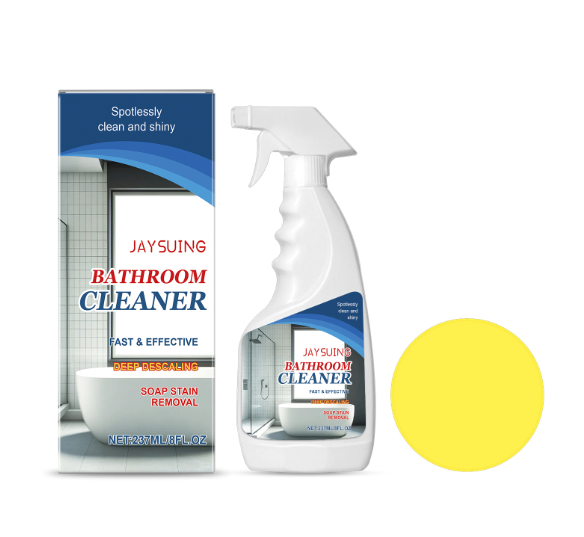
Overview: Natural bathroom cleaners are formulated to tackle soap scum, mold, and grime in showers, tubs, toilets, and sinks using benign ingredients. Typical formulas include ingredients like vinegar, citric acid, baking soda, coconut-based surfactants, or essential oils (tea tree, eucalyptus) known for antimicrobial properties. They avoid bleach, ammonia, and harsh acids. These products may come as sprays, foams, or gel cleaners specifically labeled for bathroom use.
Why It’s Popular in 2026: The bathroom is where chemical fumes really matter. People are increasingly aware that inhaling bleach or ammonia in an enclosed space can be harmful, especially for kids and the elderly. The surge in overall cleaning consciousness (spurred by pandemic-era hygiene) means many now want bathroom cleaning to be both effective and safe. Additionally, eco-bathroom cleaners often double as all-natural mold removers, appealing in damp, mold-prone areas. In 2026, trendy home-care advice often includes swapping out toilet bowl tablets or spray cleaners for plant-derived alternatives.
Sustainability Benefits: Traditional bathroom cleaners often contain chlorine or quaternary ammonium compounds that can harm septic systems and aquatic life. Natural bathroom cleaners, by contrast, break down into inert compounds after use. They also usually come in recyclable or refillable packaging. For example, a vinegar-based toilet spray might only leave behind vinegar and noxious vapors that quickly dissipate, rather than persistent chemicals. This reduces water pollution and protects indoor air. Moreover, by using natural abrasives (like baking soda) and oils, these cleaners can be used more frequently without the health risks of strong chemicals, promoting overall household wellness.
Key Market Trends: Health and safety concerns are the biggest drivers here. As mentioned earlier, studies have shown that volatile chemicals in household cleaners can worsen asthma and allergies. In response, many consumers seek fragrance-free and hypoallergenic formulas, and bathroom products are no exception. Millennials and Gen Z consumers especially expect transparency, so brands now frequently label items as “non-toxic bathroom spray” or “EPA Safer Choice certified.” There’s also a growing niche for ethically produced cleaners – for instance, palm-free soaps and cruelty-free formulas. Design trends (like minimalist labelling) that worked for multi-surface cleaners also apply here, making the product look as clean as it claims to be.
Target Customers: This category attracts households with health concerns (asthma, allergies), parents of young children (who fear harsh chemicals on tub surfaces), and pet owners (who may use the toilet brush or floor cleaner and worry about pets grooming the area). Senior citizens also form a segment; they want cleaners that won’t aggravate respiratory issues. Dropshippers can position these products to “green homeowners” and savvy apartment renters who want a naturally sanitized bathroom. Testimonials and before/after videos showing grime removal with natural products tend to convert skeptical buyers.
7. Plant-Based Dishwashing Liquid (Hand Dish Soap)
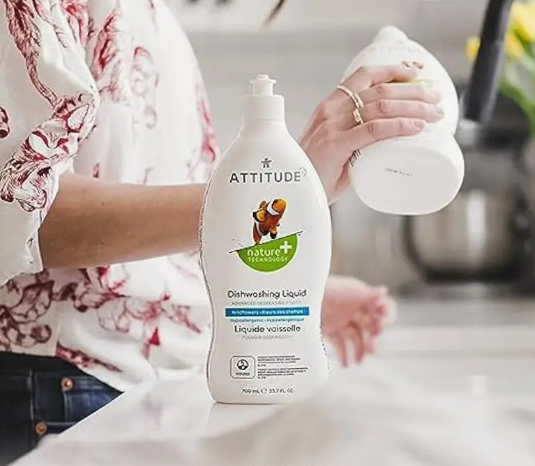
Overview: Hand dishwashing soap formulated from renewable ingredients. These liquids foam and cut grease like traditional dish soaps but use plant-derived surfactants (often from coconut or vegetables) and are free of synthetic dyes and artificial fragrances. New biotech innovations (e.g. rhamnolipid biosurfactants) allow such soaps to compete head-on with mainstream brands. Many are also concentrated or refillable.
Why It’s Popular in 2026: Washing dishes by hand is one of the most direct ways people use cleaners on their skin. Users have become very sensitive to skin irritation and residue. A 2024 press release from Unilever highlights that consumers are seeking hand dish soaps “free from harsh chemicals,” partly to protect aging or sensitive skin. This aligns with a wider preference for natural ingredients: even massive CPG companies are launching 100% plant-based dish soaps to meet demand. There’s also a strong “wellness” angle – people like the idea of bathing their dishes in lemon and coconut instead of petrochemicals.
Sustainability Benefits: Similar to other cleaners, plant-based dish soaps produce fewer toxic effluents. Many formulas are phosphate-free and use biodegradable fragrances, ensuring that drain water stays friendlier to ecosystems. Also, shipping liquid dish soap is carbon-intensive due to its water content; many brands offer ultra-concentrated formulations or refill pouches to address this. By switching to such soaps, customers reduce reliance on petroleum-based compounds and often enjoy gentler effects on their skin and nails.
Key Market Trends: Research indicates the global market is moving toward greener dishwashing formulas. Unilever’s “Sunlight” brand, for example, now markets dish soap made with 100% plant-based, renewable, and biodegradable ingredients. This innovation highlights a trend: even major brands see plant-based surfactants as the future. Other trends include antibacterial botanicals (like tea tree oil) for added claims, hypoallergenic lines for sensitive skin, and visually appealing packaging that emphasizes “green” credentials. Keywords like “natural dish soap,” “vegan dish detergent,” and “plastic-free dish soap” show high search volume online. In short, hand dish soaps are no longer a commodity product; they’re a lifestyle purchase.
Target Customers: Eco-minded consumers who care about what touches their skin are the primary market. Young parents (washing baby bottles), health-conscious adults, and people with dermatological concerns gravitate toward plant-based dish soap. High-end users, such as chefs and gourmets, may also prefer biodegradable soap to avoid any chemical carry-over on fine china. For dropshipping, pairing dish soaps with other kitchen eco-products (bamboo scrubbers, reusable towels) is effective. Selling them as part of a “kitchen wellness” bundle often attracts gift buyers as well.
8. Enzymatic Drain and Odor Cleaners (Pet Stain Removers)
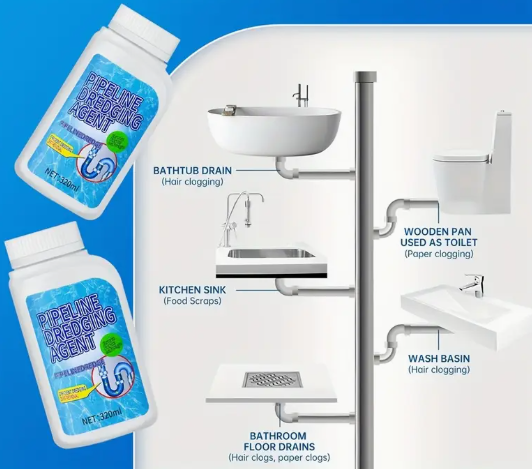
Overview: These are specialty cleaning solutions that use natural enzymes and bacteria to break down organic waste and odors. Common types include sewer and drain cleaners (to digest grease and hair) and pet stain/odor removers (to neutralize urine, vomit, etc.). Instead of caustic chemicals, they contain live microbial cultures or specific enzymes (like protease, lipase) that convert fats and proteins into harmless byproducts.
Why It’s Popular in 2026: Harsh drain cleaners (lye, sulfuric acid) pose serious safety and environmental risks. Enzymatic alternatives are gaining traction as safer, equally effective substitutes. Pet ownership is also at an all-time high, so pet stain cleaners that actually eat the odor molecules are selling fast. People with septic systems or small children around appreciate that these products won’t corrode pipes or harm the ground. Word-of-mouth and online forums have made enzyme cleaners trendy: users often share success stories of banishing tough odors naturally.
Sustainability Benefits: Enzyme cleaners are fully biodegradable and usually free of additives like dyes or surfactants. They have a minimal environmental footprint since they rely on natural biology rather than synthetic solvents. For drains, this means preventing chemical runoff into waterways and preventing damage to bacterial colonies in septic systems. For pet stains, enzymes eliminate the source of odors so there’s no need for repeated chemical treatments. Overall, these cleaners promote a circular form of cleaning: introducing life (microbes) to consume waste.
Key Market Trends: The rise of plant-based and bio-based ingredients is key here. Dropshippers report increasing sales of enzymatic formulas, often marketed as “green” or “non-toxic.” Pet retailers also stock such products, indicating cross-channel interest. A notable sub-trend is the DIY crowd: enzyme starter kits (like for composting grease) have some overlap with homemade cleaning recipes. In professional cleaning, too, there’s a movement towards bacterial cleaners for daycares and hospitals. Packaging trends for these products often highlight “septic-safe” and “non-corrosive” prominently.
Target Customers: Key buyers include pet owners (especially cats, whose urine is hard to remove), parents (who worry about chemicals on floors), and owners of older homes (with fragile plumbing). RV and boat owners also like enzymatic cleaners because they are marine-friendly and safe for holding tanks. Health-conscious individuals avoiding bleach are natural customers. Demographically, suburban families with dogs or litterboxes fit the profile, as do urban apartment dwellers who may rent and need renter-friendly cleaning solutions.
9. Eco-Friendly Glass and Window Cleaner
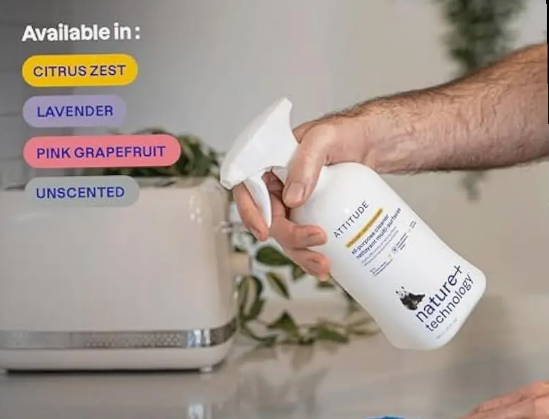
Overview: Green glass cleaners aim to deliver a streak-free shine on windows, mirrors, and glass surfaces without ammonia or other harsh solvents. Typical formulations use ethanol or vinegar (from renewable sources), natural surfactants, and essential oils instead of petrochemical ammonia. They often come as concentrates or simple two-ingredient mixes (e.g. vinegar + water) with added plant extracts for clarity.
Why It’s Popular in 2026: Many shoppers were raised on glass sprays loaded with ammonia, but awareness is growing that ammonia fumes can irritate eyes and lungs. Non-toxic alternatives let consumers enjoy gleaming windows without the shock factor. Furthermore, consumers like multi-purpose approaches – a “window cleaner” that’s also safe on countertops, stainless steel, or car interiors adds value. The minimalism trend also plays a role: a clear, glass-only cleaner avoids confusion with chemical labels.
Sustainability Benefits: Ammonia-based cleaners can contribute to smog formation indoors and are toxic to aquatic life if dumped. Eco glass cleaners break down rapidly into carbon dioxide and water, avoiding this. Their packaging is often refillable or recyclable. For example, a simple homemade-style glass cleaner in a brown glass bottle with a recycled label is a common white-label product. Ultimately, these formulas require fewer toxic inputs to manufacture, and the absence of microplastics or VOCs means virtually zero environmental toll.
Key Market Trends: This segment overlaps with general eco cleaner trends. Notably, some dropship catalogs highlight “ammonia-free” as a buzzword. Consumers are also interested in multi-surface glass cleaners that can replace multiple specialized products. The search term “green window cleaner” shows rising volume. Another innovation trend is adding anti-static or rain-resistant agents (made from plant polymers) to natural glass cleaners, to appeal to tech-savvy homeowners. In packaging, clear labeling like “Bio-Based” and certifications (e.g. Green Seal) help products stand out.
Target Customers: As with all green cleaners, customers are health-conscious homeowners. In particular, those who do a lot of cooking (who get greasy windows/hoods) or who operate home offices (needing clean screens) care about non-toxic formulas. Photographers and artists, who handle glass equipment, may also prefer gentle cleaners. Advertising angles like “keeps fish tank water safe” or “kid-friendly window cleaning” can catch niche buyers.
10. Eco-Friendly Floor Cleaners (Hardwood, Tile, Linoleum)
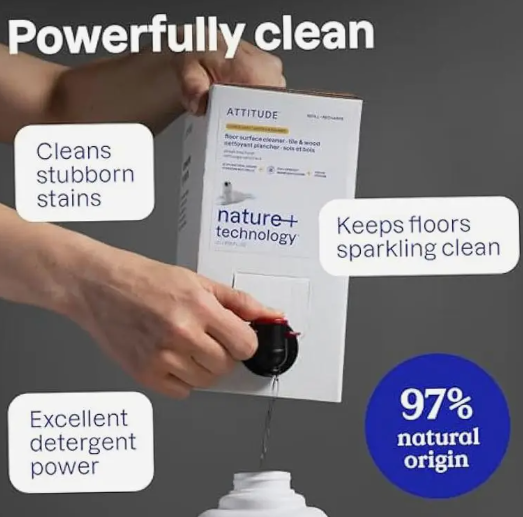
Overview: Eco-friendly floor cleaners are specially formulated for different flooring types (wood, laminate, stone, tile) but all share the characteristic of being biodegradable and non-toxic. These may be ready-to-use liquids, concentrates, or natural blends (for example, a floor polish containing citronella oil for shine). Crucially, they avoid solvents, oils, or waxes derived from petroleum. Many modern formulations combine surfactants from plants (soapnuts, coconut) with wood-safe oils.
Why It’s Popular in 2026: Clean floors are a basic need, but consumers are now selective about how. Traditional floor soaps often leave residues or emit chemical odors. Eco versions promise squeaky-clean results without slippery film or lingering fumes. The uptrend in open-concept living spaces with hardwood floors means people clean more frequently – so they want safe formulas. Additionally, busy homeowners appreciate that many green floor cleaners can be used with steam mops or gentle robotic mops without harm, blending tech convenience with natural ingredients.
Sustainability Benefits: By using vegetable-based ingredients, these cleaners ensure that wash-off water remains friendly to septic systems and gardens. For example, a biodegradable floor cleaner won’t kill plants if it runs off a balcony. Concentrates in this category further reduce packaging. Some eco-floor products come with wood-friendly polishes derived from citrus oils that condition wood naturally, avoiding petrochemicals. Using these instead of petroleum-lacquer polishes means fewer VOCs in the home and a smaller carbon footprint from production.
Key Market Trends: The green home trend extends to floors. Searches for “natural hardwood floor cleaner” and “plant-based mopping solutions” have jumped. Some innovators are even making wood floor cleaners from waste products (like citrus peel extracts). The “wood floor solutions” market is leaning toward low-pH (acidic) cleaners that gently lift dirt, rather than alkaline chemical strippers. Brands also market multipurpose floor shampoos that work on tile and linoleum too, to reduce the number of different products a customer needs.
Target Customers: Homeowners with natural or hardwood floors are prime. Pet owners and parents (who are very slippery surface averse) also prefer safe floor solutions. Eco-floor cleaner buyers often overlap with customers of eco laundry detergent and all-purpose cleaners. Interiors-focused consumers (e.g. those buying minimalistic furniture or smart devices) will value a floor cleaner that “fits the aesthetic” (natural label designs). Additionally, renters or young professionals (especially those leasing wood-floor apartments) like products that clean well without damaging finishes.
Conclusion
By 2026, the shift to natural cleaning is well-established. Health and environmental concerns drive buyers toward plant-based all-purpose cleaners, biodegradable pods, and any product with recyclable or refillable packaging. This momentum favors dropshippers and private-labelers who can rapidly respond to trends. The ten categories above – from multi-surface sprays to enzymatic stain removers – each tap into powerful market forces: sustainability, convenience, and health-consciousness. A successful dropshipping lineup in this niche will emphasize clear eco-labeling (for example, “plant-derived”, “non-toxic”, “zero waste”), leverage subscription and bulk models for recurring revenue, and target communities (young families, pet owners, eco-activists) known to spend on green products.
Ultimately, offering white-label versions of these top eco-cleaners allows a retailer to package them under a cohesive brand. By aligning with consumer values – using renewable ingredients, reducing plastic waste, and ensuring affordability – dropshippers can capture an expanding audience. As one guide notes, subscription and bundle models particularly boost sustainable cleaning product sales. Entrepreneurs who marry market awareness with authentic eco-friendly branding will find these ten product types to be not only profitable but also impactful, helping to make 2026 homes cleaner and greener.